Like
Share
멍실장
고양이 치아 흡수성 병변(FORLs) 자주 묻는 질문 Q&A — 보호자가 꼭 알아야 할 핵심

Feline Odontoclastic Resorptive Lesions (FORLs) FAQ — Key Information Every Pet Owner Should Know

Oral HealthQ&AMeongsiljang Veterinary Advisory Board

Feline odontoclastic resorptive lesions (FORLs) are a common condition in which a cat’s teeth gradually break down, making early detection and proper management essential. Here’s a summary of the key information every pet owner should know.

What Are Feline Odontoclastic Resorptive Lesions (FORLs)?
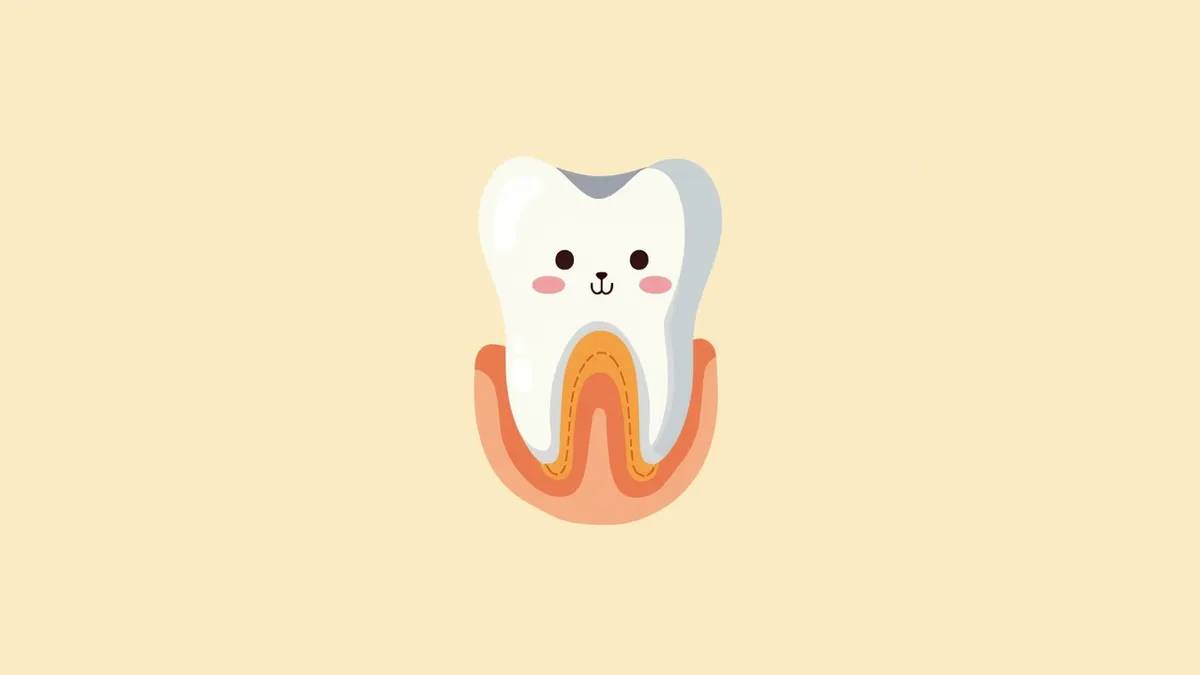
Staged structural diagram of feline tooth resorptive lesions
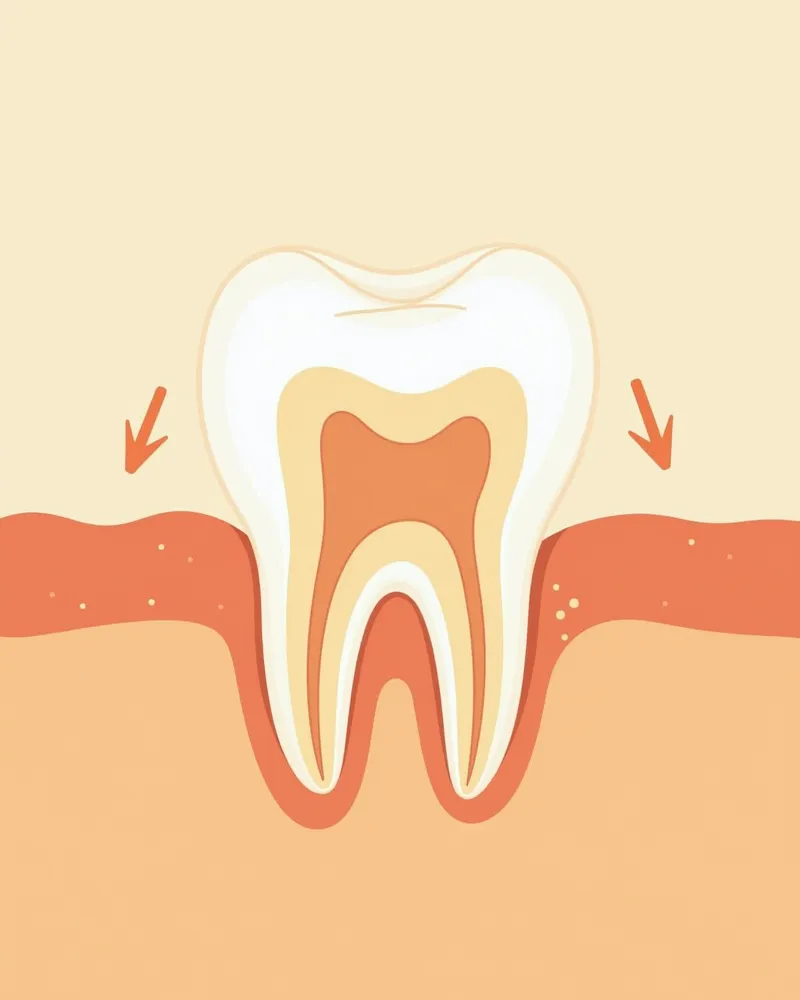
Feline odontoclastic resorptive lesions (FORLs) are a common oral disease in which the hard structures of the teeth are gradually resorbed and broken down. Depending on the study population and diagnostic methods, FORLs are found in approximately 25–75% of cats, making them highly prevalent. Because they often cause pain, early detection is crucial. - FORLs: This is a pathological process in which cells within the tooth become abnormally activated and begin to break down the tooth structure. Resorption can start anywhere on the root surface. As it progresses, the dentin is destroyed and the enamel flakes off, creating painful exposed areas. Clinically, lesions are most commonly first detected near the gingival margin, where the gum meets the tooth. - Early detection: Regular oral examinations can help identify lesions at an early stage. - Timing of treatment: It is essential to consult with a veterinarian for appropriate treatment before the lesions progress. Delaying treatment can lead to increased pain and eventual tooth loss.

What Are the Main Causes of FORLs?

While several theories exist regarding the exact cause of feline odontoclastic resorptive lesions (FORLs), the underlying mechanism remains unclear. Veterinary textbooks suggest that excessive dietary vitamin D intake or tooth damage (abfraction) caused by chewing hard, dry food may be contributing factors. Additionally, Type 1 resorptive lesions are more commonly associated with oral inflammation such as gingivitis, periodontitis, and stomatitis. However, no theory has definitively established a causal relationship, and studies have reported no association with feline leukemia virus or feline immunodeficiency virus (retrovirus) infection. It is also important to remember that resorption can begin at the surface of the tooth root.
Diagram showing the progression of the initial lesion site in feline tooth resorption

What Are the Main Symptoms of FORLs?

The symptoms of feline odontoclastic resorptive lesions (FORLs) can vary, but here are the key signs owners should watch for:
Worsening bad breath: The odor may become more severe, sometimes noticeable even when your cat is breathing normally.
Changes in eating habits: Your cat may chew on only one side of the mouth or show a decreased appetite.
Signs of pain when opening the mouth or moving the jaw: You may notice increased instances of sudden jaw movements or reluctance to open the mouth.
Scratching around the mouth: Your cat might repeatedly scratch at its lips or chin.
Bleeding in the mouth: Bleeding can occur as the teeth undergo resorption.
If you observe any of these symptoms, please consult your veterinarian immediately.
How cats express oral pain caused by tooth resorption lesions

Signs Requiring Immediate Veterinary Visit

If your cat refuses to eat, shows pain when opening its mouth or moving its jaw, or has bleeding from the mouth, immediate veterinary care is necessary. Feline odontoclastic resorptive lesions (FORLs) often show few symptoms until the pain becomes severe, making them easy for pet owners to overlook. Since X-rays are essential for an accurate diagnosis, please seek prompt veterinary attention if you suspect this condition.

FORLs Stage-by-Stage Symptoms and Management

ItemStageSymptomsTreatment MethodPrognosis
Stage 1Resorption begins at the root surfaceAlmost no outwardly visible symptomsConfirmed by X-ray and oral exam, observationGood
Stage 2Resorption progresses into the dentinChewing on only one side due to pain, or dietary changesExtraction based on veterinary judgmentModerate
Stage 3Crown breakdown, only root remainsExpressions of pain, decreased appetiteExtraction required (crown amputation if complete extraction is difficult)Pain relief possible after extraction

Stages are determined by the veterinarian through X-rays and oral examination. Early detection has a major impact on prognosis.

How Are FORLs Diagnosed?
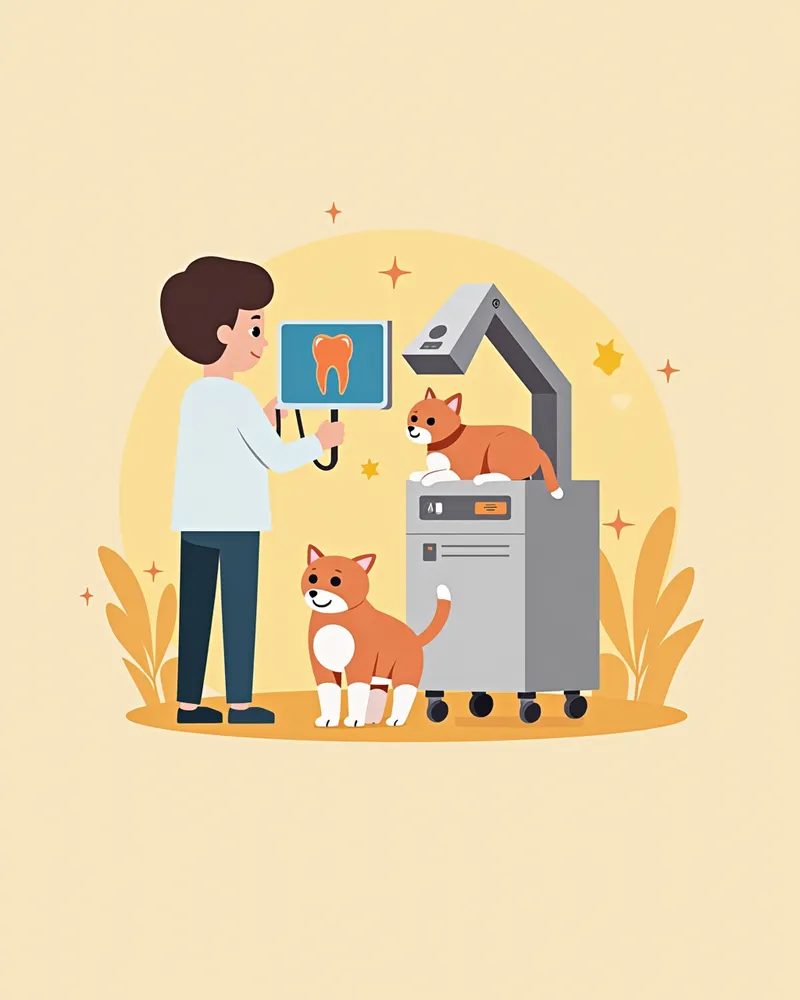
Because FORLs are not easily visible to the naked eye, an accurate diagnosis requires a professional examination by a veterinarian. The most critical diagnostic tool is dental radiography (X-rays). A standard visual inspection alone is insufficient to assess the severity of the lesions, whereas X-rays allow for precise confirmation of root resorption. Additionally, the veterinarian may palpate the teeth to check for pain responses and, if necessary, perform a biopsy.
A veterinarian taking an X-ray to diagnose feline tooth resorption lesions

How Are FORLs Treated?

Treatment for FORLs depends on the severity of the lesions. In the early stages, monitoring alone may be sufficient, but in most cases, the standard treatment is to extract the tooth causing the pain. However, if the root is fused to the bone or replaced by bone, complete extraction can be difficult. In such cases, we may opt to remove only the crown and leave the absorbing root tissue. Restorative treatments to preserve absorbed teeth are generally not recommended because they are not stable in the long term. Additionally, since resorptive lesions can affect multiple teeth, pain management and regular oral examinations and hygiene care are essential even after treatment.
Appearance of a cat recovering after treatment for tooth resorptive lesions

Home Care Points

Even after treatment for feline odontoclastic resorptive lesions (FORLs), ongoing care is essential. Please be sure to follow these guidelines:
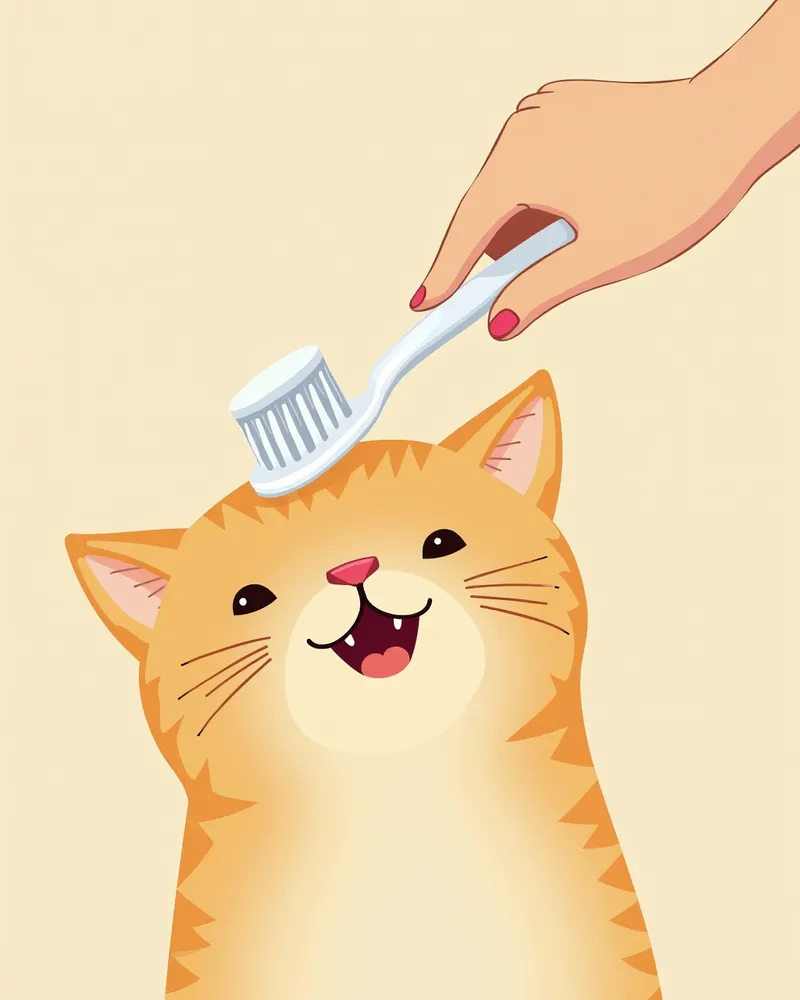
Maintain oral hygiene: Brush your cat’s teeth once or twice daily using a toothbrush designed for pets. Using a veterinary-approved toothpaste is recommended.
Dietary management: Switch to soft or wet food to help minimize discomfort while eating.
Regular check-ups: Schedule an oral examination with your veterinarian every six months.
Watch for signs of pain: If you notice your cat opening its mouth unusually or experiencing changes in eating habits, seek veterinary attention promptly.
Reduce stress: Minimize environmental changes and prevent conflicts with other animals to keep your cat calm.
Consistent care like this helps alleviate pain and significantly improves your cat’s quality of life.
How to maintain your cat’s oral hygiene after treatment for tooth resorption

Caution: Risk of Recurrence After Treatment and Importance of Management

Feline odontoclastic resorptive lesions (FORLs) can recur in other teeth even after treatment. Since cats often have multiple affected teeth, regular dental check-ups and proper oral hygiene are essential. Be sure to follow the post-treatment care plan recommended by your veterinarian. If pain returns, it can significantly impact your cat’s appetite and emotional well-being.

Reviewed by a veterinarian

Dr. Tony — Punnawat Phongkittirak

Dr. Tony — Punnawat Phongkittirak

Veterinarian

A veterinarian who majored in veterinary medicine at Khon Kaen University, Thailand, and completed the IVSA program at North Carolina State University in the United States. Drawing on clinical experience at animal hospitals, he works in the pet healthcare field and is dedicated to building a digital care environment that connects pet parents with veterinarians.

Frequently Asked Questions

Do only cats get Feline Odontoclastic Resorptive Lesions (FORLs)?
Resorptive lesions are a very common condition diagnosed in cats. They typically affect multiple permanent teeth and can begin anywhere on the surface of the tooth root. However, the exact cause remains unclear.
Do FORLs cause severe pain?
Yes, FORLs often cause severe pain. When the dentin is exposed, it becomes very painful, but cats are good at hiding their discomfort, making it easy for owners to overlook. If your cat stops eating or starts opening its mouth, these could be signs of pain.
Will my cat have trouble eating after having a tooth extracted?
No, cats can still eat well even if some of their teeth are removed. The veterinarian will only extract the teeth that are necessary, taking into account their function and whether they are causing pain, so it won’t significantly affect your cat’s ability to eat.
Can it be prevented?
There is currently no established method for complete prevention. The exact cause remains unclear, and the effectiveness of topical fluoride treatments in preventing absorbent lesions has not been proven. Instead, early detection through regular oral examinations and X-rays is the most important approach.
How much does treatment for FORLs cost?
Treatment costs vary depending on the number of teeth involved and the severity of the lesions. Generally, removing one to three teeth costs between $40 to $100, which includes X-rays and anesthesia. Please consult with your veterinarian to create a treatment plan that fits your budget.

Share

Related Guides

References

[1] Bellows J. Feline Dentistry – Oral Assessment, Treatment, and Preventative Care. 1st ed. Ames: Wiley-Blackwell; 2010.

[2] Thatcher CD, Hand MS, Remillard RL. Small Animal Clinical Nutrition: An Iterative Process. In: Small Animal Clinical Nutrition. 5th ed. Topeka: Mark Publishing; 2010.

[3] Anderson JG, Harvey CE, Flax B. Clinical and radiographic evaluation of external odontoclastic resorptive lesions in cats (abstract). J Vet Intern Med. 1993;7:134.

This information is based on veterinary literature and does not replace diagnosis or treatment. Please consult a veterinarian for specific health concerns.

Metapet Co., Ltd. | CEO: Park Sung-yong | Business Reg. No. 417-88-02562 | Seoul, South Korea | Customer Center

Feline Resorptive Lesions (FORLs) FAQ: Cat Oral Health | Meongsiljang