

Praziquantel Tapeworm Dewormer: Essential Usage Guidelines
Praziquantel is a leading deworming ingredient used to treat tapeworm infections in dogs and cats. While it has a wide safety margin, it’s important to use the correct dosage based on your pet’s weight and the type of infection.
What is Praziquantel?

Which Parasites Does It Treat?
Recommended Praziquantel Dosage for Dogs and Cats
| Item | Dog | Cat |
|---|---|---|
| Standard dose | 5mg/kg orally, once | 5mg/kg orally, once |
| For Echinococcus infection | Standard 5mg/kg is adequate; veterinary diagnosis·prescription required | Standard 5mg/kg is adequate; veterinary diagnosis·prescription required |
| Re-dosing | According to the schedule set by the veterinarian to prevent reinfection | According to the schedule set by the veterinarian to prevent reinfection |
| Minimum age for administration | 4 weeks of age or older recommended | 6 weeks of age or older recommended |
Based on veterinary pharmacology textbooks. Actual doses vary depending on body weight·type of infection·formulation.
How Does Praziquantel Work?
When to Exercise Caution
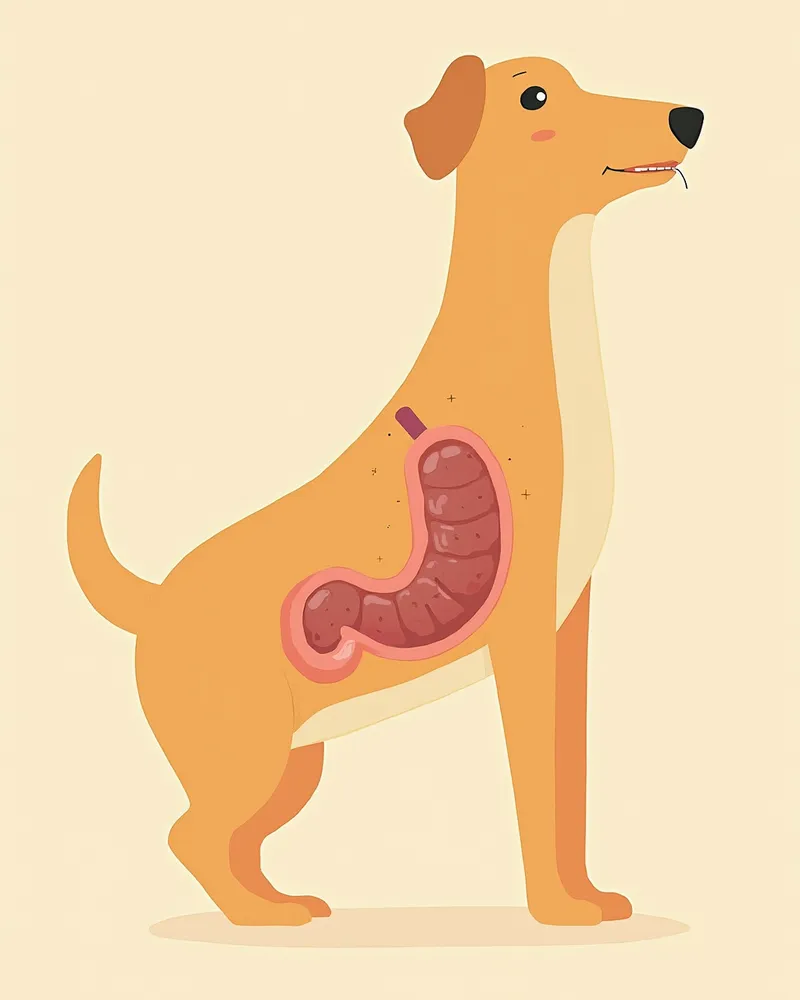
Praziquantel has a wide safety margin, but it is not universally safe. It should only be used under veterinary guidance in puppies under four weeks of age, kittens under six weeks of age, pregnant or lactating mothers, and pets with liver disease. Injections may rarely cause pain or local reactions, so oral formulations are generally preferred. When combining praziquantel with other dewormers or heartworm preventatives, always check for overlapping active ingredients.
Possible Side Effects After Administration

How Does It Differ from Other Dewormers?
Caution Regarding Zoonotic Infections
Echinococcus tapeworms are zoonotic parasites that can also infect humans. Regular deworming is especially important for dogs living in areas with abundant wildlife, or those that hunt or consume raw meat, as well as for cats that roam outdoors. After deworming, we recommend promptly cleaning up your pet’s feces for the next 48 hours and wearing gloves while doing so. Extra caution is advised in households with young children or immunocompromised family members.
Reviewed by a veterinarian

Dr. Tony — Punnawat Phongkittirak
VeterinarianA veterinarian who majored in veterinary medicine at Khon Kaen University, Thailand, and completed the IVSA program at North Carolina State University in the United States. Drawing on clinical experience at animal hospitals, he works in the pet healthcare field and is dedicated to building a digital care environment that connects pet parents with veterinarians.
Reviewed 2026-04-26
Frequently Asked Questions
How often should I administer praziquantel?
Is it safe to give this on an empty stomach?
After deworming, I noticed white fragments in my pet’s stool. Is this normal?
Can I use this on pregnant dogs or cats?
Will it still be effective if I mix it with my pet’s food?
Share
Related Guides

Top 5 Medicated Dog Shampoos — For Pyoderma and Bacterial Infections

Veterinarian-Recommended Top 5 Medicated Shampoos for Canine Yeast Dermatitis — Relieves Itching and Greasiness

Top 5 Medicated Cat Shampoos Recommended by Veterinarians — Fungal Dermatitis and Fungal Care

What is hepatic encephalopathy in dogs? — Confusion, stumbling, emergency signs and response

My Dog Has a Liver Cyst — Is It Dangerous? Prognosis & Treatment Q&A
My Cat Keeps Vomiting — Is It a Warning Sign of Cholecystitis? Q&A on Abdominal Pain and Vomiting Management

Can You Administer Subcutaneous Fluids to Your Dog at Home? — Methods, Dosage, and Precautions Q&A

Can Cats with Poor Kidney Function Take Omega-3? — A Complete Guide to Effects and Feeding Precautions

My Cat Suddenly Has No Energy — Hypokalemia and the Kidneys, Is This Normal?

How to Measure Your Dog’s Resting Respiratory Rate — How to Catch Early Signs of Heart Disease at Home
References
[1] Plumb's Veterinary Drug Handbook, 10th Edition, Praziquantel Monograph
[2] Blackwell's Five-Minute Veterinary Consult Clinical Companion: Small Animal Toxicology, 3rd Edition, Anthelmintics Appendix
[3] The Cat, Clinical Medicine and Management, 2nd Edition, Gastrointestinal Parasites (Table 26.15)
[4] Clinical Medicine of the Dog and Cat, 4th Edition, Intestinal Helminths Chapter