

Canine Amyloid Nephropathy FAQ — Key Information Every Pet Owner Should Know
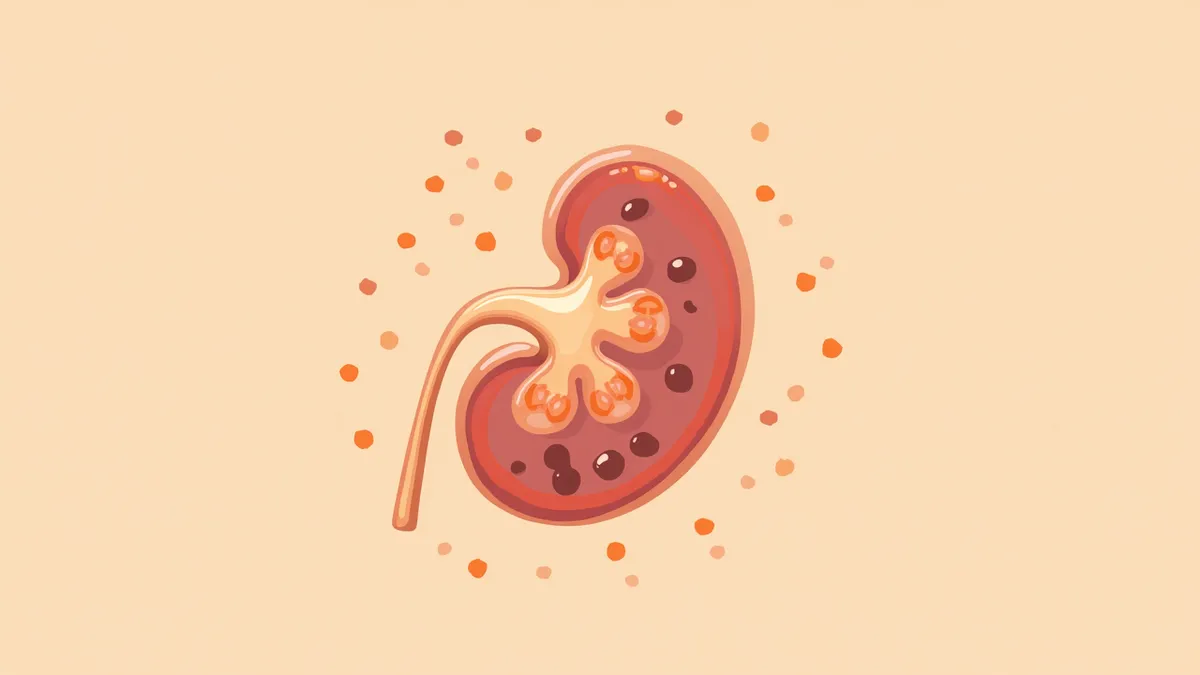
Canine amyloid nephropathy is a degenerative kidney disease with a strong genetic component, and early detection is key to effective treatment. We’ve compiled the essential information every pet owner should know in a Q&A format.
What is canine amyloid nephropathy?
What are the main causes of this condition?

What are the main symptoms?

Signs requiring immediate veterinary attention
If your dog suddenly loses its appetite, vomits repeatedly, produces very little urine, or breathes rapidly, take it to the vet immediately. These signs indicate a sudden decline in kidney function and require emergency treatment.
How is it diagnosed?

What are the treatment options?

How can it be managed at home?

Certain breeds require extra caution
Amyloid nephropathy is a condition linked to genetic defects, and it is more commonly reported in certain breeds with a genetic predisposition. If you have a dog from one of these breeds, it’s a good idea to monitor for protein in the urine and kidney function through regular urinalysis and renal function tests starting at a relatively young age. However, which breeds are at higher risk and when to begin screening can vary depending on the breed and family history, so it’s safest to consult your veterinarian to develop an individualized screening plan.
Reviewed by a veterinarian

Dr. Tony — Punnawat Phongkittirak
VeterinarianA veterinarian who majored in veterinary medicine at Khon Kaen University, Thailand, and completed the IVSA program at North Carolina State University in the United States. Drawing on clinical experience at animal hospitals, he works in the pet healthcare field and is dedicated to building a digital care environment that connects pet parents with veterinarians.
Reviewed 2026-06-29
Frequently Asked Questions
Is amyloid nephropathy in dogs hereditary?
Is this condition curable?
How should I manage my pet’s diet?
Can it be prevented?
What is the difference between amyloid nephropathy and other kidney diseases?
Stage-by-stage comparison of symptoms of amyloid nephropathy
| Item | Mild | Moderate | Severe |
|---|---|---|---|
| Urine changes | Mild proteinuria | Persistent proteinuria | Worsening proteinuria, decreased urine output (oliguria) |
| Appetite and weight | Slight decrease | Persistent decrease | Eats almost nothing |
| Overall condition | Slight fatigue | Vomiting, loss of appetite | Changes in breathing, lethargy |
| Blood test results | Normal or borderline kidney values | Mild abnormalities | Severe functional decline (azotemia) |
Early detection is important because treatment becomes more difficult as symptoms worsen.
Share
Related Guides

Top 5 Prescription Diets for Feline FLUTD — Comparison by Struvite and Calcium Oxalate Stones

Top 7 Prescription Diets for Feline Bladder and Urinary Tract Health Recommended by Veterinarians — Including Selection Criteria

Top 5 Cranberry Urinary Supplements for Dogs — Preventing Cystitis

The Complete Guide to the Low-Dose Dexamethasone Suppression Test (LDDST)

ACTH Stimulation Test (Cushing’s Diagnosis)

Lobectomy Procedure and Recovery

What Is Canine Enucleation? — From Surgical Procedure to Recovery Care

Helicobacter Infection in Cats: From Symptoms to Treatment

Care Guide for FeLV-Positive Cats

Will Bird and Fish Videos Work for Cats? Environmental Enrichment or Stress?
References
[1] de Morais, H.S., DiBartola, S.P., and Chew, D.J. (1996). Juvenile renal disease in golden retrievers: 12 cases (1984–1994). J. Am. Vet. Med. Assoc. 209: 792–797.
[2] Mason, N.J. and Day, M.J. (1996). Renal amyloidosis in related English foxhounds. J. Small Anim. Pract. 37: 255–260.
[3] Cianciolo, R. (2019). Personal communication on familial renal amyloidosis in dogs. Unpublished data.