
Why Does a Dog’s Hunting Instinct Become Excessive? — How to Correct Chasing and Biting Behaviors
We’ve compiled a Q&A guide to help pet owners understand the causes, warning signs, and safe management strategies when a dog’s hunting instinct becomes excessive.
What Is Excessive Expression of a Dog’s Hunting Instinct?
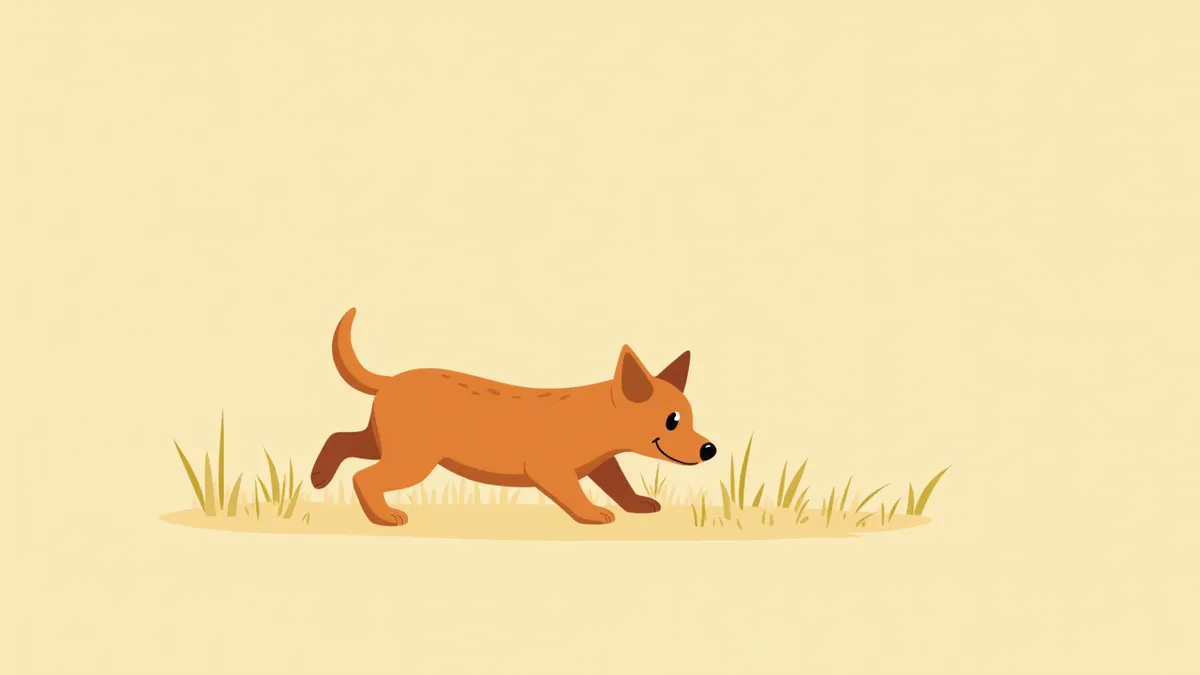
The Behavioral Sequence of Hunting Instinct Expression
Risk Levels and Recommended Responses by Hunting Instinct Stage
| Item | Representative Behavior | Risk Level | Recommended Response |
|---|---|---|---|
| Staring | Gaze and ears fixed, body rigid | Low | Redirection training |
| Stalking | Slow approach in a low posture | Medium | Practice eye-contact cue with the owner |
| Chasing | Charging at full speed | High | Leash control + concurrent professional training |
| Grab and shake | Repeated biting and violent shaking | Very high | Immediate consultation with a behavior specialist essential |
The higher the stage, the greater both the difficulty of correction and the level of danger.
Checklist for Warning Signs of Excessive Expression
Immediate Consultation with a Behavior Specialist Is Necessary in These Situations
If any of the following apply, attempting to correct the behavior on your own can be difficult and even dangerous. Be sure to work with a veterinary behaviorist or a certified professional trainer. • Has actually injured another animal • Has lunged at and knocked over a person (including a child) • Is so reactive that going outside without a leash is impossible • Repeatedly becomes fixated after making eye contact and cannot be redirected from any stimulus
Breeds with Strong Hunting Instincts and Major Causes
Three Management Strategies You Can Start at Home Right Away
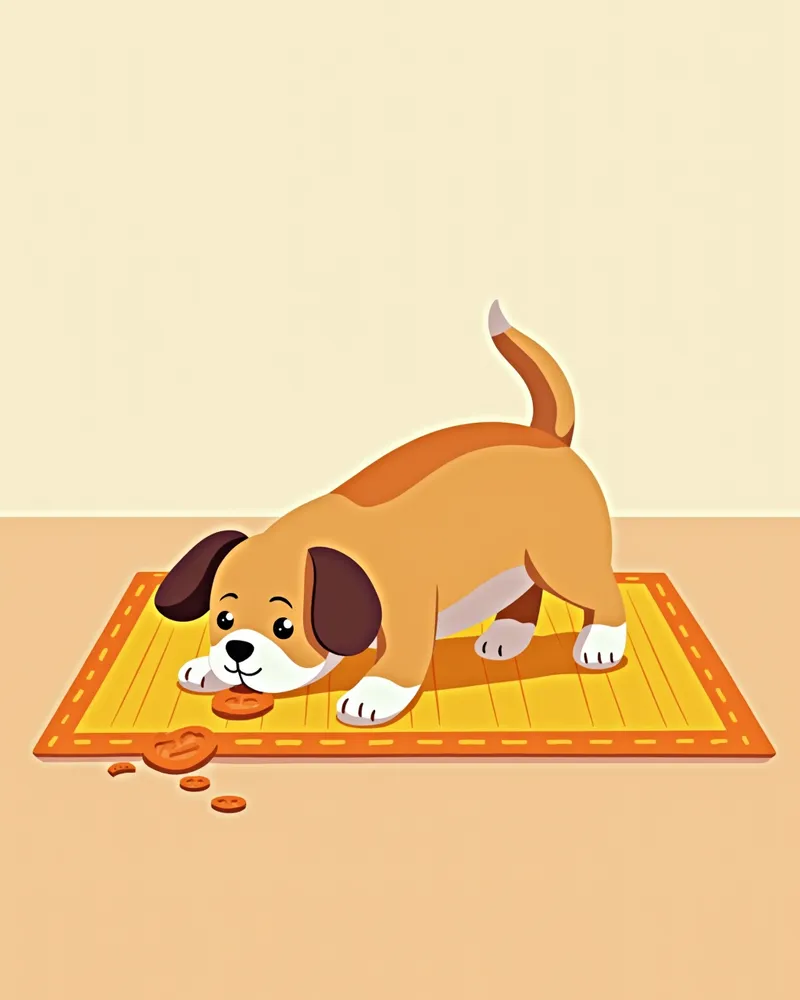
Two Core Techniques Used in Professional Training
Reviewed by a veterinarian

Dr. Tony — Punnawat Phongkittirak
VeterinarianA veterinarian who majored in veterinary medicine at Khon Kaen University, Thailand, and completed the IVSA program at North Carolina State University in the United States. Drawing on clinical experience at animal hospitals, he works in the pet healthcare field and is dedicated to building a digital care environment that connects pet parents with veterinarians.
Reviewed 2026-06-01
Frequently Asked Questions
Can dogs with a strong hunting instinct live with cats?
Can punishment suppress a dog's hunting instinct?
Can medication help control a pet’s hunting instinct?
My dog goes crazy and bolts toward any bicycle he sees during walks. What should I do?
Does neutering reduce a pet's hunting instinct?
Share
Related Guides

7 Behavioral Enrichment Strategies for Mental Stimulation Recommended by Veterinarians

Top 5 Calming Supplements for Dogs and Cats in 2026

L-Theanine Effects and Calming Support

Dog Heartworm Preventive Selection & Comparison FAQ — Key Points Every Pet Owner Must Know

Frequently Asked Questions About Your Puppy’s First Vet Visit — Key Essentials for Pet Owners

Dog External Parasite Prevention (Ticks & Fleas) FAQ — Key Information Every Pet Owner Should Know
Frequently Asked Questions on Early Detection of Health Issues in Dogs — Key Points Owners Must Know

Dog Dry vs Wet vs Raw Food Selection FAQ — Key Points Owners Must Know

Dog Dental Preventive Care FAQ — Key Points Every Pet Owner Should Know
Dog Water Intake Monitoring FAQ — Key Points Every Pet Owner Should Know
References
[2] Hewson, C.J., Luescher, U.A., and Ball, R.O. (1999). The use of chance-corrected agreement to diagnose canine compulsive disorder. Canadian Journal of Veterinary Research, 63(3), 201–206.
[3] Mertens, P.A., Torres, S., and Jessen, C. (2006). The effects of clomipramine hydrochloride in cats with psychogenic alopecia: a prospective study. Journal of the American Animal Hospital Association, 42(4), 336–343.
[4] Denerolle, P., White, S.D., Taylor, T.S., and Vandenabeele, S.I.J. (2007). Organic diseases mimicking acral lick dermatitis in six dogs. Journal of the American Animal Hospital Association, 43(4), 215–220.
[5] Introduction to Animal Behavior and Veterinary Behavioral Medicine. Chapters 15, 17 — Canine Separation Anxiety and Compulsive Behavioral Disorders.
[6] Veterinary Guide to Preventing Behavior Problems in Dogs and Cats. Chapter on Predatory Behavior and Reactivity Management.