

What Are ACE Inhibitors and ARBs for Dogs? — Kidney Protection: What You Need to Know
We’ve compiled essential information for pet owners about ACE inhibitors and ARBs, which play a key role in managing kidney disease in dogs. This guide answers practical questions about side effects, administration methods, and therapeutic effects.
What Is Kidney Protection with ACE Inhibitors and ARBs in Dogs?

Why Is Kidney Protection Medication Necessary?
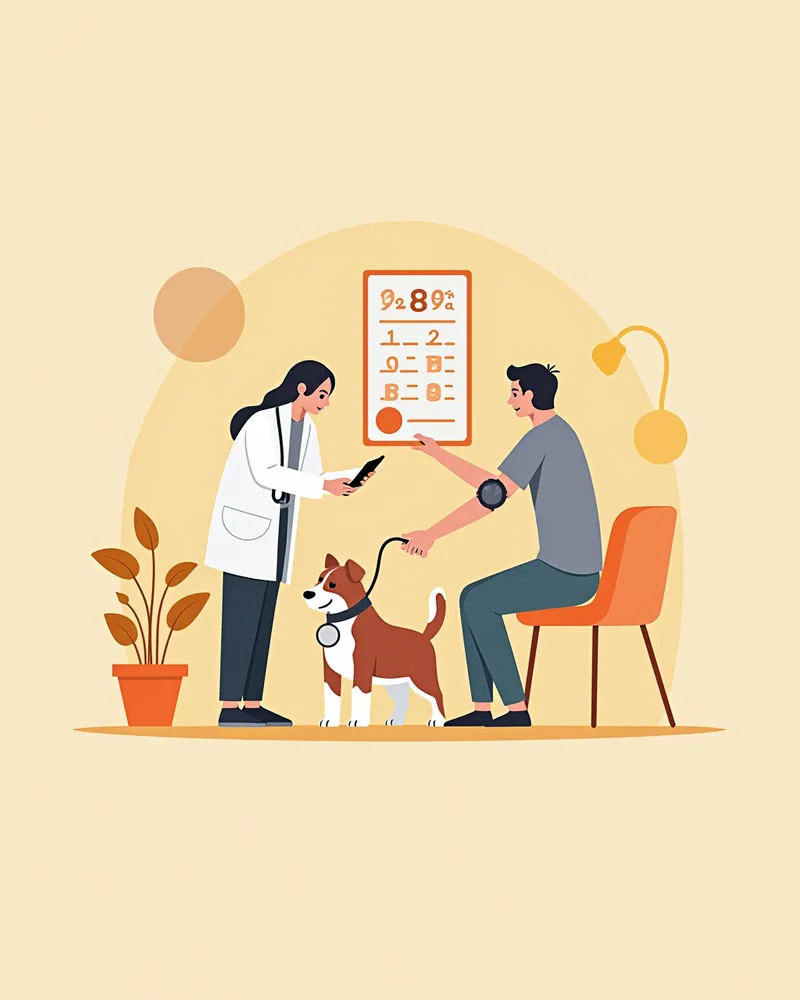
What Should You Watch Out for When Administering the Medication?
ACE Inhibitors vs. ARBs — Key Comparison
| Item | ACE Inhibitor | ARB |
|---|---|---|
| Mechanism of Action | Inhibits angiotensin-converting enzyme (ACE) to reduce the production of angiotensin II, a vasoconstrictor | Blocks angiotensin II from binding to type 1 receptors |
| Main Effects | Blood pressure reduction, proteinuria reduction | Blood pressure reduction, kidney protection |
| Side Effect Risk | Cough, hypotension | Hyperkalemia, hypotension |
| When Used | Early-stage kidney disease | Alternative when ACE inhibitors cause side effects |
According to veterinary textbooks, both drugs are effective for kidney protection, but side effects vary from individual to individual.
What to Do If Side Effects Occur

Signs Requiring Immediate Veterinary Visit
If your pet experiences severe vomiting, diarrhea, collapse, difficulty breathing, or a sudden decrease in urine output while taking the medication, seek veterinary care immediately. These could be signs of serious side effects from the drug. Early detection is especially important for hyperkalemia, as it can pose a risk to the heart.
What Are the Supportive Management Methods?
5 Frequently Asked Questions
Reviewed by a veterinarian

Dr. Tony — Punnawat Phongkittirak
VeterinarianA veterinarian who majored in veterinary medicine at Khon Kaen University, Thailand, and completed the IVSA program at North Carolina State University in the United States. Drawing on clinical experience at animal hospitals, he works in the pet healthcare field and is dedicated to building a digital care environment that connects pet parents with veterinarians.
Reviewed 2026-06-05
Frequently Asked Questions
What is the difference between ACE inhibitors and ARBs?
How often will my pet need check-ups while on medication?
My dog hates taking medicine. What should I do?
How should I feed my pet while they are taking medication?
I want to stop giving the medication. Is that possible?
Share
Related Guides

Top 5 Prescription Diets for Cats with Chronic Kidney Disease — Stage-Specific Protein Adjustment
7 Emergency Signs and Causes of Acute Kidney Failure in Dogs You Must Not Miss

Top 5 Cat Kidney Supplements Recommended for 2026
Why Get a Kidney Ultrasound for Your Dog? — When to Test and What It Reveals

Should You Feed Prescription Renal Diets to Dogs? — Effects and Feeding Guidelines

What Are Kidney Tumors in Dogs? — How to Spot Early Symptoms

Is Even One Grape Dangerous for Dogs? — Q&A on Raisin Poisoning Symptoms and Emergency Response
Early Screening for Kidney Function in Dogs (SDMA) — Why It’s Needed and When to Get It

Is Your Dog’s Dehydration a Risk to the Kidneys? — Signs You Must Not Miss

Is EPO Deficiency the Cause of Anemia in Dogs with CKD? — From Symptoms to EPO Treatment
References
[1] Catherine E. Langston et al. (2023) Small Animal Critical Care Medicine, 3rd Edition. Elsevier.
[2] The Cat, Clinical Medicine and Management, 2nd Edition (2022). Wiley-Blackwell.
[3] Plumb's Veterinary Drug Handbook, 9th Edition (2021). Wiley.