
Like
Share
멍실장
고양이 종양 예후 및 생존 기간 자주 묻는 질문 Q&A — 보호자가 꼭 알아야 할 핵심

Feline Tumor Prognosis and Survival Time FAQ — Key Information for Pet Owners

Oncology/CancerQ&AMeongsiljang Veterinary Advisory Board

The prognosis for feline tumors varies significantly depending on the type, stage, and treatment method. Early detection and appropriate treatment can greatly extend survival time.

The Key to Feline Tumor Prognosis and Survival Time is Early Detection

A veterinarian examining a cat using a stethoscope for a health checkup
The prognosis for feline tumors varies significantly depending on the tumor type, location, stage, histological grade, and treatment method. Early diagnosis and appropriate treatment can extend survival time. However, it is difficult to make a blanket statement that "surgery ensures survival for more than one year." For example, mammary tumors have a better prognosis when the tumor size is small, whereas colonic adenocarcinoma has been reported to have a relatively short median survival time even after complete surgical resection. Additionally, malignant tumors can metastasize to lymph nodes or other organs, and metastasis is a common factor that worsens the prognosis. Therefore, accurate diagnosis tailored to the tumor type, early detection, and regular check-ups with your veterinarian are most important.

Prognosis Varies Depending on Tumor Type

The prognosis for feline tumors varies significantly depending on the type of tumor. - Mammary tumors: Prognosis is determined by clinical stage, tumor size, histological grade, and the extent of surgical resection. Smaller tumors generally carry a better prognosis; studies report a median survival time of approximately two years for tumors 2–3 cm in diameter, whereas tumors exceeding 3 cm have a median survival time of about six months. However, the prognosis for most cases is considered guarded. - Lymphoma: This is a common tumor in cats. While cases may respond to chemotherapy, outcomes vary widely depending on the subtype and stage of the disease. - Colonic adenocarcinoma: The median survival time after complete surgical resection is reported to be approximately 138 days (range: 119–314 days). The prognosis worsens if metastasis is present. However, chemotherapy agents such as doxorubicin may extend survival time. - Pulmonary tumors: Early diagnosis is difficult, so these tumors are often detected at advanced stages. - Skin tumors: Many skin tumors, such as mast cell tumors, are benign and can often be cured with surgery. Superficial squamous cell carcinomas that are small also tend to have a good prognosis if treated early. Accurate histopathological examination to determine the nature and stage of the tumor is key to deciding the treatment plan.
A view of a veterinarian examining a cat’s tissue biopsy slide under a microscope.

5 Key Factors Affecting Survival Time
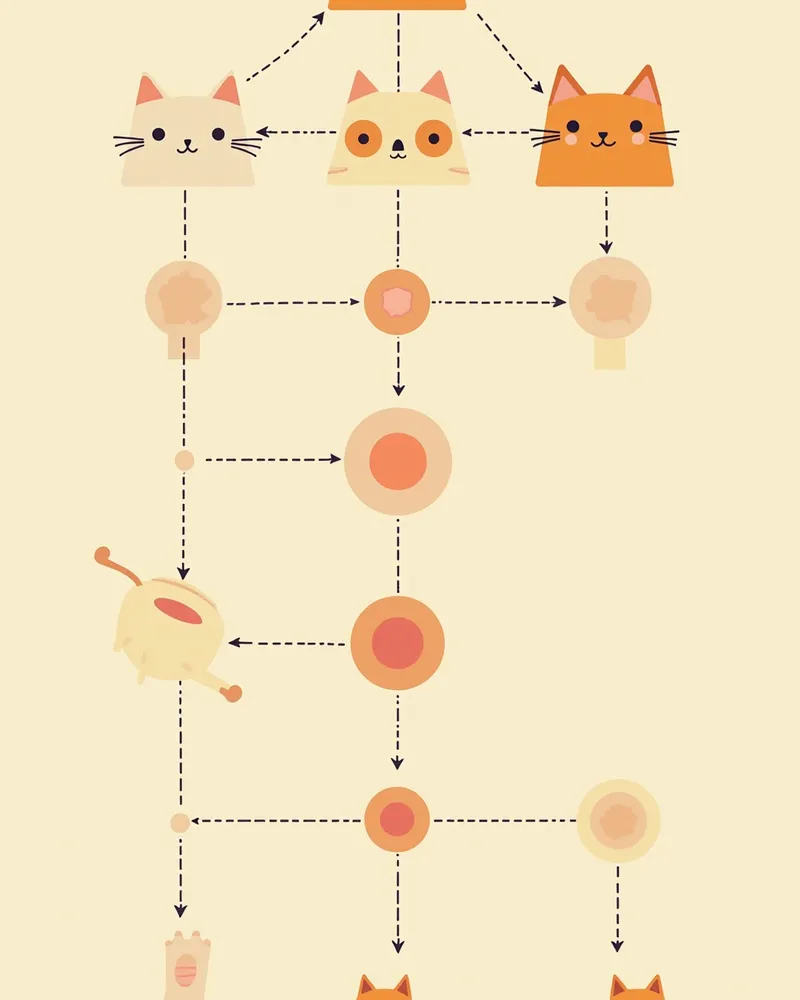
A cat’s survival time with a tumor depends on several factors. The most important are the stage of the tumor and whether it has spread. If the tumor can be completely removed by surgery, survival time tends to be longer, whereas spread to lymph nodes or other organs carries a poor prognosis. The type of tumor, the cat’s age and overall health, and how well it responds to treatment also play significant roles. Early diagnosis and a comprehensive treatment plan are key to determining survival time.
A flowchart summarizing five factors that influence the survival period of cats with tumors

Differences in Survival Time by Treatment Method

The treatment approach for feline tumors can significantly impact survival time. Complete surgical removal of the tumor may extend survival, though the extent of this benefit depends on the tumor type, size, and histological grade. Adjuvant chemotherapy following surgery can help reduce the risk of metastasis and prolong survival in certain tumors. For instance, chemotherapy agents such as doxorubicin have been reported to increase survival time in cases of colonic adenocarcinoma. However, the specific duration of survival extension varies by tumor type, and some tumors lack robust data from large-scale, well-controlled studies. Consider potential treatment side effects and your cat’s tolerance when working with your veterinarian to determine the optimal treatment strategy.
A cat receiving regular chemotherapy at a veterinary clinic.

Comparison of Survival Time by Tumor Stage

ItemMetastasis PresentPrognostic TendencyTreatability
Stage INone (localized)Relatively favorable; survival time tends to be longer with complete resectionHigh
Stage IIRegional lymph node possibleIntermediate; varies with tumor size and histologic gradeIntermediate
Stage IIIRegional metastasisGuarded; metastasis is a negative prognostic factorLow
Stage IVDistant metastasisPoor; survival time tends to be shorter with distant metastasisVery low

Staging is determined according to the TNM classification criteria. Survival time varies greatly depending on the tumor type, size, and histologic grade; for example, colonic adenocarcinoma has a reported median survival of about 138 days after complete resection, while mammary tumors are reported at about 6 months when larger than 3 cm and about 2 years when 2–3 cm. Metastasis (lymph node or distant) is a universally negative prognostic factor.

Early Detection Determines Survival Time

If your cat suddenly loses its appetite, loses weight, has difficulty breathing, or develops a distended abdomen, seek veterinary care immediately. These could be early warning signs of a tumor. Early diagnosis can extend survival time by months to years, making regular health check-ups essential.

5 Tumor Warning Signs Pet Owners Must Check

Don’t miss the warning signs that your cat may have a tumor. - Weight loss: Rapid weight loss despite a normal appetite. - Loss of appetite: A sudden decrease in food intake or refusal to eat. - Difficulty breathing: Rapid breathing or frequent dry coughing. - Abdominal distension: A swollen or firm abdomen. - Skin lesions: Lumps or ulcers on the skin require immediate veterinary examination.
A cat with a distended abdomen and a veterinarian examining it by gently palpating the area with their hands.

High Risk of Recurrence After Surgery

Even after surgical removal of a tumor, cats remain at risk of recurrence. This is especially true when the excision was incomplete or when dealing with malignant tumors, which have a higher reported rate of local recurrence. For example, local recurrence has been documented in cases of feline injection-site sarcoma even after complete surgical removal, with studies indicating a significant recurrence rate depending on the tumor type and the extent of the excision. Therefore, regular follow-up examinations are essential. Please ensure your cat undergoes all recommended tests, such as blood work, ultrasound, and X-rays, as advised by your veterinarian.

Reviewed by a veterinarian

Dr. Tony — Punnawat Phongkittirak

Dr. Tony — Punnawat Phongkittirak

Veterinarian

A veterinarian who majored in veterinary medicine at Khon Kaen University, Thailand, and completed the IVSA program at North Carolina State University in the United States. Drawing on clinical experience at animal hospitals, he works in the pet healthcare field and is dedicated to building a digital care environment that connects pet parents with veterinarians.

Frequently Asked Questions

What is the average survival time for cats with tumors?
Prognosis varies significantly depending on the tumor type, size, and stage. For mammary tumors, smaller sizes correlate with better outcomes; tumors measuring 2–3 cm have a reported median survival time of approximately two years, whereas those larger than 3 cm have a median survival time of about six months. In contrast, the median survival time for colon adenocarcinoma after complete surgical resection is approximately 138 days. The presence of metastasis tends to shorten survival time, so it is more accurate to understand prognosis based on specific tumor types rather than relying on a single average figure.
Is it possible to treat tumors without surgery?
It is possible in certain cases. For elderly cats that are poor surgical candidates or those with widespread metastasis, chemotherapy or radiation therapy can help alleviate symptoms and extend their lifespan.
Does a tumor always require surgery?
Not all tumors require surgery. In cases of benign tumors or when the tumor’s location poses surgical risks, observation or medication may be more appropriate. Your veterinarian will make a comprehensive assessment to determine the best course of action.
What should I be careful about during my cat's tumor treatment?
Closely monitor your pet’s appetite, activity level, bowel movements, and any changes in weight. If you notice any side effects from treatment—such as vomiting, diarrhea, or lethargy—contact your veterinarian right away.
What should I do if the tumor comes back?
Even if the condition recurs, there are still treatment options available. Chemotherapy, radiation therapy, or new surgical approaches may be considered, and it's important to work closely with your veterinarian to develop the best treatment plan for your pet.

Share

Related Guides

References

[1] The Cat, Clinical Medicine and Management, 2nd Edition, 2023

[2] Veterinary Surgical Oncology, 2nd Edition, 2021

[3] Clinical Medicine of the Dog and Cat, 4th Edition, 2022

This information is based on veterinary literature and does not replace diagnosis or treatment. Please consult a veterinarian for specific health concerns.

Metapet Co., Ltd. | CEO: Park Sung-yong | Business Reg. No. 417-88-02562 | Seoul, South Korea | Customer Center

Cat Tumor Prognosis and Life Expectancy: 5 Key Facts for Pet Owners | Meongsiljang