Like
Share
멍실장
고양이 요비중으로 신장 기능 평가 자주 묻는 질문 Q&A — 보호자가 꼭 알아야 할 핵심

What is feline urine specific gravity? — How to read kidney function

KidneyQ&AMeongsiljang Veterinary Advisory Board

Feline urine specific gravity is the most fundamental and important test for evaluating kidney function. We’ve compiled the key questions and answers that every pet owner should know.

Evaluating kidney function with feline urine specific gravity

A veterinarian is examining a cat's urine using a refractometer.
A urine specific gravity test is a key diagnostic tool that evaluates whether the kidneys can properly concentrate urine. This test provides a numerical value for urine concentration, offering an indirect assessment of kidney function. Cats are naturally adept at concentrating their urine, so healthy cats typically maintain high specific gravity levels. - Urine Specific Gravity: Cats usually concentrate urine well, with values above 1.035. According to IRIS guidelines, a range of 1.035 to 1.060 indicates normal concentrating ability. - Hyposthenuria: A value below 1.035 may suggest insufficient concentrating ability, while a value below 1.008 indicates that the urine is actively being diluted. - Kidney Function Assessment: Urine specific gravity plays an important role in the early detection of chronic kidney disease. It is frequently used in routine check-ups alongside other tests rather than as a standalone diagnostic.

Core purposes and significance of urine specific gravity testing
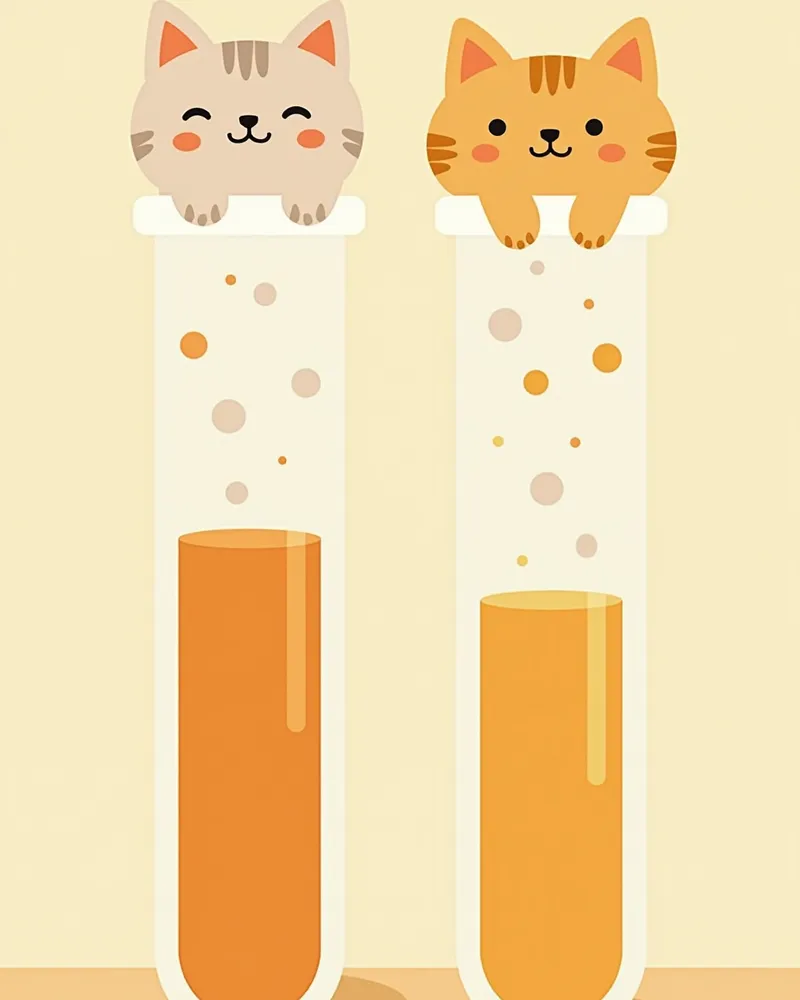
Urine specific gravity testing is a fundamental tool for evaluating a cat’s ability to regulate water and electrolytes. - Assessing kidney function: Healthy kidneys concentrate urine, resulting in higher specific gravity. - Significance of low specific gravity: A low reading indicates that the kidneys are losing their concentrating ability. - Early warning: This can be an early sign of chronic kidney disease. - Importance of testing: Early detection significantly improves treatment outcomes. - Regular check-ups are essential: Routine urine specific gravity testing is especially important for senior cats.
Test tubes showing the differences in urine concentration in cats

Normal urine specific gravity range and signs of abnormality
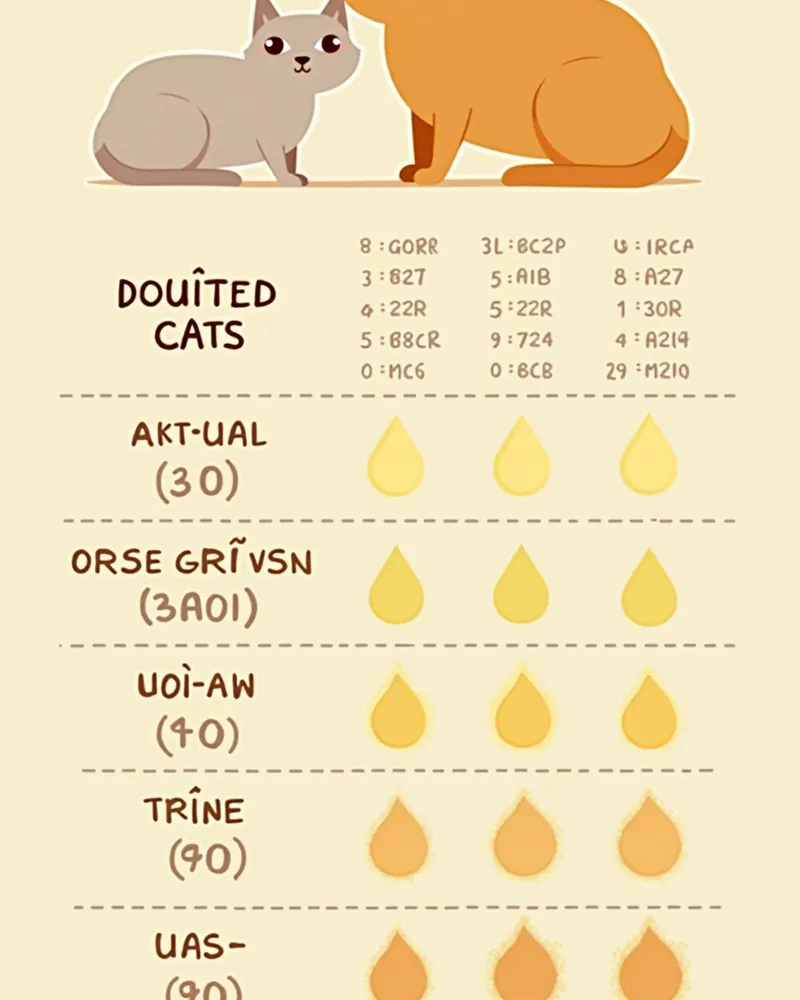
Cats are highly efficient at concentrating their urine, so the specific gravity of a healthy cat’s urine is typically 1.035 or higher. - Normal range: According to IRIS guidelines, a specific gravity between 1.035 and 1.060 indicates good concentrating ability. - Borderline range: A value between 1.013 and 1.034 is considered suboptimally concentrated for a cat and warrants further evaluation. - Isosthenuria: A specific gravity of 1.008 to 1.012 indicates isosthenuria, where the urine concentration matches that of glomerular filtrate. - Warning for hyposthenuria: A value below 1.008 indicates actively diluted urine, signaling impaired renal concentrating function. - Need for multiple tests: Rather than relying on this single metric, accurate assessment requires combining these results with blood tests and other diagnostics.
A chart showing the normal range for feline urinary specific gravity

Meaning of urine specific gravity values and how to respond

ItemMeaningRecommended Action
1.035 or higherWell-concentrated normal urine by feline standardsConcentrating function is good; maintain regular checkups (check for accompanying dehydration with very high values)
1.013–1.034Suboptimal concentration by feline standardsSuspected decline in concentrating ability; further testing needed
1.008–1.012Isosthenuria (same concentration as glomerular filtrate)Suspected decline in kidney concentrating function; perform blood tests as well
Below 1.008Hyposthenuria; urine is actively dilutedPossible loss of concentrating function; visit the clinic immediately

Urine specific gravity should not be evaluated as a single criterion, but comprehensively together with symptoms, weight changes, and blood tests.

Main causes of low urine specific gravity
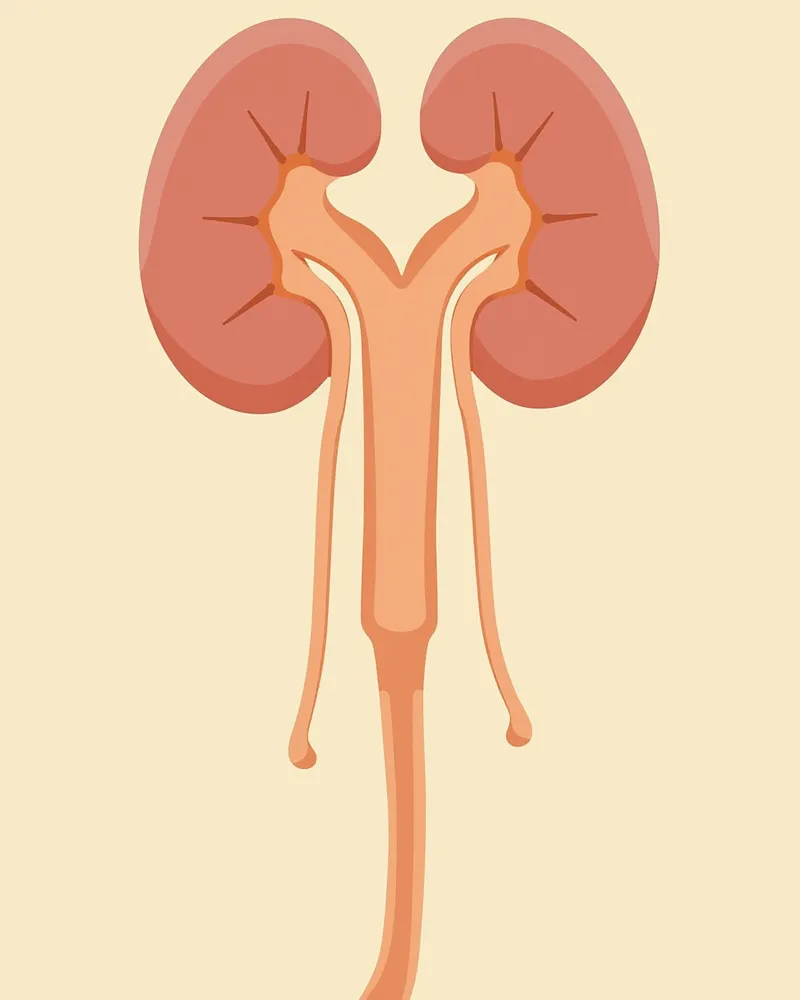
There are various reasons why a cat’s urine specific gravity may decrease, but the most clinically significant cause is chronic kidney disease. - Chronic Kidney Disease (CKD): Kidney damage impairs the ability to concentrate urine, leading to increased thirst and urination. - Urinary Tract Infections, such as Pyelonephritis: Damage to the renal parenchyma can affect the kidney’s concentrating ability. - Excessive Water Intake (Polydipsia): This can temporarily dilute the urine, resulting in a lower specific gravity. - Fluid Therapy and Diuretic Medications: These treatments can dilute the urine, so it’s important to consider the timing of the test. - Comprehensive Evaluation Needed: Since urine specific gravity alone is not enough to determine the cause, blood and urine tests should be performed together for accurate diagnosis.
A condition in which the concentrating ability of the renal tubules is impaired.

Signs that require an immediate veterinary visit

If your pet’s urine specific gravity remains below 1.008, or if they show a loss of appetite, vomiting, weight loss, frequent urination, or excessive urination, please visit a veterinary clinic immediately. These signs may indicate that chronic kidney disease is progressing. Starting appropriate management early, such as dietary adjustments, can significantly improve both life expectancy and quality of life.

Tests performed alongside urine specific gravity testing at the clinic

In addition to urine specific gravity testing, several other tests are performed together. - Blood tests: Creatinine and BUN levels are used to assess the severity of kidney function. - Urine protein test: Helps determine whether kidney damage is present. - Kidney ultrasound: Useful for identifying structural abnormalities. - Comprehensive test panel: Since a single test is often insufficient to pinpoint the exact cause, a holistic evaluation is conducted. - Accurate diagnosis: Treatment plans are developed by integrating the results from various tests.
The veterinarian is simultaneously conducting blood and urine tests on the cat.

Daily care tips for cats with low urine specific gravity
For cats with low urine specific gravity, increasing water intake is the most important step. - Water supply: Always provide fresh water, and offering canned (wet) food can help cats that don’t drink enough. - Meal logs: Keep a diary-like record of food and water intake to help during vet visits. - Environment management: Provide a quiet space and keep the litter box clean to reduce stress. - Regular follow-up tests: Work with your vet to set a testing schedule based on your cat’s health, and regularly monitor urine specific gravity and blood work. - Fluid and dietary counseling: Some cats with CKD may need subcutaneous fluids, so always consult your vet before adjusting medications or diet.
A cat drinking water from a spray bottle

Reviewed by a veterinarian

Dr. Tony — Punnawat Phongkittirak

Dr. Tony — Punnawat Phongkittirak

Veterinarian

A veterinarian who majored in veterinary medicine at Khon Kaen University, Thailand, and completed the IVSA program at North Carolina State University in the United States. Drawing on clinical experience at animal hospitals, he works in the pet healthcare field and is dedicated to building a digital care environment that connects pet parents with veterinarians.

Frequently asked questions

When should a urine specific gravity test be performed?
For senior cats or those with chronic conditions, it’s a good idea to include a urine specific gravity test during regular check-ups. The exact frequency of testing should be determined in consultation with your veterinarian, based on your cat’s individual health status.
Is it okay if there are no symptoms even though the specific gravity is low?
No. While there may be no symptoms in the early stages, kidney function could already be impaired. Cats naturally concentrate their urine to a specific gravity of 1.035 or higher, so it’s important to detect and manage any values below this threshold early on.
What kind of food is good for cats with low urine specific gravity?
For cats with chronic kidney disease, dietary management can help improve both survival and quality of life. Consult your veterinarian to choose a renal prescription diet formulated with controlled levels of phosphorus and other key nutrients.
Can urine specific gravity tests be done at home?
Accurate measurement requires a refractometer. Since veterinarians typically perform this test at animal hospitals, it’s more accurate to have it done at the clinic rather than attempting it at home.
Can low urine specific gravity be treated?
It depends on the underlying cause. While chronic kidney disease is difficult to cure, appropriate treatment and management—such as dietary adjustments—can help extend your pet’s lifespan and improve their quality of life.

Share

Related Guides

References

[1] Langston, C.E. et al. (2023) Small Animal Critical Care Medicine, 3rd Edition. Elsevier.

[2] The Cat, Clinical Medicine and Management, 2nd Edition (2022). Wiley-Blackwell.

[3] The Veterinary Workbook of Small Animal Clinical Cases (2021). Mosby.

This information is based on veterinary literature and does not replace diagnosis or treatment. Please consult a veterinarian for specific health concerns.

Metapet Co., Ltd. | CEO: Park Sung-yong | Business Reg. No. 417-88-02562 | Seoul, South Korea | Customer Center

What Is Feline Urine Specific Gravity and How to Read Kidneys? | Meongsiljang