
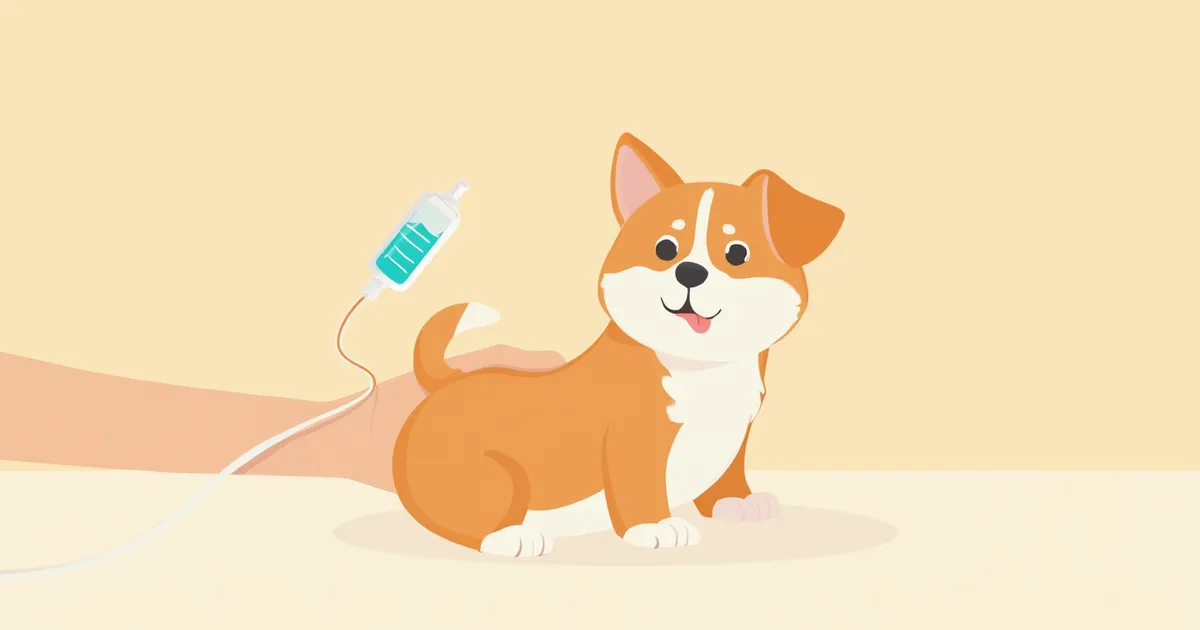
Home Subcutaneous Fluid Administration for Dogs — Home Care Under Veterinary Guidance
We’ve put together a step-by-step guide to safely administering subcutaneous fluids at home under veterinary guidance for dogs requiring them due to chronic kidney disease or other conditions. You can check all the essentials at once, including supplies, injection sites, dosage and frequency, and signs of side effects.
What Is Home Subcutaneous Fluid Administration for Dogs?
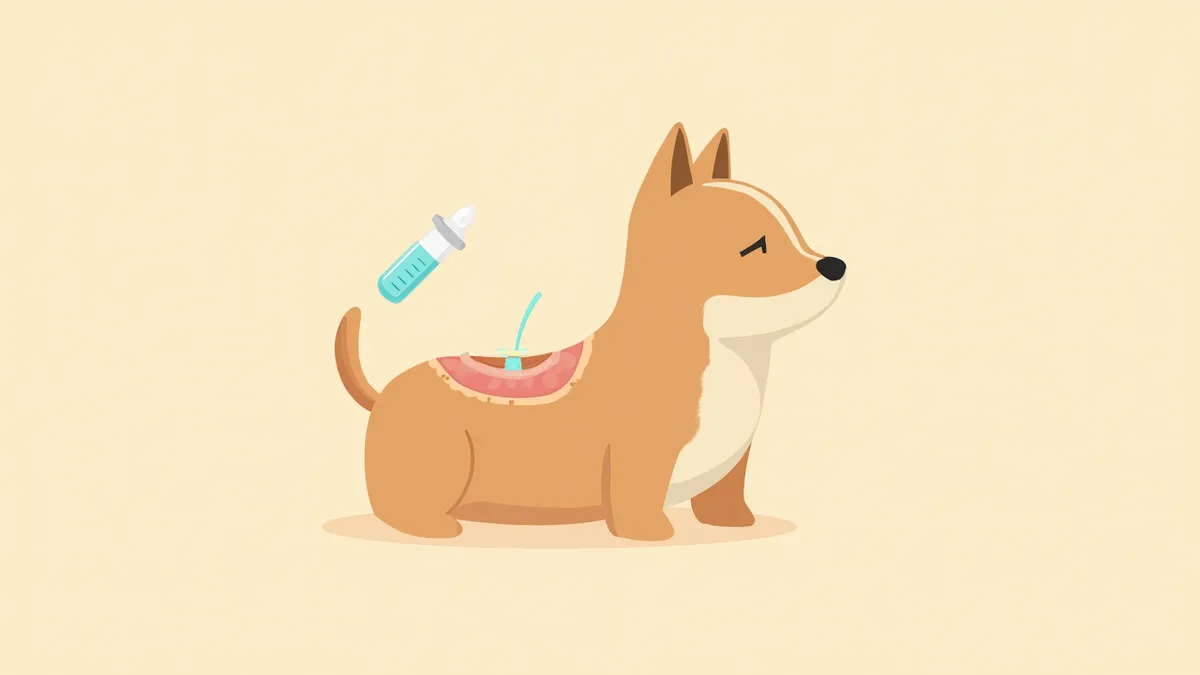
When Is Home Subcutaneous Fluid Therapy Needed?
Differences Between Intravenous (IV) and Subcutaneous (SC) Fluids
| Item | Intravenous fluids (IV) | Subcutaneous fluids (SC) |
|---|---|---|
| Administration setting | Hospital admission | Can be done at home |
| Absorption rate | Fast (immediate) | Slow (several hours) |
| Indications | Moderate–severe dehydration, shock | Mild dehydration, chronic supplementation |
| Pain/stress | Requires catheter placement | Relatively little |
| Owner burden | None | Administer directly 1–3 times a week |
| Cost | High cost including hospitalization | Only fluid and line costs |
The veterinarian determines the appropriate method based on your pet's condition. Do not change it arbitrarily.
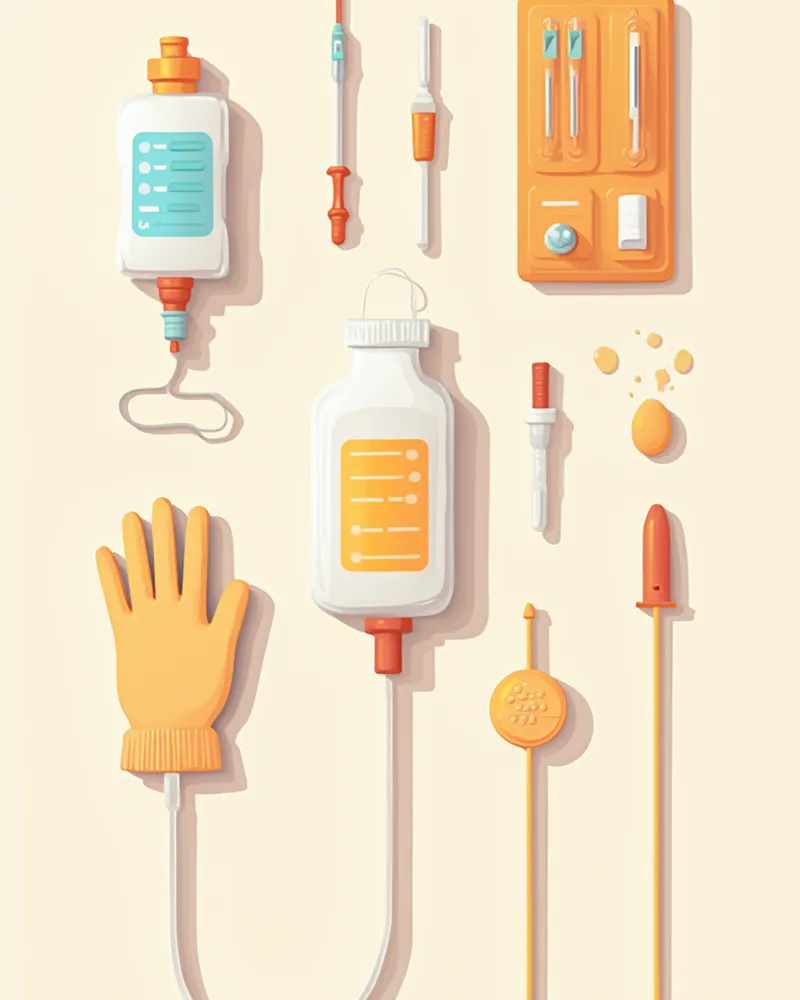
Preparation Checklist Before Home Administration
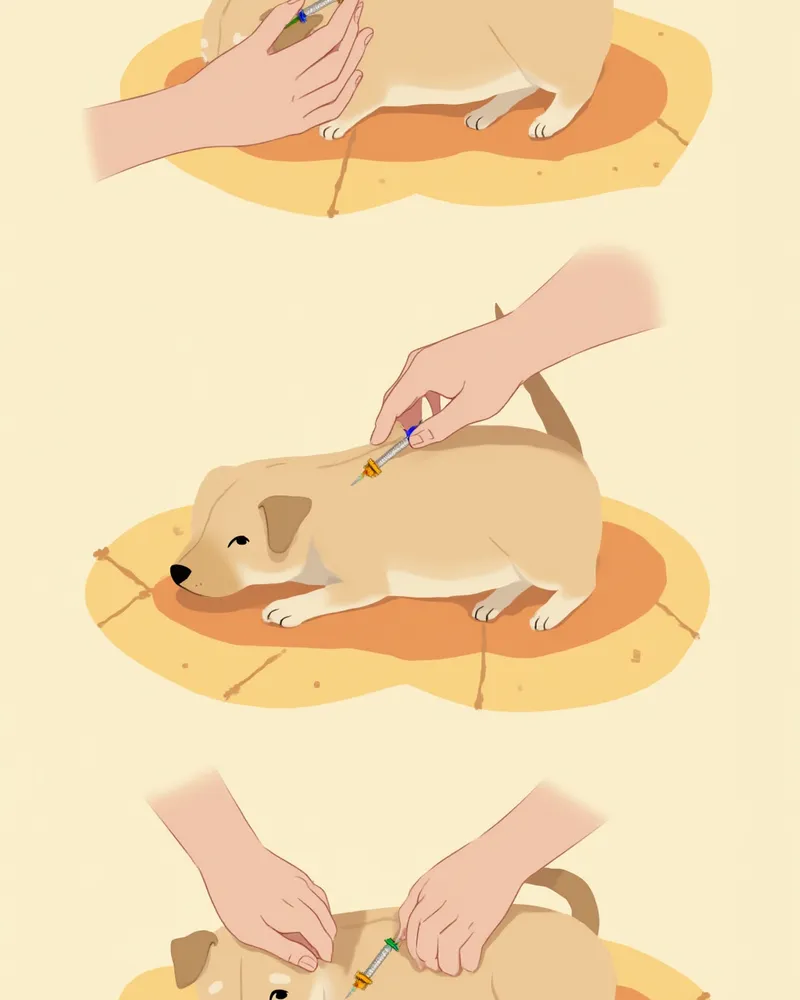
Step-by-Step Administration Method
Signs That Require Immediate Cessation During Administration
If you notice any of the following symptoms, immediately clamp the line, remove the needle, and contact your veterinarian: - Rapid or labored breathing - Pale or bluish gums - Sudden collapse or altered consciousness - Repeated vomiting or coughing - Persistent bleeding or severe pain response at the injection site This is especially important for pets at risk of cardiac strain, such as senior dogs diagnosed with heart murmurs, who may experience respiratory distress due to chest pressure. If you observe any unusual signs, even once, be sure to consult your veterinarian before the next administration.
Dosage, Frequency, and Temperature — Commonly Confused Points

Storage and Hygiene Management
Proper management of IV fluids and lines is crucial for effective treatment. - Opened IV fluids: Typically used within 24–48 hours; follow your veterinarian’s instructions for disposal timing. - IV lines: Usually replaced every 1–2 weeks (replace immediately if contaminated). - Needles: Always single-use; dispose of in a medical waste container after use. - Storage temperature: Store at room temperature, away from direct sunlight (unless your veterinarian specifically instructs refrigeration). Be careful not to touch the IV bag port or line connections. Contact with hands can introduce bacteria, potentially leading to subcutaneous abscesses.
Regular Follow-Up Tests Are Essential
Reviewed by a veterinarian

Dr. Tony — Punnawat Phongkittirak
VeterinarianA veterinarian who majored in veterinary medicine at Khon Kaen University, Thailand, and completed the IVSA program at North Carolina State University in the United States. Drawing on clinical experience at animal hospitals, he works in the pet healthcare field and is dedicated to building a digital care environment that connects pet parents with veterinarians.
Reviewed 2026-05-05
Frequently Asked Questions
I’m nervous about trying subcutaneous fluids for the first time. Do I have to administer them myself?
The injection site is still swollen the next day. Is this normal?
Is it okay if the IV fluid is cold?
Can I buy and use IV fluids at a pet pharmacy without a veterinarian’s prescription?
My pet is squirming and resisting because they dislike the medication. What should I do?
Share
Related Guides

Top 5 Prescription Diets for Cats with Chronic Kidney Disease — Stage-Specific Protein Adjustment

7 Emergency Signs and Causes of Acute Kidney Failure in Dogs You Must Not Miss

Top 5 Cat Kidney Supplements Recommended for 2026

Kitten Growth Chart by Month: Average Weight and Height

Complete Guide to Puppy Monthly Height and Weight Development Charts
Doppler Blood Pressure Measurement Guide

Holter Monitor (24-Hour ECG)
How is nasal endoscopy performed?
The Ultimate Guide to Gastroscopy and Colonoscopy for Dogs and Cats: Procedure and Costs

The Complete Guide to Interpreting Thyroid Panels (T4, fT4, TSH)
References
[1] The Cat, Clinical Medicine and Management, 2nd Edition — Chapter on Fluid Therapy
[2] Small Animal Critical Care Medicine, 3rd Ed — Fluid Therapy
[3] Notes on Canine Internal Medicine, 4th Ed — Renal Disease Management
[4] BSAVA Manual of Canine Practice — Home Care Procedures