Like
Share
멍실장
고양이 간 보호제(SAMe·밀크시슬) 자주 묻는 질문 Q&A — 보호자가 꼭 알아야 할 핵심

Are Cat Liver Protectants (SAMe and Milk Thistle) Effective? When and How to Administer Them

Liver HealthQ&AMeongsiljang Veterinary Advisory Board

We’ve compiled the essential information every cat owner should know about the effectiveness, administration, and safety of SAMe and milk thistle, two popular liver protectants for cats.

What Are Cat Liver Protectants (SAMe and Milk Thistle)?
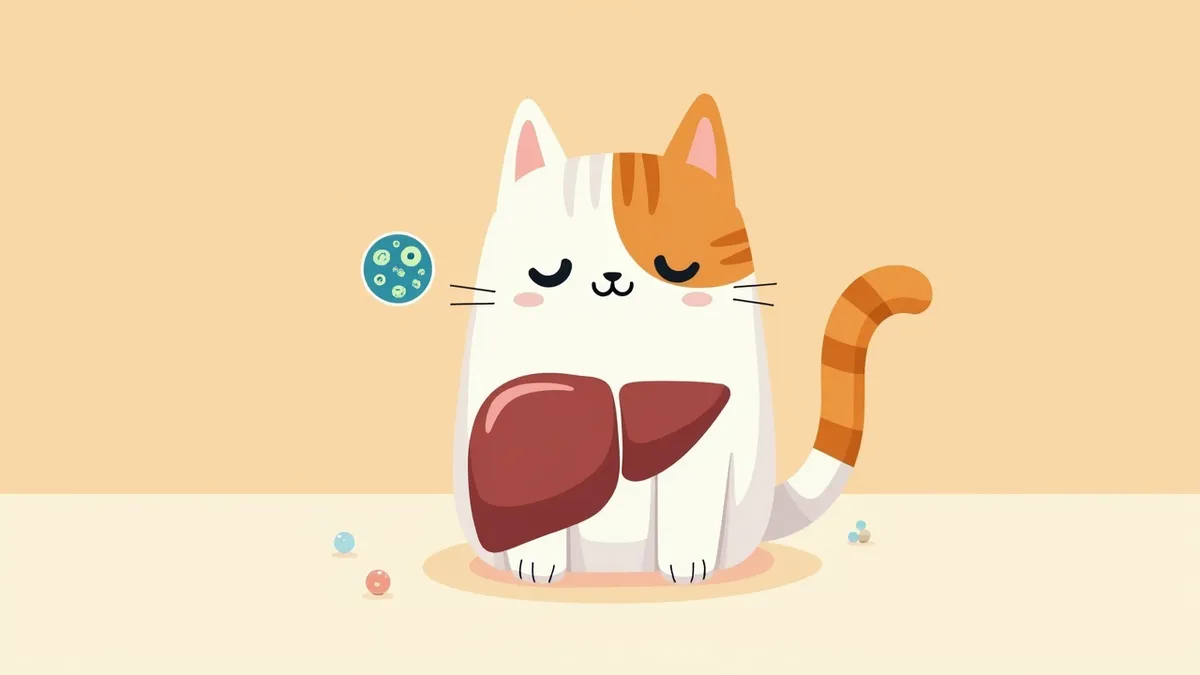
How a feline liver protectant safeguards liver cells
Feline liver protectants are supplements that help prevent liver cell damage and support functional recovery. SAMe (S-adenosylmethionine): As a precursor to glutathione, an antioxidant produced in the liver, SAMe helps reduce oxidative stress and stabilize cell membranes. Milk thistle (silymarin, with the active component silybin): This is used as a supportive ingredient to protect liver cells in cases of toxic, metabolic, or inflammatory liver disease. However, because silybin has low oral bioavailability, its absorption improves when formulated as a complex with phosphatidylcholine. These two ingredients are used as supportive aids for cats with chronic liver disease or those undergoing medication. Always follow your veterinarian’s instructions to ensure accurate dosing. Keep in mind that clinical evidence for their efficacy in treating liver disease remains limited, so they should be viewed as complementary therapies rather than standalone treatments.

Why Do Cats Need Liver Protectants?

Cats have very sensitive liver function, making them easily affected by medications, toxic foods, and stress. When the liver is damaged, its ability to eliminate toxins decreases, leading to various symptoms such as loss of appetite, fatigue, and jaundice. The need for liver protectants is especially high in senior cats or those with chronic diseases. Preventive supplementation plays an important role in slowing liver function decline and maintaining long-term health. It also helps reduce the burden on the liver during medication treatment. It is ideal to consult with a veterinarian and administer consistently.
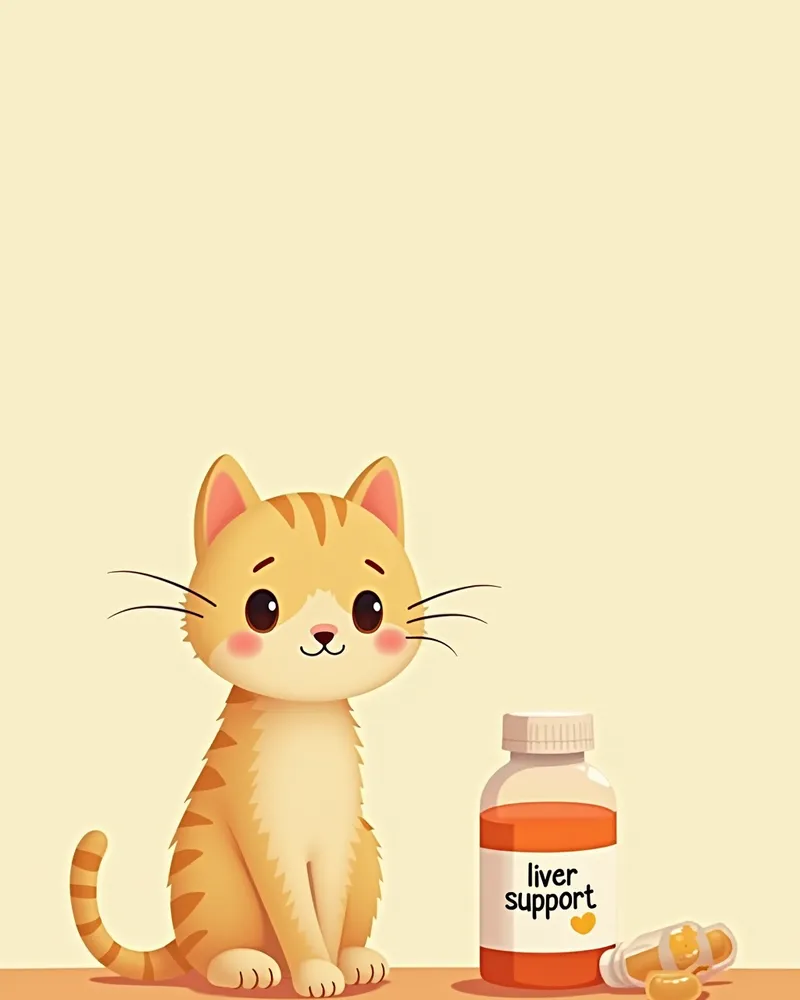
A cat taking a liver protectant.

What Are the Main Effects of SAMe and Milk Thistle?
SAMe (S-adenosylmethionine): As a precursor for glutathione synthesis in the liver, it plays a key role in protecting hepatocytes from oxidative damage by providing antioxidant effects and stabilizing cell membranes. Milk thistle (silymarin, active ingredient silybin): Used as a supportive agent to protect the liver in toxic, metabolic (fatty liver), and inflammatory liver diseases. Because silybin has low bioavailability, it is sometimes formulated as a phosphatidylcholine complex to enhance absorption. Combination products containing both ingredients (e.g., Denamarin) are common, making concurrent use standard practice. These supplements are particularly utilized for cats with fatty liver disease, inflammatory liver disease, or those undergoing medication. Always follow your veterinarian’s instructions to ensure accurate dosing. However, since clinical evidence supporting their efficacy remains limited, they are best used consistently as part of a supportive therapy regimen.
A comparison of SAMe and milk thistle supplements

When Should Cats Take Liver Protectants?
For cats with weakened liver function or a diagnosed liver disease, consistent administration under veterinary guidance is essential. It may also be used as a supportive supplement to reduce the burden on the liver during other drug therapies. Since dosage and timing vary by product and formulation, always follow your veterinarian’s instructions for the most accurate regimen. In particular, SAMe is often formulated as an enteric-coated tablet; crushing or breaking it can reduce its absorption (bioavailability), so it should be given whole. Stopping the medication or adjusting the dose without professional advice may diminish its effectiveness. Because the dosing schedule or amount may need to be adjusted based on changes in liver function, regular check-ups and open communication with your vet are crucial. Working together with your veterinarian is key to managing your cat’s liver health.
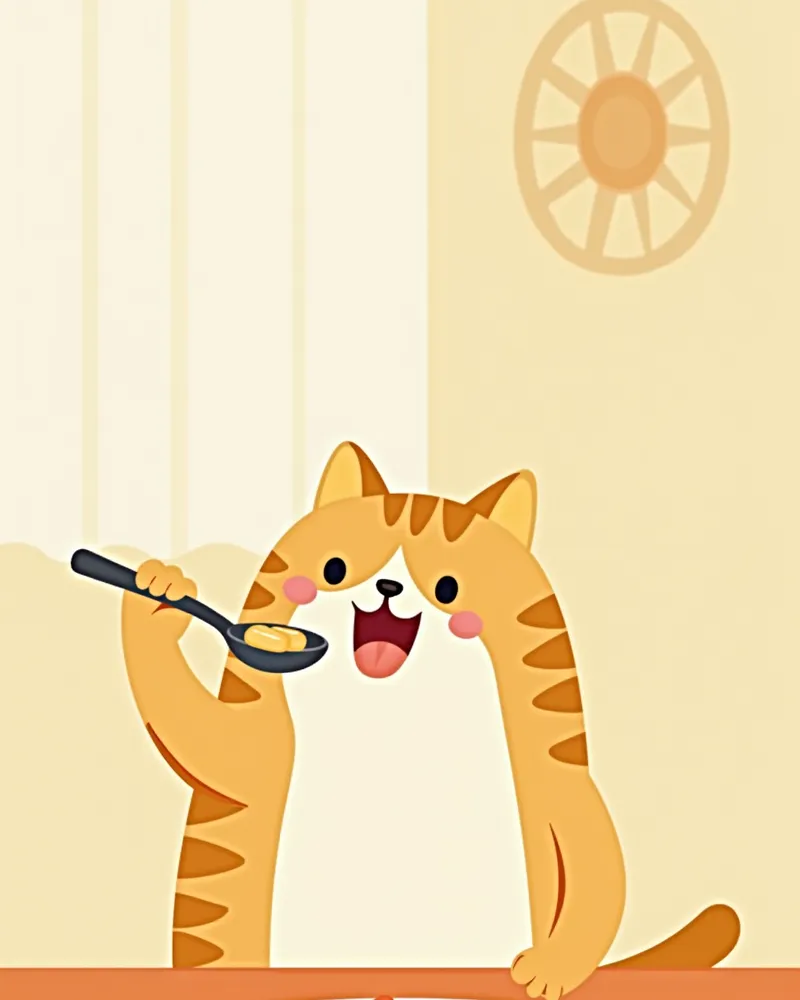
A cat taking a liver protectant in the morning

Caution: Consult a Veterinarian Before Use if Liver Function Is Severely Compromised

In cats with severely compromised liver function, liver protectants can actually place additional strain on the organ. It is essential for a veterinarian to evaluate the cat’s condition through liver function tests before administering any such supplements.

SAMe vs. Milk Thistle: Comparing Key Differences

ItemIngredientMain ActionTiming of AdministrationPotential Side Effects
SAMeS-adenosylmethioninePromotes synthesis of antioxidants such as glutathione and stabilizes cell membranesFollow veterinarian's instructions (do not crush enteric-coated tablets)Low level
Milk ThistleSilibinin (the active component of silymarin)Protects the liver in toxic, metabolic, and inflammatory liver diseasesFollow veterinarian's instructionsLow level

When taken together, the two ingredients have a strong complementary effect.

Tips for Administering Liver Protectants to Cats

For cats that have difficulty taking supplements, you can mix them with food to improve palatability. Combining the supplement with meat broth, fish pâté, or fish oil may encourage better acceptance. However, since crushing or breaking SAMe enteric-coated tablets reduces their absorption, it is best to administer them whole rather than grinding them into a powder to mix with food. If giving pills is challenging, consult your veterinarian about alternative formulations, such as palatable pellets. Administration methods and timing vary by product, so following your veterinarian’s instructions is the most accurate approach. Consistent, uninterrupted use is essential. Liver protectants are tools for long-term management, so the key is ongoing administration rather than expecting short-term effects. If any adverse reactions, such as vomiting or loss of appetite, occur after administration, contact your veterinarian immediately.
A cat eating a liver protectant mixed into its food

Caution: Overdosing Can Place a Burden on the Liver

Supplements should be given in the dosage recommended by your veterinarian. Overdosing can strain the liver and may actually impair its function.

Reviewed by a veterinarian

Dr. Tony — Punnawat Phongkittirak

Dr. Tony — Punnawat Phongkittirak

Veterinarian

A veterinarian who majored in veterinary medicine at Khon Kaen University, Thailand, and completed the IVSA program at North Carolina State University in the United States. Drawing on clinical experience at animal hospitals, he works in the pet healthcare field and is dedicated to building a digital care environment that connects pet parents with veterinarians.

Frequently Asked Questions

Should I give my cat a liver supplement every day?
Yes, it’s most effective when taken consistently as directed by your veterinarian. Since liver support supplements are intended for long-term management, it’s important to avoid missing doses.
Is it safe to take SAMe and milk thistle together?
Yes, the two ingredients complement each other, and combination products containing both (such as Denamarin) are commonly used together. However, it is best to consult your veterinarian for guidance on the correct dosage and product selection.
Will taking a liver protectant show immediate effects?
You shouldn’t expect immediate results. Liver protectants are long-term supportive supplements, so it’s important to administer them consistently over a set period while monitoring changes in liver values through regular check-ups. Since effectiveness and the required duration of use vary depending on the individual pet and the specific condition, please consult your veterinarian.
My cat won’t take its liver supplement. What should I do?
You can try mixing it into their food or switching to a pellet form designed for easier administration. However, since crushing SAMe enteric-coated tablets can reduce their absorption, it’s safest to follow your veterinarian’s recommendations for both the product and the dosing method.
Is it safe to take liver protectants alongside other medications?
While it’s generally safe to take with most medications, it’s best to have your veterinarian confirm compatibility for peace of mind. Be especially cautious when combining it with drugs that can stress the liver.

Share

Related Guides

References

[1] The Cat, Clinical Medicine and Management, 2nd Edition. 2023. Elsevier.

[2] Applied Veterinary Clinical Nutrition, 2nd Ed. 2021. Wiley-Blackwell.

[3] Small Animal Critical Care Medicine, 3rd Ed. 2022. Elsevier.

This information is based on veterinary literature and does not replace diagnosis or treatment. Please consult a veterinarian for specific health concerns.

Metapet Co., Ltd. | CEO: Park Sung-yong | Business Reg. No. 417-88-02562 | Seoul, South Korea | Customer Center

Cat Liver Protectants: Do SAMe & Milk Thistle Work? | Meongsiljang