Like
Share
멍실장
고양이 피하수액 — 가정 투여 절차와 빈도 가이드

Cat Subcutaneous Fluids — Home Administration Procedure and Frequency Guide

KidneyQ&AMeongsiljang Veterinary Advisory Board

Cats with chronic kidney disease may need to receive subcutaneous fluids at home. We’ve put together a guide covering needle placement, how to warm the fluids, recommended infusion rates and frequency, and emergency signs that indicate when to stop.

What Are Cat Subcutaneous Fluids?
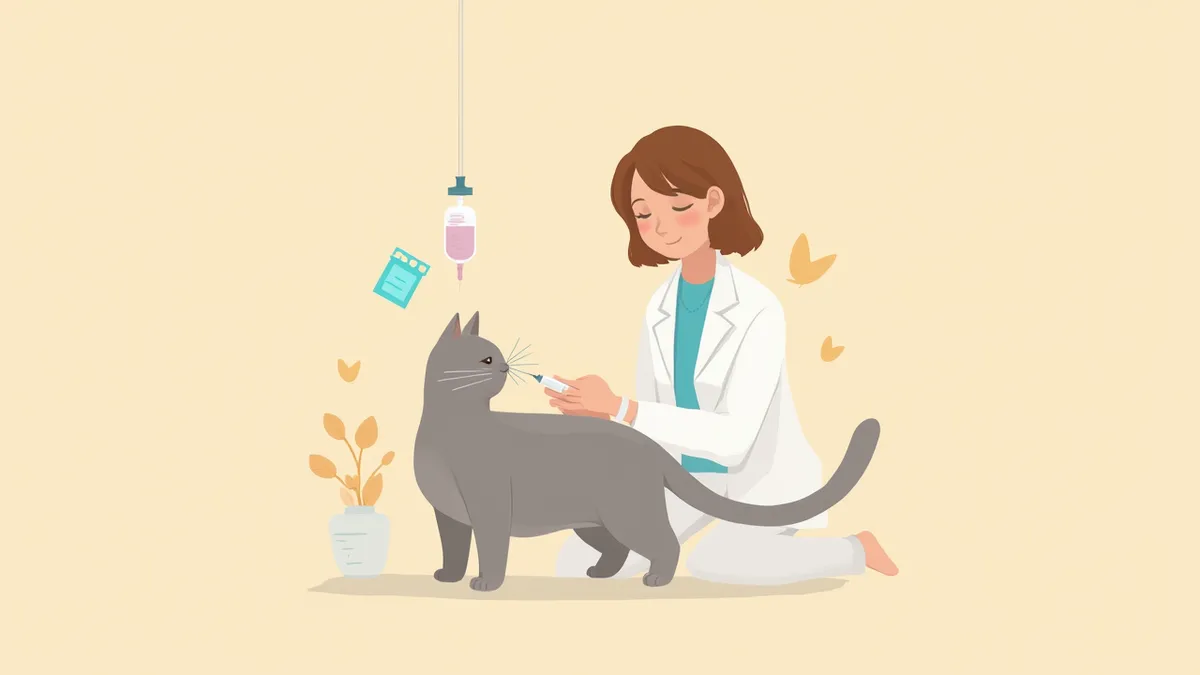
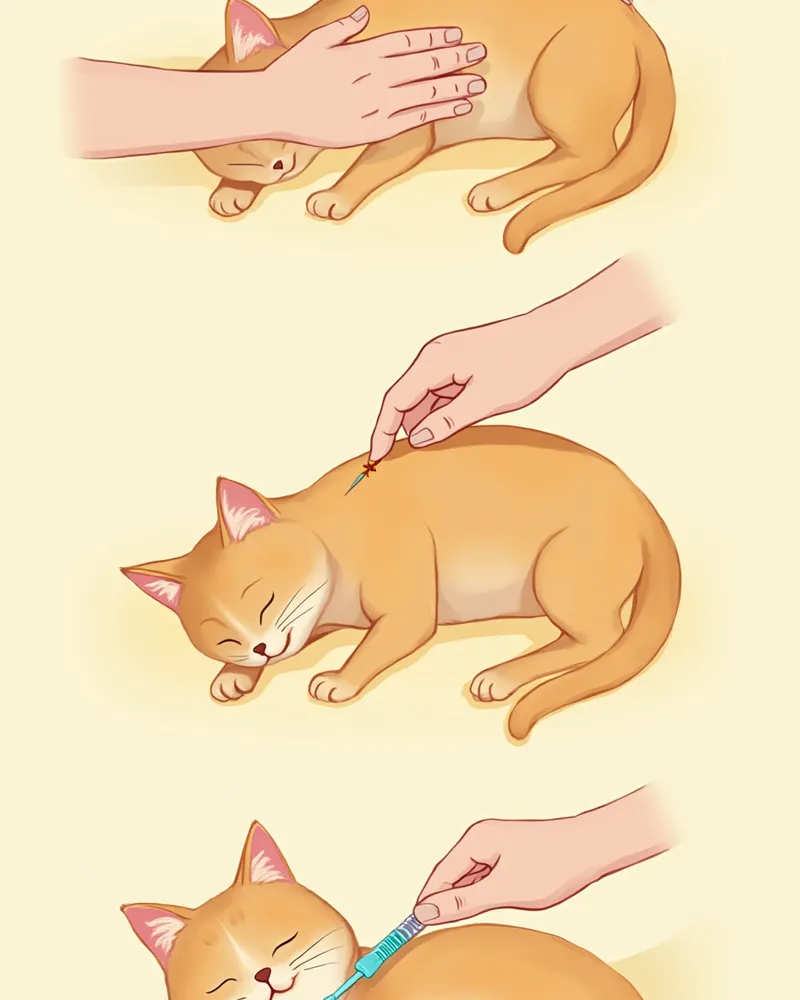
Lifting the skin between the shoulder blades and inserting a subcutaneous fluid needle at an angle
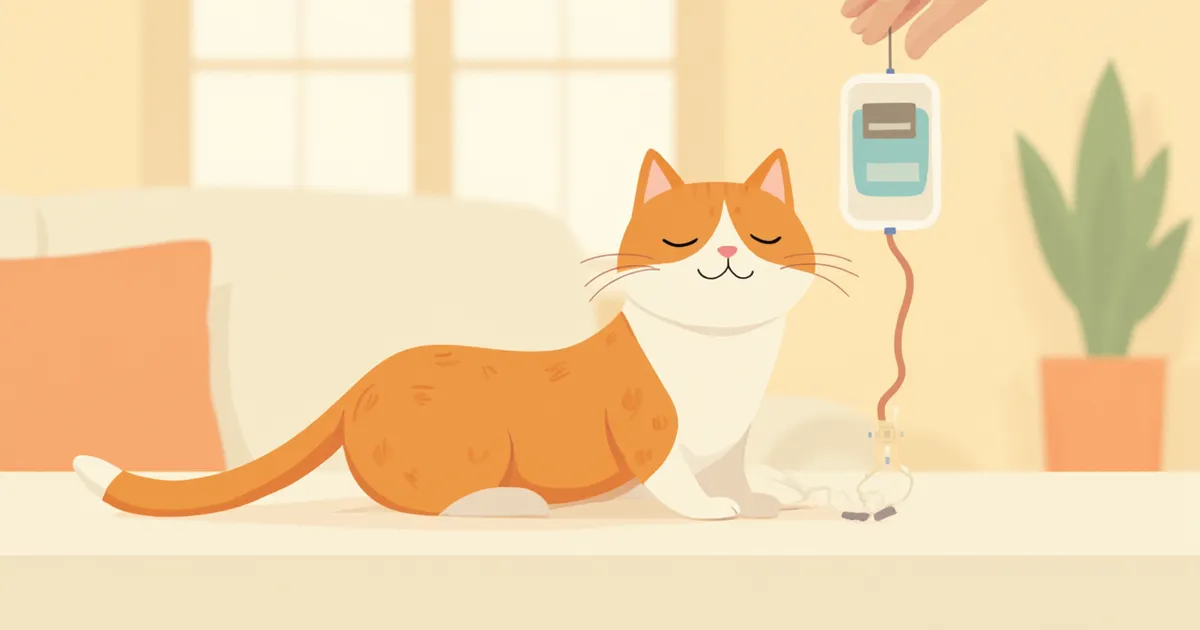
Feline subcutaneous fluid therapy is a home-care procedure in which a prescribed volume of fluid is administered into the space beneath the skin between the shoulder blades to replenish fluids and electrolytes in cats with chronic kidney disease or dehydration. The most critical aspect is strictly adhering to the type, dosage, and frequency of fluids prescribed by your veterinarian. Adjusting the volume or changing the type of fluid without professional guidance can lead to dangerous electrolyte imbalances.

Which Cats Need This?

This treatment is primarily prescribed for cats in stages 3 to 4 of chronic kidney disease. As kidney function declines, the body loses more fluid through urine, making it difficult to prevent dehydration with regular water intake alone. It is also used for cats with prolonged loss of appetite, senior cats in recovery, or those experiencing repeated dehydration due to chronic vomiting or diarrhea. However, in cases of heart failure, severe dehydration, or intra-abdominal bleeding, subcutaneous fluids alone are insufficient, so a veterinarian must make the final assessment.

Items to Prepare

The basics include an IV fluid bag prescribed by your vet (usually an isotonic solution like Lactated Ringer’s Solution or 0.9% Normal Saline), an IV administration set, a new needle of the gauge specified by your vet, a towel, a bowl for warm water, and a hook or hanger to suspend the IV bag. Always use a brand-new needle for each administration, and dispose of used needles in a designated sharps container. Store the IV fluid bag in a clean area away from direct sunlight and high temperatures, and use only the needles, tubing, and other supplies provided by your veterinarian.

Step-by-Step Administration Procedure

1) Warm the IV fluid bag by soaking it in warm water for 5–10 minutes or briefly heating it in a microwave until it reaches body temperature (approximately 38°C). Test the temperature by dripping a few drops on the inside of your wrist. 2) Connect the IV line to the bag and completely remove any air from the line. 3) Hang the IV bag at a height above the cat’s head to allow gravity to drive the flow. 4) Hold the cat comfortably, exposing the head and shoulders, and gently lift the skin between the shoulder blades to create a tent-like fold. 5) Insert a new needle at an angle into the space beneath the lifted skin. 6) Open the flow regulator and let the prescribed volume drip in slowly. 7) Once the full dose has been administered, remove the needle and apply gentle pressure for 1–2 minutes.
The step of lifting the skin between the shoulder blades and inserting the syringe needle at an angle

Precautions for Fluid Temperature and Rate

Injecting cold IV fluids directly can cause severe shivering and significant stress in cats. Always warm the fluids to body temperature (37–38°C) before use. However, overheating can lead to burns or fluid degradation, so test a drop or two on the inside of your wrist to ensure it’s lukewarm. To minimize pain, avoid rapid infusion; instead, use the flow regulator to administer the fluids slowly over 5 to 10 minutes.

How Are Frequency and Dosage Determined?

Your veterinarian will determine the appropriate fluid therapy plan by evaluating your cat’s weight, kidney function markers (BUN, creatinine, and SDMA), and degree of dehydration. Because cats are especially sensitive to fluid overload compared to dogs, the dosage and frequency must be precisely tailored. Never adjust the single dose or administration interval on your own; always follow your veterinarian’s prescription. Administering more than prescribed can lead to fluid overload complications such as pulmonary edema or pleural effusion, while giving too little may result in recurrent dehydration. Dosage and frequency should be regularly adjusted based on follow-up blood and urine test results.

General Subcutaneous Fluid Frequency by Kidney Disease Stage

ItemIRIS Stage 2IRIS Stage 3IRIS Stage 4
Recommended starting pointUsually unnecessary in a compensated stateConsider when decompensated, e.g., dehydration or anorexiaLong-term subcutaneous fluids almost always needed
Single dose (target)As prescribed by attending veterinarianAs prescribed by attending veterinarianAs prescribed by attending veterinarian
Infusion frequencyUsually unnecessary to as-needed (PRN)As prescribed by veterinarian depending on degree of decompensationMore frequently as prescribed by veterinarian
Reassessment intervalAs recommended by veterinarianAs recommended by veterinarianAs recommended by veterinarian

Dosage, frequency, and reassessment intervals vary greatly between individuals, and specific values must follow your attending veterinarian's prescription and test results. (Based on starting point: fluids are usually unnecessary in the compensated stage; subcutaneous fluids are needed in the decompensated/end stage)

Observation Points After Administration
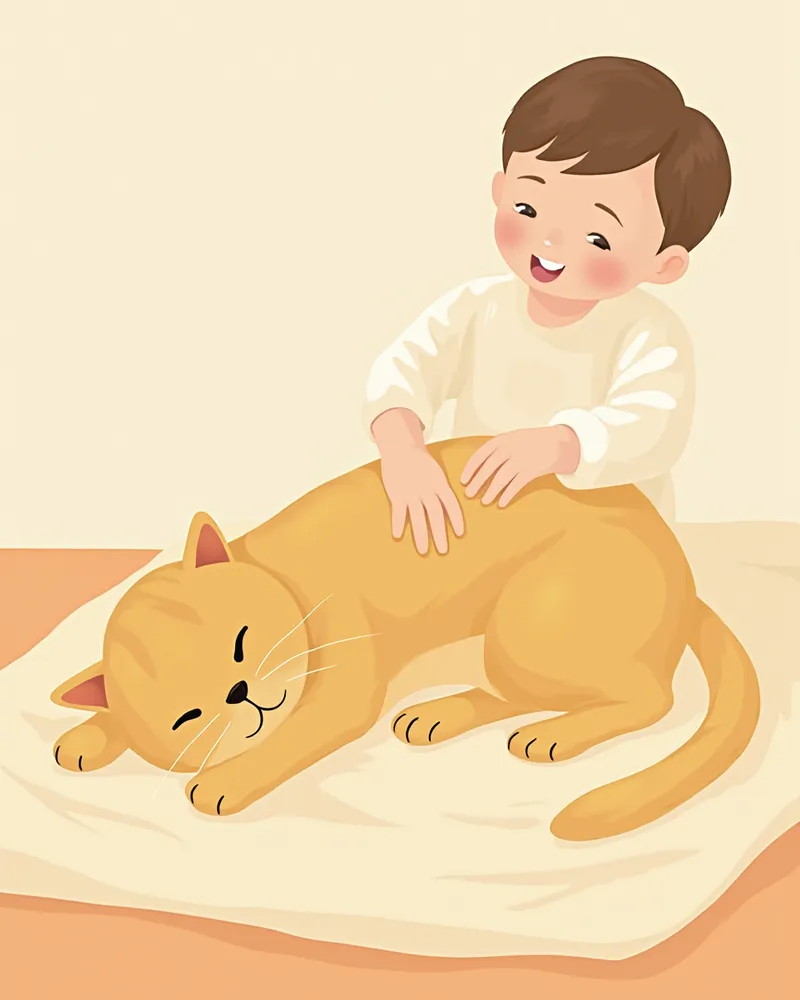
It’s normal for a small, lump-like swelling to appear just behind the shoulder right after administration. This fluid collection typically absorbs and disappears on its own within a few hours. If the lump persists for more than 24 hours or gets larger, it may indicate slow absorption; in that case, delay the next dose and consult your veterinarian. Keeping a simple daily record of your pet’s appetite, energy level, and urine output can be very helpful during vet visits. Healthy gums should have a pink color.
Observing the fluid-filled lump that formed behind the shoulder after administration and monitoring its absorption status

Signs Requiring Immediate Veterinary Attention

If you notice any of the following signs, stop the next dose immediately and go to the vet: labored breathing with shoulder movements and mouth breathing (open-mouth breathing), sudden weakness or inability to stand, pale or bluish gums, cold ears and paws indicating hypothermia, or new onset of vomiting or seizures. These may be signs of pulmonary edema, electrolyte imbalance, or worsening of an underlying condition.

Reviewed by a veterinarian

Dr. Tony — Punnawat Phongkittirak

Dr. Tony — Punnawat Phongkittirak

Veterinarian

A veterinarian who majored in veterinary medicine at Khon Kaen University, Thailand, and completed the IVSA program at North Carolina State University in the United States. Drawing on clinical experience at animal hospitals, he works in the pet healthcare field and is dedicated to building a digital care environment that connects pet parents with veterinarians.

Frequently Asked Questions

My cat really hates it. Is there a way to do this without anesthesia?
Most procedures can be performed without anesthesia. Your pet may feel a bit uneasy during the first one to two weeks, but they’ll quickly adapt if you remain calm and steady throughout the process. The key is to create positive experiences by using warmed fluids, familiar surroundings, and their favorite treats.
Can I reuse a syringe needle?
Absolutely not. A needle that has already been used becomes dull, which increases pain and raises the risk of infection. Always use a brand-new syringe needle for each administration, and dispose of used needles in a designated sharps container.
Can I open a fluid bag and use it over several days?
Since there is no universally established textbook guideline for how long an opened IV fluid bag can be used, strictly follow the storage and usage instructions provided by your veterinarian. Always wipe the port with alcohol before each use, and keep the bag away from direct sunlight and high temperatures. If you notice any particulate matter floating in the bag or any change in color, discard it immediately.
I accidentally missed a dose. What should I do?
Missing or skipping a dose once or twice is generally not a major concern. You can simply resume the regular scheduled dose at the next planned time. However, avoid giving two doses at once, as this increases the risk of pulmonary edema.
The lump hasn’t gone away for several days after the IV fluids.
This could be a sign that the medication is being absorbed more slowly. Before the next dose, consult your veterinarian to reduce the frequency or adjust the dosage. If the affected area becomes red or warm, there may be an infection, so seek veterinary care immediately.

Share

Related Guides

References

[1] Susan Little, The Cat: Clinical Medicine and Management, 2nd Edition, 2024 — Chapter on Intravenous and Subcutaneous Fluid Therapy

[2] Drobatz et al., Feline Emergency and Critical Care Medicine, 2nd Edition, 2018 — Fluid Therapy in Cats

[3] IRIS (International Renal Interest Society) Staging of CKD Guidelines, 2023

This information is based on veterinary literature and does not replace diagnosis or treatment. Please consult a veterinarian for specific health concerns.

Metapet Co., Ltd. | CEO: Park Sung-yong | Business Reg. No. 417-88-02562 | Seoul, South Korea | Customer Center

Cat Subcutaneous Fluids — Home Steps & Frequency Guide | Meongsiljang