Like
Share
멍실장
강아지 에를리히아증 자주 묻는 질문 Q&A — 보호자가 꼭 알아야 할 핵심

Canine Ehrlichiosis FAQ — Key Information Every Owner Must Know

Infection/ParasitesQ&AMeongsiljang Veterinary Advisory Board

Canine ehrlichiosis is a bacterial infection transmitted by the "vampire mosquito." Early detection and treatment are crucial.

What is Canine Ehrlichiosis?
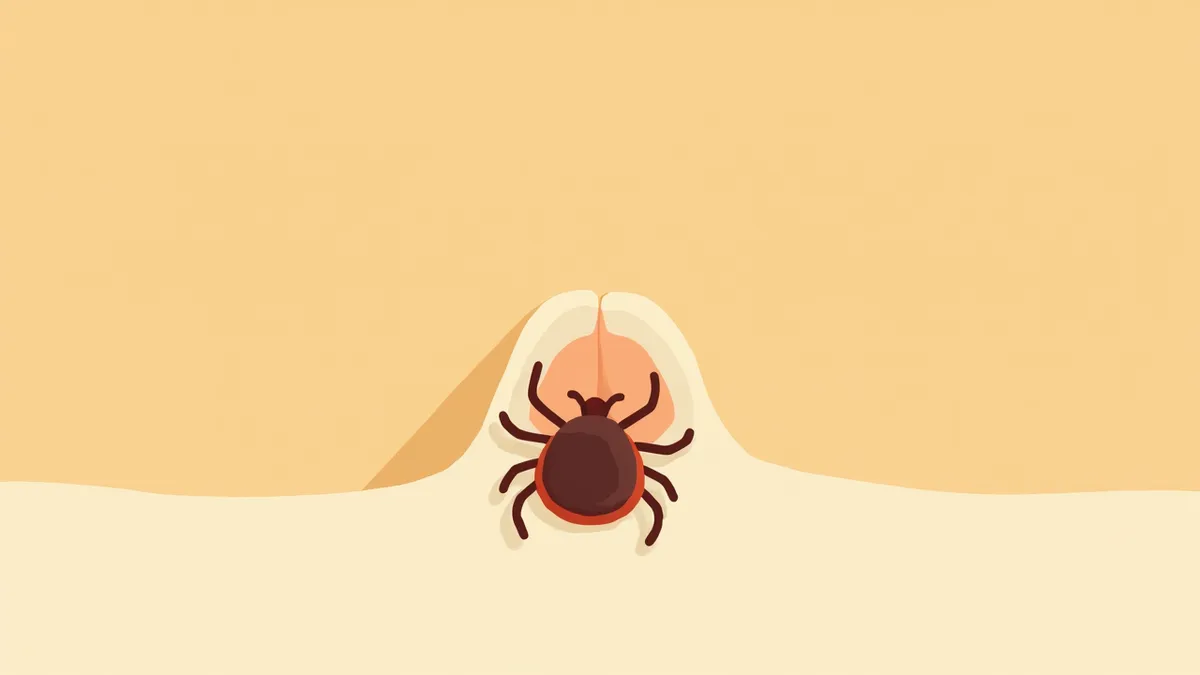
A close-up photo of a rabbit tick attached to a dog's ear
Canine ehrlichiosis is a bacterial infection transmitted by the brown dog tick (Rhipicephalus sanguineus). - Ehrlichia canis: This bacterium infects monocytes in dogs, leading to blood abnormalities such as thrombocytopenia and non-regenerative anemia. - Asymptomatic period: Early stages often show few or no symptoms, making the condition easy to overlook. - Risk of chronicity: If left untreated, the disease can progress to a chronic state, worsening anemia and thrombocytopenia, or causing complications like bleeding disorders. - Importance of early diagnosis: Regular blood tests and close attention to symptoms are key to early detection. - Timing of treatment: Starting antibiotic therapy after early diagnosis significantly improves the chances of recovery.

Causes and Transmission Pathways of Ehrlichiosis

Ehrlichiosis is caused by a bacterium called *Ehrlichia canis*. - Transmission vector: The brown dog tick (*Rhipicephalus sanguineus*) is the primary vector, transmitting the bacteria into your dog’s bloodstream while feeding. - Infection pathway: The bacteria multiply within the tick and then infect the dog’s monocytes via the bloodstream. - High-risk period: The risk of infection increases during seasons when tick activity is high. - Prevention key: After going outdoors, carefully check your dog’s coat and skin for any remaining ticks. - Preventive actions: Using tick preventatives and performing thorough post-outdoor checks are essential.
A mosquito clinging to a dog's fur while it walks through the grass.

Main Symptoms and Disease Stages

Canine ehrlichiosis progresses through three stages: acute, subclinical (latent), and chronic. - Acute stage: Symptoms include fever, lethargy, loss of appetite, and thrombocytopenia. - Subclinical stage: Clinical signs may be mild or absent, but blood tests may reveal thrombocytopenia or non-regenerative anemia. - Chronic stage: Symptoms may include anemia, thrombocytopenia, and bleeding disorders. - Risk of recurrence: Some dogs may not fully recover, and re-infection can occur if bitten by ticks again. - Importance of early detection: Because the subclinical phase can last a long time, regular blood tests are essential.
A dog with a tired expression, pale lips

Symptoms Requiring Immediate Veterinary Visit

If your dog suddenly collapses, or if you notice nosebleeds, blood in the stool, or bruising on the skin, seek veterinary care immediately. These are signs of serious bleeding or organ damage. Additionally, consult your veterinarian if persistent fever, loss of appetite, or difficulty breathing lasts for more than two days. Early treatment significantly improves survival rates.

Diagnostic Methods and Treatment Process

Ehrlichiosis is accurately diagnosed through blood tests. - Blood tests: Antibody tests or PCR tests are used to confirm the presence of the bacteria, and morulae may be directly observed on peripheral blood smears. - Treatment medications: Antibiotics such as doxycycline (10 mg/kg/day) are administered consistently for approximately 4 weeks (28 days). - Treatment duration: Do not discontinue medication until the full prescribed course is completed, even if symptoms improve. - Treatment monitoring: Regular blood tests are required during treatment to assess efficacy. - Supportive care: Depending on the condition, supportive therapies may be administered concurrently to improve prognosis.
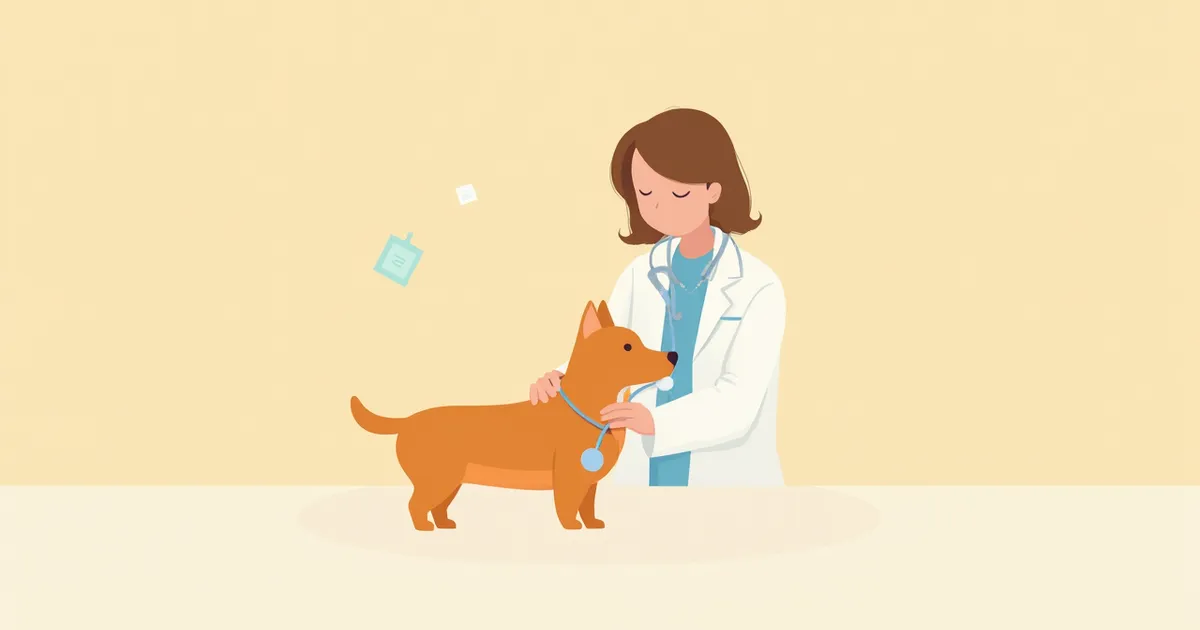
A veterinarian preparing a blood sample

Comparison of Symptoms and Management by Ehrlichiosis Stage

ItemMain SymptomsTreatment MethodPrecautions
Acute (1–2 weeks)Fever, fatigue, decreased appetite, thrombocytopeniaBegin antibiotic treatment (doxycycline 10 mg/kg/day)Coat inspection after outings essential
Asymptomatic/Latent StageNo symptoms or mild blood abnormalitiesFollow-up monitoring with regular blood testsMonitor platelet count and presence of anemia
Chronic (6 weeks or more)Anemia, weakened immunity, organ damage, bleedingOrgan-protective treatment combined with immune supplementsRegular checkups, caution against reinfection

The treatment period may vary depending on the individual's condition. The veterinarian decides according to body weight and health status.

Home Care and Recovery Support

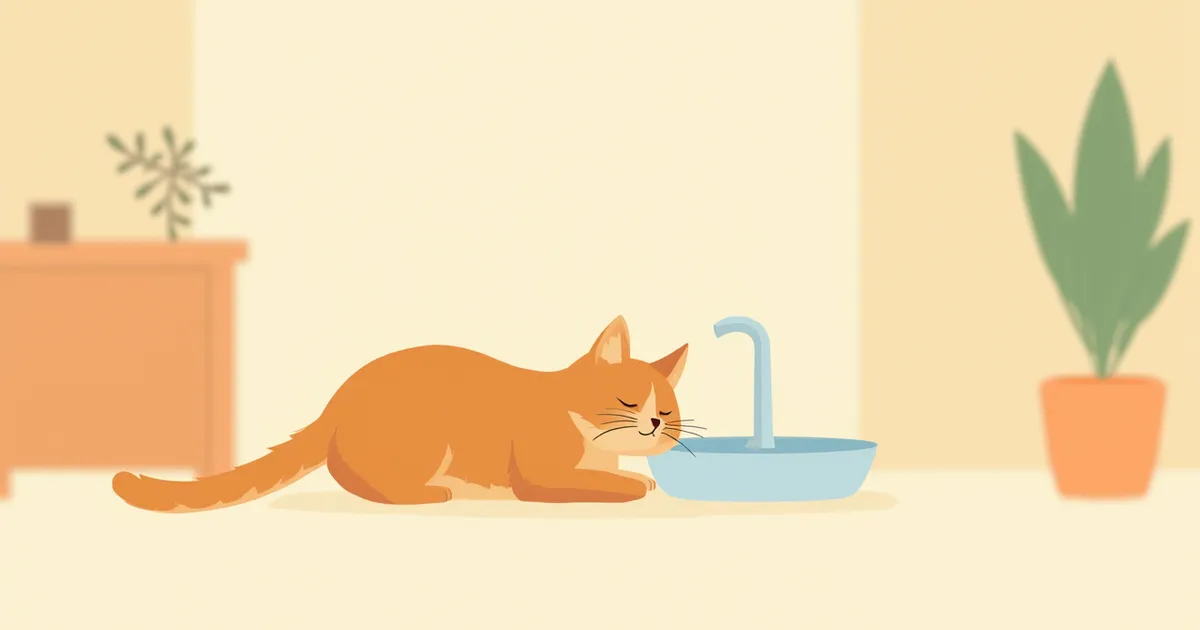
During treatment, it’s important that your dog rests in a comfortable environment. - Resting environment: Prepare a quiet and warm space. - Diet management: If your dog has little appetite, offer small amounts of high-nutrient food frequently. - Hydration: Always keep fresh, clean water available. - Stomach protection: Antibiotics can irritate the stomach, so giving a stomach protector alongside them is a good idea. - Limit outings: Minimize going outside during the treatment period to reduce the risk of infection.
A puppy resting comfortably on its bed.

Prevention is Most Important

Ehrlichiosis can be difficult to treat, so prevention is key. Use a brown dog tick preventive regularly and carefully check your pet’s coat and body after going outdoors. During peak tick activity, reapplying the preventive every two weeks can be helpful. For safety, use an effective acaricide product recommended by your veterinarian.

Reviewed by a veterinarian

Dr. Tony — Punnawat Phongkittirak

Dr. Tony — Punnawat Phongkittirak

Veterinarian

A veterinarian who majored in veterinary medicine at Khon Kaen University, Thailand, and completed the IVSA program at North Carolina State University in the United States. Drawing on clinical experience at animal hospitals, he works in the pet healthcare field and is dedicated to building a digital care environment that connects pet parents with veterinarians.

Frequently Asked Questions

Can Ehrlichiosis be transmitted to humans?
The primary causative agent of canine ehrlichiosis, Ehrlichia canis, is transmitted through tick bites and is not directly contagious from dogs to humans. However, since some Ehrlichia species have been reported to infect humans, it is safest to minimize tick exposure overall.
Can my pet still get infected even if I use preventive medications?
Preventatives significantly reduce the risk of infection, but they don’t provide complete protection. For the best results, use them alongside a thorough coat check after every outing.
Can my pet become reinfected after treatment?
Yes, because immunity doesn’t develop sufficiently, there’s a risk of reinfection. Prevention needs to be ongoing.
Is ehrlichiosis untreatable?
No, it can be treated with antibiotics such as doxycycline. Early diagnosis and consistent treatment for at least 28 days are important.
When should I start using tick preventatives?
It is best to start using it during the period when ticks are active year-round, except in winter (March to November), and especially during peak activity periods, it is recommended to use it every two weeks.

Share

Related Guides

References

[1] Plumb's Veterinary Drug Handbook, 9th Edition. 2022. Wiley-Blackwell.

[2] Kocan, K.M. et al. (2018). Ehrlichia canis: Pathogenesis and Immune Evasion. Veterinary Parasitology, 252, 1–10.

[3] American College of Veterinary Internal Medicine (ACVIM). (2020). Consensus Statement on Canine Ehrlichiosis. Journal of Veterinary Internal Medicine, 34(5), 1685–1696.

This information is based on veterinary literature and does not replace diagnosis or treatment. Please consult a veterinarian for specific health concerns.

Metapet Co., Ltd. | CEO: Park Sung-yong | Business Reg. No. 417-88-02562 | Seoul, South Korea | Customer Center

5 Common Questions About Canine Ehrlichiosis | Meongsiljang