
Emergency First Aid for a Broken Dog Tooth
Here’s a guide to home first aid for a broken dog tooth and when you must visit the vet. The key factor is whether the nerve is exposed.
How Urgent Is a Broken Dog Tooth?
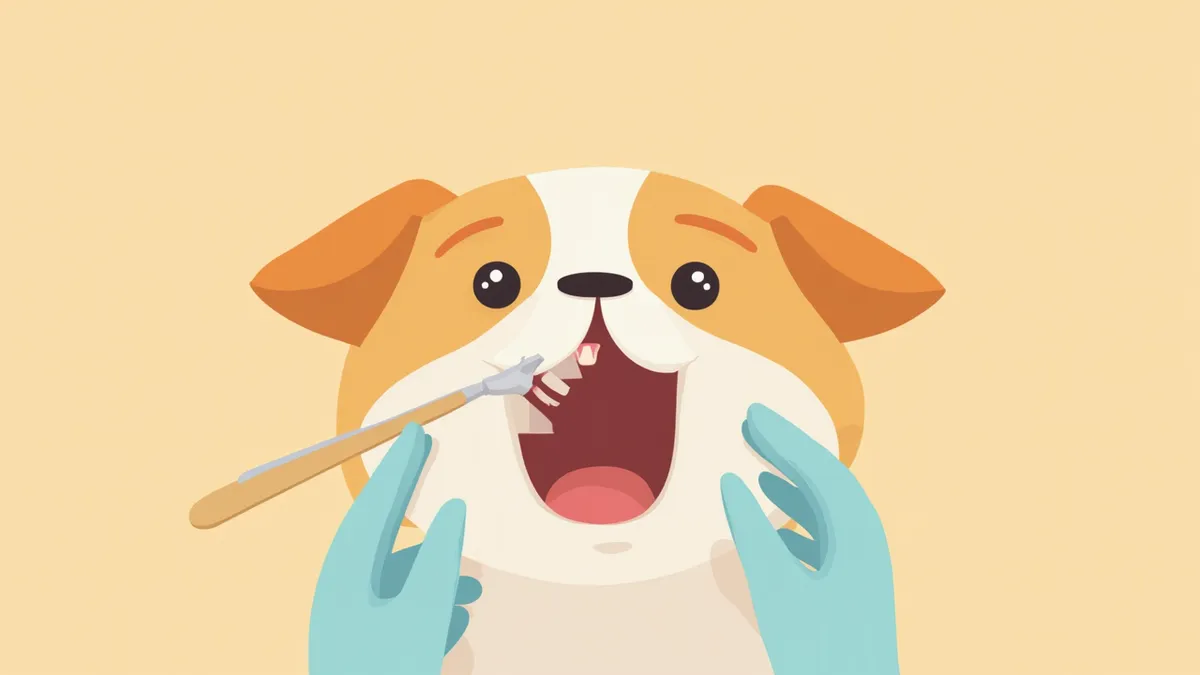
Why Do Dog Teeth Break?
Assessing Urgency by Fracture Grade
Urgency and Management by Fracture Grade
| Item | Enamel fracture | Dentin fracture | Pulp (nerve) exposure |
|---|---|---|---|
| Cross-section color | Only a slight white surface | Yellow/brown band visible | Red spot, hole, or bleeding |
| Pain level | Almost none | Sensitive to cold water and hard food | Persistent pain, refuses food |
| When to visit the clinic | Routine check within 1–2 weeks | Exam within 1 week | Emergency care within 24 hours |
| Treatment | Observation and smoothing | Dental sealant or composite resin | Root canal therapy or extraction |
If it's hard to judge by the cross-section color, prompt veterinary care is safer.
Home Emergency First Aid

Go to the Emergency Clinic Immediately If You See These Signs
If you notice any of the following signs, seek immediate care at an emergency clinic, even at night. The nerve infection can spread to adjacent tissues and the jawbone. - Red spots or holes are visible on the broken surface. - Bleeding from the mouth does not stop (for more than 10 minutes). - The face or jaw is noticeably swollen. - Refusal to eat or drink for more than 24 hours. - Excessive drooling or chewing on only one side. - Crying out or showing aggression when the mouth is touched.
Treatment Methods at the Veterinary Clinic

Recovery Care and Prevention of Recurrence
Small and Toy Breeds Require Extra Caution
Small and toy breeds such as Pomeranians, Yorkies, and Maltese have tooth roots that are disproportionately large relative to their jawbone size. As a result, when impact is applied to the same area, the jawbone tends to weaken and fracture before the teeth are lost. Additionally, small breeds are prone to more severe progression of periodontal disease, making them particularly vulnerable to dental injuries. In senior dogs, periodontal disease often leaves the teeth and alveolar bone already weakened, so they may appear healthy but suffer fractures even from minor impacts. Annual dental cleanings and examinations are recommended to safely identify and address weak teeth early.
Reviewed by a veterinarian

Dr. Tony — Punnawat Phongkittirak
VeterinarianA veterinarian who majored in veterinary medicine at Khon Kaen University, Thailand, and completed the IVSA program at North Carolina State University in the United States. Drawing on clinical experience at animal hospitals, he works in the pet healthcare field and is dedicated to building a digital care environment that connects pet parents with veterinarians.
Reviewed 2026-04-19
Frequently Asked Questions
Will a broken tooth heal on its own if left untreated?
Are deer antler and beef bone treats also dangerous?
How much will the treatment cost approximately?
Is anesthesia absolutely necessary?
Should a broken baby tooth be treated?
Share
Related Guides

7 Best Cat Dental Chews for Tartar Prevention Recommended by Veterinarians and Selection Criteria
Top 5 Recommended Dental Treats for Dogs in 2026 — VOHC Certification Criteria

7 Criteria for Choosing Dog Tartar Prevention Dental Chews Recommended by Veterinarians

How to Choose a Cat Litter Box? — A Guide to Size, Litter, and Location
Automatic Feeder and Waterer User Guide: From Selection to Maintenance
Guide to Choosing a Kennel/Carrier

The Complete Guide to Hepatic Diets: Selecting and Feeding Prescription Liver Diets

Guide to Low-Fat Prescription Diets

Pros, Cons, and Indications of High-Protein Diets

The Ultimate Guide to Choosing a Puppy Kindergarten or Puppy Class
References
[1] DeBowes LJ. Simple and surgical exodontia. Vet Clin North Am Small Anim Pract. 2005;35:963-984.
[2] Bennett JW, Kapatkin AS, Marretta SM. Dental composite for the fixation of mandibular fractures and luxations in 11 cats and 6 dogs. Vet Surg. 1994;23:190-194.
[3] Wiggs RB, Lobprise HB. Veterinary Dentistry: Principles and Practice. Lippincott-Raven; 1997.
[4] Niemiec BA. Small Animal Dental, Oral and Maxillofacial Disease: A Color Handbook. CRC Press; 2010.