Like
Share
멍실장
강아지 피부사상균(링웜)과 기생충 감별 자주 묻는 질문 Q&A — 보호자가 꼭 알아야 할 핵심

Dog Ringworm (Dermatophytosis) vs. Parasitic Infection: Frequently Asked Questions — Essential Knowledge for Pet Owners

Infection/ParasitesQ&AMeongsiljang Veterinary Advisory Board

When spots appear on a dog’s skin, it can be difficult to distinguish between ringworm (dermatophytosis) and a parasitic infection. Here’s a summary of key differentiating signs and how to respond—essential knowledge for every pet owner.

Dog Ringworm (Dermatophytosis) vs. Parasitic Infection: 5 Key Questions
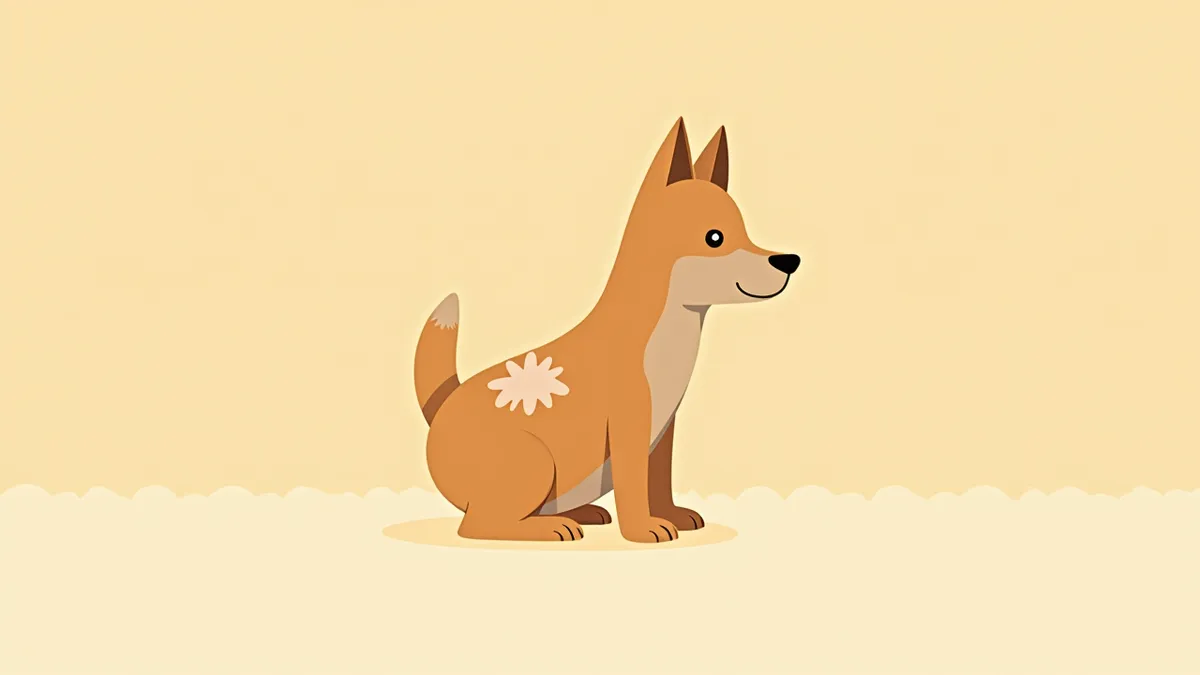
A puppy scratching at a spotted area on its back
When spots appear on a dog’s skin, it can be difficult to distinguish between ringworm (dermatophytosis) and parasitic infestations. - Ringworm: Circular or semicircular patches of hair loss appear, with well-defined edges and a dry center. Itching is usually mild or absent. - Parasitic infection: Severe itching is present, along with thickened, flaky skin and repetitive scratching or licking behaviors. - Differences in contagiousness: Ringworm is a zoonotic disease that can spread between humans and animals. Parasitic infections primarily spread among animals, though some can also be transmitted to humans. - Differences in treatment: Fungal infections require antifungal medications, while parasites require antiparasitic treatments. Using the wrong medication can worsen symptoms due to these differing treatment approaches. - Necessity of diagnosis: Because symptoms are similar, an accurate diagnosis by a veterinarian is essential. Self-diagnosis is risky, and using topical treatments without a proper diagnosis may not be effective.

Why Is It Important to Distinguish Between Ringworm and Parasitic Infections?
To properly manage your dog’s skin issues, it is essential to accurately identify the underlying cause. - Dermatophytosis (Ringworm): This is a fungal infection characterized by circular patches with a scaly center and a distinct border. While itching may be mild or absent, some cases do involve pruritus. Antifungal medication is required for treatment. - Parasitic Infections: Caused by parasites such as mosquitoes and ticks, these infections are accompanied by severe itching and skin thickening. Treatment involves parasiticides, and environmental management is crucial. Not only do the treatments for these two conditions differ, but using the wrong medication can worsen symptoms. Furthermore, since dermatophytosis can be transmitted to humans, early diagnosis and appropriate treatment are vital. Accurate differentiation through testing at a veterinary clinic is the safest and most effective approach.
Comparing Skin Lesions Caused by Dermatophytes and Parasitic Infections

Key Symptom Differences: Ringworm vs. Parasitic Infections
- Dermatophytosis (ringworm): Presents as circular patches with central clearing and well-defined borders. Hair loss is localized, and itching is usually mild or absent. Some cases do involve pruritus, and caution is warranted due to the risk of transmission. - Parasitic infection: Accompanied by severe itching, with thickened, flaky skin. Frequent scratching and licking behaviors are common. - Recurrence: Parasitic infections carry a high risk of reinfection after treatment, making environmental management essential for prevention. - Contagiousness: Dermatophytosis can be transmitted to humans. Certain parasitic infections can also be zoonotic, so caution is advised. - Need for diagnosis: Because symptoms can be similar, veterinary examination is essential. Diagnosis based solely on Wood’s lamp examination is incomplete; fungal culture or PCR analysis is recommended.
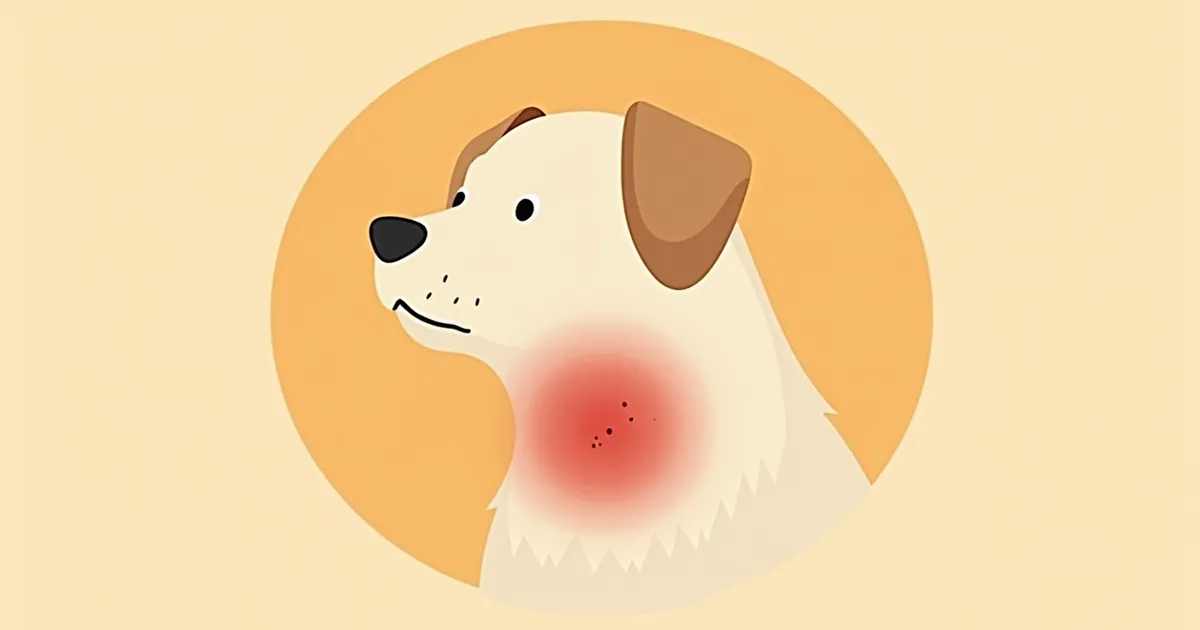
Circular bald patches caused by dermatophyte infection

Dermatophytosis vs. Parasitic Infection: Key Comparison Table

ItemDermatophytes (Ringworm)Parasitic Infection
Main CauseMicrosporum canis, Trichophyton mentagrophytesParasitism by adults or larvae (e.g., Demodex spp., Sarcoptes spp.)
Lesion ShapeCircular or semicircular, well-defined edges (may spread in severe cases)Irregular shape, diffuse, localized thickening
Degree of ItchingMostly mild or absent (present only in some cases)Severe
ContagiousnessA zoonotic disease transmissible to humansMainly transmitted between animals, some types can also be transmitted to humans
Treatment MethodUse of antifungals (topical and oral), environmental disinfection and cleaning essentialUse of antiparasitics, environmental management and cleaning essential

An accurate diagnosis is determined by a veterinarian through fungal culture, skin biopsy, PCR testing, and the like, with fungal culture being the standard test. Wood's lamp examination serves only a supplementary role and is not an independent diagnostic means.

How Is an Accurate Diagnosis Made?
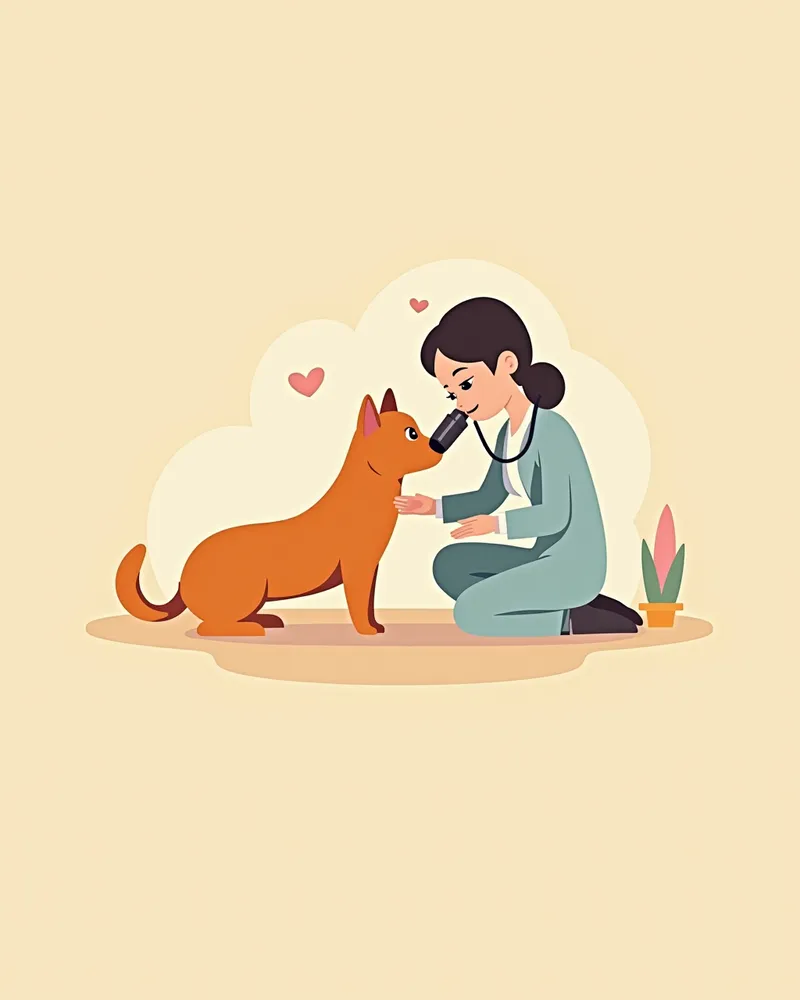
The veterinarian will first scrape the skin or pluck hairs to collect samples, then examine them under a microscope for fungal hyphae and spores. - Wood’s lamp examination: Some dermatophytes (particularly *Microsporum canis*) exhibit green fluorescence, but because this test has low sensitivity, a negative result does not rule out infection. Therefore, it is insufficient for making a definitive diagnosis on its own. - PCR testing: This genetic analysis offers high accuracy and is useful for complementing diagnosis alongside fungal culture, which remains the standard test for dermatophyte identification. - Skin biopsy: Performed when suspicion is high, this histopathological examination helps establish a final diagnosis. Self-diagnosis is risky, so a veterinary visit is essential. Effective treatment is impossible without an accurate diagnosis.
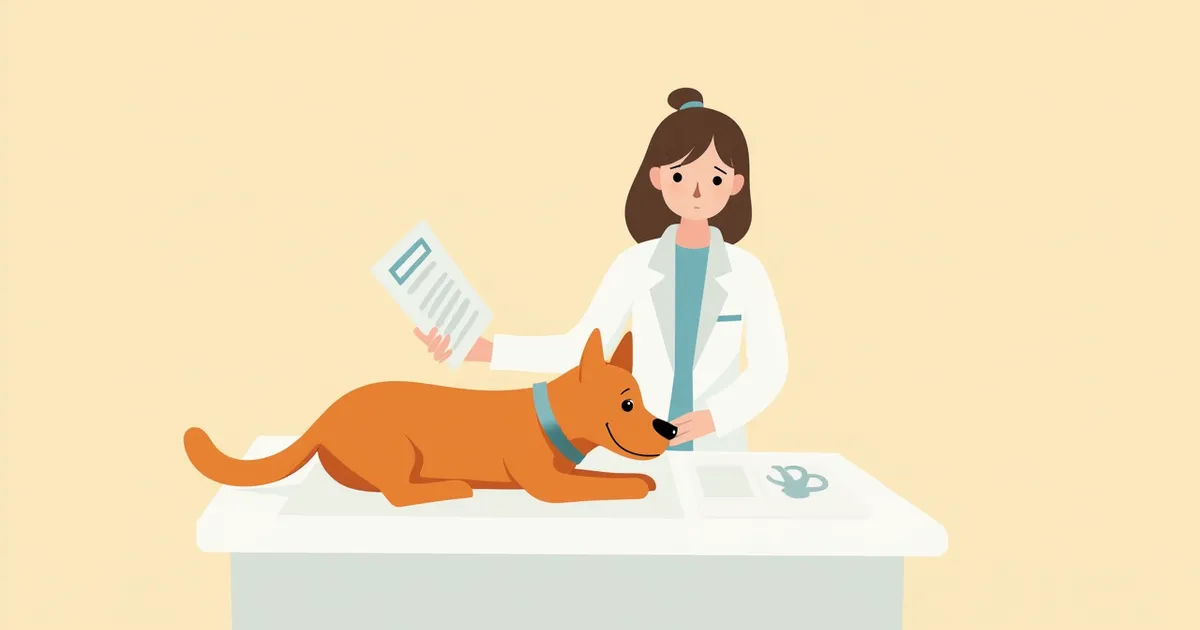
A veterinarian examining a puppy's skin under a microscope.

Signs That Require an Immediate Vet Visit

If your dog repeatedly scratches or licks the area, if the spots are rapidly enlarging, or if symptoms appear in other animals or people, you should visit the vet immediately. Since this is an infectious disease, early treatment is essential.

Treatment Methods and Management Tips

- Treatment for dermatophytosis (ringworm): A combination of topical and oral antifungal medications is typically used. Topical antifungal treatment is just as important as systemic therapy. The treatment course usually lasts at least 4 to 8 weeks. Even after symptoms disappear, fungal spores may still be present, so it’s essential to continue medication consistently until complete healing is achieved. - Parasite treatment: Antiparasitic medications are used, and thorough environmental cleaning is essential. In particular, your pet’s bedding, toys, and floors should be washed with hot water and detergent or treated with a disinfectant. - Limiting contact: During treatment, avoid contact with other animals. This is especially important if other animals have weakened immune systems or are young, as they are at higher risk of infection. - Disinfecting items: Wash your dog’s bedding and toys in hot water or treat them with a disinfectant. Fungal spores can survive for long periods on fur, so thorough disinfection is necessary. - Preventing reinfection: Regular preventive care is needed even after treatment. Maintaining a clean environment and monitoring your pet’s health status are key to preventing recurrence.
Applying antifungal medication to a puppy

Practical Checkpoints for Prevention

After your dog comes home from outside, make sure to clean its body thoroughly. - After using shared spaces: Always disinfect toys and beds. - Before introducing a new pet: It’s important to have a health check-up and conduct joint testing. - Environmental management: Regularly clean your home and ensure good ventilation. - Use of preventive medications: Use antiparasitic or antifungal medications as recommended by your veterinarian. - Family health: Since ringworm can be transmitted to humans, family members should also take precautions.
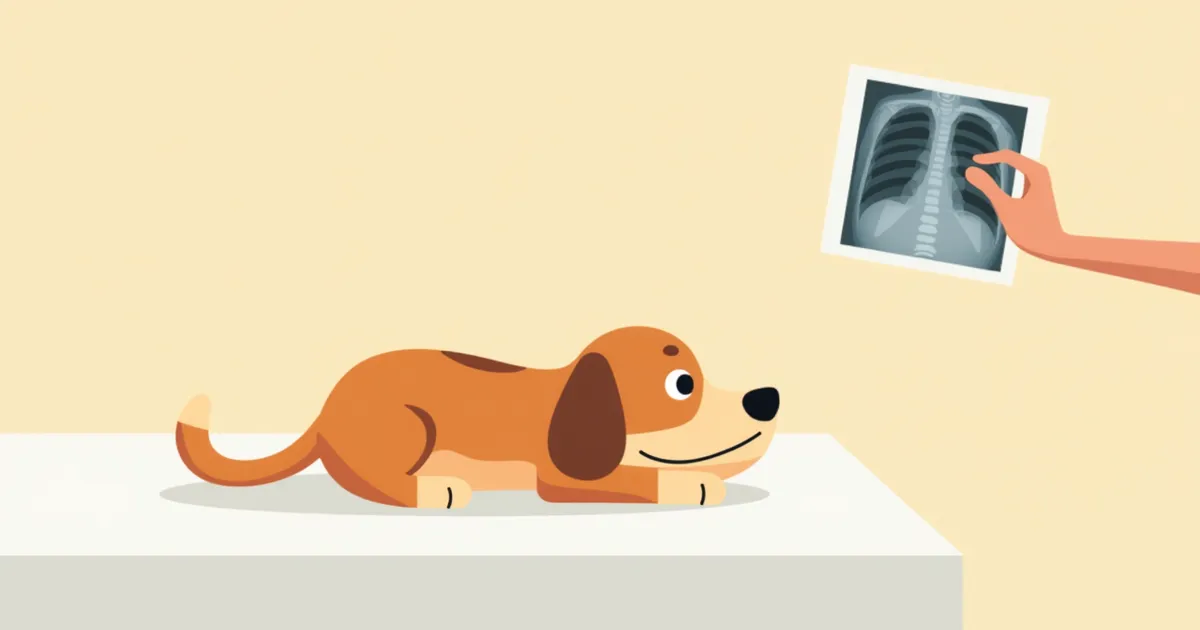
Bathing a puppy with antifungal shampoo

Reviewed by a veterinarian

Dr. Tony — Punnawat Phongkittirak

Dr. Tony — Punnawat Phongkittirak

Veterinarian

A veterinarian who majored in veterinary medicine at Khon Kaen University, Thailand, and completed the IVSA program at North Carolina State University in the United States. Drawing on clinical experience at animal hospitals, he works in the pet healthcare field and is dedicated to building a digital care environment that connects pet parents with veterinarians.

Frequently Asked Questions

Can ringworm in dogs be transmitted to humans?
Yes, dermatophytes can be transmitted to humans. They pose a particular risk to children and individuals with weakened immune systems, so caution is advised. Infection can cause rashes or hair loss on the skin, but it is a treatable and curable condition in humans as well.
Can I diagnose it at home?
No, even if the symptoms are similar, the underlying causes can differ. Misdiagnosis can lead to delayed treatment and disease transmission, so it is essential to have your pet examined by a veterinarian. In particular, the Wood’s lamp test has low sensitivity, and home tests are unreliable, so be cautious to avoid misunderstandings.
How long does the treatment take?
Treatment for dermatophyte infections typically takes about 4 to 8 weeks. Even if symptoms disappear, spores may still be present, so it’s important to continue medication consistently until the infection is fully resolved. Stopping treatment prematurely can lead to reinfection or a chronic condition.
Can it be co-infected with parasites?
Yes, it is possible. When the skin is damaged, other pathogens can invade, so it is important to undergo a comprehensive examination at the clinic. Skin damage can facilitate the entry of bacterial or fungal infections.
How should I clean it?
Clean your dog’s bed, toys, and indoor floors with a high-temperature disinfectant, and vacuum thoroughly. Items that can be washed should be disinfected and managed carefully, and spores on fur must be removed with a disinfectant. Regular deep cleaning is more important than daily cleaning.

Share

Related Guides

References

[1] Moriello KA (2019) Dermatophytosis in cats and dogs: A practical guide to diagnosis and treatment. /n Practice 41, 138-142.

[2] BSAVA Manual of Canine and Feline Dermatology, 4th Ed (2017). Chapter on Dermatophytosis.

[3] Clinical Medicine of the Dog and Cat, 4th Ed (2020). Dermatologic Disorders section.

This information is based on veterinary literature and does not replace diagnosis or treatment. Please consult a veterinarian for specific health concerns.

Metapet Co., Ltd. | CEO: Park Sung-yong | Business Reg. No. 417-88-02562 | Seoul, South Korea | Customer Center

Dog Ringworm vs. Parasites: 5 Key Questions to Tell Them Apart | Meongsiljang