
The Ultimate Guide to the Causes of Canine Stereotypic Behavior and Behavior Modification/Treatment Methods
We’ve compiled essential information for pet owners, covering everything from the causes of compulsive behaviors in dogs to behavior modification, medication, and home care strategies.
What Is Stereotypic Behavior in Dogs?
Suspect Stereotypic Behavior If You See These Signs
Causes and Correction Directions by Stereotypic Behavior Type
| Item | Main cause | Direction of correction |
|---|---|---|
| Tail chasing | Stress, obsessive-compulsive disorder, neurochemical imbalance | Environmental enrichment, anti-anxiety treatment |
| Spinning in circles | Separation anxiety, lack of exercise, genetic predisposition | Regular exercise, behavioral therapy |
| Repeated licking / chewing | Skin irritation, anxiety, compulsive behavior | Environmental improvement after diagnosing the cause |
| Fly-snapping (biting at the air) | Possible neurological cause (veterinary evaluation needed) | Detailed neurological examination needed |
| Licking walls / floors | Digestive problems, compulsion, stress | Rule out underlying disease (internal medicine exam) + behavioral correction |
Based on veterinary behavioral medicine and veterinary pharmacology textbooks (behavioral assessment is recommended after ruling out underlying medical causes)
Main Causes of Stereotypic Behavior
Seek Immediate Veterinary Care If You See These Symptoms
If any of the following apply, seek veterinary care immediately, as the cause may be neurological or seizures. • Appears unconscious during the behavior, with unfocused eyes • Foams at the mouth or collapses after repetitive movements • Started suddenly and has persisted for more than 24 hours • Self-injury occurs, such as biting or licking to the point of bleeding • Accompanied by lethargy and loss of appetite
Behavior Modification — A Step-by-Step Approach
Medication and Professional Counseling
Home Care Strategies
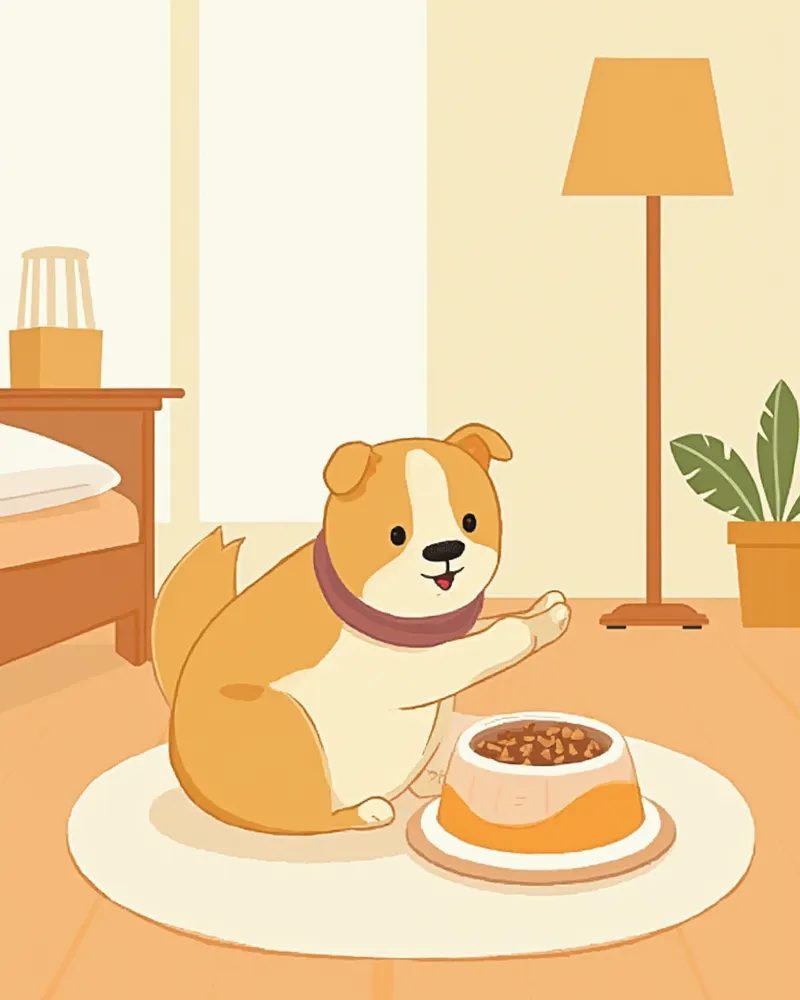
Breed-Specific Precautions — Dogs with High Genetic Susceptibility
Certain breeds have been reported to have a genetic predisposition to repetitive and compulsive behaviors. However, having a genetic susceptibility does not mean that compulsive behaviors will inevitably develop; environmental and upbringing factors also play a significant role. Therefore, it is important to focus on environmental enrichment and adequate socialization from an early age. • Doberman Pinscher: Reported tendencies toward tail chasing and repetitive licking • Bull Terrier: Reported tendencies toward tail chasing and spinning in circles • Border Collie: Reported tendencies toward spinning in circles and repetitive barking • German Shepherd: Reported tendencies toward excessive licking and repetitive behaviors Even in breeds with known vulnerabilities, outcomes are not determined solely by genetic predisposition. Providing early training and an enriched environment can help prevent these behaviors.
Reviewed by a veterinarian

Dr. Tony — Punnawat Phongkittirak
VeterinarianA veterinarian who majored in veterinary medicine at Khon Kaen University, Thailand, and completed the IVSA program at North Carolina State University in the United States. Drawing on clinical experience at animal hospitals, he works in the pet healthcare field and is dedicated to building a digital care environment that connects pet parents with veterinarians.
Reviewed 2026-05-28
Frequently Asked Questions
Will a dog's stereotypic behavior resolve on its own?
Which breeds are more prone to stereotypic behaviors?
How long does it take to correct behavior?
Can punishment stop compulsive behaviors?
Is there anything I can do at home before visiting the vet?
Share
Related Guides

7 Behavioral Enrichment Strategies for Mental Stimulation Recommended by Veterinarians

Top 5 Calming Supplements for Dogs and Cats in 2026

L-Theanine Effects and Calming Support

Dog Patellar Surgery Process and Recovery Guide

Why Does My Cat Meow Every Dawn? Key Causes and Coping Strategies Q&A

Why Does Your Cat Tremble in the Car? — How to Reduce Car Anxiety and Motion Sickness
When Is a Dog Blood Transfusion Absolutely Necessary? — From Anemia and Hemorrhage Signs to the Golden Window
How to Measure Heart Rate at Home
Bronchoscopy and BAL: Is This Test Necessary for Your Pet?

The Complete Guide to Ketoconazole Antifungal Medication
References
[1] Houpt, K.A. (2018). Domestic Animal Behavior for Veterinarians and Animal Scientists, 6th ed. Wiley, Ames, IA.
[2] Pierantoni, L., Albertini, M., and Pirrone, F. (2011). Prevalence of owner-reported behaviours in dogs separated from the litter at two different ages. Veterinary Record 169(18): 468.
[3] Morrow, M., Ottobre, J., Ottobre, A. et al. (2015). Breed-dependent differences in the onset of fear-related avoidance behavior in puppies. Journal of Veterinary Behavior 10(4): 286–294.
[4] Overall, K.L. (2013). Manual of Clinical Behavioral Medicine for Dogs and Cats. Elsevier Mosby, St. Louis, MO.