Like
Share
멍실장
고양이 항경련제 복용 관리 총정리 — 보호자가 알아야 할 핵심

Cat Anticonvulsant Medication: Key Points on Side Effects and Administration Management

Brain & CognitionQ&AMeongsiljang Veterinary Advisory Board

Never stop your cat’s anticonvulsant medication abruptly; regular blood tests and careful tracking of doses are essential. Here’s a clear overview of the different types of medications, how to administer them, and how to monitor for side effects.

What Are Feline Anticonvulsants? Essential Basics for Owners
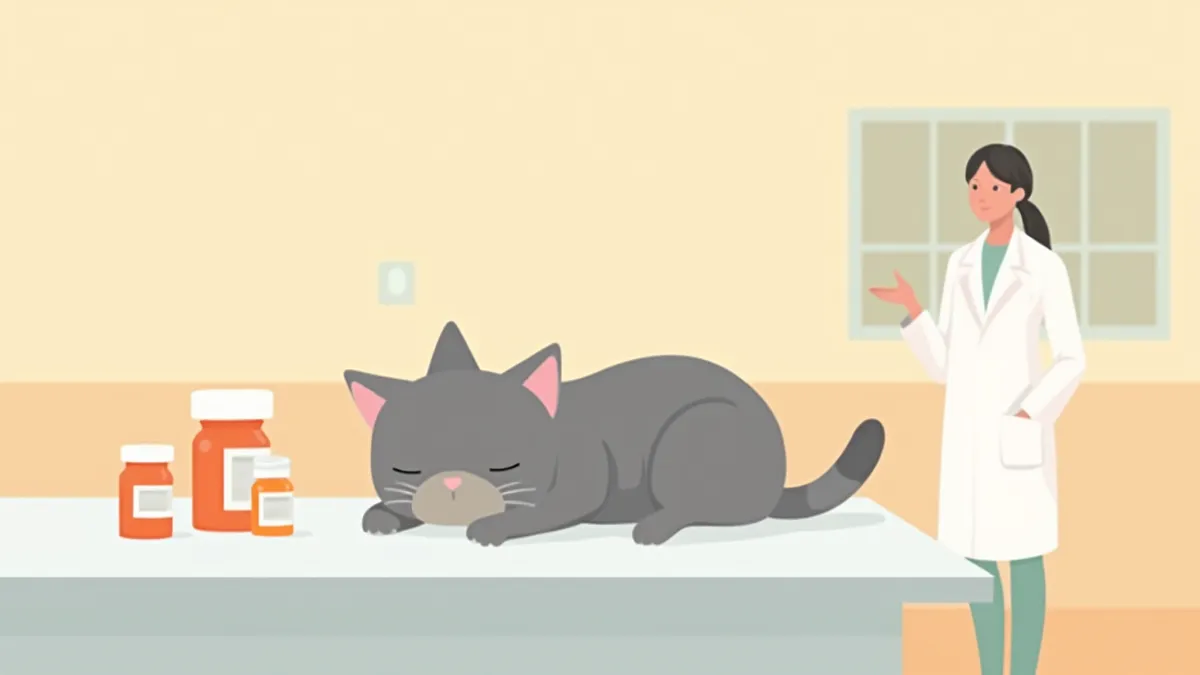
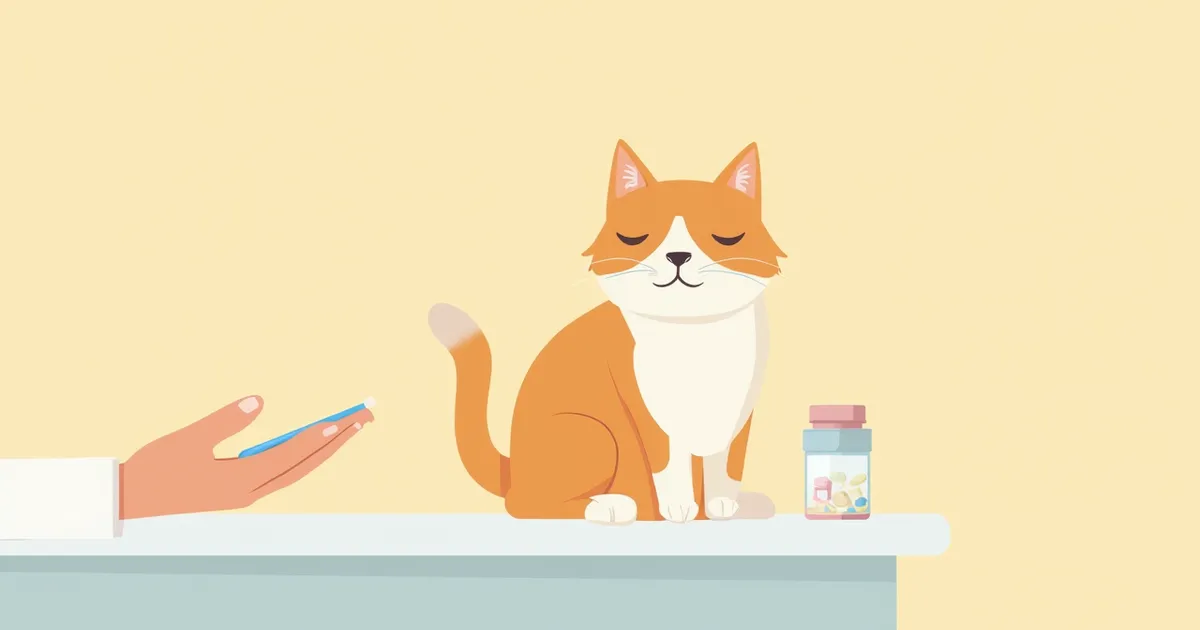
A cat on the veterinarian’s examination table and a bottle of anticonvulsant medication
Feline anticonvulsants are nervous system medications prescribed by veterinarians to suppress seizures caused by abnormal electrical signals in the brain. The most critical point is that once treatment begins, owners must never discontinue the medication on their own. Abrupt cessation can worsen seizures or trigger cluster seizures, where multiple seizures occur in rapid succession. Consistently adhering to the dosage and schedule set by your veterinarian is the foundation of effective treatment.

Types of Anticonvulsants Commonly Prescribed for Cats

These are the main anticonvulsant medications prescribed for cats.
Phenobarbital: This is the oldest and most well-established medication. Because it can affect liver function (hepatotoxicity), regular monitoring through blood tests and drug level checks is essential.
Levetiracetam: This drug is not metabolized by the liver, placing less burden on it, and has become increasingly common in prescriptions. It is typically administered three times daily at 8-hour intervals, though some cats achieve good seizure control with just two doses per day.
Zonisamide: This is used as an adjunctive anticonvulsant for cats that do not respond well to phenobarbital. Side effects may include decreased appetite, vomiting, diarrhea, drowsiness, and ataxia (loss of coordination). Cats tend to be more sensitive to this medication than dogs.
The specific medication and dosage are determined by your veterinarian based on the type of seizures and any underlying health conditions.

Key Checklist for Medication Management — Follow These and See a Difference

Keep a consistent schedule: Administer the medication at the same time every day to maintain a steady concentration in the bloodstream.
Keep a medication log: Recording the time and amount given will be very helpful during your next veterinary visit.
Do not stop abruptly: Even if seizures seem to have stopped, do not discontinue the medication without your veterinarian’s guidance.
Do not adjust the dose on your own: Do not reduce the dosage simply because your pet appears to be improving.
Store safely: Keep the medication out of direct sunlight and in a place inaccessible to children and other pets.
A pet owner keeping track of their cat’s anticonvulsant medication schedule

Situations Requiring Immediate Emergency Veterinary Care

If a seizure lasts more than five minutes, occurs two or more times in a single day, or if your pet does not regain consciousness within an hour after the seizure, seek emergency veterinary care immediately. These situations can lead to brain damage.

How to Administer Medication to Cats — Practical Tips
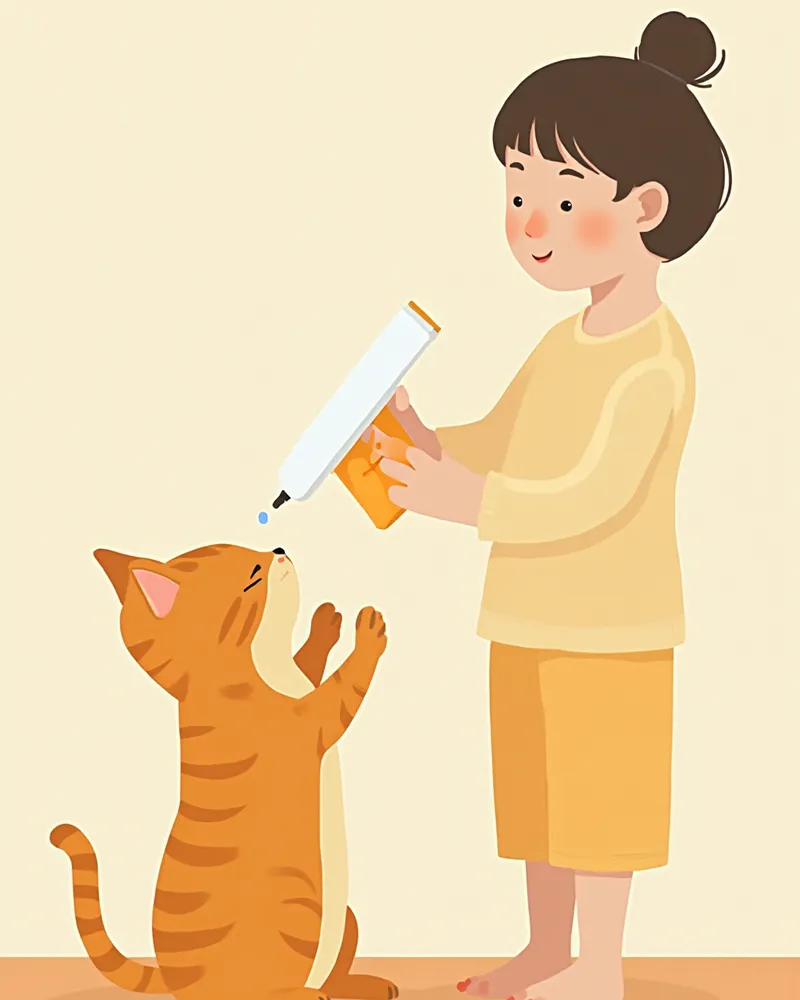
Giving your cat a pill can be challenging, but there are several methods you can try. First, you can use a pill gun to place the medication at the back of the throat without having to touch it directly with your hands. Second, you can hide the pill in a small amount of wet food. However, please consult your veterinarian first to ensure this is safe for your cat’s specific dietary needs. Third, you can crush the pill into a powder and mix it in, but this method isn’t suitable for all medications. Always ask your veterinarian before attempting this.
Administering anticonvulsant medication to a cat as part of essential treatment

Monitoring for Side Effects — Notify Your Veterinarian If You Notice These Symptoms
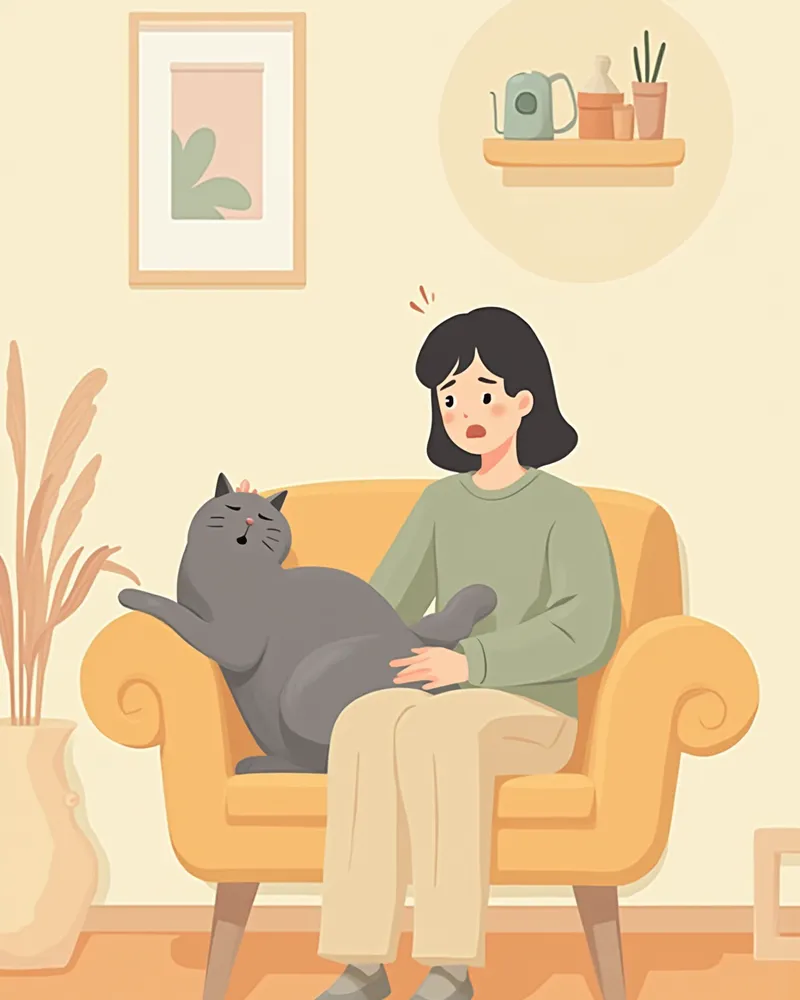
Excessive drowsiness or lethargy: This may occur temporarily at the start of treatment. If it persists for more than two weeks, a dosage adjustment is needed.
Changes in appetite: Let your veterinarian know if your pet’s appetite drops suddenly or if they start overeating.
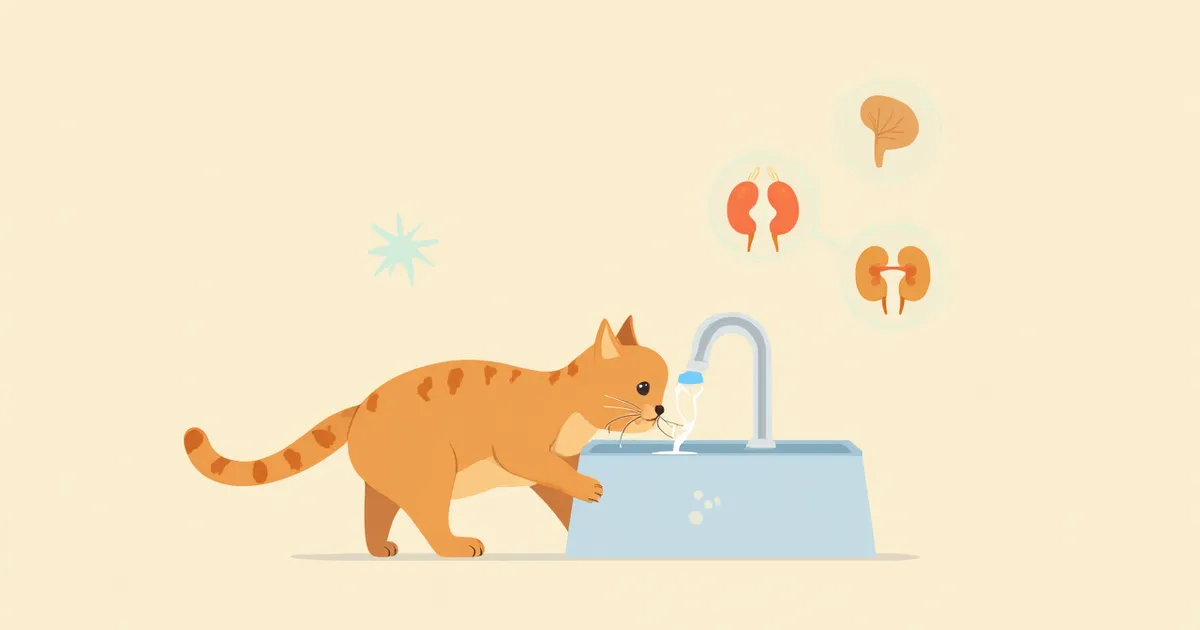
Increased thirst and urination: If your pet suddenly drinks a lot more water and urinates more frequently, liver and kidney values should be checked.
Signs of jaundice: If the whites of the eyes or gums turn yellow, seek veterinary care immediately, as this may indicate liver damage.
A pet owner checking for side effects in their cat

Things You Must Never Do

Never share anticonvulsants prescribed for another cat or dog with your pet. Even if the medications look identical, the dosage is carefully tailored to each animal’s weight and condition. It is also strictly forbidden to administer human medications or any drugs not prescribed by a veterinarian based on your own judgment. Cats metabolize drugs differently than dogs and humans, which can lead to unexpected adverse reactions. Additionally, it is dangerous to double the next dose if you miss one. If you miss a dose, always consult your veterinarian for guidance on how to proceed.

Regular Blood Tests — When and Why?

Cats taking anticonvulsants require regular blood tests. Phenobarbital, in particular, can affect the liver, so serum drug levels are typically checked for the first time about 7–14 days (approximately 10 days) after starting the medication or adjusting the dose. Thereafter, depending on the cat’s condition, we recommend monitoring drug levels along with a complete blood count (CBC), serum chemistry panel, and bile acids test every 3–12 months (usually every 4 months). Serum drug level testing ensures the medication remains within the therapeutic range, and dosages may be adjusted based on the results. All such decisions are made by your veterinarian.

Reviewed by a veterinarian

Dr. Tony — Punnawat Phongkittirak

Dr. Tony — Punnawat Phongkittirak

Veterinarian

A veterinarian who majored in veterinary medicine at Khon Kaen University, Thailand, and completed the IVSA program at North Carolina State University in the United States. Drawing on clinical experience at animal hospitals, he works in the pet healthcare field and is dedicated to building a digital care environment that connects pet parents with veterinarians.

Frequently Asked Questions

I missed one dose of the medication. Should I give double the next dose?
No. If you realize you missed a dose and the next scheduled dose is approaching, simply administer the next dose as usual. To be on the safe side, contact your veterinarian for guidance if you're unsure.
My dog hasn’t had a seizure in a while. Can I stop the medication?
Never stop the medication on your own. The absence of seizures is a sign that the medication is working effectively. Always consult with your veterinarian before deciding whether to discontinue the treatment.
My cat is stumbling after taking medication. Is this normal?
These symptoms may appear temporarily when you first start giving the medication. If they persist or worsen after a few days, please inform your veterinarian, as a dosage adjustment may be necessary.
Do I need to give my pet anti-seizure medication for life?
It depends on the underlying cause. If there is an underlying condition such as a brain tumor or encephalitis, lifelong management is often necessary. For idiopathic epilepsy (of unknown cause), your veterinarian may consider reducing or discontinuing medication based on your pet’s condition.
I’m not sure if my pet swallowed the medication or spit it out. How can I check?
After administering the medication, check around your cat’s mouth for about 30 seconds and look on the floor to see if any of the medicine has fallen out. If you’re unsure whether the full dose was given, it’s safest to contact your veterinarian for guidance before giving another dose.

Share

Related Guides

References

[1] Little S, ed. The Cat: Clinical Medicine and Management, 2nd Edition. Saunders; 2012.

[2] Drobatz KJ, Costello MF, eds. Feline Emergency and Critical Care Medicine, 2nd Edition. Wiley-Blackwell; 2010.

[3] Osweiler GD et al. Blackwell's Five-Minute Veterinary Consult Clinical Companion: Small Animal Toxicology, 3rd Edition. Wiley-Blackwell; 2023.

This information is based on veterinary literature and does not replace diagnosis or treatment. Please consult a veterinarian for specific health concerns.

Metapet Co., Ltd. | CEO: Park Sung-yong | Business Reg. No. 417-88-02562 | Seoul, South Korea | Customer Center

Cat Anticonvulsants: Side Effects & Dosing Guide | Meongsiljang