
Early Screening for Kidney Function in Dogs (SDMA) — Why It’s Needed and When to Get It
Early screening for kidney function in dogs (SDMA) is a key test for detecting kidney damage caused by aging or disease at an early stage. We’ve compiled essential questions and answers that pet owners should know.
What Is Early Screening for Kidney Function (SDMA) in Dogs?
Why Is the SDMA Test More Important Than Traditional Tests?
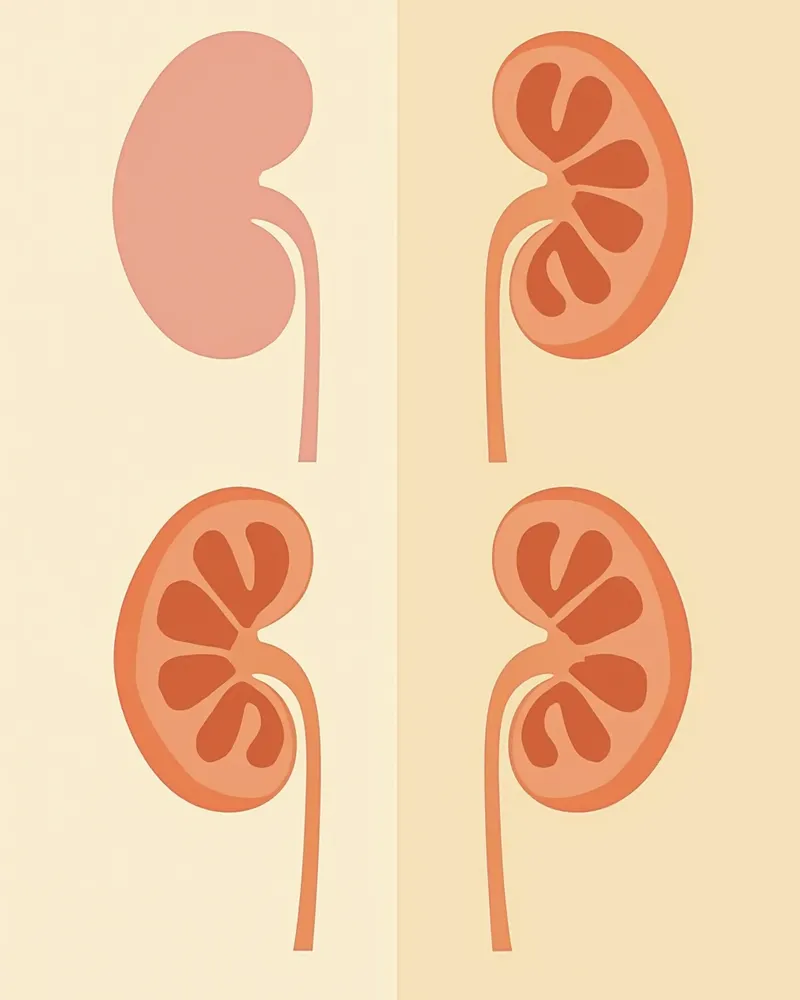
When Should Dogs Get an SDMA Test?

What to Do If SDMA Test Results Are High
High SDMA Levels Require an Immediate Veterinary Visit
If SDMA levels fall outside the normal range, it may indicate a decline in kidney function. However, SDMA can also be elevated due to non-renal factors such as dehydration, so it’s important to consult with your veterinarian for retesting and additional diagnostics to determine the underlying cause.
5 Signs to Check Along With the SDMA Test

SDMA Test vs. Traditional Kidney Tests: A Comparison
| Item | SDMA test | Creatinine test |
|---|---|---|
| Point of early detection | Rises when about 40% of kidney function is lost | Rises when about 75% of kidney function is lost |
| Sensitivity for early detection | High (rises earlier) | Low (rises in later stages) |
| Recommended use | Useful for early screening and routine monitoring | Basic marker for assessing kidney function |
| Cautions in interpretation | May reflect extra-renal causes such as dehydration or give false positives; retesting needed | May read low when muscle mass is reduced |
SDMA rises earlier than creatinine, making it useful for early detection of kidney disease, but false positives can occur due to extra-renal factors such as dehydration or assay variability, so retesting and trend monitoring are needed.
4 Management Tips After an SDMA Test

Reviewed by a veterinarian

Dr. Tony — Punnawat Phongkittirak
VeterinarianA veterinarian who majored in veterinary medicine at Khon Kaen University, Thailand, and completed the IVSA program at North Carolina State University in the United States. Drawing on clinical experience at animal hospitals, he works in the pet healthcare field and is dedicated to building a digital care environment that connects pet parents with veterinarians.
Reviewed 2026-06-05
Frequently Asked Questions
Does the SDMA test cause pain in dogs?
How much does an SDMA test cost?
If my pet’s SDMA test result is high, do I absolutely need to visit the vet?
My dog is 3 years old. Can he have an SDMA test?
If the SDMA test results are normal, can I rest assured?
Share
Related Guides

Top 5 Prescription Diets for Cats with Chronic Kidney Disease — Stage-Specific Protein Adjustment

7 Emergency Signs and Causes of Acute Kidney Failure in Dogs You Must Not Miss

Top 5 Cat Kidney Supplements Recommended for 2026
Dog Bladder Ultrasound Exam FAQ — Key Information Every Pet Owner Should Know

Frequently Asked Questions About Bladder Nerve Stimulation Therapy for Dogs — Key Information Every Pet Owner Should Know

Dog Bladder Diverticulum FAQ — Key Information Every Pet Owner Should Know

Canine Amyloid Nephropathy FAQ — Key Information Every Pet Owner Should Know

Frequently Asked Questions About Feline Urinary Stone Prevention Diets — Key Essentials for Pet Owners

Frequently Asked Questions About Feline Urine Specific Gravity Testing — Key Information Every Pet Owner Should Know

Cat Urine pH Management FAQ — Key Information Every Pet Owner Should Know
References
[1] Plumb's Veterinary Drug Handbook, 9th Edition, 2022
[2] The Cat, Clinical Medicine and Management, 2nd Edition, 2021
[3] Veterinary Clinical Pathology, 5th Edition, 2020