Like
Share
멍실장
강아지 꼬리 종류와 의미 완벽 정리

A Complete Guide to Dog Tail Types and Their Meanings

Brain & CognitionQ&AMeongsiljang Veterinary Advisory Board

A dog’s tail varies in shape depending on breed and genetics, and its position and movement reveal its emotional state. Here’s a summary of the characteristics of different tail types and the emotional signals they convey.

Dog Tail Types and Meanings at a Glance
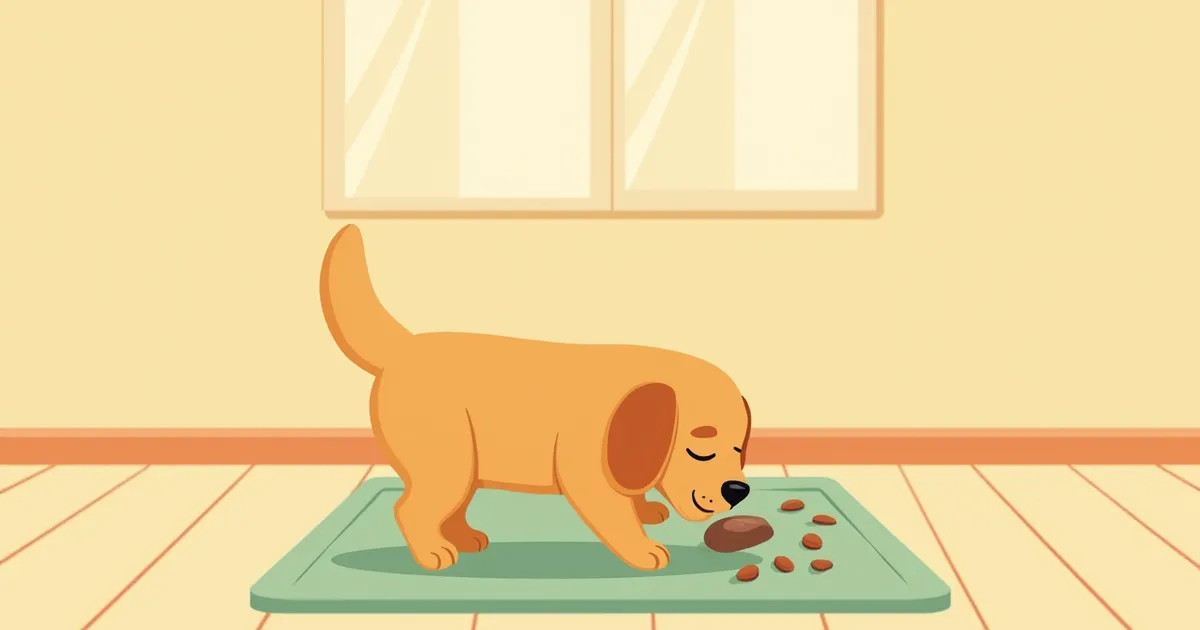
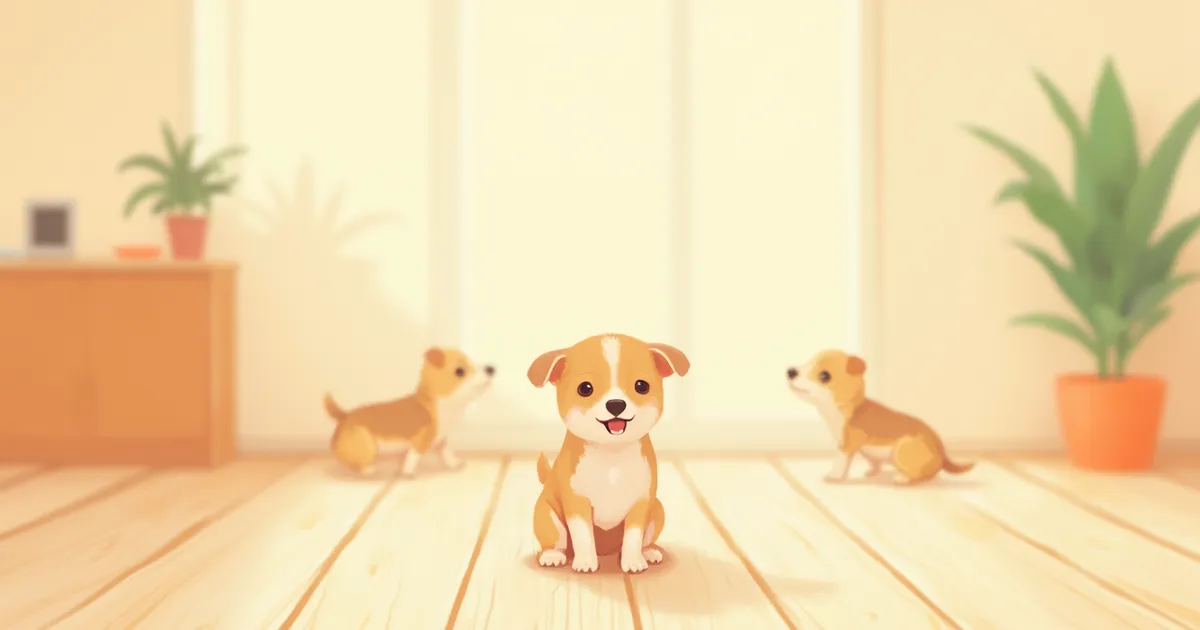
Two puppies with different tail shapes
A dog’s tail varies in shape depending on breed-specific genetic traits, and it serves as a vital body language tool that conveys emotions through its position, wagging speed, and direction. The key is to assess tail shape and movement separately. While tail shape is innate and not directly linked to personality, the height of the tail, the speed of its wag, and its direction accurately reflect the dog’s current mood. Understanding both breed characteristics and emotional signals helps ensure clear, misunderstanding-free communication.

The Basic Functions of a Dog’s Tail

A tail is far more than just a decorative feature. It is an extension of the spine, composed of tail vertebrae, muscles, and nerves, and functions like a rudder to maintain balance and aid in turning. Dogs use their tails to stabilize themselves while swimming or running at high speeds, and they curl around their bodies to cover their faces and conserve body heat on cold days. Most importantly, the tail is a key component of body language used to communicate with other dogs and their owners. Dogs with short or absent tails compensate by relying more heavily on other physical cues—such as ear position, mouth movements, and overall posture—to convey their emotions.

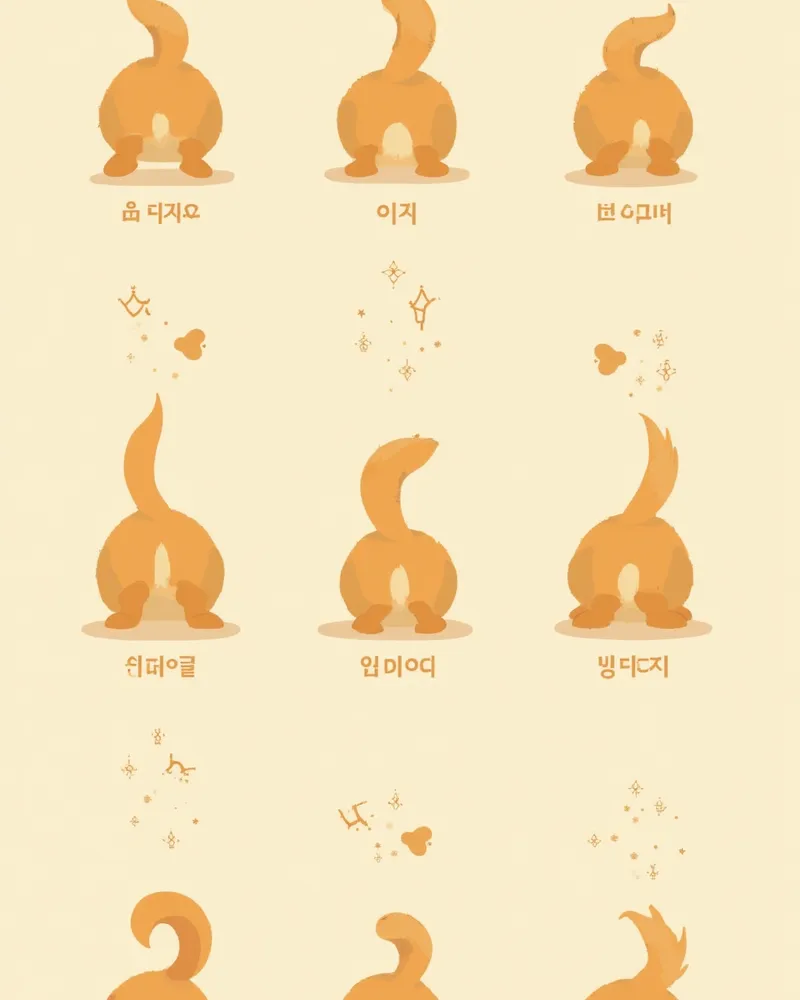
Eight Tail Types by Shape

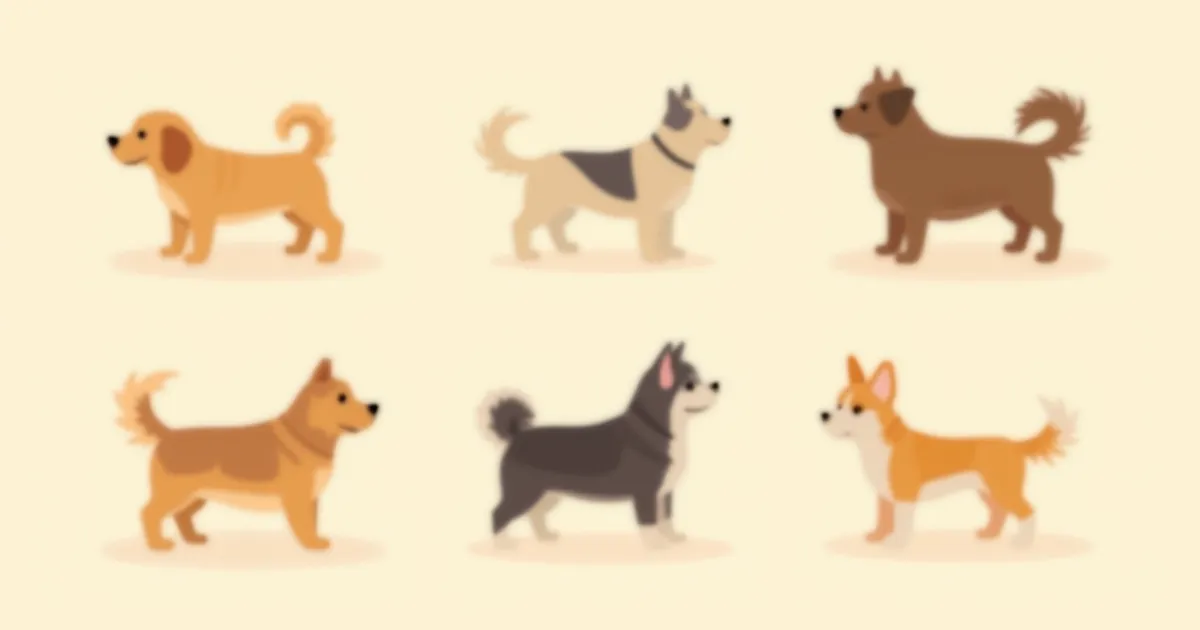
Tail shape is determined by genetics and can be broadly categorized into straight, curled, sickle, pillar, and short-tailed types. The table below summarizes representative tail types and their corresponding breeds. See which type your pet most closely resembles.
An illustration showcasing eight different types of dog tails

Characteristics and Representative Breeds by Tail Type

ItemShape characteristicsRepresentative breeds
Straight tailExtends straight outBeagle, Labrador
Curled tailCurls round over the backShiba, Akita, Pomeranian
Sickle tailCurves upward like a crescent or sickleHusky, Samoyed
Otter tailThick, heavy otter-like tailLabrador Retriever
Plume tailLong fur flowing like a flagGolden Retriever, Shih Tzu
Whip tailThin, long whip-like shapeGreyhound, Whippet
Kink tailBent in the middle or spiral-shapedPug, Bulldog
BobtailCongenitally very shortWelsh Corgi, Old English Sheepdog

There is individual variation even within the same breed.

Reading Emotional Signals from Tail Movements

A dog’s tail position and wagging style are honest indicators of its emotional state. Here are the key signals to look for: - Held high, wagging rapidly or stiffly: This can indicate excitement or confidence, but it may also signal uncertainty, wariness, or tension, so caution is advised. - Held horizontally, as if scanning: The dog may be observing its surroundings and showing interest. - Held at a mid-level, wagging gently: This is a friendly greeting signal, indicating a relaxed body. - Tucked between the legs: This signals anxiety or fear, often accompanied by a lowered body and ears pinned back. - Held stiff and rigid: This is a sign of tension or alertness; rapid, stiff movements may indicate anxiety or defensiveness. - Wagging broadly while in a play bow (front legs extended, front end lowered, rear end raised): This is a friendly invitation to play. - Never interpret tail signals in isolation: To accurately read your dog’s emotions, always consider the tail signal alongside other body language cues, such as posture, ear position, head tilt, and lip movement.

Not All Tail Wagging Means Happiness

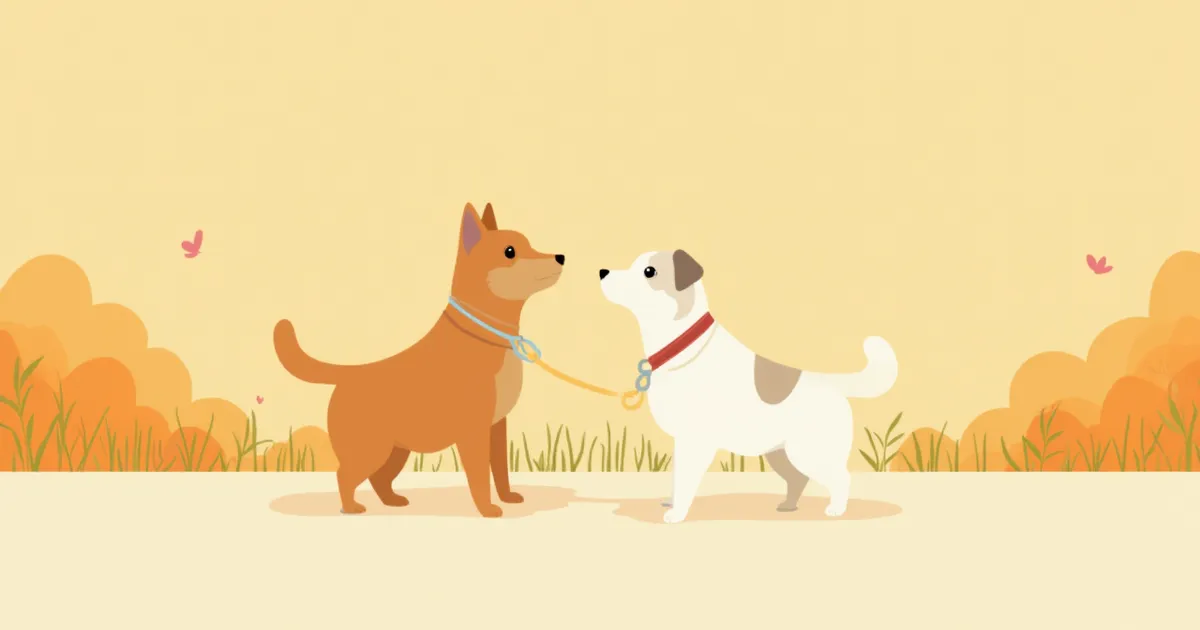
Wagging a tail is simply a sign that a dog is communicating, not necessarily that it’s happy. If the tail is held high above the body and stiffly trembling, the dog is tense and on guard; approaching in this state can lead to bites. When meeting an unfamiliar dog, observe the tail’s height and wagging speed, along with ear position and mouth shape, to approach safely.

How Do Dogs with Short or No Tails Communicate?
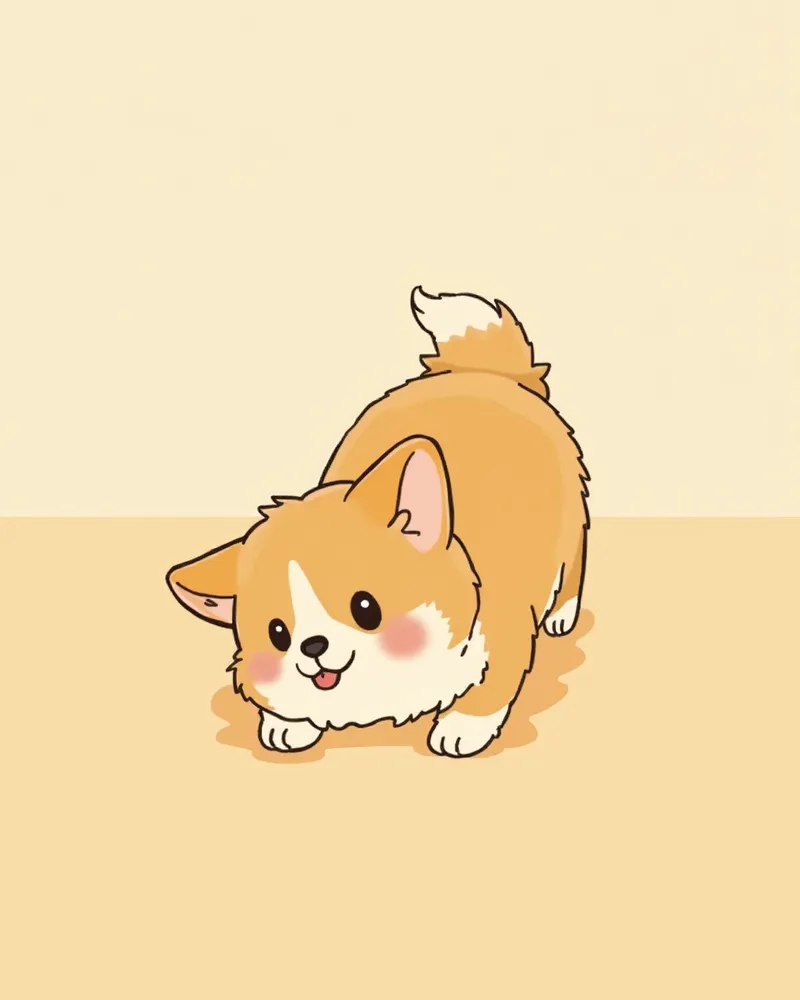
Dogs with naturally short tails (such as Welsh Corgis and Old English Sheepdogs) or those whose tails have been shortened due to injury or surgery may find it difficult to express their emotions through tail movements alone. In these cases, they often convey their feelings by wiggling their entire hindquarters, or through their ears, mouth, eye contact, and body posture. To communicate effectively and avoid misunderstandings, owners should observe the angle of the ears, the relaxation of the eyes, and the dog’s weight distribution in addition to tail signals. Because these dogs may also send weaker signals to other dogs, socialization training becomes even more important.
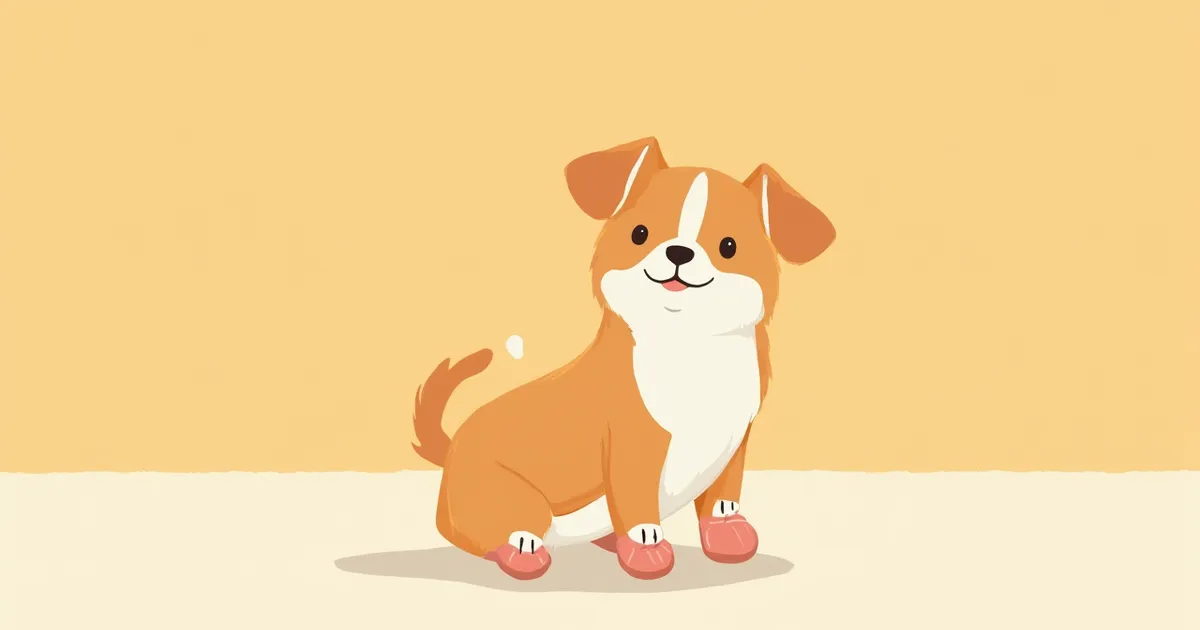
A short-tailed Welsh Corgi wagging its hindquarters

Tail Abnormalities That Require a Vet Visit

The tail is directly connected to the spine and nervous system, so signs of trauma or neurological issues often appear there first. Visit a veterinarian if you notice any of the following symptoms: - Tail hanging limply with no movement: This may indicate trauma or spinal/neurological damage. - Excessive licking or chewing of the tail tip: This could signal skin or behavioral issues and requires evaluation. - Yelping or aggression when the tail area is touched: This may suggest neurological problems such as intervertebral disc disease (IVDD) or spinal tumors. - Accompanied by abnormal defecation or urination: This could be an emergency sign of damage to the cauda equina (sacral and tail nerves).

Daily Habits to Maintain Tail Health

The tail is surprisingly prone to injury, so regular care is essential. - Watch for doors: Always check the tail’s position before closing doors. - Post-bath care: Thoroughly dry the area under the tail and around the anal sacs to prevent dermatitis. - Long-haired breed grooming: Frequently check plume-like tails for tangles and fecal contamination. - Post-walk inspection: Gently stroke the tail to check for thorns, ticks, or minor injuries. - Never pull the tail: Educate children and family members that the tail should never be grabbed or pulled.

Reviewed by a veterinarian

Dr. Tony — Punnawat Phongkittirak

Dr. Tony — Punnawat Phongkittirak

Veterinarian

A veterinarian who majored in veterinary medicine at Khon Kaen University, Thailand, and completed the IVSA program at North Carolina State University in the United States. Drawing on clinical experience at animal hospitals, he works in the pet healthcare field and is dedicated to building a digital care environment that connects pet parents with veterinarians.

Frequently Asked Questions

Does wagging their tail always mean they’re happy?
Not necessarily. Tail wagging simply indicates that a dog’s emotions are aroused; they may also wag their tails when tense or on alert. It’s important to consider the height and speed of the wag, as well as the dog’s overall body posture.
Why has my pet’s tail suddenly drooped?
A dog’s tail may temporarily droop after swimming, excessive exercise, or exposure to cold. However, the exact cause should be confirmed through a veterinary examination, as it could also indicate trauma or spinal or nerve issues. If the symptom persists or is accompanied by pain, do not wait for improvement; it is safest to have your pet undergo a neurological and spinal examination at a veterinary clinic.
Can you tell a dog’s personality by its tail shape?
Tail shape is primarily an innate physical trait, so it’s difficult to directly link it to personality. Since temperament and behavior are influenced by breed characteristics, the degree of socialization, and individual experiences, it’s best not to judge a dog’s personality based solely on tail shape.
Is it okay if my dog chases its tail too often?
While occasional spinning in young puppies is generally harmless, if an adult dog repeatedly spins in place or chews its tail, it could indicate compulsive behavior, a skin condition, or a neurological issue, so consulting a veterinary behaviorist is recommended.
Is tail docking really necessary?
Tail docking for cosmetic purposes, without a medical reason, is not recommended either domestically or internationally. The tail is an essential organ for expressing emotions and maintaining balance, and docking it can alter the anatomy and function of the perineal area, potentially causing or worsening urinary incontinence. Therefore, it’s best to avoid tail docking unless there is a specific medical justification.

Share

Related Guides

References

[1] Horwitz, D.F. & Mills, D.S., BSAVA Manual of Canine and Feline Behavioural Medicine, 2nd Edition, 2009

[2] Siniscalchi, M. et al., Seeing Left- or Right-Asymmetric Tail Wagging Produces Different Emotional Responses in Dogs, Current Biology, 2013

[3] Overall, K.L., Manual of Clinical Behavioral Medicine for Dogs and Cats, 2013

This information is based on veterinary literature and does not replace diagnosis or treatment. Please consult a veterinarian for specific health concerns.

Metapet Co., Ltd. | CEO: Park Sung-yong | Business Reg. No. 417-88-02562 | Seoul, South Korea | Customer Center

Dog Tail Types and Their Meanings: A Complete Guide | Meongsiljang