Like
Share
멍실장
강아지 안검외반(눈꺼풀 뒤집힘) 자주 묻는 질문 Q&A — 보호자가 꼭 알아야 할 핵심

If Your Dog Has Red Eyes and Excessive Tearing — Causes of Ectropion and When to Act

Eye HealthQ&AMeongsiljang Veterinary Advisory Board

Ectropion in dogs is a condition where the eyelid turns outward, causing irritation to the eye, and certain breeds are at a higher risk. Here’s a summary of the key information pet owners should know.

What Is Ectropion (Eyelid Turning Outward) in Dogs?
A medical illustration showing the eye structure of a dog with ectropium
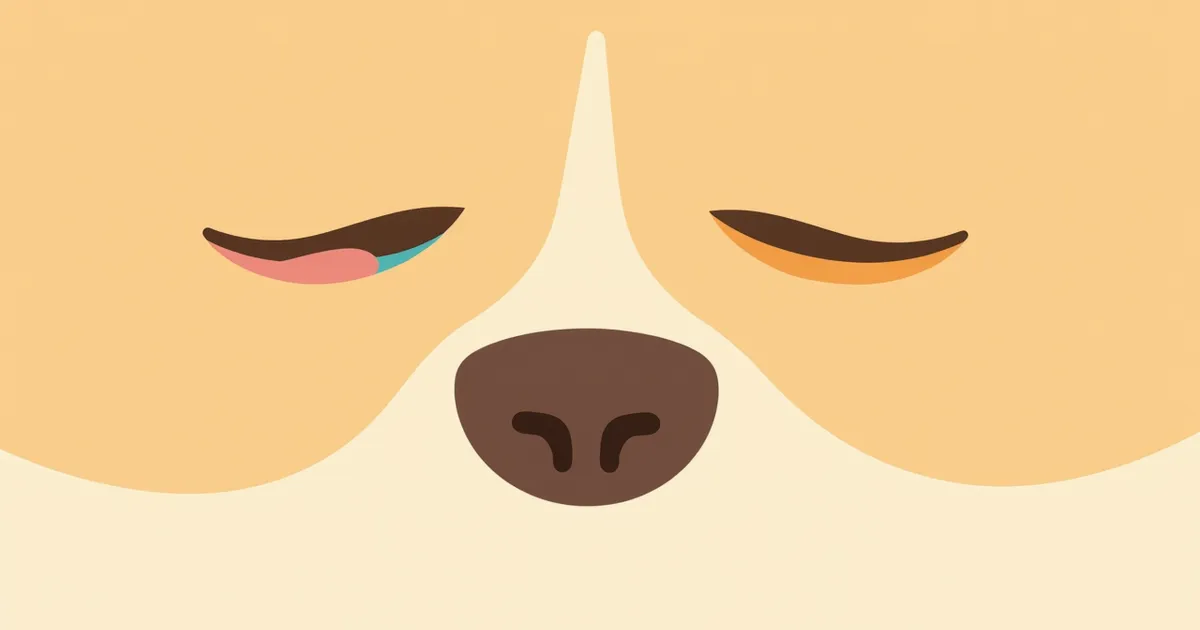
Ectropion in dogs is a condition where the lower eyelid rolls outward and turns inside out, causing excessive exposure of the eye’s surface. It commonly occurs in breeds with loose eyelids or loose facial skin. When the eye surface is exposed, the conjunctiva and cornea can become dry and irritated, leading to keratoconjunctivitis. Although ectropion is less likely than entropion to cause severe corneal damage, leaving it untreated can result in progressive issues such as increased tearing, redness, and infection. In the early stages, symptoms may appear as excessive tearing or mild redness, so it’s important to consult a veterinarian if you notice these signs.

What Are the Main Causes of Ectropion?
The primary causes of ectropion in dogs are genetic and anatomical factors. It commonly occurs in breeds with thin, loose eyelids or loose facial skin. Large breeds with loose facial skin, such as Bloodhounds, Saint Bernards, Newfoundlands, and Cocker Spaniels, are at higher risk. Ectropion can also develop from acquired causes, such as scar tissue (cicatrix) formed by wound contraction after trauma or overcorrection from prior entropion surgery. Additionally, age-related laxity and loss of elasticity in the eyelid tissues frequently lead to acquired outward turning of the eyelids.
An illustration showing the eye structure of brachycephal dog breeds and the risk factors for ectropion

What Are the Main Signs of Ectropion?
The main signs of ectropion in dogs are constant tearing and redness of the eyes. When the everted eyelid irritates the eye, your dog will rub its eyes more often and blink more frequently. If the condition worsens, it can lead to keratitis or conjunctivitis, causing the eyes to become red and cloudy. Persistent tearing can also soak the fur around the eyes, leading to matting, odor, or even dermatitis. A sign that owners often overlook is frequent eye-rubbing.
An illustration in a photo-realistic style of a puppy with tearing and redness in the eyes due to ectropion

Signs That Require Immediate Veterinary Care

If your pet’s eyes become red or cloudy, tear excessively, or if they rub their eyes frequently and intensely, seek veterinary care immediately. Corneal damage or infection can progress to vision loss. Especially if your pet shows light sensitivity or keeps their eyes closed, this may be an emergency. Prompt diagnosis and treatment by a veterinarian are essential.

Comparison of Mild, Moderate, and Severe Symptoms of Ectropion

ItemMildModerateSevere
TearingOccasionalConstantExcessive
Eye RednessSlightClearSevere
Squinting/PhotophobiaNoneOccasionalVery frequent
Risk of Corneal DamageLowModerateHigh

The more severe the symptoms become, the greater the risk of vision loss, so early intervention is important.

What Are the Treatment Options for Ectropion?
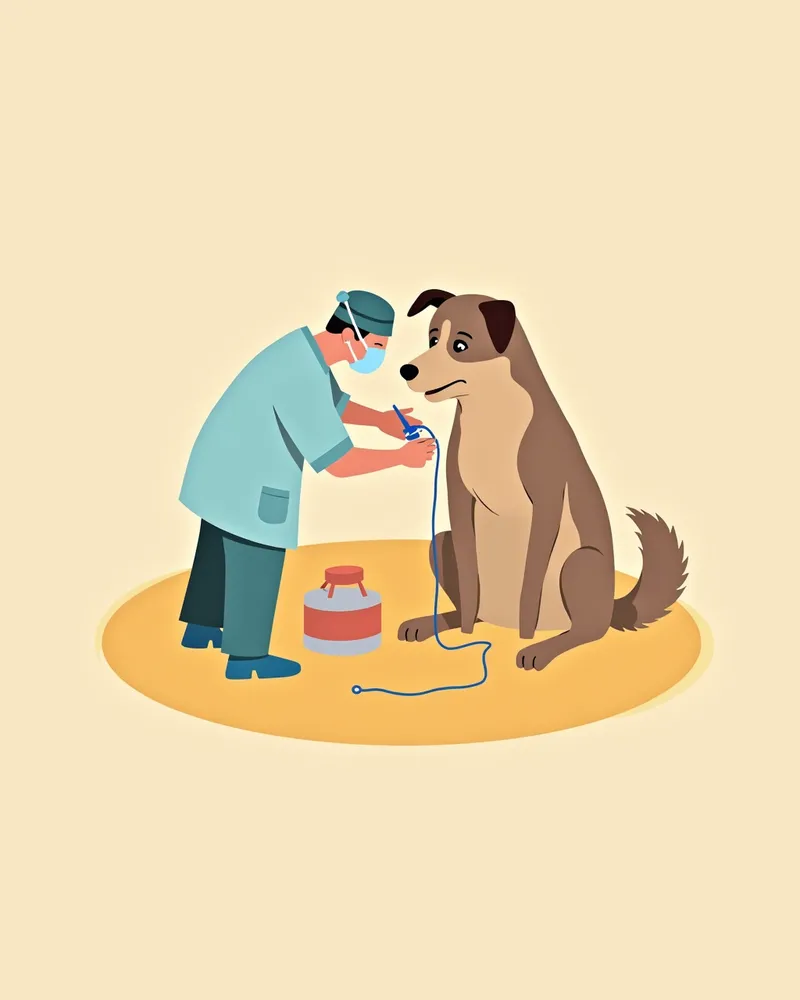
Treatment for ectropion depends on the severity of symptoms. In mild cases without complications, symptoms can be managed with lubricating and protective eye drops along with anti-inflammatory eye drops. Surgery is considered when significant secondary conditions, such as corneal damage, are present. Surgical options include excising a portion of the drooping eyelid (wedge resection) or using a V-Y plasty to reposition the eyelid to its normal position. Because complications such as overcorrection or undercorrection can occur, a veterinarian determines the suitability and timing of surgery. It is generally recommended to perform the procedure after the eyelid has reached morphological maturity, typically after 6 to 12 months of age. Postoperatively, antibiotic and anti-inflammatory eye drops may be used as needed, and care must be taken to prevent the pet from touching its eyes.
A medical illustration showing the surgical procedure for canine entropion correction

Ectropion Care Tips

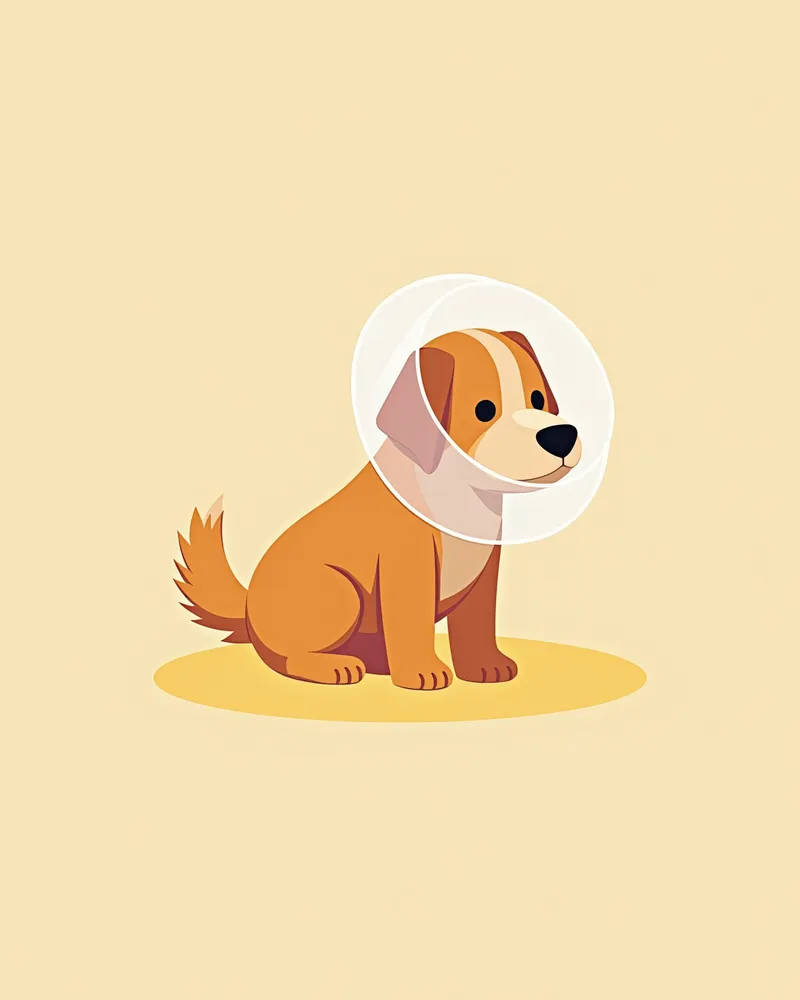
Consistent aftercare is essential following ectropion surgery. - Keep the eye area clean: Gently wipe away tear stains with a soft cloth to reduce the risk of infection. - Use prescribed eye drops: It is important to accurately administer the anti-inflammatory and antibiotic eye drops prescribed by your veterinarian to alleviate inflammation and support healing. - Prevent self-trauma: Protect the surgical site by fitting your pet with an Elizabethan collar (cone) to prevent scratching or rubbing. - Monitor the cornea and incision: Frequently check the health of the cornea until the eyelid has fully healed, and attend post-operative follow-up visits for a thorough examination of the eye. - Observe for changes: Consult your veterinarian immediately if you notice redness or an increase in discharge.
Illustration showing how to care for a dog wearing a protective cone after surgery

Breed-Specific Precautions and Prevention Tips

Large breeds with loose facial skin, such as Bloodhounds, Saint Bernards, Newfoundlands, and Cocker Spaniels, are at higher risk for ectropion. Before adopting, carefully examine your dog’s eyes and eyelids to check for outward rolling or inversion of the eyelid margin. If you notice any abnormalities, consult your veterinarian. Early detection and proper management are key to treating ectropion. This condition can also result from trauma, scar contracture, or overcorrection during entropion surgery, so continue monitoring your dog’s eyes post-surgery and seek veterinary care immediately if any signs of trouble appear.

Reviewed by a veterinarian

Dr. Tony — Punnawat Phongkittirak

Dr. Tony — Punnawat Phongkittirak

Veterinarian

A veterinarian who majored in veterinary medicine at Khon Kaen University, Thailand, and completed the IVSA program at North Carolina State University in the United States. Drawing on clinical experience at animal hospitals, he works in the pet healthcare field and is dedicated to building a digital care environment that connects pet parents with veterinarians.

Frequently Asked Questions

Is ectropion hereditary?
Yes, ectropion is a condition strongly influenced by genetic (breed-related) factors. It is particularly common in breeds with loose eyelids or loose facial skin, so it’s a good idea to consider both the breed’s characteristics and the condition of the eyelids when adopting a pet.
Can ectropion be cured without surgery?
In mild cases without complications, symptoms can be managed with lubricating and anti-inflammatory eye drops. However, spontaneous return to the normal position is rare, and surgery is recommended if significant secondary conditions such as corneal damage are present.
Is there a chance of the condition returning after surgery?
Even after surgery, complications such as overcorrection or undercorrection, as well as trauma or scar contraction, can cause the eyelid to become misaligned again. That’s why regular check-ups and proper care are essential.
How much does ectropion surgery cost?
Surgical costs vary depending on the individual pet and the clinic. Typically, they range from $70 to $200. Please consult with your veterinarian to establish a budget.
Should I avoid touching my pet's eyes after surgery?
After surgery, it's important to avoid touching the eyes. Since the risk of infection increases, please follow your veterinarian's instructions if you're unable to manage care on your own.

Share

Related Guides

References

[1] Gelatt KN et al. (2013) Veterinary Ophthalmology, 2nd ed. Wiley-Blackwell, Oxford, UK.

[2] Côté E. (2015) Clinical Veterinary Advisor: Dogs and Cats, 3rd ed. Elsevier Mosby.

[3] Ettinger SJ, Feldman EC, Côté E. (2017) Textbook of Veterinary Internal Medicine: Diseases of the Dog and the Cat, 8th ed. Elsevier.

This information is based on veterinary literature and does not replace diagnosis or treatment. Please consult a veterinarian for specific health concerns.

Metapet Co., Ltd. | CEO: Park Sung-yong | Business Reg. No. 417-88-02562 | Seoul, South Korea | Customer Center

Ectropion in Dogs: Causes of Red, Watery Eyes & When to Act | Meongsiljang