Like
Share
멍실장
강아지 부갑상선기능저하증 자주 묻는 질문 Q&A — 보호자가 꼭 알아야 할 핵심

Sudden Seizures and Tremors in Your Dog? — Warning Signs of Hypocalcemia from Hypoparathyroidism

EndocrineQ&AMeongsiljang Veterinary Advisory Board

Canine hypoparathyroidism is an endocrine disorder characterized by seizures and muscle rigidity due to impaired calcium regulation. Here’s a summary of the key information every pet owner should know.

What Is Canine Hypoparathyroidism?

An anatomical diagram showing the location of the parathyroid glands in a dog's neck.
Canine hypoparathyroidism is an endocrine disorder in which insufficient parathyroid hormone (PTH) impairs the body’s ability to regulate blood calcium levels. When PTH is low, blood calcium drops while phosphorus rises, leading to neuromuscular dysfunction that can manifest as muscle tremors, cramps, or seizures. The most common cause is idiopathic autoimmune damage to the parathyroid glands, though the condition can also result from accidental damage to these glands during neck surgery. Congenital absence of the parathyroid glands is very rare. Because severely low calcium levels can be life-threatening, early detection is crucial, and regular check-ups along with close monitoring of symptoms are key to effective management.

What Are the Main Causes of This Condition?

The main cause of hypoparathyroidism in dogs is a decrease in parathyroid hormone (PTH) secretion due to damage or impaired function of the parathyroid tissue. The most common cause cited in textbooks is autoimmune (idiopathic) hypoparathyroiditis caused by lymphocytic infiltration. It can also occur when the parathyroid glands are removed or damaged during neck surgery, though this is often temporary. Conditions such as tumors that have metastasized to the parathyroid glands can also be a cause, while congenital absence of the parathyroid glands is very rare. Identifying the exact cause is essential for early diagnosis and developing an appropriate treatment plan.
A scene of a dog undergoing neck surgery

What Are the Main Symptoms?

The main symptoms of hypoparathyroidism in dogs stem from increased neuromuscular excitability due to low blood calcium levels. You may notice sudden episodes of face rubbing or twitching, individual muscle fasciculations, muscle stiffness and spasms, or seizures. As the condition progresses, it can lead to generalized rigidity (tetany), often accompanied by loss of appetite or lethargy. These symptoms frequently come and go intermittently. Additionally, low calcium levels can cause heart rhythm abnormalities, such as bradycardia. Careful observation by pet owners in daily life is essential for early detection.
A puppy experiencing muscle spasms

Signs Requiring Immediate Veterinary Care

If your dog suddenly has a seizure, experiences muscle stiffness, or shows signs of labored breathing, seek veterinary care immediately. A rapid drop in calcium levels can be life-threatening, so prompt evaluation by a veterinarian is essential.

How Is It Diagnosed?
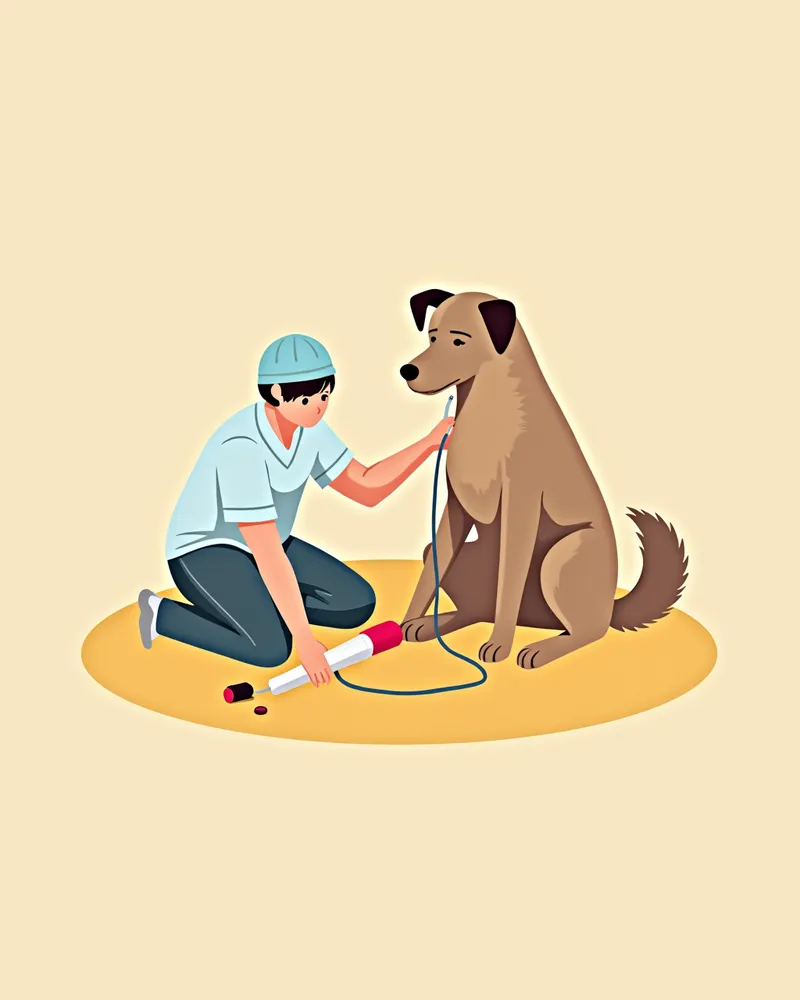
Hypoparathyroidism in dogs is diagnosed through blood tests. If the parathyroid hormone (PTH) level is inappropriately low despite low total blood calcium (hypocalcemia), primary hypoparathyroidism can be diagnosed. This condition is characterized by concurrent high blood phosphate levels (hyperphosphatemia), while kidney function markers (BUN and creatinine) remain normal. PTH testing is validated and available for both dogs and cats. When necessary, an ultrasound of the ventral neck may be performed to check for nodules or masses in the parathyroid glands. If acute tetany symptoms appear suddenly, immediate testing is required, and a precise diagnosis is made by comprehensively analyzing multiple test results.
A veterinarian drawing blood from a puppy.

What Are the Treatment Options?

Treatment for hypoparathyroidism in dogs involves calcium and vitamin D supplementation. During acute episodes, calcium is administered rapidly via intravenous injection. For chronic management, oral medications are used to maintain daily calcium levels. Your veterinarian will adjust the dosage based on your dog’s weight and blood test results. Consistent medication adherence is crucial, as missed doses can lead to symptom recurrence. Regular blood tests are necessary to monitor treatment efficacy, and long-term management is required.
A puppy taking medication prescribed by a veterinarian.

Home Care Points

Canine hypoparathyroidism is a chronic condition that requires lifelong management. Regular blood tests are essential to monitor calcium levels, and it’s crucial not to miss any medication doses. Minimizing stress and providing a stable environment are important. Avoid sudden changes in diet or excessive exercise. Carefully observe your dog for any changes in symptoms, and seek veterinary care immediately if you notice any abnormalities. All family members should understand the management plan and work together to support your pet.
A puppy resting peacefully in a quiet environment

Comparison Table of Treatment Methods

ItemEffectSide EffectsManagement Difficulty
Calcium SupplementsImmediate effectIndigestion, diarrheaLow
Vitamin D SupplementationLong-term controlCalcium excess, kidney damageMedium
Intravenous Calcium InjectionEffective during acute seizuresCardiac rhythm abnormalitiesHigh

The treatment method is selected based on the patient's condition and the veterinarian's judgment.

Reviewed by a veterinarian

Dr. Tony — Punnawat Phongkittirak

Dr. Tony — Punnawat Phongkittirak

Veterinarian

A veterinarian who majored in veterinary medicine at Khon Kaen University, Thailand, and completed the IVSA program at North Carolina State University in the United States. Drawing on clinical experience at animal hospitals, he works in the pet healthcare field and is dedicated to building a digital care environment that connects pet parents with veterinarians.

Frequently Asked Questions

Is canine hypoparathyroidism hereditary?
This condition is most commonly caused by idiopathic autoimmune damage to the parathyroid glands. According to current veterinary textbooks, it is difficult to confirm a specific breed predisposition. Congenital absence of the parathyroid glands is very rare. If you suspect similar symptoms, early veterinary screening is recommended.
What should I do if I miss a dose?
If you miss a dose, your pet’s calcium levels may drop, potentially leading to seizures, muscle stiffness, or tremors. Consistent medication administration and regular blood tests are essential.
Do you need to adjust your pet’s diet?
Maintaining a proper balance between calcium and phosphorus is essential. Use a veterinarian-recommended diet, and avoid excessive calcium supplementation.
Is this condition curable?
It depends on the underlying cause. If it occurred after neck surgery, it may be temporary; however, if it is idiopathic, lifelong calcium and vitamin D supplementation will be necessary.
What should I do if my pet has frequent seizures?
Contact your veterinarian immediately and familiarize yourself with emergency seizure management. Since intravenous calcium injections may be required, it’s important to coordinate with your clinic in advance.

Share

Related Guides

References

[1] Peterson ME, et al. (2001) Endocrinology of the Dog and Cat. 2nd ed. Elsevier Health Sciences.

[2] Lester S, et al. (2015) Hypoparathyroidism in Dogs: Clinical Features and Management. Journal of Veterinary Internal Medicine, 29(4), 1123–1130.

[3] American College of Veterinary Internal Medicine (ACVIM). (2020) Consensus Guidelines on Canine Hypoparathyroidism. ACVIM Guidelines.

This information is based on veterinary literature and does not replace diagnosis or treatment. Please consult a veterinarian for specific health concerns.

Metapet Co., Ltd. | CEO: Park Sung-yong | Business Reg. No. 417-88-02562 | Seoul, South Korea | Customer Center

Sudden Seizures & Tremors in Dogs? Hypoparathyroidism Warning | Meongsiljang