Like
Share
멍실장
강아지 백내장 증상과 수술, 언제 해야 할까요?

If Your Dog’s Eyes Have Turned Cloudy — Cataract Symptoms and Surgery Timing

Eye HealthQ&AMeongsiljang Veterinary Advisory Board

Canine cataracts are an eye condition in which the lens becomes cloudy, leading to vision loss. We’ve compiled everything pet owners need to know, from symptom checks and the right time for surgery to the recovery process.

What Are Canine Cataracts?
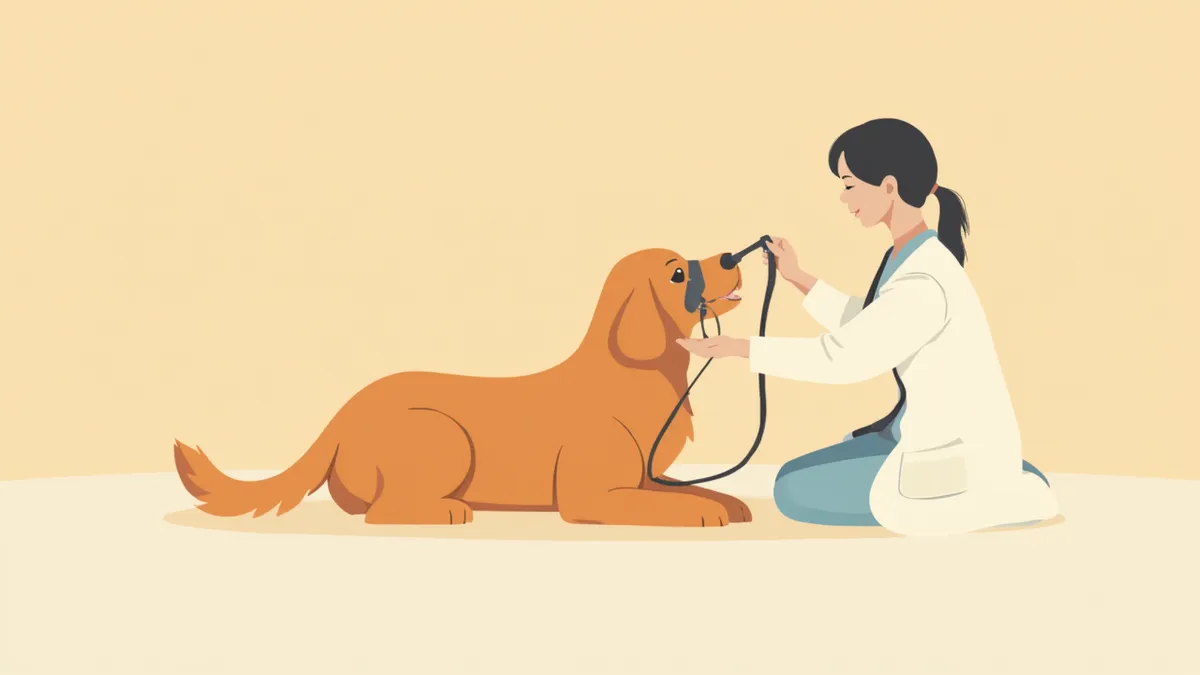
A dog undergoing a cataract examination
Canine cataracts are an ophthalmic condition in which the lens inside the eye becomes cloudy and opaque, leading to a gradual decline in vision. The most critical factors are early detection and prompt surgical intervention. Once complete blindness occurs, the success rate of surgery drops significantly; therefore, if you notice even slight cloudiness in your dog’s eyes, you should seek immediate evaluation by a veterinary ophthalmologist. Medications cannot halt the progression of cataracts, and surgery is the only way to restore vision.

Why Do They Occur? 5 Main Causes

Cataracts don’t stem from a single cause but rather from a combination of factors. Here are the key causes pet owners should be aware of:
Hereditary: This is the most common cause in dogs, occurring genetically in several breeds, including Poodles.
Age-related: Just like in humans, the lens can degenerate as dogs grow older, leading to cataracts.
Diabetic: Diabetes is a leading cause of cataracts. Dogs with diabetes often develop cataracts more frequently and rapidly.
Traumatic: Cataracts can result from trauma to the eye, damage to the lens, or inflammation.
Nutritional: In puppies, cataracts may develop due to nutritional deficiencies, particularly those associated with the use of artificial milk replacers.

Could Your Dog Have Cataracts? Symptom Checklist

Cataracts develop gradually, so early signs are easy to miss. If you notice any of the following symptoms, a veterinary examination is recommended.
Changes in eye color: The pupil area appears cloudy with gray, blue, or white discoloration.
Bumping into furniture: The pet bumps into walls or furniture, even in familiar surroundings.
Avoiding dark areas: The pet avoids evening walks or shows anxiety in dimly lit environments.
Hesitation on stairs: The pet hesitates at the top of stairs or seems afraid to go down.
Inability to locate toys: The pet fails to find a thrown ball, even when it is right in front of them.
An older dog with a cloudy lens

Characteristics of Cataract Progression Stages

ItemIncipientImmatureMatureHypermature
Lens opacity10% or less10–99%100%100% + shrinkage · resorption
Vision statusNearly normalPartial visionJust before blindnessComplete blindness
Suitability for surgery timingBestGoodSomewhat reducedLow (often accompanied by progression · complications)
Complication riskLowLowModerateHigh (lens-induced uveitis)

These are the general progression stages per veterinary ophthalmology textbooks. As the stages progress, the risk of complications increases, so it is best to consult early

Go to the Emergency Room If You See These Symptoms!

Cataracts themselves are not an emergency, but if complications arise, immediate veterinary care is essential. If your pet’s eyes become red and inflamed, they rub them persistently due to pain, or the pupil color changes suddenly, it may indicate lens-induced uveitis or glaucoma. Since vision loss from glaucoma is often irreversible, seek emergency veterinary care as soon as possible if you notice these symptoms to prevent permanent blindness.

How Is Cataract Surgery Performed?
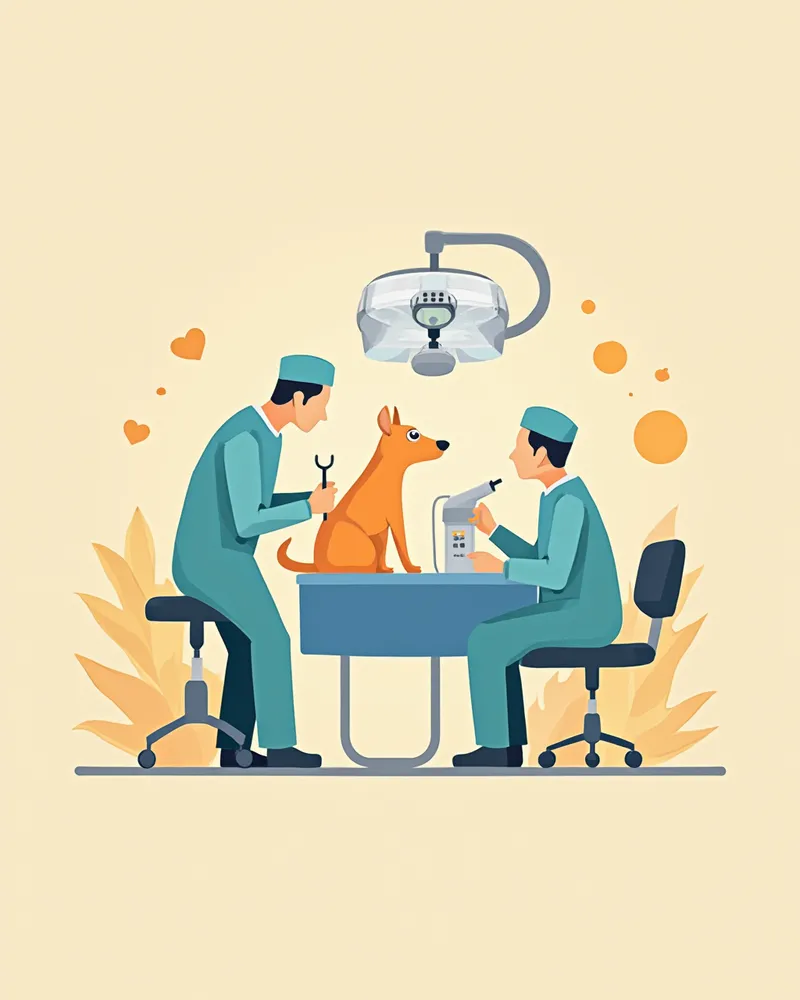
Cataract surgery in dogs is performed using a technique called phacoemulsification, which follows the same principle as cataract surgery in humans. Step 1: General anesthesia and conjunctival incision Step 2: Circular opening of the anterior lens capsule Step 3: Ultrasonic fragmentation and aspiration of the cloudy lens Step 4: Insertion of an intraocular lens (IOL) Step 5: Suturing of the incision site and postoperative recovery The surgery takes approximately 40 to 60 minutes per eye, and if both eyes are eligible, the procedures can be performed simultaneously.
Cataract surgery performed in a veterinary ophthalmology operating room

Preoperative Essential Examinations Are a Must

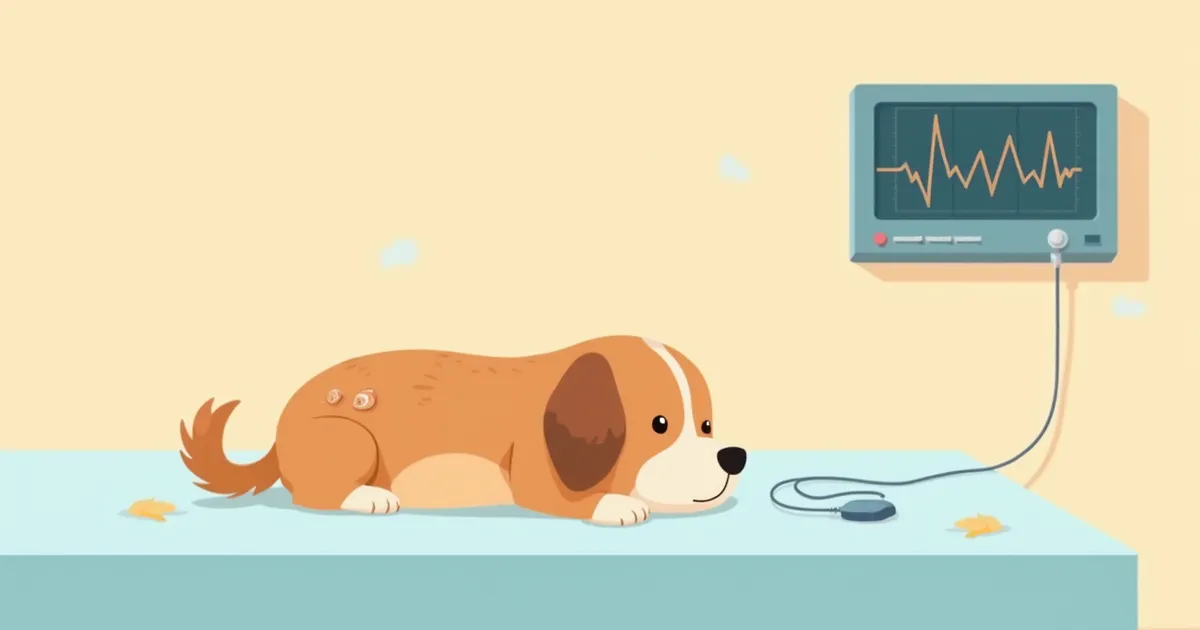
To maximize the success rate of cataract surgery, a thorough preoperative examination is essential. If the retina is already damaged, replacing the lens will not restore vision. The three mandatory tests are tonometry (to measure intraocular pressure), electroretinography (ERG), and ocular ultrasound. For dogs with diabetes, it is also crucial to confirm that their blood sugar levels are well-controlled before scheduling the surgery.

Post-Surgery Care: Key Points to Follow
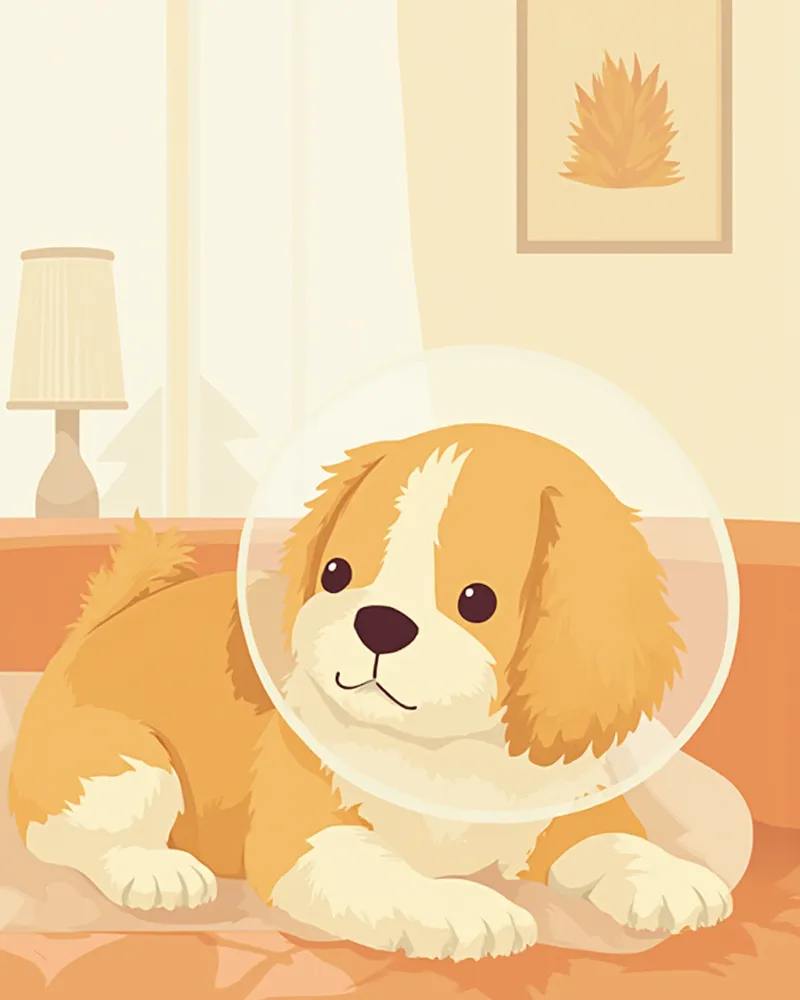
Half of a surgery’s success depends on post-discharge care. Here are the key points to keep in mind at home.
E-collar use: Wear for at least 2–3 weeks to prevent eye rubbing.
Eye drops: Administer 4–6 times daily, consistently for over 3 months.
No strenuous exercise: Keep walks short for at least 2 weeks; prohibit jumping and stairs.
Regular follow-ups: Essential at 1 day, 1 week, 1 month, and 3 months post-surgery.
Do not wash the eyes: Do not rinse the eyes with water or saline unless instructed by your veterinarian.
Skipping eye drops can cause inflammation to recur, leading to further vision loss.
A puppy wearing a neck collar after cataract surgery

What Are the Surgery Costs and Success Rates?

Cataract surgery for dogs is only available at Level II animal hospitals with veterinary ophthalmologists, and the cost includes equipment and intraocular lenses. The cost is known to be around $2,000 to $4,000 per eye, and $4,000 to $6,000 for simultaneous bilateral surgery (costs may vary by hospital). The success rate is higher when surgery is performed at the appropriate time, and most dogs can regain functional vision. However, if the condition progresses significantly, such as in hypermature cataracts, the risk of complications increases and the likelihood of vision recovery decreases. Therefore, immediate consultation with a specialist upon detection is crucial.

Reviewed by a veterinarian

Dr. Tony — Punnawat Phongkittirak

Dr. Tony — Punnawat Phongkittirak

Veterinarian

A veterinarian who majored in veterinary medicine at Khon Kaen University, Thailand, and completed the IVSA program at North Carolina State University in the United States. Drawing on clinical experience at animal hospitals, he works in the pet healthcare field and is dedicated to building a digital care environment that connects pet parents with veterinarians.

Frequently Asked Questions

Can cataracts be treated with eye drops alone?
Unfortunately, it's not possible. To date, there are no medications that can reverse lens opacity or completely halt its progression. While some eye drops may slightly slow the rate of progression, surgery remains the only way to restore vision.
Can older dogs undergo surgery?
Health status matters more than age. Even pets over 15 years old can safely undergo surgery if their heart and kidney functions are normal and there are no issues identified in the anesthesia risk assessment. The decision is made based on a comprehensive pre-anesthesia examination.
Is surgery necessary even if only one eye has cataracts?
Yes, surgery is usually necessary. As cataracts progress, they can lead to complications such as lens-induced uveitis or glaucoma. Therefore, even if vision is already lost, surgery is often recommended to manage pain.
Can dogs with diabetes undergo surgery?
Yes, it is possible. However, your pet’s blood sugar levels must be well-controlled. Since diabetic cataracts progress very rapidly, it’s best to consult with a veterinary ophthalmologist right after diagnosis and decide on surgery timing as soon as possible.
Will vision fully recover after surgery?
After artificial lens implantation, most dogs regain functional vision. While perfect focus like in humans may not be achievable, and close-up vision might be slightly blurry, it generally does not interfere with daily life.

Share

Related Guides

References

[1] Gelatt KN, Gilger BC, Kern TJ. Veterinary Ophthalmology, 5th Edition, Chapter: Canine Cataracts

[2] Maggs DJ, Miller PE, Ofri R. Slatter's Fundamentals of Veterinary Ophthalmology, 6th Edition

[3] Davidson MG, Nelms SR. Diseases of the canine lens and cataract formation. In: Veterinary Ophthalmology

This information is based on veterinary literature and does not replace diagnosis or treatment. Please consult a veterinarian for specific health concerns.

Metapet Co., Ltd. | CEO: Park Sung-yong | Business Reg. No. 417-88-02562 | Seoul, South Korea | Customer Center

Cloudy Eyes in Dogs: Cataract Symptoms & Surgery Timing | Meongsiljang