Like
Share
멍실장
고양이 건성 각결막염(KCS) 자주 묻는 질문 Q&A — 보호자가 꼭 알아야 할 핵심

Why Is My Cat’s Eye Sticky? — Causes and Management of Keratoconjunctivitis Sicca (KCS)

Eye HealthQ&AMeongsiljang Veterinary Advisory Board

Feline dry eye, or keratoconjunctivitis sicca (KCS), is a condition in which insufficient tear production causes the cornea to become dry and damaged. Early detection and proper management are essential.

What Is Feline Keratoconjunctivitis Sicca (KCS)?
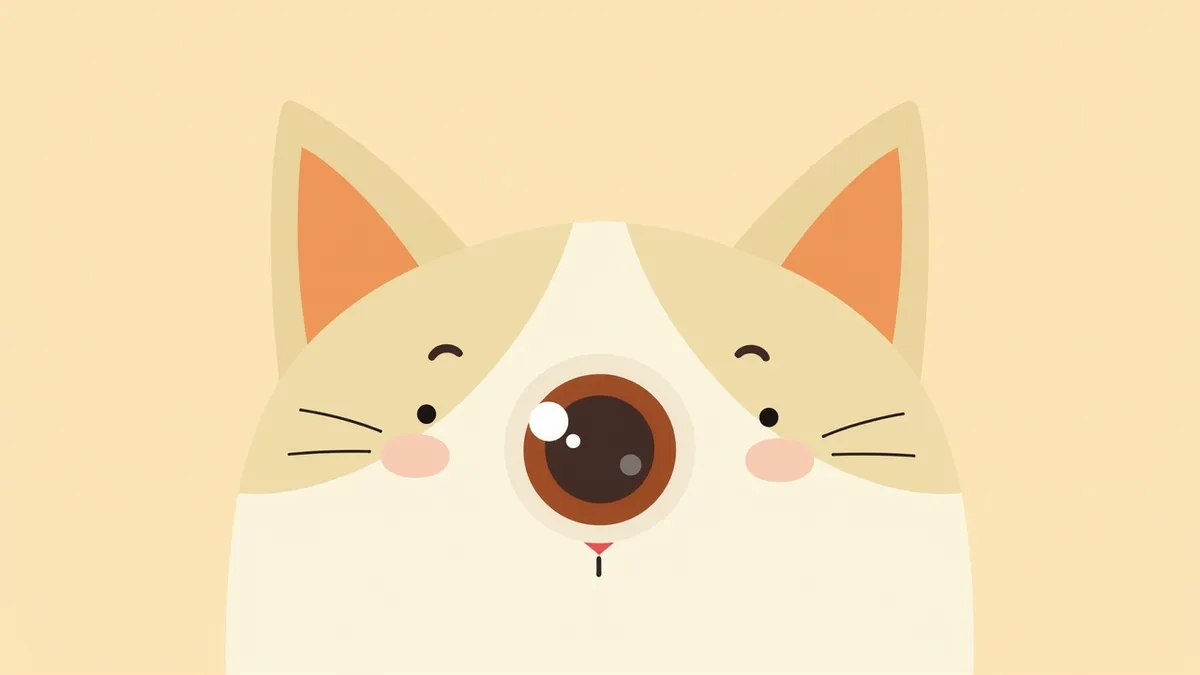
Diagram comparing a normal tear film in a cat’s eye with the condition of dry keratoconjunctivitis
Feline dry eye, or keratoconjunctivitis sicca (KCS), is a condition in which insufficient production of the watery component of the tear film causes the cornea and conjunctiva to become dry and damaged. Without adequate tears, the cornea becomes more vulnerable to external irritants, making it prone to inflammation, pigmentary and vascular keratitis, and scarring. This condition can cause ocular pain and discomfort, and if left untreated, may lead to vision loss due to progressive corneal changes. Because cats are skilled at hiding pain, early detection is crucial. Since KCS typically requires long-term management, starting treatment early helps maintain more stable ocular health. If you notice any abnormalities in your cat’s eyes, consult your veterinarian promptly to begin appropriate treatment.

What Are the Main Causes of KCS?

The most common cause of feline keratoconjunctivitis sicca (KCS) is an immune-mediated disease that directly affects the tear gland tissue. Other potential causes include congenital or genetic factors, trauma, removal of the third eyelid gland, neurogenic factors, and the use of certain medications. Drugs reported to induce or exacerbate KCS include sulfonamide antibiotics, etodolac, and atropine. The tear film consists of a lipid layer, an aqueous layer, and a mucous layer; a deficiency in the secretion of any of these components can lead to KCS. Since cases with no clear underlying cause also occur, identifying these potential factors helps guide the appropriate treatment plan.
Diagram of the anatomical structure of a cat’s tear ducts and the affected areas

What Are the Main Symptoms of KCS?

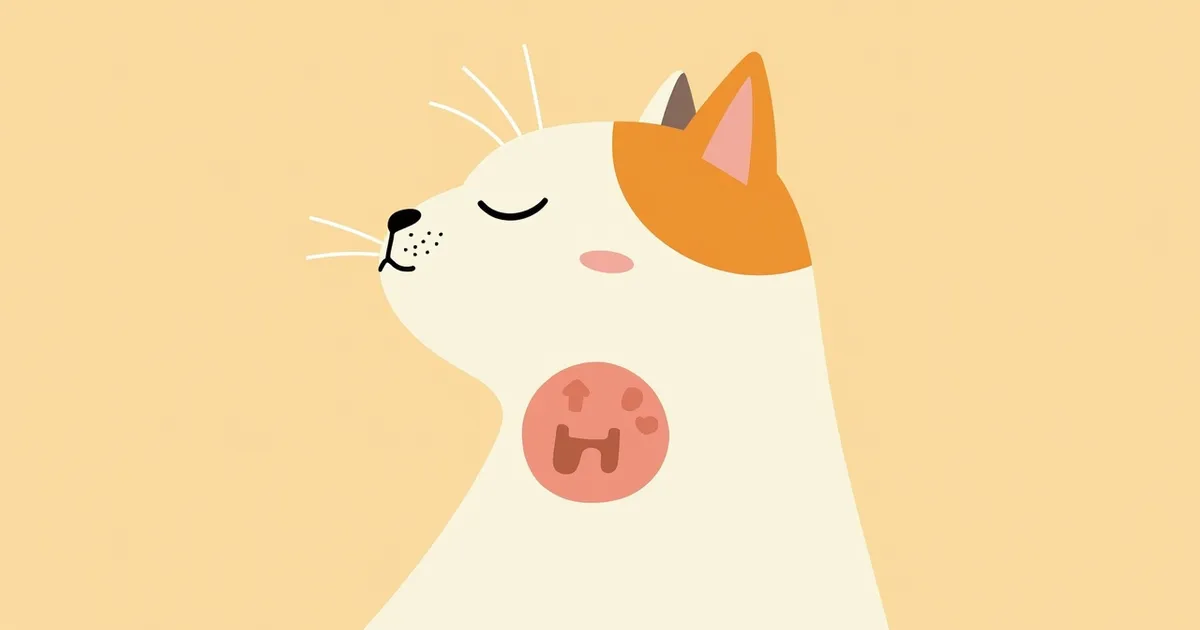
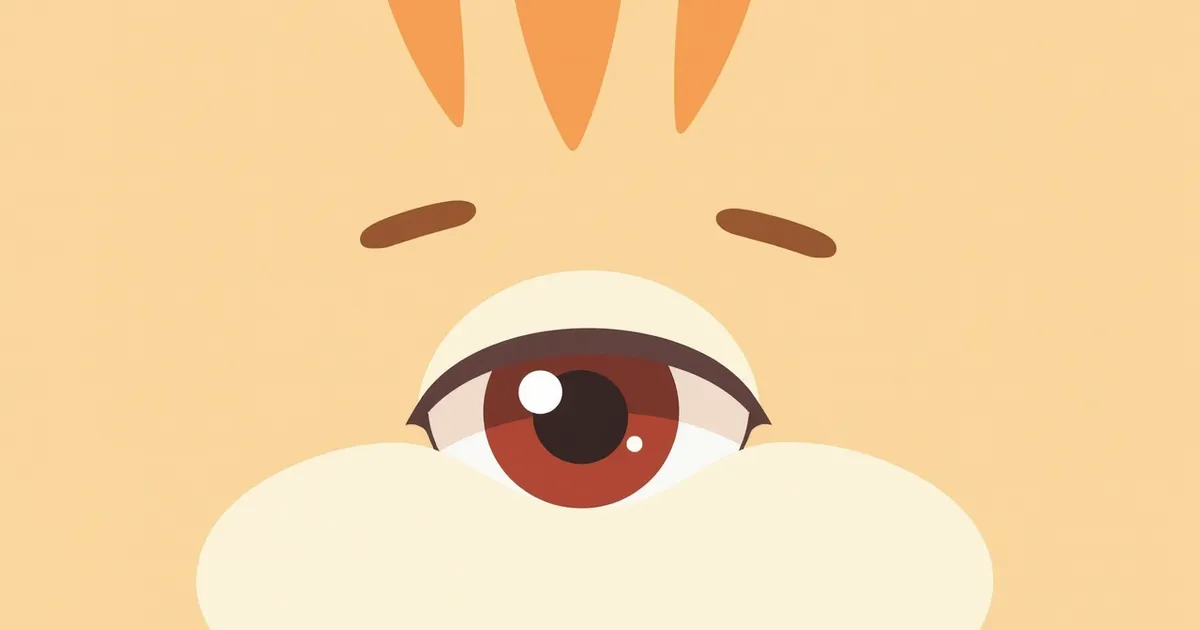
The early signs of feline keratoconjunctivitis sicca (KCS), also known as dry eye, include frequent blinking or squinting. As the eyes become dry, they may appear red, and white or yellow mucous discharge can develop. Your cat may rub or scratch at their eyes, and in severe cases, they may keep their eyes closed and remain inactive. You might notice little to no tear production or a sticky feeling around the eyes. While these symptoms can be mistaken for simple conjunctivitis, KCS is a more serious condition that requires prompt veterinary attention.
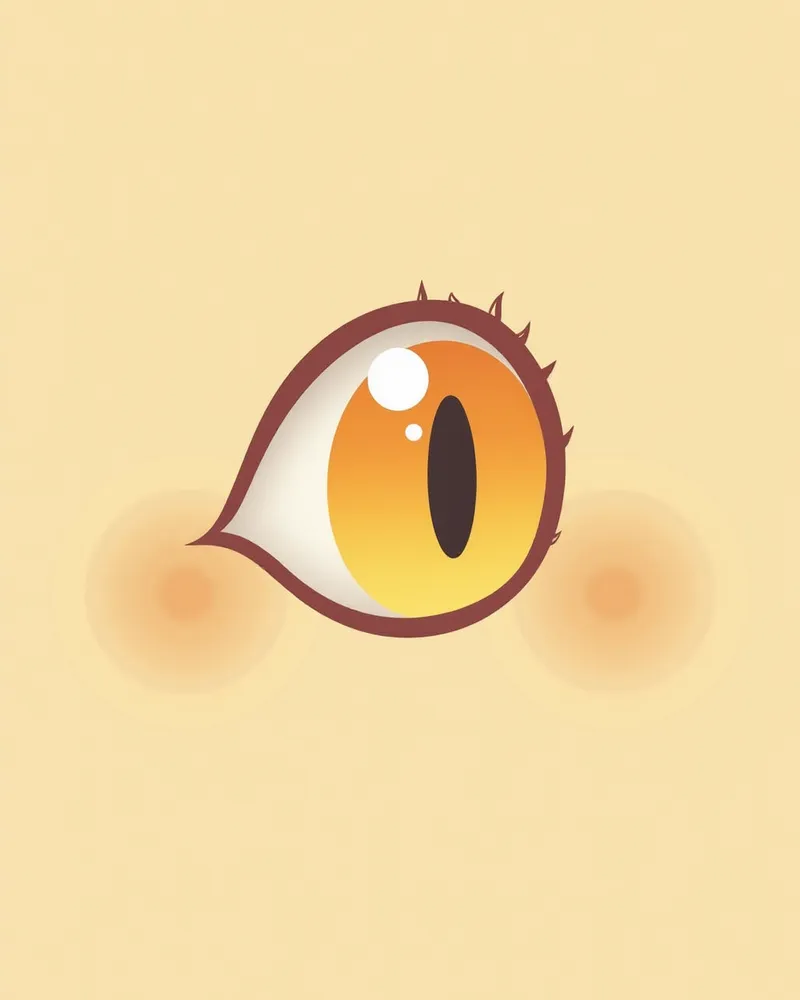
A close-up photo of a cat’s eye showing symptoms of dry keratoconjunctivitis.

Signs Requiring Immediate Veterinary Care

If your pet’s eyes become severely red, produce little to no tears, or have excessive white or yellow discharge, and if they keep their eyes closed and are reluctant to move, immediate veterinary care is necessary. This may indicate serious corneal damage, and delayed treatment could result in vision loss.

How Is KCS Diagnosed?
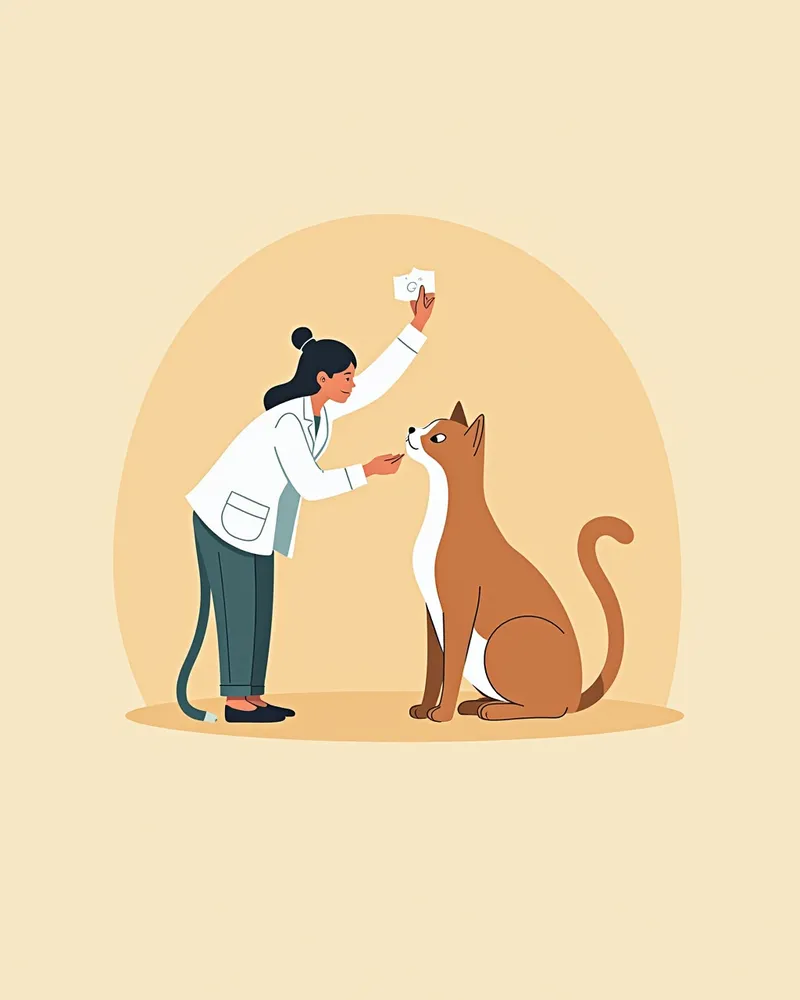
To measure tear production, your veterinarian will perform a Schirmer tear test. A specially designed absorbent paper strip is placed in the lower eyelid, and the distance the tears travel along the strip is measured after 60 seconds (one minute). The normal value for cats is approximately 17 mm/minute, while a reading below 5 mm/minute suggests Keratoconjunctivitis Sicca (KCS). However, cats may show low test results even with normal tear production, so diagnosis should consider clinical symptoms alongside the test values. Additionally, fluorescein staining may be performed to check for corneal surface damage (scratches). Multiple tests are often conducted together for an accurate diagnosis, making the veterinarian’s comprehensive assessment crucial.
A veterinarian placing a Schirmer tear test strip into a cat's eye

How Is KCS Treated?

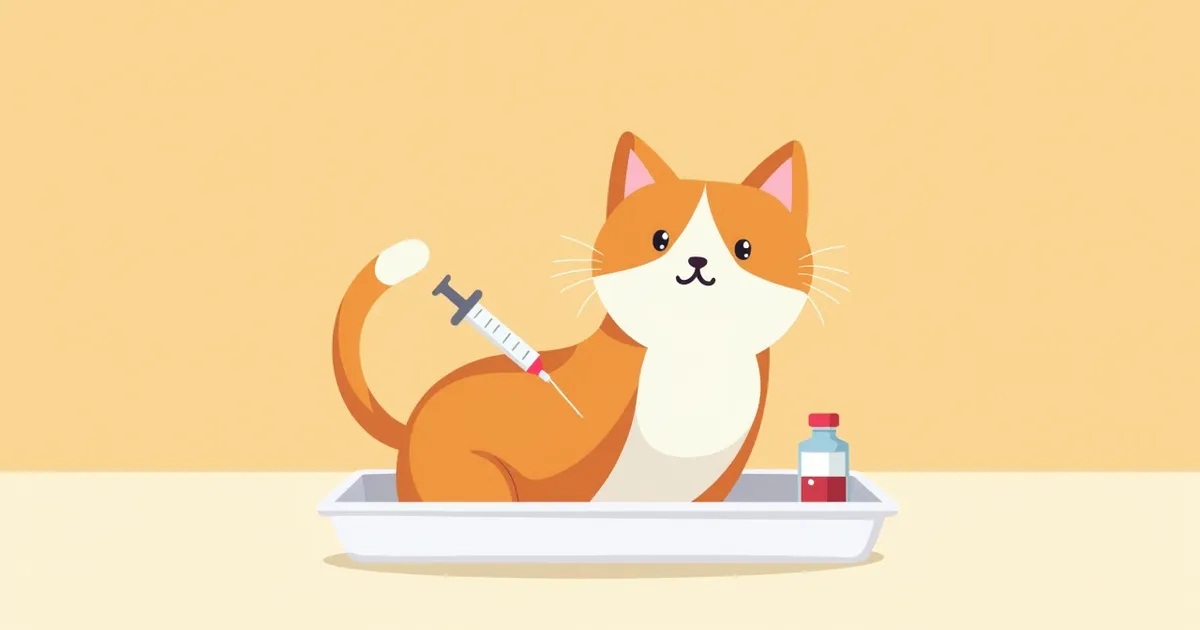
Treatment for Keratoconjunctivitis Sicca (KCS) focuses on supporting tear production and protecting the ocular surface. Veterinarians typically prescribe immunomodulators such as cyclosporine or tacrolimus to help restore lacrimal gland function and reduce inflammation. Topical corticosteroids (anti-inflammatory agents) may be used in conjunction when necessary, but they are employed cautiously due to potential side effects with long-term use. Concurrently, regular application of artificial tears or gel-based tear substitutes and protectants is essential to keep the eyes moist. Most cases of KCS require lifelong treatment, making consistent medication administration crucial. Effective outcomes depend on a combination of diligent home care and regular veterinary check-ups.
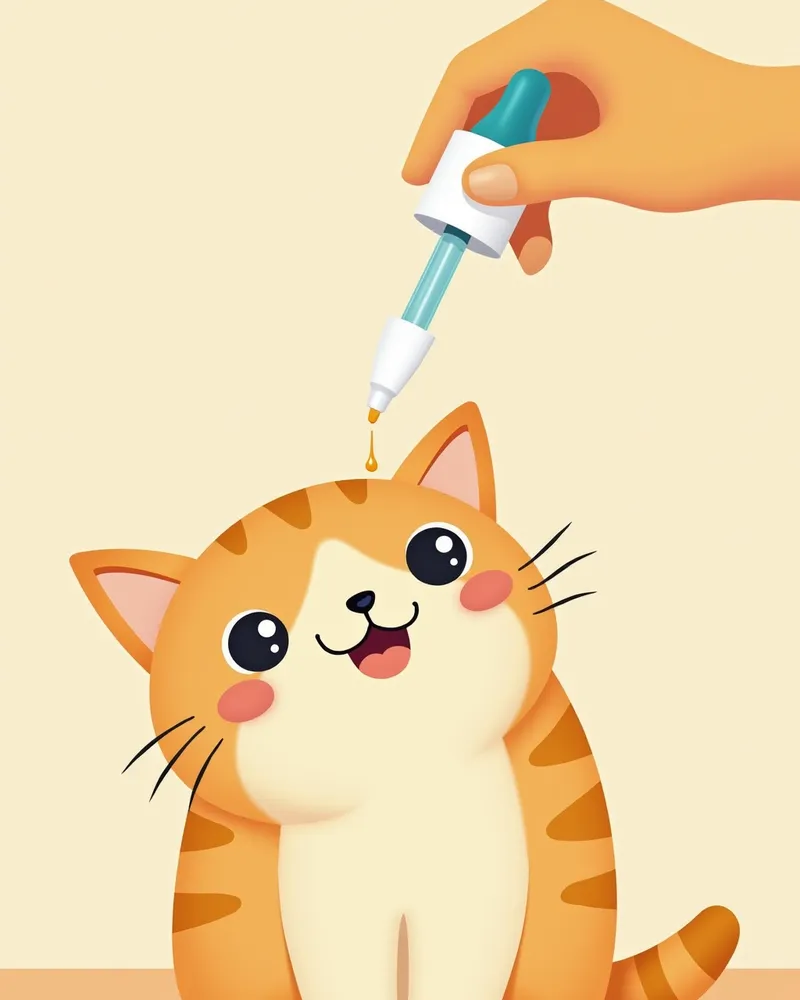
A veterinarian administering eye drops to a cat

Home Care Points

- Regular medication administration: Administer the medication exactly at the times specified by your veterinarian. - Cleaning around the eyes: If mucous discharge appears, gently wipe it away with a soft cloth. - Environmental control: Use a humidifier to prevent the air from becoming too dry. - Avoiding irritation: Do not use strongly scented detergents or cosmetics around the eyes. - Regular check-ups: Continue to consult with your veterinarian regularly throughout the treatment process.
A cat calmly cleaning around its eyes.

Comparison of KCS Treatment Options

ItemTreatment MethodEffectPrecautions for UseCost Level
Artificial TearsImmediate moisturizing effectRequires daily useProducts containing preservatives should not be used frequentlyInexpensive
Immunomodulators (e.g., Ciclosporin)Can induce tear productionLong-term effectPrescription required, potential side effectsModerate
Anti-inflammatory agents (e.g., Prednisolone)Relieves acute inflammationShort-term use recommendedRisk of side effects with long-term useInexpensive

The treatment method is determined by the veterinarian based on the cat's condition and cause. Combination therapy may be necessary in some cases.

Reviewed by a veterinarian

Dr. Tony — Punnawat Phongkittirak

Dr. Tony — Punnawat Phongkittirak

Veterinarian

A veterinarian who majored in veterinary medicine at Khon Kaen University, Thailand, and completed the IVSA program at North Carolina State University in the United States. Drawing on clinical experience at animal hospitals, he works in the pet healthcare field and is dedicated to building a digital care environment that connects pet parents with veterinarians.

Frequently Asked Questions

Can feline keratoconjunctivitis sicca (KCS) be cured?
Feline keratoconjunctivitis sicca (KCS) is typically a lifelong condition that requires consistent, ongoing management. While medications may help improve tear production in some cases, it’s difficult to guarantee a full restoration of normal lacrimal gland function. The goal is to maintain stable ocular health through early intervention and diligent, long-term care.
Can KCS be transmitted to other cats?
No, feline dry keratoconjunctivitis is not a contagious disease. Since the causes are mostly immune system abnormalities, trauma, or certain medications, it does not spread to other cats.
Should I stop the medication if my dog starts tearing up during KCS treatment?
Absolutely not. Even if tear production improves, it doesn’t mean the lacrimal gland function has fully recovered. Since most cases require lifelong treatment, stopping medication without your veterinarian’s guidance can lead to a recurrence of symptoms.
Can KCS lead to vision loss?
Yes, if a prolonged lack of tears persists, it can lead to corneal scarring or changes in pigmentation and blood vessels, reducing transparency and potentially causing vision loss. Early diagnosis and treatment are crucial for protecting your pet's vision.
Does the frequency of KCS vary depending on a cat's age?
Keratoconjunctivitis sicca (KCS) can affect cats of any age. The most common cause is an immune-mediated condition, but other risk factors include congenital or genetic predispositions, trauma, certain medications, and neurological factors. Since it is not limited to any specific age group, it’s a good idea to have your cat’s eyes checked by a veterinarian if you notice any abnormalities, regardless of their age.

Share

Related Guides

References

[1] Esson, D.W. & Calvarese, S. (2022). Clinical Atlas of Canine and Feline Ophthalmic Disease, 2nd Ed. John Wiley & Sons, Inc.

[2] Hoskins, J.D. et al. (2021). Clinical Medicine of the Dog and Cat, 4th Ed. Elsevier Health Sciences.

[3] American College of Veterinary Ophthalmologists (ACVO). (2023). Guidelines for Diagnosis and Management of Keratoconjunctivitis Sicca in Cats.

This information is based on veterinary literature and does not replace diagnosis or treatment. Please consult a veterinarian for specific health concerns.

Metapet Co., Ltd. | CEO: Park Sung-yong | Business Reg. No. 417-88-02562 | Seoul, South Korea | Customer Center

Why Is My Cat’s Eye Sticky? Causes and Management of Dry Eye (KCS) | Meongsiljang