
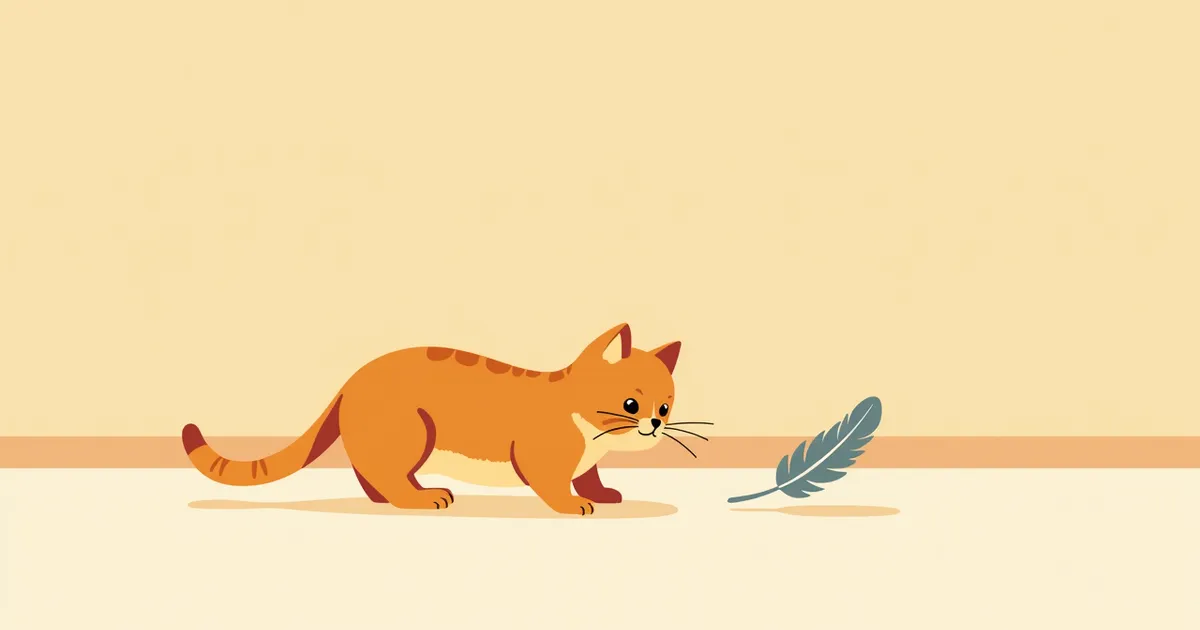
Cat Suddenly Biting and Scratching — Causes and Correction of Play Aggression
Play aggression in cats is a behavioral issue where their hunting instincts are not properly regulated, leading them to direct their predatory behavior toward people. We’ve compiled the causes, how to distinguish it from true aggression, and proper handling and training methods in a Q&A format.
What Is Play Aggression in Cats?
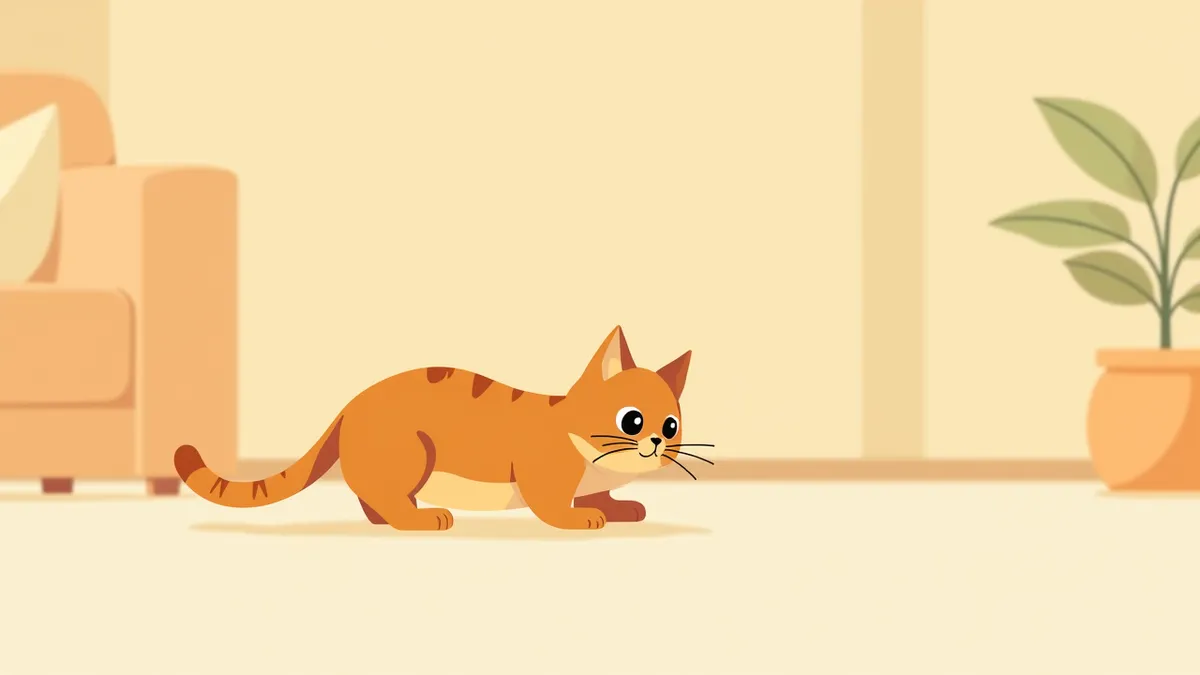
Why the Sudden Biting or Pouncing? Main Causes
Play Aggression vs. True Aggression — How to Tell the Difference?
| Item | Play Aggression | True Aggression |
|---|---|---|
| Trigger | Moving hands, feet, or ankles | Territory intrusion, strangers |
| Body Language | Crouches and waits, then pounces | Raised back fur, hissing sounds |
| Bite Intensity | Bites lightly and releases immediately | Bites deeply and holds on |
| Behavior After Attack | Runs away or hides again | Maintains a persistent threatening posture |
| When It Occurs | During play or when full of energy | In stressful or fearful situations |
| Accompanying Signs | Dilated pupils, excitement, playful posture | Threat signals such as flattened ears, a stiffened body, or raised fur |
If true aggression is suspected or aggression has newly appeared suddenly, pain or illness may be the cause, so consult a veterinarian first
Symptom Checklist to Confirm If Your Cat Has Play Aggression

When to Consult a Veterinarian or Behavior Specialist
If your pet has suddenly developed aggressive behavior or the intensity has rapidly increased, if the bite wounds are deep and pose a risk of bacterial infection, if there is no improvement after 2 to 4 weeks of training, or if they repeatedly cause harm to other people or animals, do not try to handle it alone. Consult a professional, as the aggression may stem from pain or an underlying medical condition.
Reducing Aggression Through Proper Play Methods

Immediate Response When Attacked
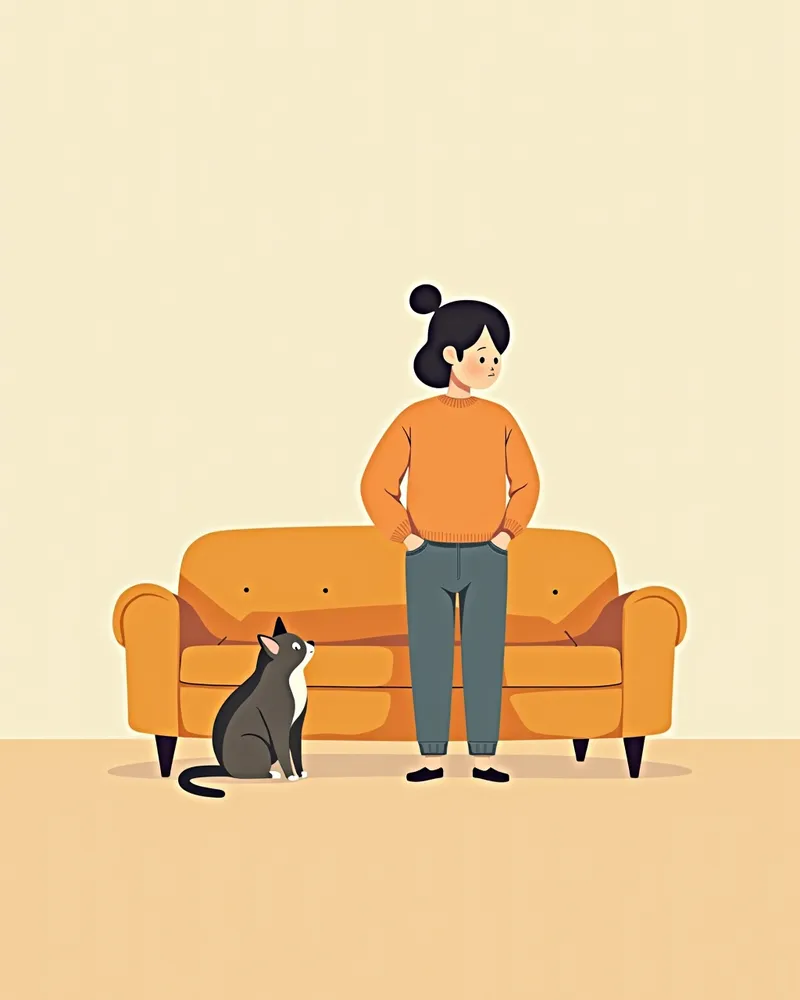
Preventing Play Aggression Through Environmental Enrichment
Enriching your cat’s environment helps channel pent-up energy in a healthy, natural direction. Expand vertical space with cat trees, high perches, and cozy hiding spots; provide plenty of scratching posts; and use puzzle feeders to turn mealtime into an engaging, hunt-like activity. Combining hunting and play elements with food delivery offers richer stimulation that satisfies your cat’s instincts in a healthy way. If your cat gets along well with others, having a feline playmate can help redirect energy away from you. However, when introducing a new cat, proceed slowly and gradually to minimize stress.
Reviewed by a veterinarian

Dr. Tony — Punnawat Phongkittirak
VeterinarianA veterinarian who majored in veterinary medicine at Khon Kaen University, Thailand, and completed the IVSA program at North Carolina State University in the United States. Drawing on clinical experience at animal hospitals, he works in the pet healthcare field and is dedicated to building a digital care environment that connects pet parents with veterinarians.
Reviewed 2026-06-01
Frequently Asked Questions
Should you avoid yelling at or scolding your cat when it bites?
Can adult cats suddenly develop play aggression?
Even when I play with my pet using toys, they keep attacking my hands and feet. What should I do?
Does holding a cat when it’s agitated and aggressive help calm it down?
Will raising two pets together reduce play aggression?
Share
Related Guides

7 Behavioral Enrichment Strategies for Mental Stimulation Recommended by Veterinarians

Top 5 Calming Supplements for Dogs and Cats in 2026

L-Theanine Effects and Calming Support
Signs and Care for Cats in Their Final Days
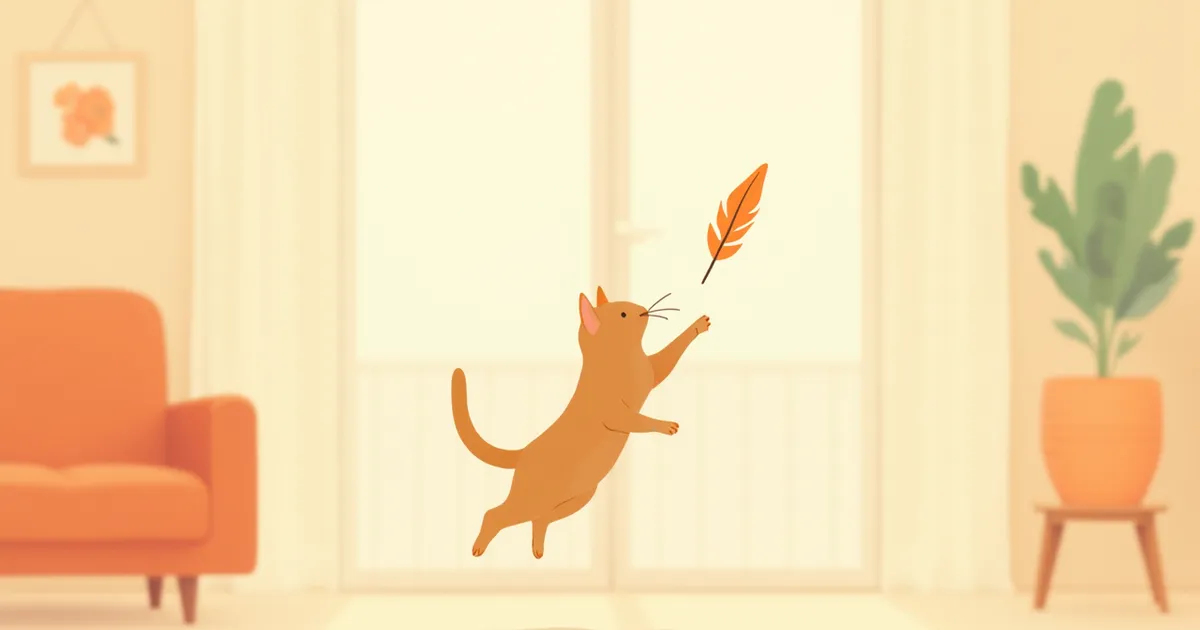
How much playtime is recommended for cats?
Trilostane (Vetoryl) for Cushing’s Treatment: What You Must Know
What is Selamectin (Revolution)? — A Complete Guide to the Parasites It Prevents All at Once

Understanding Trazodone: The Medication for Canine Anxiety and Calming
Maropitant (Cerenia) Antiemetic: Is It Safe for Your Pet?
What is Meloxicam (Metacam)? — Key Summary of Effects and Side Effects in Dogs
References
[1] Rodan I, Heath S. Feline Behavioral Health and Welfare. Elsevier, 2016.
[2] Horwitz DF, Mills DS. BSAVA Manual of Canine and Feline Behavioural Medicine. 2nd ed. BSAVA, 2009.
[3] Introduction to Animal Behavior and Veterinary Behavioral Medicine. Chapter 15: Canine and Feline Aggression. Wiley, 2020.
[4] Veterinary Guide to Preventing Behavior Problems in Dogs and Cats. Chapter 9: General treatment plan for aggression. Wiley, 2021.
[5] Overall KL. Manual of Clinical Behavioral Medicine for Dogs and Cats. Elsevier, 2013.