

Symptoms When Dogs Eat Garlic and Criteria for Visiting the Vet — Emergency Response by Ingestion Amount
When dogs eat garlic, their red blood cells can suffer oxidative damage, which may lead to anemia. Here’s a guide on when to visit the vet based on the amount ingested and symptoms, along with emergency response steps.
Why Is Garlic Dangerous for Dogs?

How Much Is Dangerous? — Criteria by Body Weight
Response Criteria Table by Garlic Ingestion Amount
| Item | Risk level | Response |
|---|---|---|
| Licked with the tongue (less than a pinch of powder) | Low | Observe + check energy, gum color, and urine color for 1 week |
| 1/4 clove to less than 1 clove of garlic | Caution | Same-day phone consultation with the hospital |
| 1 clove or more of garlic, or unknown amount | Danger | Visit the animal hospital immediately |
| Garlic juice·minced garlic·garlic bread | High risk | Visit immediately regardless of amount |
Garlic is up to 5 times more toxic than onions, and its toxicity does not disappear in any form — fresh, cooked, dried, or powdered. Minced garlic or powder in particular has a higher absorption rate, making it more dangerous than whole cloves. If eaten together with onion, chives, or green onion, the combined toxicity is additive, so please report the total amount together regardless of type.
Garlic Poisoning Symptom Checklist

Signs Requiring Immediate Emergency Room Visit
If you notice any of the following signs, do not wait to monitor them—seek immediate care at a 24-hour emergency animal hospital: 1) pale or yellow gums and tongue; 2) dark brown or red urine; 3) sudden collapse or inability to stand; 4) labored breathing with a very rapid heart rate; 5) evidence of ingesting large amounts of garlic juice, crushed garlic, or human foods containing garlic. Anemic crises may require intravenous fluids, oxygen therapy, and blood transfusions, and prognosis worsens with any delay in referral from a primary care clinic.
What Treatment Is Provided at the Hospital?
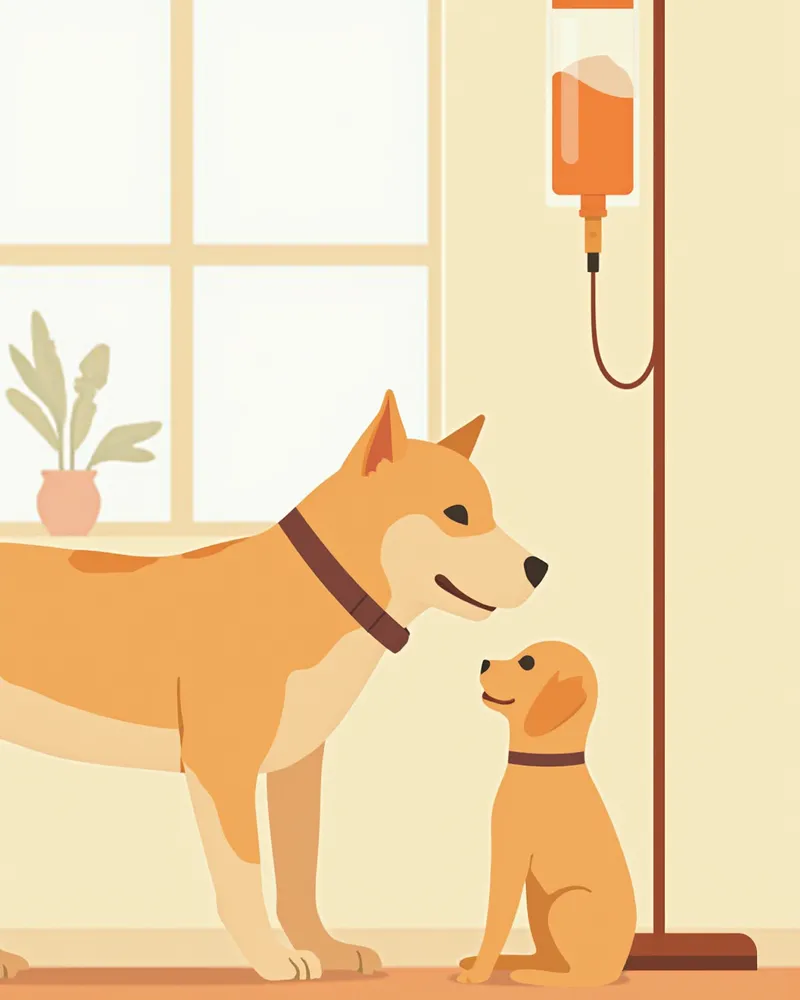
What to Absolutely Avoid at Home vs. What Is Allowed
Breeds That Are Genetically More Vulnerable
Certain Japanese breeds, such as the Akita, have been reported to be genetically more susceptible to oxidative damage from garlic and onions. It is also prudent to exercise caution with other breeds of the same lineage, such as the Shiba Inu and Hokkaido. In these dogs, even small amounts can cause anemia to develop more rapidly and severely than in other breeds, so you should contact your veterinarian immediately if you suspect exposure. Furthermore, the toxicity of garlic and onions remains regardless of whether they are fresh, cooked, dried, or powdered, so caution is necessary in all forms. For dogs with pre-existing anemia or compromised health, consider the risk level higher and seek veterinary attention even sooner.
Preventing Recurrence — How to Reduce Garlic Exposure in Daily Life

Reviewed by a veterinarian

Dr. Tony — Punnawat Phongkittirak
VeterinarianA veterinarian who majored in veterinary medicine at Khon Kaen University, Thailand, and completed the IVSA program at North Carolina State University in the United States. Drawing on clinical experience at animal hospitals, he works in the pet healthcare field and is dedicated to building a digital care environment that connects pet parents with veterinarians.
Reviewed 2026-05-06
Frequently Asked Questions
My dog just licked a tiny bit of garlic. Do I really need to take him to the vet?
Does cooking garlic eliminate its toxicity?
Is it safe to feed my pet food or treats that contain garlic powder?
Symptoms may take a few days to appear. How many days should I wait before seeking veterinary care?
My dog threw up after eating garlic. Can I skip the vet visit?
Share
Related Guides

Top 5 Emergency Poisoning Kits for Dogs Recommended by Veterinarians
7 Emergency Checklist Items for Cat Poisoning — Signs to Check Immediately After Exposure
Feline Hemoplasma (Feline Blood Parasite) FAQ — Key Information Every Pet Owner Should Know

Feline Heartworm Disease FAQ — Key Information Every Pet Owner Must Know

Feline Giardiasis FAQ — Essential Information Every Pet Owner Should Know

Flea Infestation in Cats: Frequently Asked Questions — Key Information for Pet Owners

Feline Echinococcosis FAQ — Key Information Every Pet Owner Must Know

Feline Dermatophytosis (Ringworm) vs. Parasitic Infections: Frequently Asked Questions — Key Points for Pet Owners

Feline Cryptosporidiosis FAQ — Key Information Pet Owners Must Know
Cat Combination Dewormer Selection Guide FAQ — Key Points Every Pet Owner Must Know
References
[1] Blackwell's Five-Minute Veterinary Consult Clinical Companion: Small Animal Toxicology, 3rd Edition — Allium species (onion, garlic) toxicosis
[2] Lee K, Yamato O, Tajima M et al., Hematologic changes associated with the appearance of eccentrocytes after intragastric administration of garlic extract to dogs, American Journal of Veterinary Research, 2000;11:1446-1450
[3] Guitart R, Mateu C, Agullo AL, Alberola J., Heinz body anaemia in two dogs after Catalan spring onion ingestion: a case report, Veterinarni Medicina, 2008;53(7):392-395