Like
Share
멍실장
강아지 형광 염색 각막 검사 자주 묻는 질문 Q&A — 보호자가 꼭 알아야 할 핵심

Dog Fluorescein Staining Corneal Exam FAQ — Key Information Every Pet Owner Should Know

Eye HealthQ&AMeongsiljang Veterinary Advisory Board

Fluorescein staining is a key diagnostic test frequently used to accurately assess corneal damage when your dog shows signs of eye abnormalities. Here’s a summary of the essential information every pet owner should know.

What is a Dog Fluorescein Staining Corneal Exam?

The fluorescent stain glowing on the corneal wound under blue light
Fluorescein staining is a key diagnostic test to check for micro-abrasions or ulcers on your dog’s cornea. When a water-soluble fluorescent dye is applied to the cornea, it does not stain the intact epithelium but adheres only to the exposed stroma where the epithelium has been damaged. When illuminated with cobalt blue light, the affected area glows a bright green, allowing for clear visualization and diagnosis of ulcers. This test is primarily performed when a dog exhibits redness, excessive tearing, or frequent eye-rubbing, especially following trauma. Even if symptoms are present in only one eye, it is standard practice to examine both eyes. The procedure is quick and minimally irritating, so your dog typically remains calm. Any excess dye is gently rinsed away with sterile saline after the examination. Early detection of corneal damage through this test enables prompt and appropriate treatment.

What is the Purpose and Necessity of the Exam?

The primary purpose of this test is to accurately identify hidden scratches or ulcers on the cornea. Even minor injuries can lead to infection or severe damage if left untreated, making early detection crucial. Your veterinarian may recommend this test if your pet exhibits excessive tearing, frequent blinking, or repeated eye rubbing. Fluorescein staining is non-invasive and provides immediate results, aiding in the development of a treatment plan. This test is especially valuable as a diagnostic tool when dogs cannot verbally express pain. Early treatment can prevent vision loss, so it’s best to have your pet examined promptly if you notice any eye abnormalities.
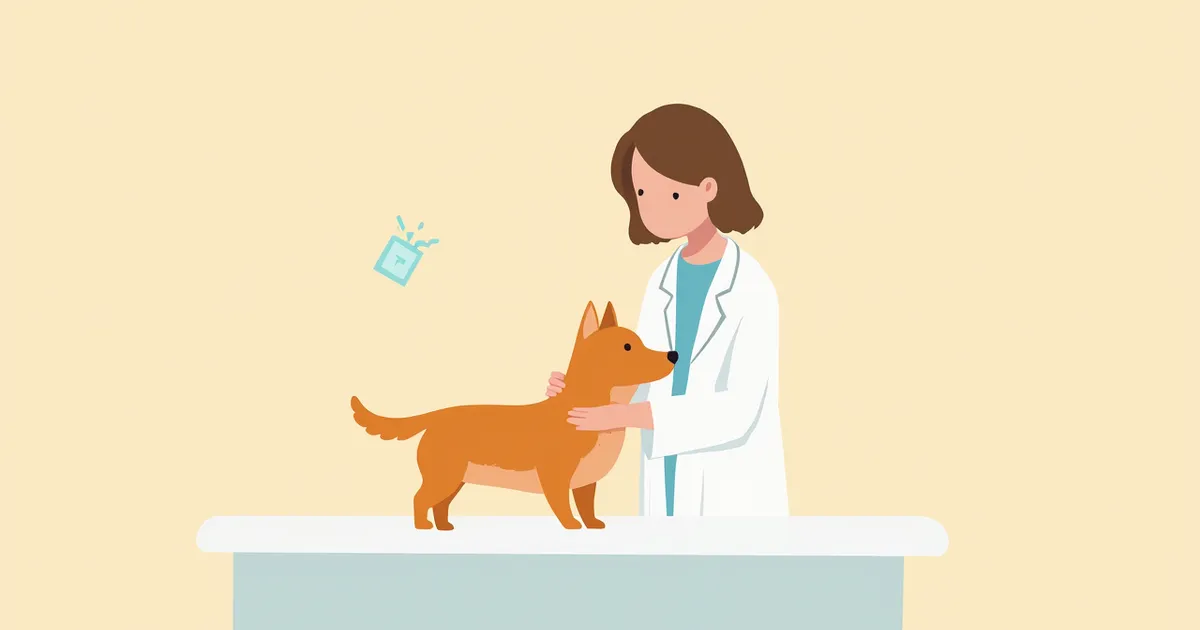
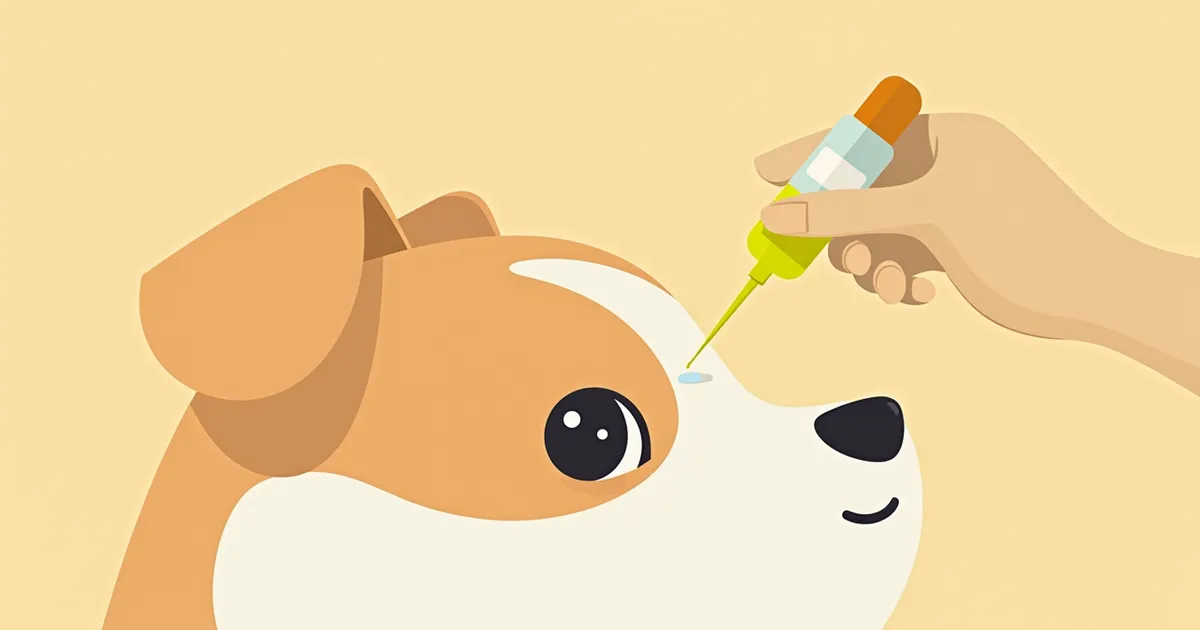
A veterinarian applying a fluorescent dye to a puppy’s eye

What is the Exam Process Like?

The test is relatively simple and quick. The veterinarian lightly moistens a paper strip coated with a fluorescent dye using sterile saline, then gently touches it to the limbus—the junction between the sclera (white of the eye) and the cornea—or to the conjunctiva to apply the dye. Next, they gently blink the eyelids a few times to spread the dye across the entire ocular surface, and rinse away any excess dye with sterile saline. When illuminated with cobalt blue light, damaged areas appear clearly in bright green. Because the procedure is minimally irritating, dogs typically remain calm without significant tension or struggling, though the veterinarian may gently stabilize the dog if cooperation is difficult. The veterinarian then identifies the exact location and extent of the damage and explains the results immediately. After the test, some dye may remain on the eye, so be sure to prevent your dog from rubbing its eyes.
A puppy calmly undergoing a fluorescent dye test, with the veterinarian shining a blue light on it.

What Are the Precautions After the Exam?

After the examination, some dye may remain in the eye. Immediately after the test, excess dye is rinsed away with sterile saline, and any small amount left behind will gradually wash out with tears. Prevent your dog from rubbing its eyes, and use any prescribed medications exactly as directed by your veterinarian. If a corneal ulcer is confirmed, treatment typically involves topical antibiotic eye drops, so be sure to administer the prescribed drops without missing any doses. Contact your clinic immediately if your dog’s eye appears more painful or red. Changes in behavior, such as prolonged squinting or keeping the eye closed, may indicate pain or worsening condition. Prompt action can significantly improve the outcome. When visiting the clinic, bring the examination results with you for a more accurate assessment.
A puppy with slightly red eyes after the examination, resting comfortably.

Go to the Vet Immediately in These Cases

If your dog’s eyes become severely red, tear excessively, or remain closed for prolonged periods after the examination, contact your veterinarian immediately. These symptoms may indicate an infection or serious injury, and prompt action can significantly improve the chances of successful treatment.

Fluorescein Staining Exam vs. Other Eye Exams Comparison

ItemMain PurposeTime RequiredPain
Fluorescein Corneal Staining TestCheck for corneal damage1–2 minutesNone
Intraocular Pressure MeasurementCheck for glaucoma3–5 minutesSlight discomfort
Conjunctival Cell SamplingAnalyze cause of inflammation5–10 minutesMild discomfort

Fluorescein staining is the fastest and safest method for diagnosing corneal damage.

How to Interpret the Exam Results?

Areas that glow under fluorescent dye indicate corneal epithelial damage and the presence of an ulcer. The treatment approach is determined based on the size, location, and depth of the injury. All corneal ulcers are initially treated with topical antibiotic eye drops, with antibiotics such as erythromycin commonly used as first-line therapy. In cases of very deep ulcers, descemetoceles, melting ulcers (corneal lysis), or perforation, surgical interventions such as fluoroquinolone eye drops or conjunctival grafting may be necessary. Your veterinarian will accurately interpret the test results and outline the treatment plan. Any excess dye remaining after the examination is rinsed away with saline, and the small amount left behind will gradually wash out with tears, so there is no need for concern. Follow your veterinarian’s instructions for medication use and be sure to confirm whether a follow-up examination is needed. Early treatment is crucial for preserving vision.
The corneal ulcer glowing green under blue light

Summary of Frequently Asked Questions
Fluorescein staining of the cornea is a relatively safe and quick test. The water-soluble dye does not adhere to intact corneal epithelium but binds only to damaged areas, helping to identify ulcers. Immediately after the test, excess dye is rinsed away with sterile saline, and any remaining small amount is gradually washed out by tears. Your dog may appear slightly uncomfortable afterward, but if a corneal ulcer is confirmed, treatment with topical antibiotics is initiated, and most cases improve with the medication prescribed by your veterinarian. Depending on the severity of the damage, additional treatment may be necessary, so regular follow-up visits are important. Contact your clinic immediately if your dog rubs its eyes or keeps them squinted or closed for an extended period. Early detection and proper care are key to maintaining healthy eyes.
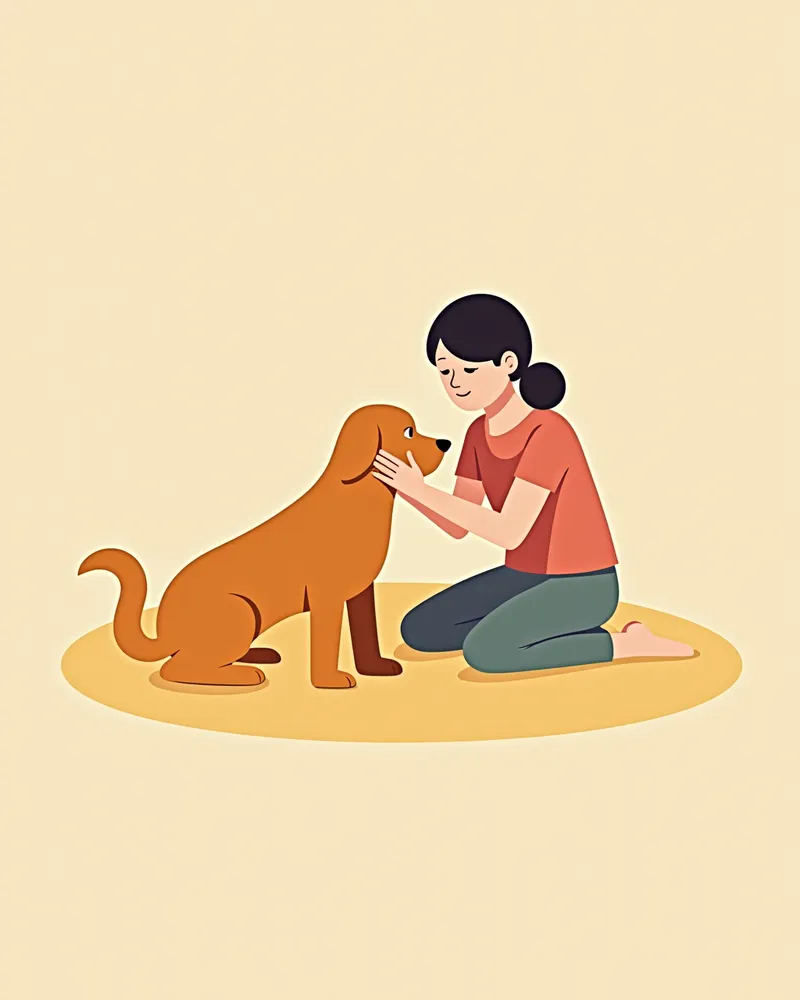
The puppy looks relaxed and comfortable while receiving gentle strokes from its owner after the examination.

Reviewed by a veterinarian

Dr. Tony — Punnawat Phongkittirak

Dr. Tony — Punnawat Phongkittirak

Veterinarian

A veterinarian who majored in veterinary medicine at Khon Kaen University, Thailand, and completed the IVSA program at North Carolina State University in the United States. Drawing on clinical experience at animal hospitals, he works in the pet healthcare field and is dedicated to building a digital care environment that connects pet parents with veterinarians.

Frequently Asked Questions

Does the fluorescent staining test hurt?
It won’t hurt. The test is a non-invasive procedure that involves applying a stain to the eye, and it causes little to no discomfort.
What should I do if my pet’s eyes become red after an examination?
It may be a temporary reaction. However, if the redness persists or there is excessive tearing, please contact your veterinarian immediately.
What happens if hair dye gets into the eyes?
Immediately after the test, any excess dye is rinsed away with sterile saline, and the remaining small amount is gradually washed out by tears. Usually, no special measures are needed.
What happens if my dog moves during the examination?
It helps the veterinarian maintain a stable position. If necessary, light sedation or anesthesia can be considered.
Which dogs are recommended for this test?
If your pet’s eyes become red and they repeatedly rub or squint them, it’s a good idea to have both eyes examined, especially after an injury.

Share

Related Guides

References

[1] Gelatt KN. Essentials of veterinary ophthalmology. Ames, IA: John Wiley & Sons, Inc.; 2014.

[2] Clinical Atlas of Canine and Feline Ophthalmic Disease, 2nd Ed. Wiley-Blackwell; 2018.

[3] Merck Veterinary Manual. Cornea. Available from: https://www.merckvetmanual.com/eye-and-ear/ophthalmology/cornea

This information is based on veterinary literature and does not replace diagnosis or treatment. Please consult a veterinarian for specific health concerns.

Metapet Co., Ltd. | CEO: Park Sung-yong | Business Reg. No. 417-88-02562 | Seoul, South Korea | Customer Center

Dog Fluorescein Corneal Staining: Your FAQ Answered | Meongsiljang