

How to Measure Dog and Cat Body Temperature at Home (Rectal and Forehead)
We’ve compiled a veterinary-standard guide to the normal body temperature ranges for dogs and cats, along with the correct ways to measure their temperature at home using rectal, forehead, and ear methods, including the differences in accuracy between each method.
What Is Home Temperature Measurement?

Normal Body Temperature Ranges for Dogs and Cats
Accuracy Comparison by Measurement Site
| Item | Rectal Thermometer | Forehead (Non-Contact) Thermometer | Ear (Infrared) Thermometer |
|---|---|---|---|
| Accuracy | Highest (reference value) | Low (for reference) | Medium (large individual variation) |
| Measurement Time | 30 seconds to 1 minute | 1–3 seconds | 3–5 seconds |
| Fur Effect | None | Large (reads low due to fur) | Medium (affected by ear hair and earwax) |
| Stress | Medium to high | Low | Low |
| Recommended Use | Confirming fever or hypothermia | Routine screening | Reference measurement |
According to veterinary emergency medicine textbooks, rectal temperature is the standard for clinical judgment.
Steps for Measuring Rectal Temperature at Home
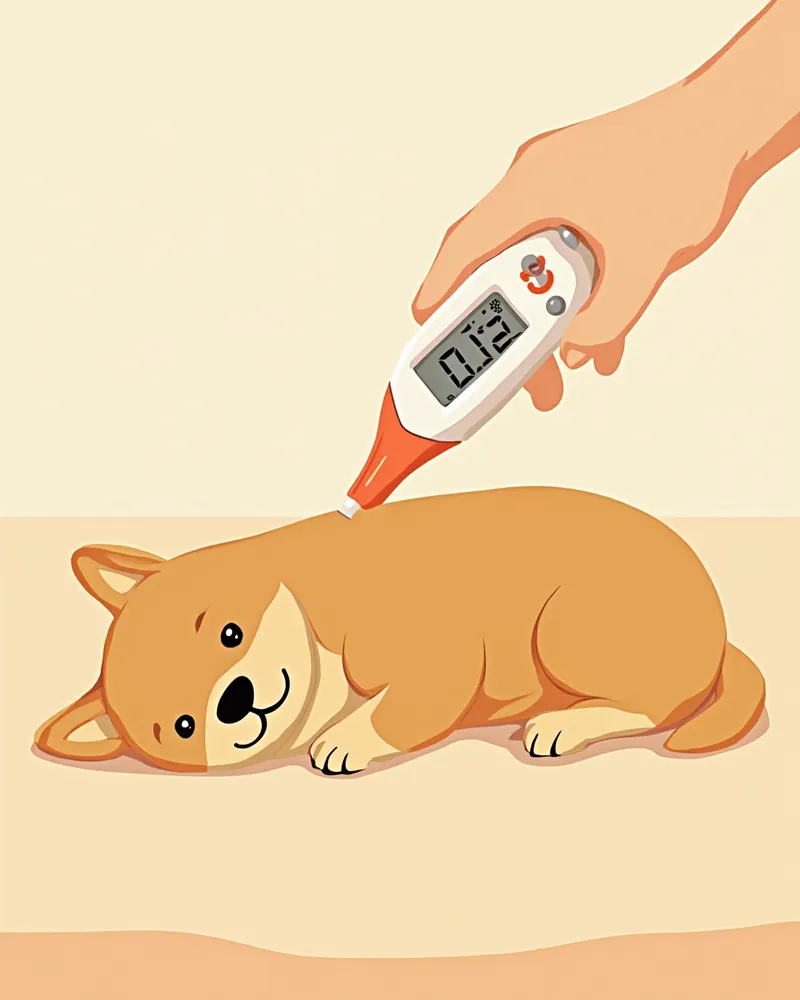
Important Precautions Before Rectal Measurement
Avoid taking rectal temperatures when your pet has diarrhea or blood in their stool, as the anal mucosa is already sensitive and inserting a thermometer can cause pain and bleeding. Never force the thermometer in, and do not use glass mercury thermometers. Always use a dedicated digital thermometer, and never share devices between pets and humans.
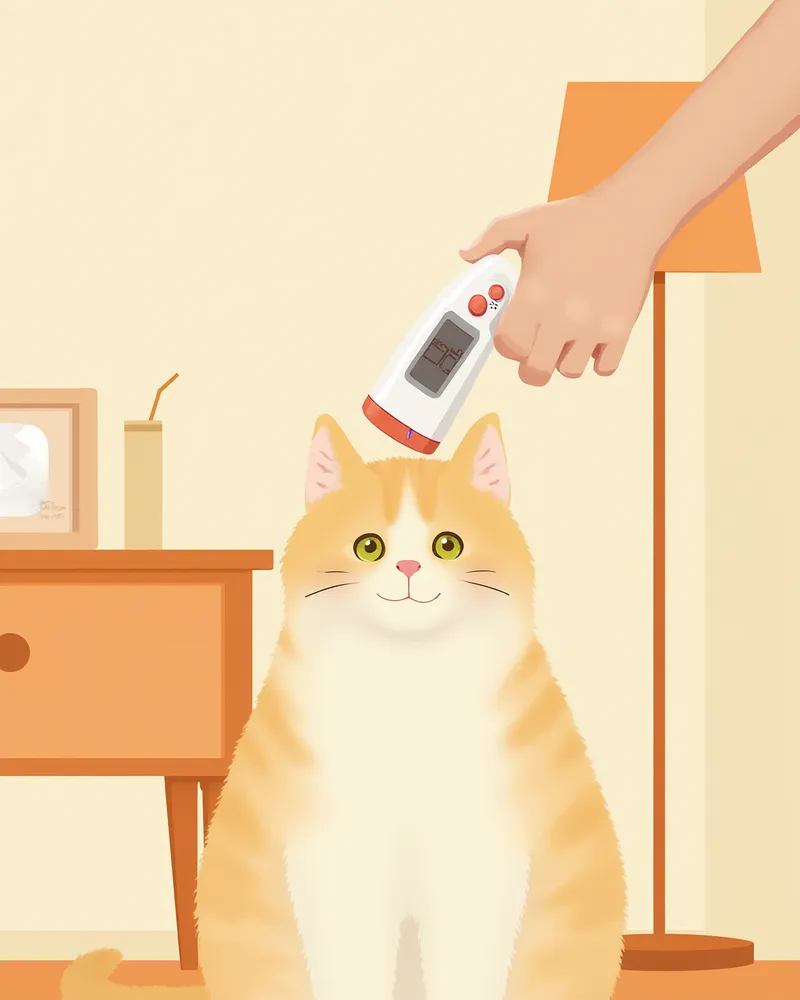
Limitations of Forehead and Ear Thermometers
Temperations Requiring Immediate Veterinary Care
If you see any of the following readings, do not attempt to treat your pet at home—seek veterinary care immediately. - Above 40.0°C: High fever — suspect infection, heatstroke, or an immune response. - Above 41.0°C: Hyperthermia emergency — risk of organ damage; cool the pet immediately and transport to a clinic. - Below 37.0°C: Hypothermia — possible shock, poisoning, or hypoglycemia. - Below 35.5°C: Severe hypothermia emergency — wrap the pet in a blanket and transport immediately. If an abnormal temperature persists for more than 30 minutes, or if it is accompanied by seizures, breathing difficulties, or changes in gum color, it is an emergency regardless of the specific reading.
Common Measurement Mistakes to Avoid

Reviewed by a veterinarian

Dr. Tony — Punnawat Phongkittirak
VeterinarianA veterinarian who majored in veterinary medicine at Khon Kaen University, Thailand, and completed the IVSA program at North Carolina State University in the United States. Drawing on clinical experience at animal hospitals, he works in the pet healthcare field and is dedicated to building a digital care environment that connects pet parents with veterinarians.
Reviewed 2026-04-29
Frequently Asked Questions
Can I use a human thermometer on my pet?
Do cats need to have their rectal temperature taken?
Does a dry nose mean my pet has a fever?
Is a body temperature of 38.8°C considered a fever?
What happens if the measurement depth is too shallow?
Share
Related Guides

Primary vs. Secondary Veterinary Hospitals: A Comparison

5 Easy-to-Raise Cat Breeds for First-Time Owners — Grooming Difficulty Comparison

Top 7 Short-Legged Dog Breeds

Dog Pollakiuria and Urinary Urgency FAQ — Key Information Every Pet Owner Should Know

Dog Difficulty Urinating (Stranguria) FAQ — Key Information for Pet Owners

Dog Calcium Oxalate Uroliths FAQ — Key Information Every Pet Owner Should Know

Dog Bladder Transitional Cell Carcinoma FAQ — Key Information Every Pet Owner Should Know

Dog Bladder Polyps & Growths FAQ — Key Information for Pet Owners

Dog Bacterial Cystitis FAQ — Key Information for Pet Owners

Frequently Asked Questions on Increasing Your Cat’s Water Intake — Key Points Every Pet Owner Should Know
References
[1] Silverstein & Hopper, Small Animal Critical Care Medicine, 3rd Ed, Ch. Temperature Regulation
[2] Creedon & Davis, Advanced Monitoring for Small Animal Emergency and Critical Care, 2nd Ed
[3] NRC, Nutrient Requirements of Dogs and Cats, Ch. Thermoneutral Zone