

Complete Guide to Home Emergency First Aid for Pet Burns in Dogs and Cats
We’ve outlined the key principles for treating pet burns at home, including cooling with lukewarm water for 15 to 20 minutes, home remedies to absolutely avoid, and when to seek veterinary care.
Key Essentials to Know First for Home Burn First Aid
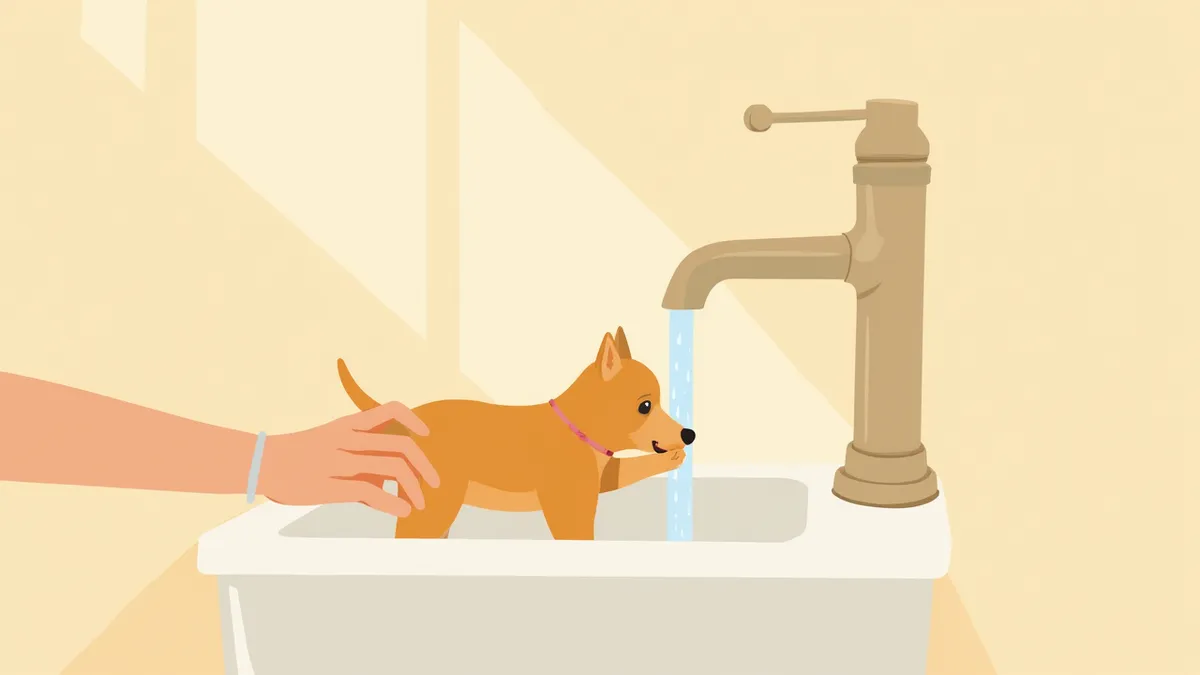
Common Causes of Pet Burns at Home
How to Distinguish First-, Second-, and Third-Degree Burns
Comparison of Symptoms and Home Care by Burn Degree
| Item | First-degree burn | Second-degree burn | Third-degree burn |
|---|---|---|---|
| Depth of damage | Epidermis (outermost skin layer) | Epidermis + part of the dermis | Full-thickness skin (entire epidermis and dermis) |
| Main symptoms | Redness/mild pain | Blisters/severe pain/discharge | Black or yellowish-white discoloration/loss of sensation |
| Hair condition | Hair follicles preserved (hair intact) | Preserved if shallow, lost if deep | Hair follicles lost (hair completely burned off) |
| Home treatment | Cool with running cool water (12–18°C) for 20 minutes | Cool, then go to the vet immediately | Cover with saline-soaked gauze and go to the vet immediately |
| Urgency of vet visit | Same-day visit recommended | Go in immediately | Emergency transport |
According to veterinary emergency medicine textbooks, because pets are covered in fur, the damage may be deeper than it appears to the owner, and the extent of a burn can reveal itself over several days.
3 Steps of Immediate First Aid
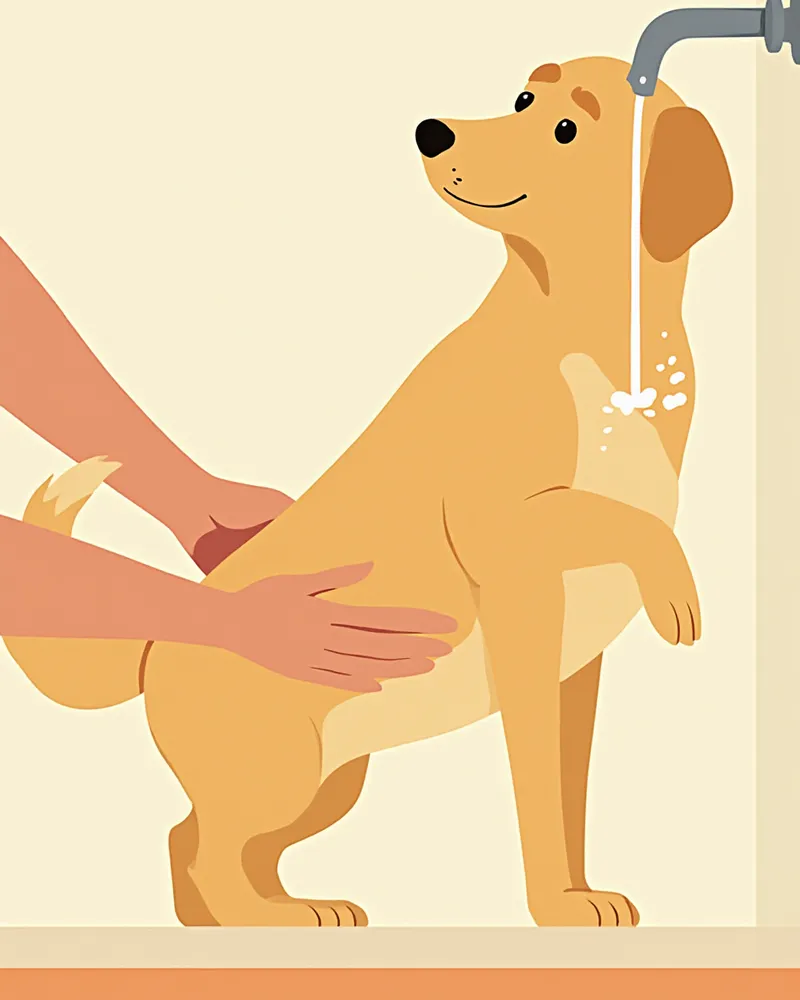
Home Remedies to Absolutely Avoid
Never apply ice, butter, soybean paste, toothpaste, soju, petroleum jelly, or human burn ointments to your pet’s burns. Studies show that ice and cold water are no more effective than no treatment at all, so they are not recommended. Food items and household products like butter, soybean paste, and toothpaste can cause bacterial infections by compromising the skin barrier already damaged by the burn. Human ointments pose a risk if your pet licks and ingests them, and they can obscure the wound, making it difficult for the veterinarian to assess the extent of the damage. The rule is to use only medications prescribed by your veterinarian, such as silver sulfadiazine ointment or medical-grade honey. Do not pop blisters or forcibly remove fur or fabric stuck to the wound. Debridement of dead tissue (scabs) must be performed at a veterinary clinic. Just remember: cool, cover, and go to the vet.
Care Points by Body Site and Burn Type
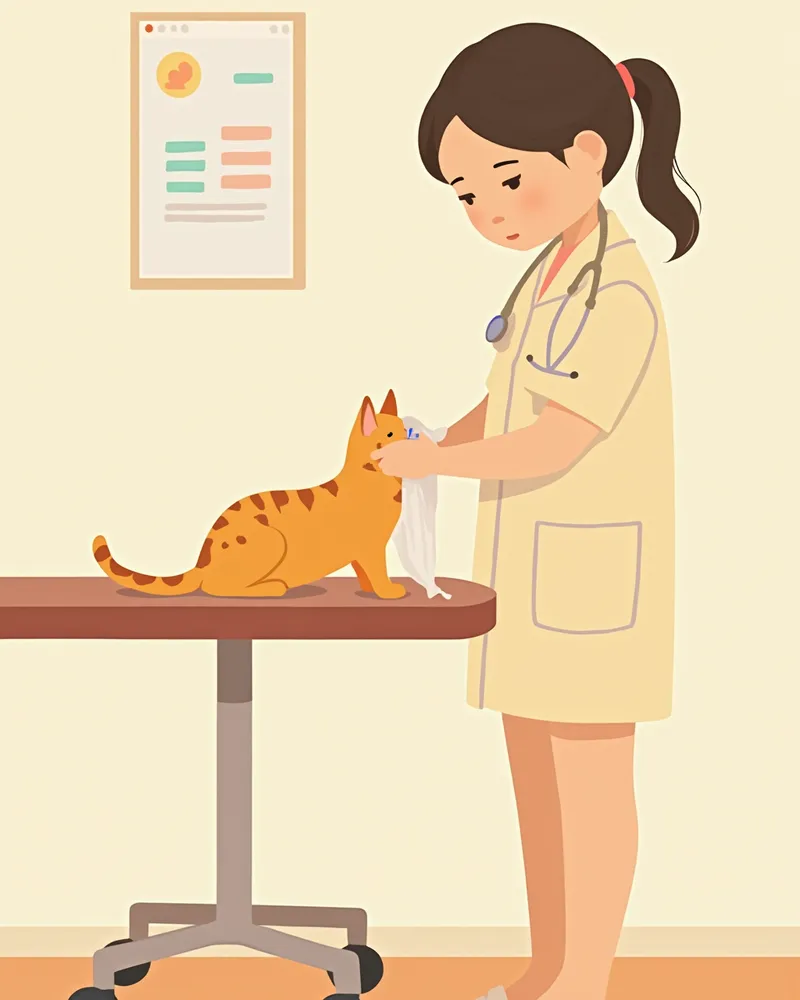
When to Go to the Vet Immediately
If any of the following apply, home care alone is not sufficient: extensive burn area (the larger the area, the higher the risk of systemic complications; burns covering more than 20% of the body surface are especially dangerous), burns on the face, eyes, mouth, genitalia, or joints, blistering or black/white discoloration of the skin, burns caused by electricity or chemicals, respiratory issues such as coughing or difficulty breathing after electrocution, or severe pain causing trembling or refusal to eat or drink. In particular, the full extent of burn damage may take several days to become apparent, so even if the injury seems mild at first, it is safest to visit the clinic immediately if the burn appears extensive or deep.
Reviewed by a veterinarian

Dr. Tony — Punnawat Phongkittirak
VeterinarianA veterinarian who majored in veterinary medicine at Khon Kaen University, Thailand, and completed the IVSA program at North Carolina State University in the United States. Drawing on clinical experience at animal hospitals, he works in the pet healthcare field and is dedicated to building a digital care environment that connects pet parents with veterinarians.
Reviewed 2026-04-29
Frequently Asked Questions
Can I apply aloe or ointment to the burn area?
A blister has formed. Is it okay to pop it?
How soon after overheating should you start cooling your pet for it to be effective?
My pet got an electric shock from chewing on an electrical cord, but their mouth only looks slightly red. Is it okay to just monitor them?
My cat stepped on a hot pot, but it seems fine. Is that okay?
Share
Related Guides

Top 5 Medicated Dog Shampoos — For Pyoderma and Bacterial Infections

Veterinarian-Recommended Top 5 Medicated Shampoos for Canine Yeast Dermatitis — Relieves Itching and Greasiness

Top 5 Medicated Cat Shampoos Recommended by Veterinarians — Fungal Dermatitis and Fungal Care

When to Spay Your Cat to Prevent Mammary Tumors — Key Prevention Q&A

How to Reduce Pain in Cats with Cancer at Home — Key Q&A on Palliative Care

Cat Epistaxis and Nasal Obstruction: Could It Be a Nasal Tumor? — Key Symptoms and Treatment Overview

What Are Feline Mammary Tumors? — Key Q&A on Symptoms, Malignancy, and Treatment

How to Confirm Lymph Node Metastasis in Cats: From Testing to Interpreting Results

What are feline hormone-responsive tumors? — Causes and treatment

Cat Injection Site Lump: Is It a Sign of Fibrosarcoma? — Key Guide to Causes and Treatment
References
[1] Drobatz KJ, Hopper K, Rozanski E, Silverstein DC, Small Animal Critical Care Medicine, 3rd Edition, Chapter on Thermal Burn Injury, 2022
[2] Sherri Wilson, Feline Emergency and Critical Care Medicine, 2nd Edition, Section on Environmental Emergencies, 2021
[3] Vaughn L, Beckel N, Thermal burn injury in dogs and cats: a review, Journal of Veterinary Emergency and Critical Care, 2012