Like
Share
멍실장
강아지 녹내장 자주 묻는 질문 Q&A — 보호자가 꼭 알아야 할 핵심

What Is Canine Glaucoma? — Warning Signs You Must Not Miss Before Vision Loss

Eye HealthQ&AMeongsiljang Veterinary Advisory Board

Canine glaucoma is a serious eye condition that can lead to vision loss. We’ve compiled the essential information every pet owner should know in a Q&A format.

What Is Canine Glaucoma?
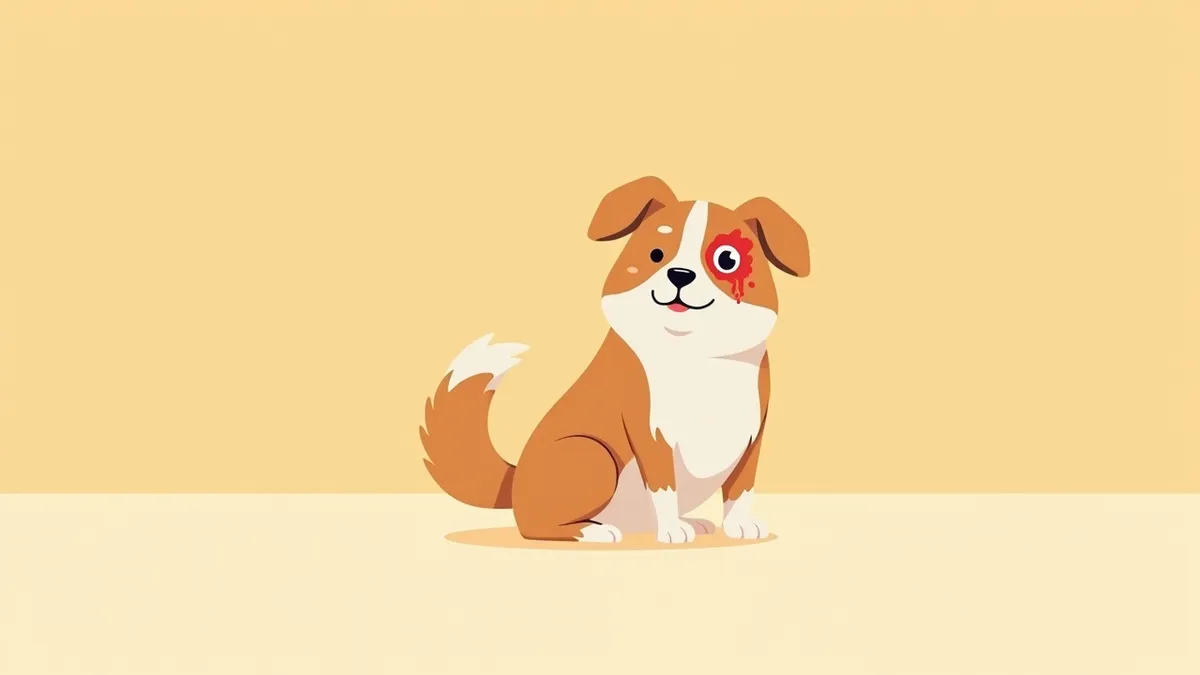
Photo of a puppy with bloodshot eyes
Canine glaucoma is an eye condition in which the aqueous humor, the fluid that fills the eye, fails to drain properly, causing intraocular pressure (IOP) to rise. - Elevated intraocular pressure: Increased pressure within the eye can damage the optic nerve, and if the condition becomes chronic, it may lead to optic nerve degeneration. - Vision loss: Early signs include redness and a cloudy or hazy cornea; as the disease progresses, vision deteriorates. - Early detection: Glaucoma often progresses acutely within hours, so prompt veterinary care is crucial once symptoms appear. - Diagnostic methods: Since symptoms like redness and pain can also occur in other eye conditions, diagnosis is confirmed by measuring intraocular pressure with a tonometer. - Treatment goals: The primary objectives are to lower intraocular pressure to prevent optic nerve damage, reduce pain, and preserve any remaining vision.

Why Does Canine Glaucoma Occur?

The primary cause of glaucoma in dogs is abnormal drainage structures in the eye (the anterior chamber angle and trabecular meshwork), which prevent aqueous humor from draining properly. - Genetic predisposition: Certain breeds, such as American Cocker Spaniels, Basset Hounds, Boston Terriers, Shar-Peis, and Beagles, have a higher genetic risk for primary glaucoma. - Abnormal ocular structure: If the anterior chamber angle is narrow (angle-closure) or the trabecular meshwork is atrophied, aqueous humor drainage is blocked, leading to increased intraocular pressure. - Secondary causes: Secondary glaucoma can develop due to eye inflammation like uveitis, lens luxation, anterior chamber hemorrhage, or iris adhesions. - Risk of chronic progression: Primary glaucoma often progresses slowly over several years before suddenly presenting acutely, potentially leading to vision loss. - Importance of prevention: Breeds with a genetic predisposition require regular ophthalmic examinations.
An anatomical diagram showing the blocked tear drainage pathway in the eye.

What Are the Main Symptoms of Glaucoma?

Canine glaucoma may begin with redness of the eye or a cloudy, hazy appearance of the cornea. - Eye redness: The white part of the eye may turn red, or blood vessels on the sclera may become prominent (scleral congestion). - Eye pain: Due to pain, your dog may have difficulty opening its eyes or exhibit squinting (blepharospasm). - Tearing and scratching behaviors: Excessive tearing occurs, along with increased rubbing or scratching of the eyes. - Eye swelling: Chronically elevated intraocular pressure can cause the eyeball to enlarge (buphthalmos) and the pupil to appear dilated. - Vision loss: Visual impairment may manifest as disorientation in low light or an inability to avoid obstacles. - Seek immediate veterinary care: Glaucoma can progress acutely within hours, so if you notice these symptoms, visit a veterinary clinic immediately.
A photo of a puppy with its eyes closed

Signs Requiring Immediate Veterinary Visit

If your pet’s eyes become swollen or they rub their eyes excessively due to pain, seek veterinary care immediately. Glaucoma can progress acutely within hours and is often painful; delayed treatment frequently results in irreversible vision loss, so prompt emergency evaluation is crucial.

Comparison of Glaucoma Stages, Symptoms, and Responses

ItemMain SymptomsTreatment MethodTiming
MildEye redness, corneal cloudinessControl intraocular pressure with medicationEarly diagnosis is important
ModerateBlurred vision, excessive tearingMedication + consider surgeryGoal of preserving remaining vision
SevereBulging eye, painSurgery (vision recovery is difficult)Immediate treatment needed

Once it progresses, vision recovery is often difficult. Early diagnosis and control of intraocular pressure are key.

How Is Glaucoma Treated?
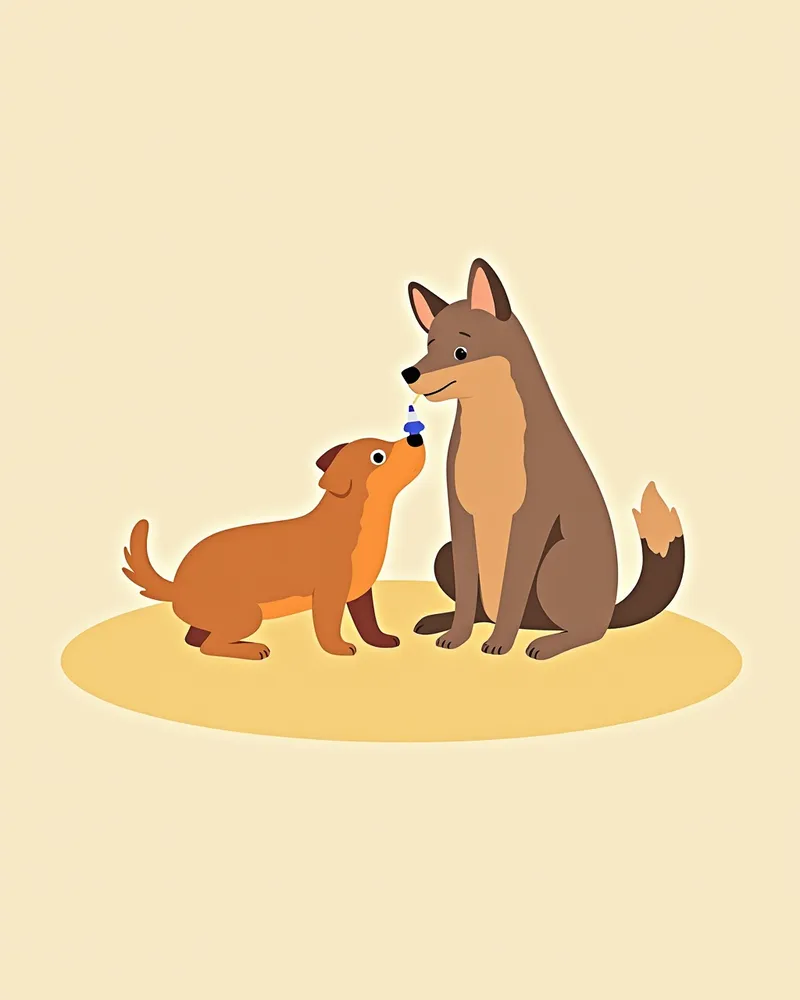
The key to treating glaucoma is lowering intraocular pressure to prevent optic nerve damage and reduce pain. - Medication: Eye drops that decrease aqueous humor production or enhance its drainage—such as carbonic anhydrase inhibitors like dorzolamide and brinzolamide—are used to lower intraocular pressure. - Surgery: If medication fails to control intraocular pressure or the disease has progressed, surgery may be considered based on the veterinarian’s assessment. In advanced stages where vision recovery is unlikely, surgery may be necessary to alleviate pain. - Individualized Treatment Plans: The veterinarian will develop a treatment plan tailored to the pet’s condition and the stage of disease progression. - Regular Check-ups: Periodic intraocular pressure measurements using a tonometer are essential throughout treatment. - Target Intraocular Pressure: The goal is to sufficiently lower intraocular pressure (typically to 19–20 mmHg or below) to prevent retinal damage and relieve pain. - Treatment Goals: Reducing pain and preserving any remaining vision are the primary objectives.
A photo of a veterinarian administering eye drops to a puppy.

Management Methods You Can Do at Home
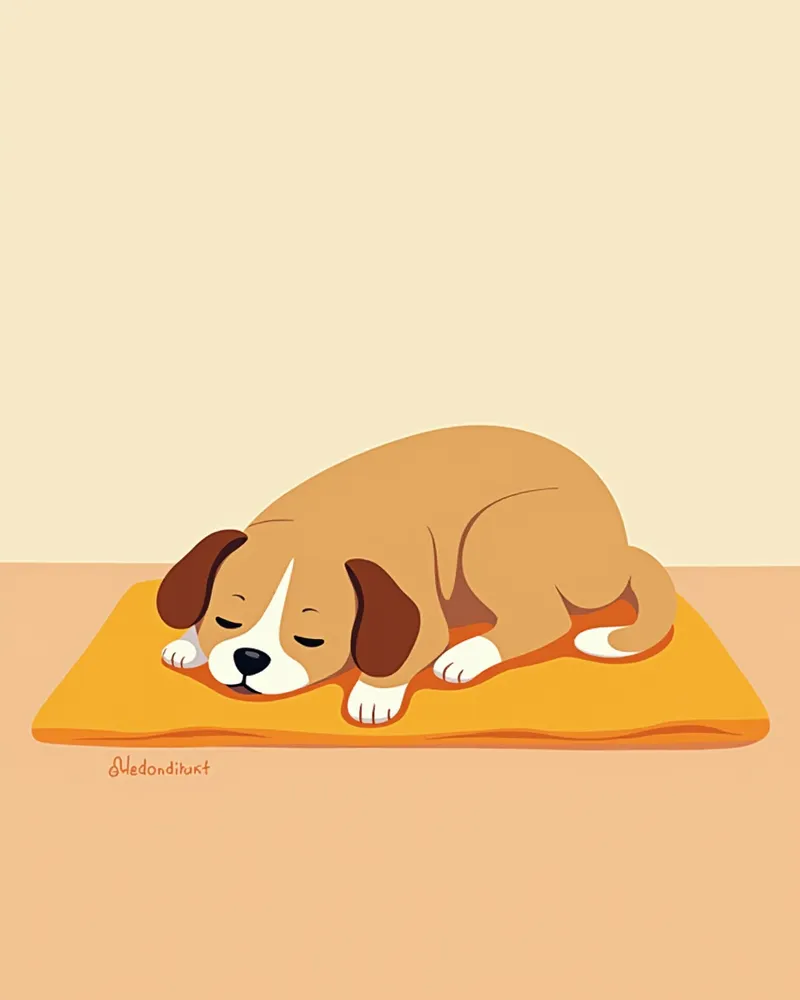
It’s important to give your pet’s medication at the exact prescribed times. - Medication administration: When applying eye drops, gently hold your dog’s head steady and allow them to blink. - Eye area care: Gently clean around the eyes with warm water. - Preventing scratching: Use an Elizabethan collar or a cage to prevent your pet from scratching their eyes. - Environmental adjustments: Provide a quiet, dimly lit space for rest. - Minimizing stress: Avoid sudden noises or external stimuli, and maintain a consistent daily routine. - Cooperation with treatment: Consistent adherence to medication and care is key to preserving vision.
A photo of a dog resting comfortably in a dark room.

Tips for Prevention and Recurrence Prevention
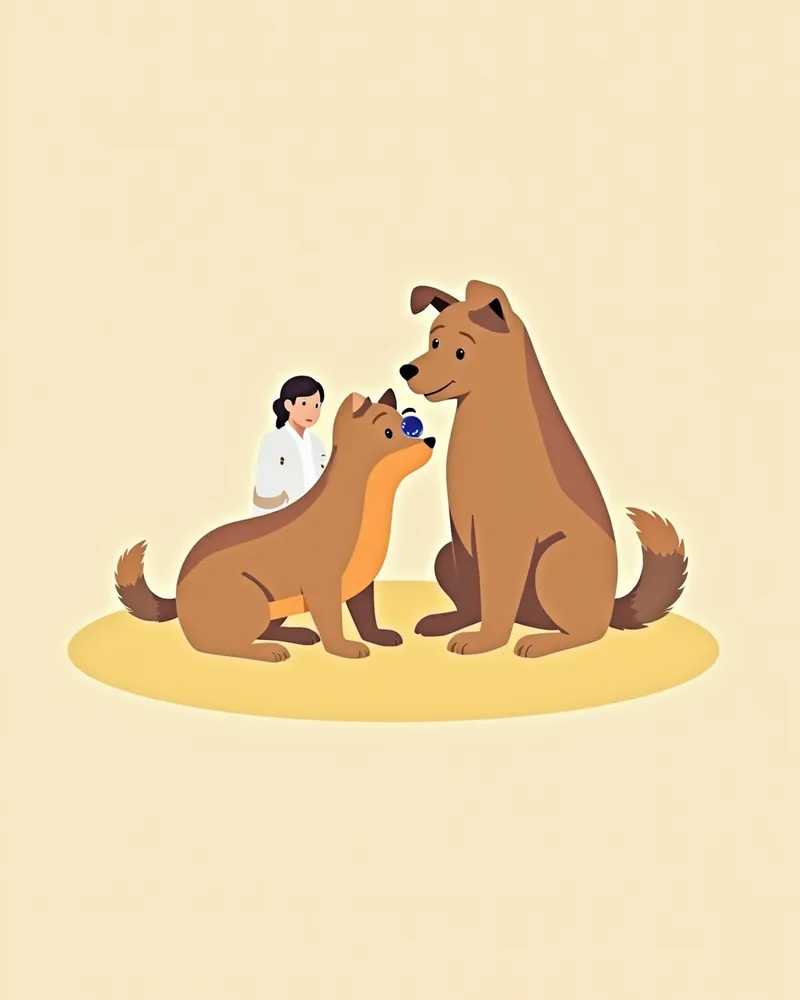
With canine glaucoma, early detection and ongoing management are far more important than seeking a complete cure. In particular, primary glaucoma with a genetic predisposition is difficult to prevent entirely, so the key is to catch it early and keep intraocular pressure under control. - Regular check-ups: Breeds with a genetic predisposition should have routine ophthalmic examinations. - Symptom monitoring: If you notice redness, pain, or vision loss, seek veterinary care immediately. - Medication adherence: Use all prescribed eye drops exactly as directed, without missing doses. - Monitoring the other eye: If one eye develops primary glaucoma, the other eye is at high risk and should be checked as well. - Preventing recurrence and progression: Even after treatment begins, regular monitoring of intraocular pressure and the optic nerve is essential to track the condition. - The owner’s role: Consistent care and attention are the most powerful tools for preserving your dog’s vision.
A photo of a veterinarian examining a puppy's eyes

Reviewed by a veterinarian

Dr. Tony — Punnawat Phongkittirak

Dr. Tony — Punnawat Phongkittirak

Veterinarian

A veterinarian who majored in veterinary medicine at Khon Kaen University, Thailand, and completed the IVSA program at North Carolina State University in the United States. Drawing on clinical experience at animal hospitals, he works in the pet healthcare field and is dedicated to building a digital care environment that connects pet parents with veterinarians.

Frequently Asked Questions

Can glaucoma in dogs be cured?
While a complete cure is difficult, we can aim to reduce pain and preserve remaining vision by controlling intraocular pressure through medication and surgery. However, if the condition has progressed, restoring vision may be challenging, making early treatment essential.
Which breeds are more prone to glaucoma?
Certain breeds, such as American Cocker Spaniels, Boston Terriers, Basset Hounds, Shar-Peis, Beagles, Cairn Terriers, Boxers, and American Bulldogs, have a higher genetic predisposition. If there is a family history, extra caution is advised.
Is medication alone sufficient?
In mild cases, intraocular pressure can be managed with medication, but surgery may be necessary if the condition has progressed. Your veterinarian will determine the best course of action based on your pet’s specific situation.
Does excessive tearing indicate glaucoma?
Excessive tearing can be a sign of glaucoma, but since this symptom also occurs in other eye conditions, it’s difficult to make a diagnosis based on symptoms alone. A proper examination, including intraocular pressure measurement, is essential.
Does glaucoma cause complete loss of vision?
Early treatment can help preserve remaining vision. However, delayed treatment may make vision recovery difficult and lead to permanent vision loss. Early detection is key.

Share

Related Guides

References

[1] Clinical Atlas of Canine and Feline Ophthalmic Disease, 2nd Ed, 2023

[2] Plumb's Veterinary Drug Handbook, 10th Ed, 2022

[3] Feline Emergency and Critical Care Medicine, 2nd Ed, 2021

This information is based on veterinary literature and does not replace diagnosis or treatment. Please consult a veterinarian for specific health concerns.

Metapet Co., Ltd. | CEO: Park Sung-yong | Business Reg. No. 417-88-02562 | Seoul, South Korea | Customer Center

What Is Canine Glaucoma? Warning Signs Before Vision Loss | Meongsiljang