Like
Share
멍실장
강아지 녹내장 약물·수술 치료 자주 묻는 질문 Q&A — 보호자가 꼭 알아야 할 핵심

How to Decide on Glaucoma Treatment in Dogs: Key Points for Choosing Between Medication and Surgery

Eye HealthQ&AMeongsiljang Veterinary Advisory Board

Glaucoma in dogs is a serious condition that can lead to rapid vision loss. We’ve compiled the essential information pet owners need to know about the effectiveness, timing, and side effects of medication and surgical treatments.

Glaucoma in Dogs Is a Serious Condition That Can Lead to Rapid Vision Loss
A dog’s eye showing early signs of glaucoma
Glaucoma in dogs is a condition in which excessively high intraocular pressure damages the optic nerve, often accompanied by pain due to the pressure rise. Symptoms may include redness, clouding of the cornea, dilation or constriction of the pupil, protrusion of the third eyelid (nictitating membrane), and excessive tearing. Primary glaucoma, in particular, often presents with sudden onset of symptoms within hours, so prompt action is essential once signs are noticed. If left untreated, vision loss can progress to complete blindness. Early detection and rapid control of intraocular pressure are key to preserving sight. Redness, squinting or rubbing the eyes, and avoidance of light are all indications that an immediate veterinary visit is needed. Diagnosis and management require essential measurement of eye pressure using a tonometer, along with careful observation by the pet owner. - Early intervention: Detecting symptoms quickly and lowering intraocular pressure promptly is the most effective way to preserve vision. - Intraocular pressure management: Treatment centers on stabilizing and lowering eye pressure through medication or surgery. - Ongoing monitoring: Regular veterinary check-ups and intraocular pressure measurements remain necessary even after treatment begins.

Medication Is the First Choice for Preserving Vision in the Early Stages
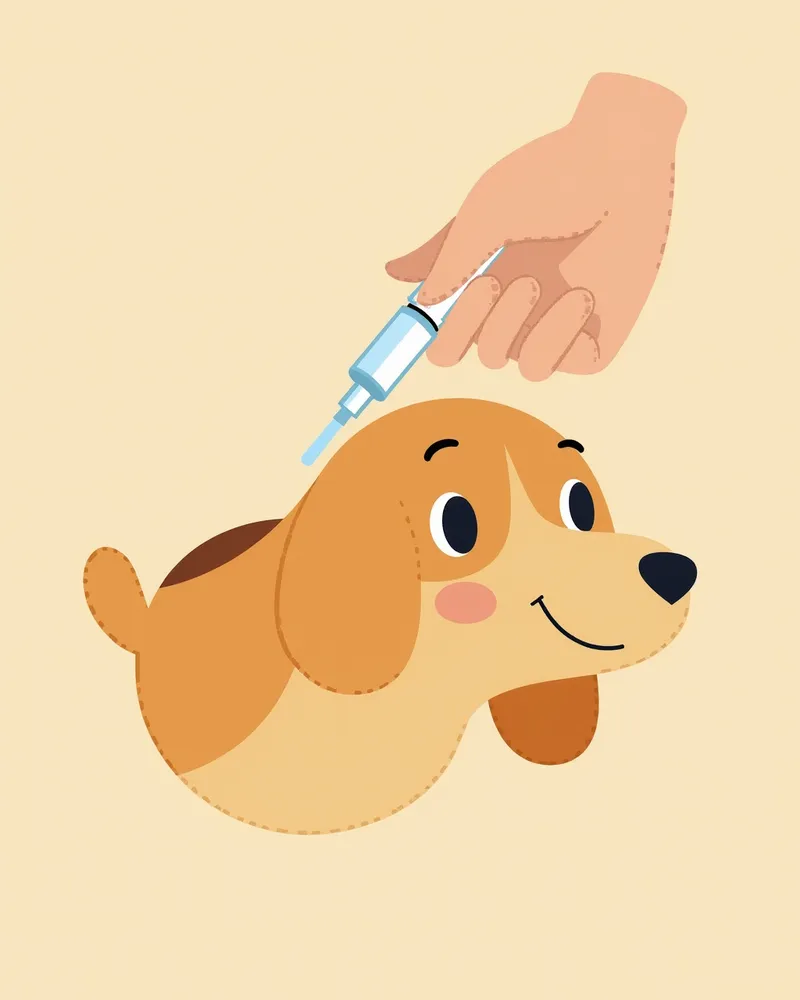
The cornerstone of glaucoma treatment is lowering elevated intraocular pressure, and medication is the primary option in the early stages. These drugs work by either reducing the production of aqueous humor within the eye or facilitating its drainage to lower pressure. Carbonic anhydrase inhibitors (CAIs), such as dorzolamide and brinzolamide, are commonly used to decrease aqueous humor production. However, in acute cases where pressure spikes rapidly, medication alone may be insufficient; osmotic diuretics like mannitol are often administered first to quickly reduce pressure. While the goal of medication is to maintain stable pressure and preserve remaining vision, the disease often progresses, making regular intraocular pressure monitoring essential to assess treatment efficacy. Discontinuing or missing doses can cause pressure to surge again. - Key to Medication Therapy: Consistent administration and regular intraocular pressure checks are crucial. - Side Effect Awareness: Systemic medications can have various side effects, so regular check-ups are necessary to monitor for them. - Treatment Goal: The priority is to maintain stable intraocular pressure to protect remaining vision. - Treatment Duration: Medication therapy may be long-term or lifelong, requiring patience from pet owners.
A veterinarian administering glaucoma medication to a puppy.

Surgery Is Considered When Medication Is Ineffective or Progression Is Rapid
Surgery may be considered when medication alone fails to control intraocular pressure or when vision loss has already progressed. Surgical approaches aim to either enhance the drainage of aqueous humor or reduce its production, and postoperative medication is often continued alongside surgery. However, because glaucoma is typically progressive, advanced cases with significant vision loss may require procedures focused on pain relief, such as enucleation (eye removal), cycloablation (using cryotherapy or medication to target the ciliary body), or implantation of an intraocular prosthesis. Before surgery, a comprehensive health assessment is essential, including an evaluation of anesthesia risks. - Surgical goals: To consistently lower intraocular pressure, slow further vision loss, and reduce pain. - Postoperative care: Continued medication and regular veterinary check-ups are essential. - Risk of recurrence: Intraocular pressure can rise again if management is neglected, so close attention is required. - Keys to success: Early intervention and consistent, long-term care are the most critical factors.
The appearance of a puppy during glaucoma surgery

The Key to Glaucoma Treatment Is Early Detection and Consistent Management
Glaucoma in dogs, especially primary glaucoma, often presents with sudden (acute) symptoms within just a few hours, so close monitoring by pet owners is essential. If you notice redness in the eye, light sensitivity, repeated squinting, or eye rubbing, seek veterinary care immediately. Glaucoma is a painful condition, and signs such as an enlarged, bulging eye (buphthalmos) or a cloudy, hazy cornea indicate that vision loss is progressing. Diagnosis requires measuring intraocular pressure with a tonometer, and regular veterinary check-ups are necessary throughout treatment to monitor the condition. - Early detection: Starting treatment quickly once symptoms appear is the most effective way to preserve vision. - Ongoing monitoring: Regular check-ups remain essential even after treatment begins. - Owner’s role: Careful observation and consistent veterinary visits are the greatest support you can provide. - Proactive approach: For breeds prone to glaucoma, it’s important to schedule regular ophthalmic exams before any symptoms arise.
A veterinarian examining a puppy's eyes

Medication vs. Surgical Treatment: Comparing Effectiveness, Timing, and Side Effects

ItemMedical TreatmentSurgical Treatment
Timing of ApplicationEarly, when intraocular pressure is mildWhen medication is ineffective or the condition is progressing
Main EffectControls intraocular pressure, preserves visionSustained pressure reduction, maintains vision
Possible Side EffectsEye redness, irritationInfection, bleeding, worsening vision
Treatment DurationRequires long-term dosingRequires recovery period after surgery

The treatment choice is decided by the veterinarian based on the intraocular pressure values, vision status, and overall health condition.

If the Eye Appears Red and Swollen or If Eye Rubbing Is Repeated, Immediate Veterinary Visit Is Necessary

If your dog is rubbing its eyes, showing sensitivity to light, or experiencing persistent tearing, these could be signs of glaucoma progression. In particular, if the eye appears swollen or cloudy, immediate veterinary attention is necessary. Vision loss can progress rapidly, and early treatment is essential to preserving sight.

Postoperative Care Is Essential for Eye Recovery and Preventing Recurrence
After surgery, your pet may need to wear an Elizabethan collar or protective eyewear to shield the eyes. It’s also essential to administer prescribed medications consistently and schedule regular veterinary check-ups to monitor intraocular pressure and vision. Avoid excessive activity and keep your pet away from environments that could irritate the eyes. Neglecting proper care significantly increases the risk of recurrence. - Post-operative precautions: Wearing an Elizabethan collar, adhering to medication schedules, and limiting activity are essential. - Recovery period: It may take 2–4 weeks for the eyes to fully stabilize. - Preventing recurrence: Consistent, diligent care is key to preventing the condition from returning. - Owner’s role: Regular veterinary visits and strict medication management are the most important factors.
A dog wearing a protective mask after surgery

The Success of Glaucoma Treatment Depends on Early Intervention and Consistent Management
While canine glaucoma can be a challenging condition to cure completely, early detection and appropriate treatment can help preserve your dog’s vision for a long time. The key is to stabilize intraocular pressure through a combination of medication and surgery, and to monitor the condition through regular check-ups. Your consistent care and attention make the biggest difference. - Treatment Goal: The aim is to minimize vision loss and maintain quality of life. - Ongoing Management: Treatment may need to continue for the rest of your dog’s life. - Owner’s Role: Regular veterinary visits and consistent medication management are essential. - Key to Success: Early intervention and steady, long-term care are most important. - Realistic Expectations: Rather than a complete cure, maintaining a stable condition is the practical goal.
A puppy looking healthy after treatment

Reviewed by a veterinarian

Dr. Tony — Punnawat Phongkittirak

Dr. Tony — Punnawat Phongkittirak

Veterinarian

A veterinarian who majored in veterinary medicine at Khon Kaen University, Thailand, and completed the IVSA program at North Carolina State University in the United States. Drawing on clinical experience at animal hospitals, he works in the pet healthcare field and is dedicated to building a digital care environment that connects pet parents with veterinarians.

Frequently Asked Questions

How many times a day should glaucoma eye drops be administered?
The number of times a medication should be given depends on your veterinarian’s prescription. Typically, it’s administered once to three times daily, and it’s important to follow the exact timing and frequency for the medication to be effective.
Can my dog’s eye pressure rise again after surgery?
Yes, glaucoma is a progressive disease, so eye pressure can rise again even after surgery. Regular check-ups and medication are necessary, and if it recurs, further treatment should be considered.
Is it safe to use glaucoma medication long-term?
Long-term medication management for glaucoma may include systemic carbonic anhydrase inhibitors (CAIs), which are suitable for extended use. However, because side effects can occur, regular check-ups are essential to monitor both eye health and overall well-being.
If my dog has glaucoma, can he still play with other dogs?
It's best to avoid activities that may irritate the eyes. In particular, steer clear of play that involves touching the eyes or causing impact, and opt for quiet, gentle play in a calm environment.
Is there a genetic component to glaucoma?
Yes, glaucoma has a genetic predisposition, making it more common in certain breeds. Primary glaucoma is linked to genetic factors, and a higher incidence has been reported in several dog breeds, including American Bulldogs, Great Danes, Boston Terriers, and Labrador Retrievers.

Share

Related Guides

References

[1] Fossum TW. (2007). Small Animal Surgery. 3rd ed. Elsevier.

[2] Hosgood G, Scholl DT. (1998). Evaluation of age as a risk factor for perianesthetic morbidity and mortality in the dog. J Vet Emerg Crit Care, 8(3):222-236.

[3] Reader RC, McCarthy RJ, Schultz KL, et al. (2020). Comparison of liposomal bupivacaine and 0.5% bupivacaine hydrochloride for control of postoperative pain in dogs undergoing tibial plateau leveling osteotomy. J Am Vet Med Assoc, 256:1011–1019.

This information is based on veterinary literature and does not replace diagnosis or treatment. Please consult a veterinarian for specific health concerns.

Metapet Co., Ltd. | CEO: Park Sung-yong | Business Reg. No. 417-88-02562 | Seoul, South Korea | Customer Center

How to Treat Dog Glaucoma: Choosing Between Medication and Surgery | Meongsiljang