Like
Share
멍실장
강아지 안검내반(눈꺼풀 말림) 자주 묻는 질문 Q&A — 보호자가 꼭 알아야 할 핵심

If Your Dog Keeps Rubbing Their Eyes — Causes of Entropion and Surgical Timing

Eye HealthQ&AMeongsiljang Veterinary Advisory Board

Entropion in dogs is a condition where the eyelid rolls inward, causing irritation to the eye. Early detection and treatment are essential to prevent vision loss. Here’s a summary of the key information every pet owner should know.

Entropion in Dogs Is a Condition Where the Eyelid Rolls Inward, Causing Irritation to the Eye
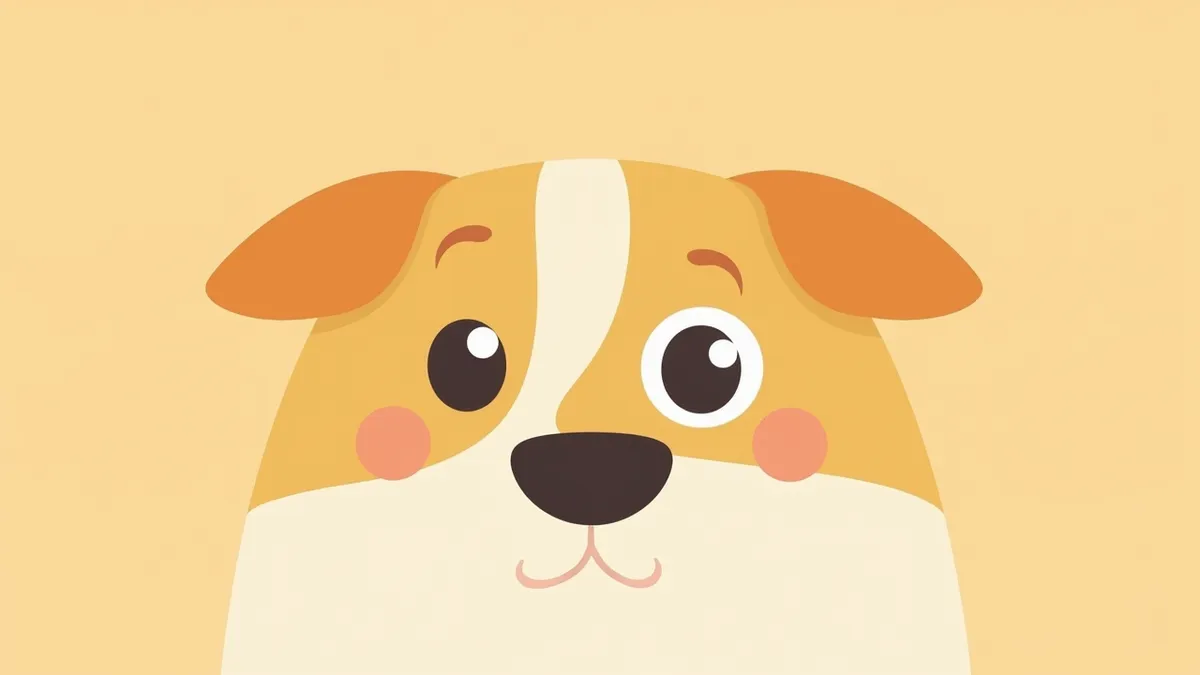
A puppy showing signs of entropion
Entropion is a condition in which the eyelid rolls inward, causing persistent irritation to the cornea and conjunctiva, making early detection essential for preserving vision. Certain breeds are genetically predisposed to this issue due to structural abnormalities of the eyelids, so dogs from high-risk breeds require particular attention. - Genetic (structural) factors: Breeds such as the English Bulldog, Chow Chow, and Shar-Pei are prone to entropion due to eyelid malformations, excessive length or laxity, or prominent facial wrinkles. - Trauma or scarring (cicatricial): Injuries or scars along the eyelid margin can disrupt the normal position of the eyelid, leading to cicatricial entropion. - Spastic rolling due to pain: Secondary spastic entropion can occur as a result of eye pain or eyelid spasms (blepharospasm). Early treatment can help prevent corneal ulcers and scarring.

The Main Causes of Entropion Are Genetics, Trauma, and Inflammation
The primary cause of entropion is a genetic predisposition linked to abnormal eyelid structure, and it is particularly common in certain dog breeds due to their inherent physical traits. - Genetic (structural) factors: Some breeds, such as English Bulldogs, Chow Chows, and Shar-Peis, are born with eyelids that naturally tend to roll inward. This can be exacerbated by excessive eyelid length, laxity, or prominent facial wrinkles. - Trauma or scarring: Injuries to the eyelid margin or scarring from surgery can alter the normal position of the eyelid, leading to cicatricial entropion. - Pain or spasmodic factors: Secondary spasmodic entropion may occur as a result of eye pain or eyelid spasms, causing the eyelid to roll inward. - Inflammation, such as conjunctivitis: Inflammation around the eye, like conjunctivitis, can co-occur with entropion or worsen its symptoms. Identifying the underlying cause is essential for developing an effective treatment plan.
The anatomical structure of a dog's eye and the condition of entropion

The Main Symptoms of Entropion Are Excessive Tearing, Squinting, and Eye Closing
The most common sign of entropion is excessive tearing, which occurs as a protective response to constant irritation of the cornea. - Excessive tearing: Tears may flow continuously or appear thick and sticky. - Eye discomfort: Your pet may blink frequently or rub their eyes more often. - Squinting or keeping the eye closed: The eye may be partially or fully closed for extended periods. - Redness: The eye may appear red with visibly dilated blood vessels. - Signs of vision impairment: The eye may look cloudy, or your pet may seem unable to see their surroundings clearly. If you notice any of these symptoms, consult your veterinarian immediately.
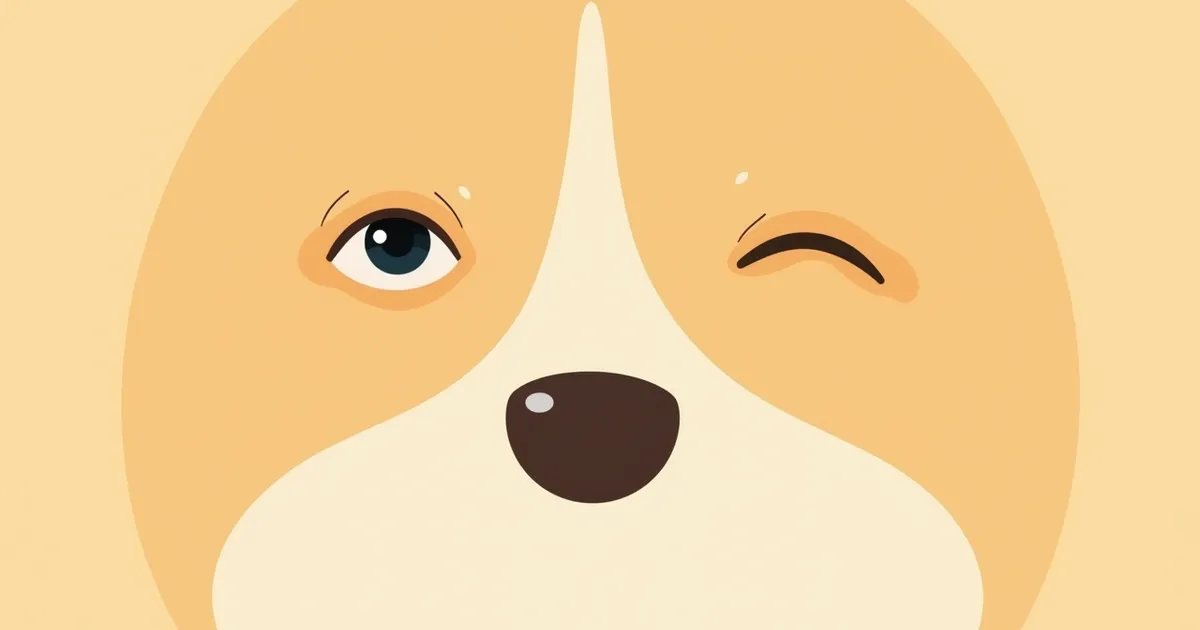
A puppy rubbing its eyes due to entropion

If the Eyes Become Red and Tearing Increases, Immediate Veterinary Visit Is Necessary

If your pet’s eyes appear red, tear excessively, or if they frequently squint, it could indicate corneal damage caused by entropion. If left untreated for an extended period, this condition may lead to vision loss or scarring. Please consult a veterinarian promptly for an examination.

Surgery Is the Primary Treatment for Entropion
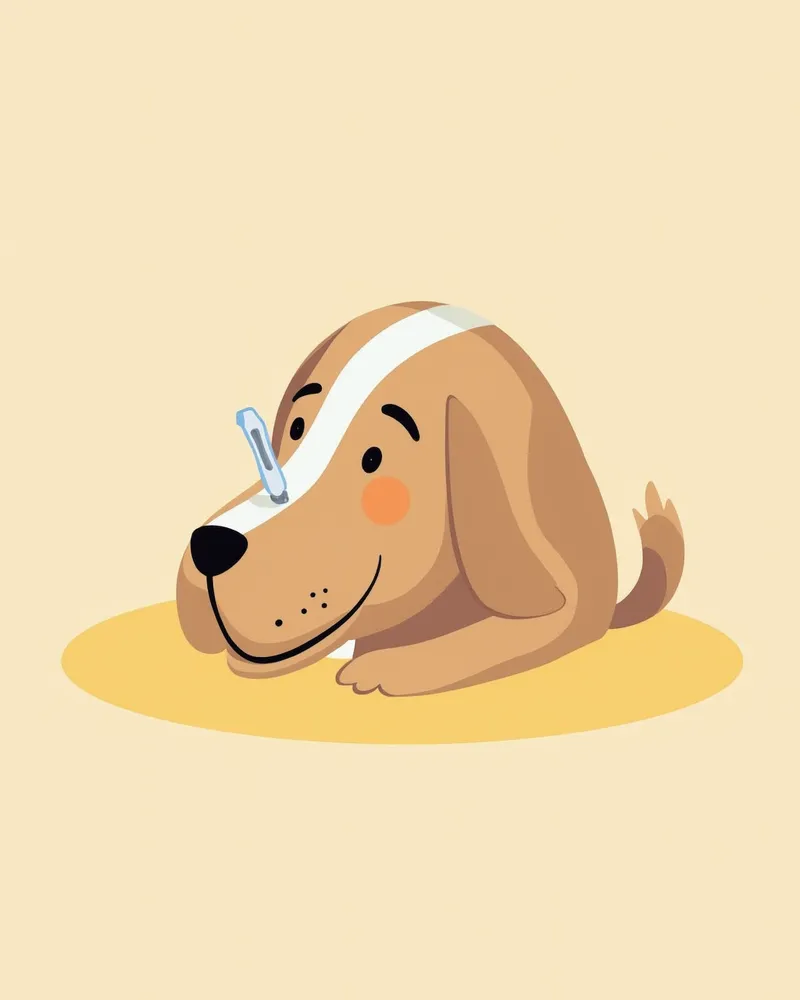
Treatment for entropion typically involves surgery to return the eyelid to its normal position. However, for young puppies, the standard approach is to wait until the eyelid shape has fully matured. - Surgical Treatment: Procedures such as the Hotz-Celsus technique correct the excessive rolling of the eyelid to reduce corneal irritation. Prior to surgery, the cornea is carefully evaluated, and any inflammation is managed with anti-inflammatory and lubricating eye drops. - Temporary Treatment for Young Puppies: In puppies whose eyelids have not yet matured, non-absorbable sutures or staples may be used to temporarily evert the eyelid. As the puppy grows and the eyelid shape matures, the condition may resolve on its own. - Post-Surgical Care: Antibiotic eye drops are used to prevent infection, while lubricating and protective drops help shield the cornea. - Recovery and Prognosis: Regular follow-up examinations are necessary after surgery. In most cases, surgery leads to significant improvement, effectively preventing vision loss.
A veterinarian performing entropion surgery on a puppy

Prevention of Entropion Is Difficult, but Early Detection Is Important
Because entropion is largely genetic, complete prevention is difficult, but early detection and management are certainly possible. - Regular check-ups: For breeds at higher risk, it’s advisable to start regular eye examinations from around six months of age. - Symptom monitoring: If you notice increased tearing or frequent blinking, consult your veterinarian immediately. - Environmental management: Take measures to protect your pet’s eyes in dusty or otherwise irritating environments. - Working with your veterinarian: Starting treatment in the early stages can sometimes allow for management without surgery. Early intervention plays a crucial role in preserving vision and improving quality of life.
A veterinarian examining a puppy's eyes.

Comparison of Entropion Treatments: Surgery vs. Medication

ItemTreatment MethodEfficacyTiming of ApplicationPrecautions
Surgical TreatmentHigh (definitive correction)Correction of eyelid shapeAfter eyelid shape has matured or when symptoms persistWatch for infection and overcorrection after surgery
Medical TreatmentTemporary/supportiveProtects cornea with anti-inflammatory and lubricationBefore/after surgery or for temporary managementCannot correct the underlying cause

Surgery is the definitive treatment, and medications (anti-inflammatory and lubricating eye drops) play a supportive role in protecting the cornea.

Certain Breeds Are at Higher Risk for Entropion, So Caution Is Needed

Breed-specific anatomy makes English Bulldogs, Chow Chows, and Shar-Peis particularly prone to primary entropion, a condition where the eyelids roll inward. Since this can manifest at a young age, dogs of these breeds should undergo regular eye examinations. If you notice excessive tearing or frequent blinking, please visit the clinic immediately.

Reviewed by a veterinarian

Dr. Tony — Punnawat Phongkittirak

Dr. Tony — Punnawat Phongkittirak

Veterinarian

A veterinarian who majored in veterinary medicine at Khon Kaen University, Thailand, and completed the IVSA program at North Carolina State University in the United States. Drawing on clinical experience at animal hospitals, he works in the pet healthcare field and is dedicated to building a digital care environment that connects pet parents with veterinarians.

Frequently Asked Questions

Is entropion in puppies genetic?
Yes, in particular, many cases have a strong genetic predisposition due to abnormalities in the eyelid shape (structure). The incidence rate is relatively high in breeds such as the English Bulldog, Chow Chow, and Shar-Pei.
When should surgery be performed for entropion?
If symptoms persist or corneal damage is suspected, corrective treatment is necessary. However, for young puppies whose eyelids have not yet matured (typically before 6–12 months of age), it is standard practice to temporarily reposition the eyelids using sutures or staples and perform definitive surgery once the eyelid structure has fully developed. Please consult your veterinarian to determine the appropriate timing.
How long does entropion surgery take?
The duration of the surgery varies depending on the technique and severity. After the procedure, sutures or staples may need to remain in place for several weeks to several months, depending on the condition. During this time, regular care and check-ups are essential.
Can entropion recur?
Even after surgery, ectropion—where the eyelid turns outward due to recurrence or excessive correction—can occur. Early detection through regular check-ups allows for timely intervention.
Can entropion be treated with medication?
Medications such as anti-inflammatory and lubricating eye drops can help protect the cornea and relieve symptoms, but they do not address the underlying cause—the abnormal eyelid conformation. Surgery is the primary treatment.

Share

Related Guides

References

[1] Hendrix DVH. Canine conjunctiva and nictitating membrane. In: Gelatt KS, editor. Veterinary ophthalmology. Oxford: Blackwell Publishing; 2007.

[2] Plummer CE, Källberg ME, Gelatt KN, Gelatt JP, Barrie KP, Brooks DE. Intranictitans tacking for replacement of prolapsed gland of the third eyelid in dogs. Vet Ophthalmol. 2008;11(4):228–233.

[3] Côté E. Clinical veterinary advisor. Dogs and cats. 3rd ed. St. Louis, MO: Elsevier Mosby; 2015.

This information is based on veterinary literature and does not replace diagnosis or treatment. Please consult a veterinarian for specific health concerns.

Metapet Co., Ltd. | CEO: Park Sung-yong | Business Reg. No. 417-88-02562 | Seoul, South Korea | Customer Center

Entropion in Dogs: Causes & Surgery Timing | Meongsiljang