Like
Share
멍실장
강아지 쿠싱 진단검사(LDDS/HDDS) 자주 묻는 질문 Q&A — 보호자가 꼭 알아야 할 핵심

Complete Guide to Canine Cushing’s Disease Diagnostic Tests (LDDS & HDDS) — From Methods to Result Interpretation

EndocrineQ&AMeongsiljang Veterinary Advisory Board

We’ve compiled the essential information pet owners need to know about LDDS and HDDS testing, which are crucial for accurately diagnosing Cushing’s disease in dogs.

What Are Canine Cushing’s Disease Diagnostic Tests (LDDS/HDDS)?
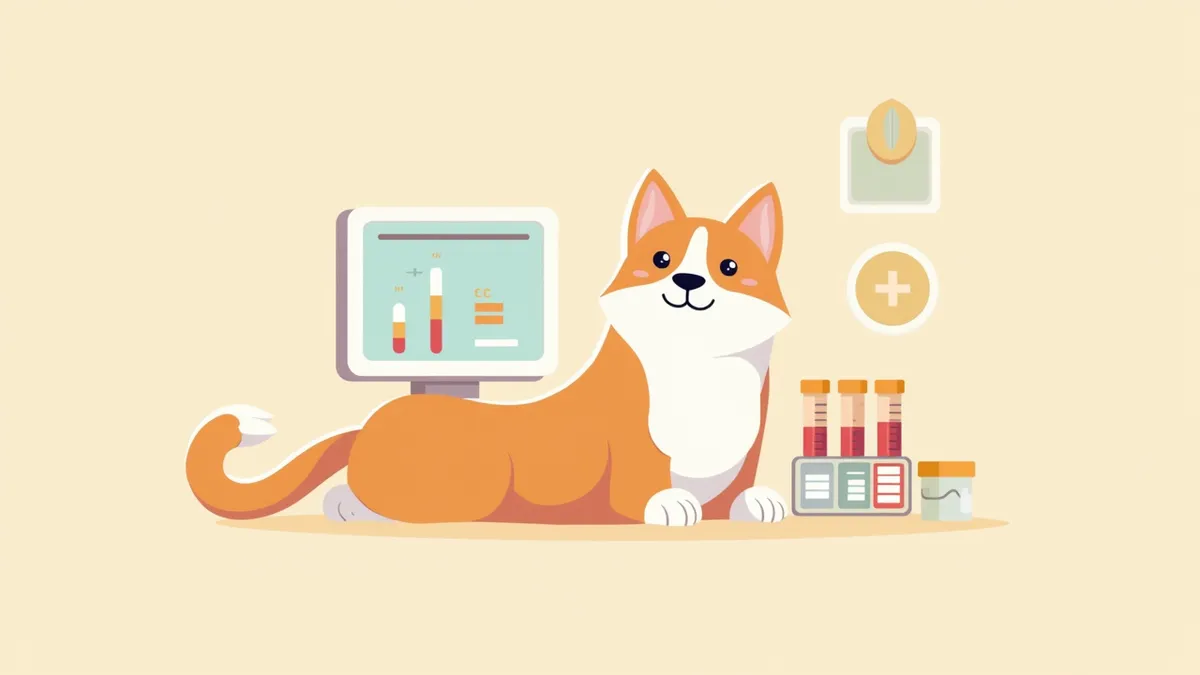
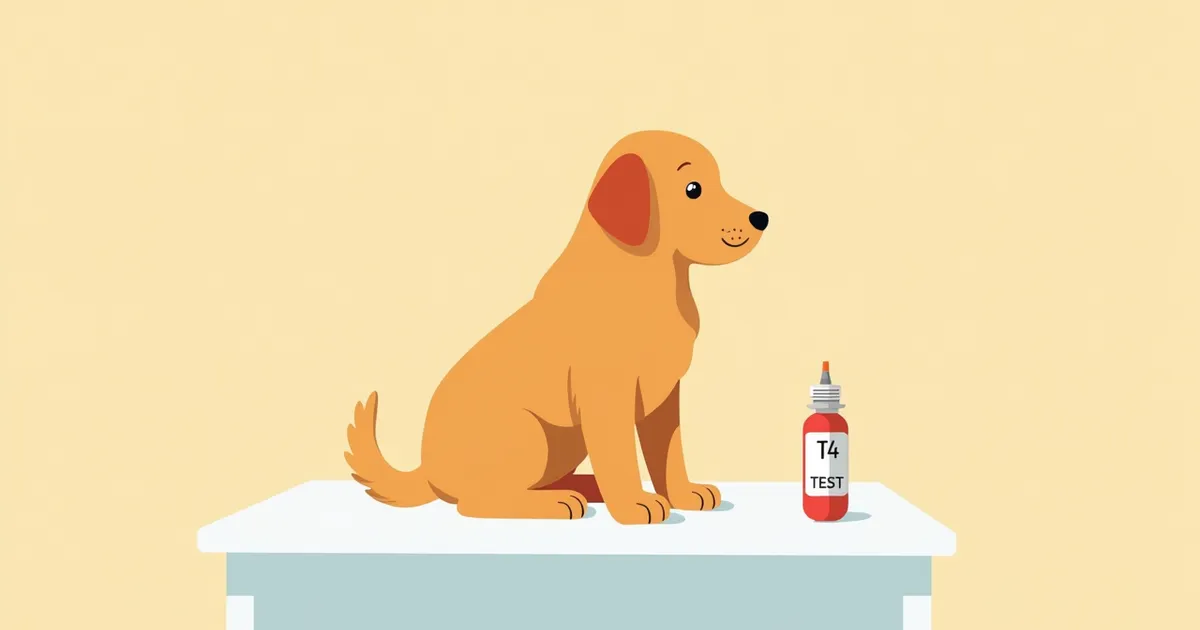
A scene showing a Cushing’s disease diagnosis during a blood test
The LDDS and HDDS are dynamic functional tests used to diagnose canine Cushing’s disease (hyperadrenocorticism) by evaluating the suppression response of cortisol. LDDS (Low-Dose Dexamethasone Suppression Test): This test involves intravenous administration of dexamethasone at a dose of 0.01–0.015 mg/kg, followed by cortisol measurements at 4 and 8 hours to screen for and confirm Cushing’s disease. HDDS (High-Dose Dexamethasone Suppression Test): This test involves intravenous administration of dexamethasone at a dose of 0.1 mg/kg, with cortisol measured at 4 and 8 hours in the same manner; it helps differentiate whether the cause of confirmed Cushing’s disease is pituitary-dependent or adrenal-dependent. Because these two tests serve different purposes, veterinarians select the appropriate one based on the patient’s condition. Test results are never interpreted in isolation but are evaluated comprehensively alongside clinical signs and other diagnostic findings.

Why Are LDDS and HDDS Tests Necessary?

Canine Cushing’s disease often presents with nonspecific signs such as excessive thirst, frequent urination, and lethargy, making it difficult to confirm based on baseline cortisol levels alone. Since baseline cortisol can fluctuate due to stress or other conditions, dynamic cortisol testing is essential for diagnosis. The Low-Dose Dexamethasone Suppression Test (LDDS) screens for and confirms whether the adrenal cortex is overproducing cortisol, while the High-Dose Dexamethasone Suppression Test (HDDS) helps differentiate between pituitary-dependent and adrenal-dependent causes once Cushing’s is confirmed. These dynamic tests allow us to distinguish Cushing’s from other conditions and account for potential cortisol changes caused by medications or other factors. Because starting treatment without an accurate diagnosis can be dangerous, undergoing this testing process is crucial.
Dogs with symptoms of increased water intake and urination

Differences Between LDDS and HDDS Tests
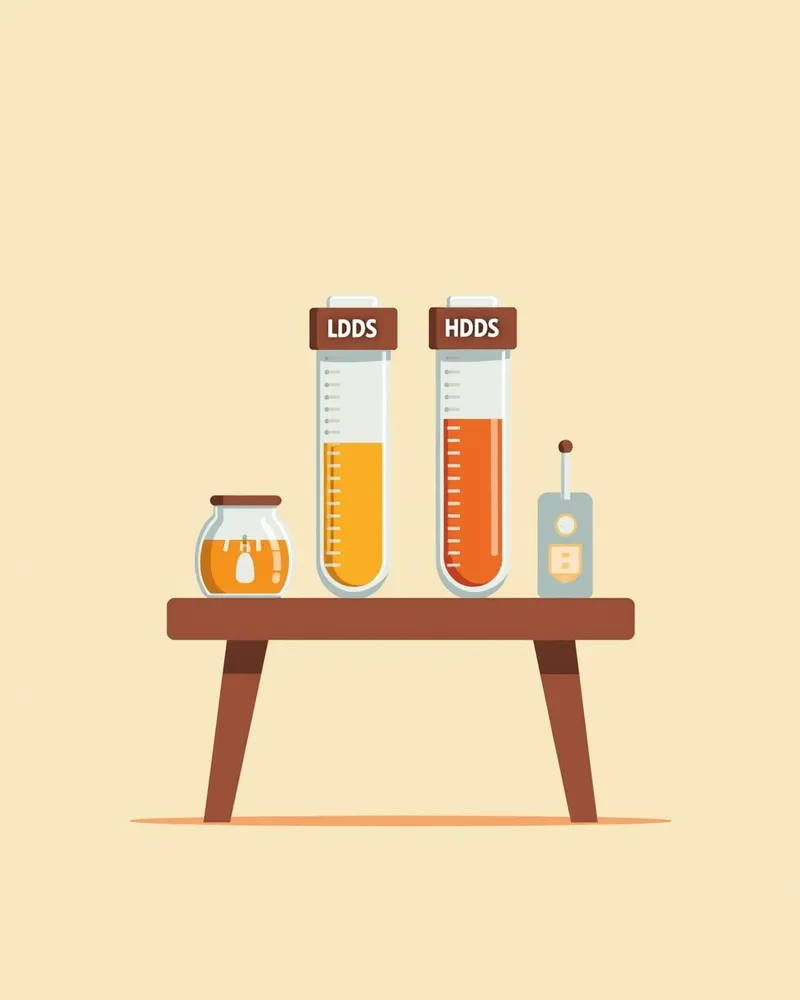
The Low-Dose Dexamethasone Suppression Test (LDDS) involves administering dexamethasone intravenously at a dose of 0.01–0.015 mg/kg and measuring cortisol levels at 4 and 8 hours afterward. It is primarily used to screen for and confirm Cushing’s disease. The High-Dose Dexamethasone Suppression Test (HDDS) uses a higher dexamethasone dose of 0.1 mg/kg, with cortisol measured at the same 4- and 8-hour intervals. This test is suitable for differentiating between pituitary-dependent (PDH) and adrenal-dependent causes in patients already diagnosed with Cushing’s. Both tests are based on the principle of assessing whether cortisol levels are adequately suppressed after dexamethasone administration. If cortisol is suppressed during the HDDS, the cause is considered pituitary-dependent; if not suppressed, either form is possible, and additional tests such as abdominal ultrasound may be required. Veterinarians select the appropriate test based on the patient’s condition and the purpose of the examination.
Comparison of LDDS and HDDS tests

Pre-Test Preparation

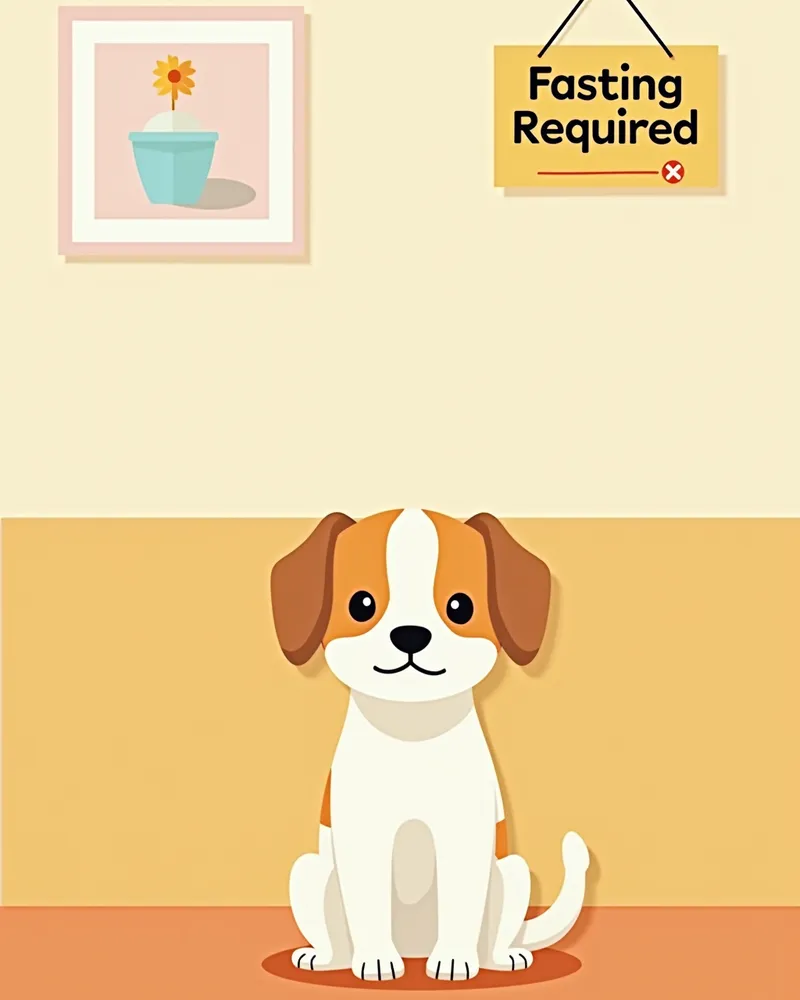
It’s important to carefully follow the preparation instructions provided by your veterinary clinic before testing. In particular, if your pet has recently received steroid medications (such as prednisolone or methylprednisolone), you must inform your veterinarian beforehand. Exogenous glucocorticoids can affect cortisol secretion and the hypothalamic-pituitary-adrenal axis, potentially skewing test results or leading to confusion with iatrogenic Cushing’s disease. Additionally, baseline cortisol levels can fluctuate due to stress or other underlying conditions, so please provide accurate information about your pet’s condition on the day of the test, as well as their recent medication and medical history. Your veterinarian will provide pre-test guidance, so don’t hesitate to reach out immediately if you have any questions.
A dog fasting before a medical test

Comparison Table: LDDS vs. HDDS Tests

ItemLDDSHDDS
Official nameLow-dose dexamethasone suppression testHigh-dose dexamethasone suppression test
Dexamethasone dose0.01–0.015 mg/kg IV0.1 mg/kg IV
Blood sampling time4 and 8 hours after administration4 and 8 hours after administration
Main purposeCushing's screening/confirmationDifferentiating pituitary-dependent vs. adrenal-dependent cause

The veterinarian selects the appropriate test based on the patient's condition and the purpose of the test.

How to Interpret Test Results
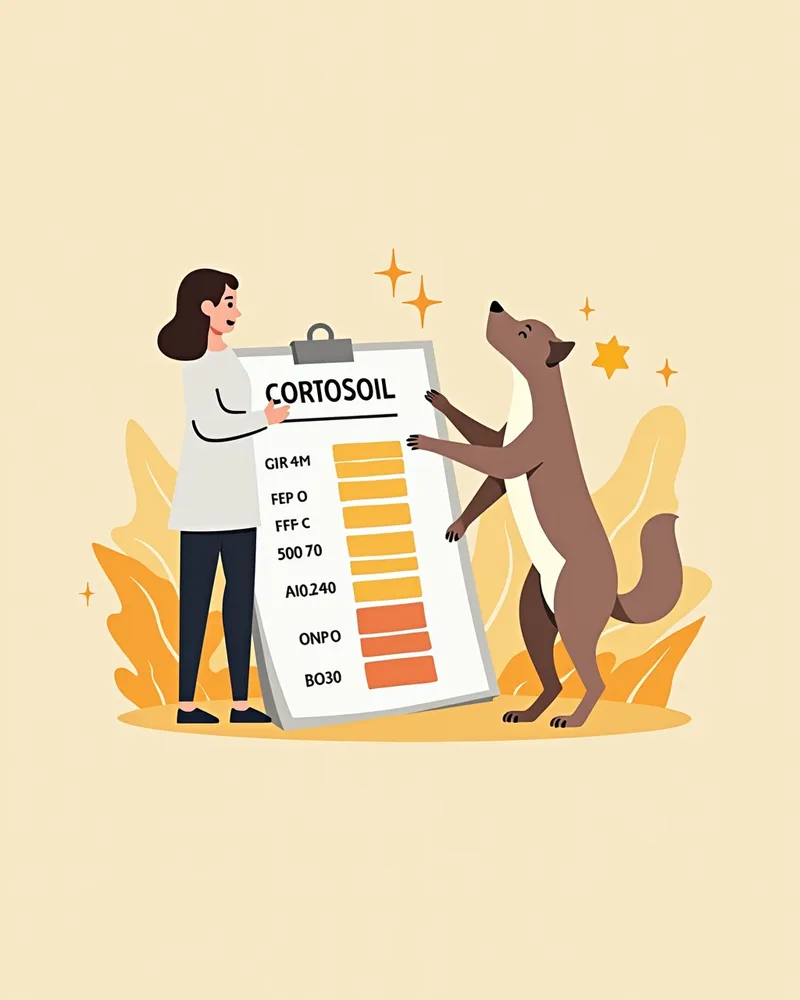
In the Low-Dose Dexamethasone Suppression (LDDS) test, if cortisol levels at 4 and 8 hours after dexamethasone administration are not sufficiently suppressed (i.e., they do not fall below the reference threshold), this suggests Cushing’s disease. In healthy animals, dexamethasone strongly suppresses cortisol secretion, resulting in low levels at both time points. In the High-Dose Dexamethasone Suppression (HDDS) test, adequate suppression of cortisol indicates pituitary-dependent Cushing’s, whereas lack of suppression leaves both pituitary- and adrenal-dependent causes as possibilities, requiring further testing. However, results should never be interpreted in isolation; they must be evaluated comprehensively alongside clinical signs, blood work, and imaging studies. Since borderline values can occur, professional veterinary judgment is essential. Always discuss the results with your veterinarian to determine the next steps, including any necessary additional tests.
A veterinarian analyzing test results

Precautions for Emergencies During Testing

Since the test involves multiple blood draws over time, please alert the veterinary staff immediately if you notice any unusual reactions in your dog during the procedure. Rest assured, the veterinarian will oversee the entire process, so simply follow their guidance.

Post-Test Care Points
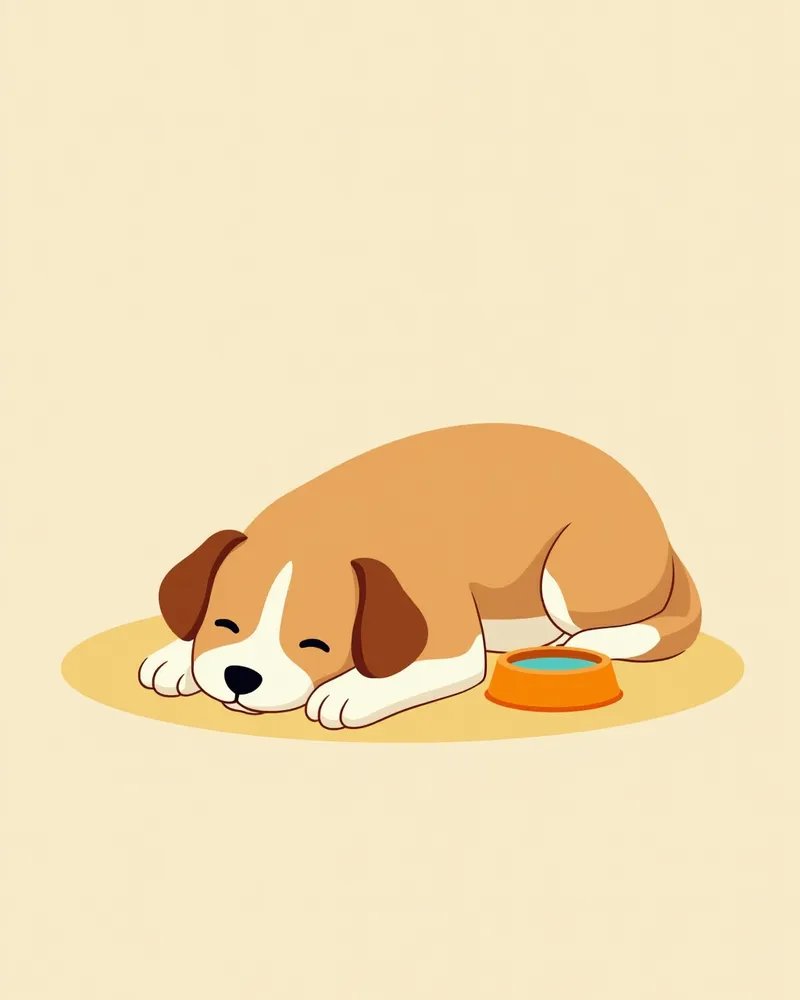
After the tests are completed, allow your dog to rest adequately and avoid strenuous activity. Carefully monitor food and water intake, as well as urination patterns, and contact the clinic immediately if you notice any abnormal symptoms. Since the dexamethasone suppression test requires multiple blood draws at specific time intervals, it is important to monitor your dog’s condition afterward. For 1–2 days post-test, maintain a normal routine while avoiding excessive exercise, and strictly follow the care instructions provided by your veterinarian. Because ongoing monitoring is crucial in the diagnosis and treatment of Cushing’s disease, regular follow-up examinations and continued management are necessary even after the initial testing.
A puppy resting after the examination

Reviewed by a veterinarian

Dr. Tony — Punnawat Phongkittirak

Dr. Tony — Punnawat Phongkittirak

Veterinarian

A veterinarian who majored in veterinary medicine at Khon Kaen University, Thailand, and completed the IVSA program at North Carolina State University in the United States. Drawing on clinical experience at animal hospitals, he works in the pet healthcare field and is dedicated to building a digital care environment that connects pet parents with veterinarians.

Frequently Asked Questions

Which test is more accurate, LDDS or HDDS?
These two tests aren’t meant to be compared in terms of accuracy—they serve different purposes. The LDDS is used to screen for and confirm Cushing’s disease, while the HDDS helps determine whether the cause is pituitary-dependent or adrenal-dependent once Cushing’s has been confirmed.
How long does the test take?
Since blood samples are taken at both 4 and 8 hours after dexamethasone administration, the test typically requires staying at the clinic for about 8 hours. The exact duration may vary depending on the veterinarian and clinic.
How much does the test cost?
The cost typically ranges from $100 to $200, though the exact amount varies depending on the clinic.
Is it prohibited to take steroids before the test?
Rather than being strictly prohibited, it’s essential to inform your veterinarian about any recent steroid use before testing. Exogenous glucocorticoids can interfere with cortisol test results, leading to inaccurate readings.
Can my pet still have Cushing’s disease even if the test results are negative?
Yes, tests don’t catch every case—early or certain conditions may yield a negative result. Your veterinarian may recommend additional testing based on your pet’s symptoms and other test results.

Share

Related Guides

References

[1] BSAVA Manual of Canine and Feline Dermatology, 4th Ed, 2023

[2] 100 Top Consultations in Small Animal General Practice, Sheena Warman, 2021

[3] Clinical Medicine of the Dog and Cat, 4th Ed, 2022

This information is based on veterinary literature and does not replace diagnosis or treatment. Please consult a veterinarian for specific health concerns.

Metapet Co., Ltd. | CEO: Park Sung-yong | Business Reg. No. 417-88-02562 | Seoul, South Korea | Customer Center

Canine Cushing's Diagnostic Tests (LDDS & HDDS): Full Guide | Meongsiljang