
Like
Share
멍실장
고양이 심장 질환 예후 자주 묻는 질문 Q&A — 보호자가 꼭 알아야 할 핵심

Feline Heart Disease Prognosis: How Long Can They Live? — From Diagnosis to Management

HeartQ&AMeongsiljang Veterinary Advisory Board

The prognosis for feline heart disease varies significantly depending on the type and stage of the condition. Early detection and consistent management can greatly extend a cat's lifespan.

The Prognosis for Feline Heart Disease Varies Significantly Depending on the Type

A veterinarian examining a cat's heart
The prognosis for feline heart disease varies significantly depending on the specific type. The most common heart conditions in cats are cardiomyopathies, such as hypertrophic cardiomyopathy (HCM) and restrictive cardiomyopathy (RCM). - Hypertrophic cardiomyopathy (HCM): This is the most prevalent form of cardiomyopathy in cats. Echocardiography is essential for diagnosis, as chest radiographs alone often fail to detect cardiac hypertrophy. Early detection during the asymptomatic stage, followed by consistent monitoring, can help delay progression to congestive heart failure or thromboembolism. - Restrictive cardiomyopathy (RCM): This condition is typically diagnosed at an advanced stage, once symptoms such as congestive heart failure or thromboembolism have appeared, resulting in a less favorable prognosis. One study reported a median survival time of approximately 3.4 months after symptom onset. Therefore, it is crucial to detect abnormalities early through regular check-ups, even in the absence of symptoms.

The Prognosis Varies Depending on the Stage of Heart Disease
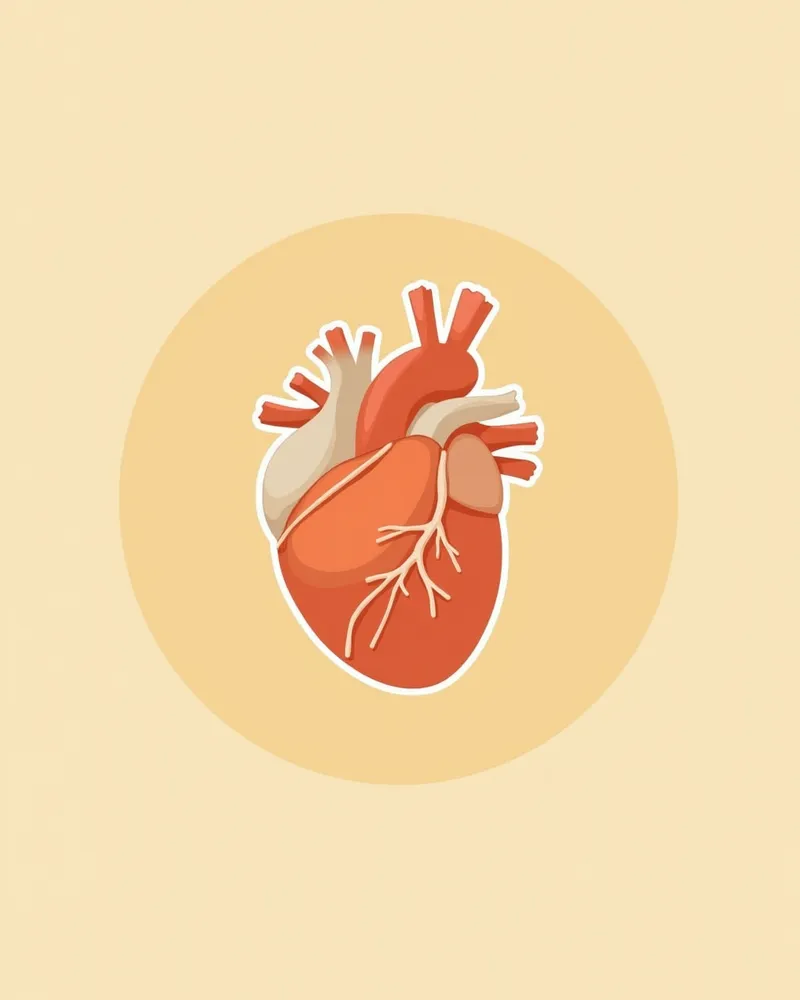
The prognosis for feline heart disease varies significantly depending on the stage. The American College of Veterinary Internal Medicine (ACVIM) classifies feline cardiomyopathy into distinct stages. - Stages A and B (Asymptomatic): Stage A refers to cats at risk due to factors such as breed predisposition but without structural heart abnormalities, while Stage B involves structural abnormalities like left ventricular hypertrophy but no clinical signs. Early management during these stages is crucial for detecting progression to heart failure or thromboembolism at an early stage. - Stage C (Clinical Signs Present): This stage includes cats currently experiencing or having previously experienced signs of congestive heart failure or arterial thromboembolism. Most cats with heart failure present with respiratory distress, and treatment at this stage can be more challenging with a potentially poorer prognosis. Early detection and consistent monitoring are essential; re-evaluation is typically recommended annually for Stage B1 and every 6 to 12 months for Stage B2.
An image showing the thickened walls of a cat's heart as seen on an ultrasound.

Early Detection Is Key to the Prognosis of Ischemic Heart Disease
The prognosis for feline hypertrophic cardiomyopathy (HCM) varies significantly depending on whether it is detected early. - Asymptomatic stage: Although no clinical signs are present, structural heart abnormalities such as left ventricular hypertrophy may begin to develop. Monitoring from this stage allows for early detection of progression to heart failure or thromboembolism. - Early diagnosis: Echocardiography is the most sensitive non-invasive method for diagnosing HCM in cats. However, it is important to note that the accuracy of this test heavily depends on the operator’s experience. Reduced left atrial shortening fraction, impaired left ventricular systolic function, and severe left ventricular hypertrophy have been reported as independent predictors of cardiac death. The key to improving prognosis is detecting abnormalities during the asymptomatic stage through regular check-ups.
A veterinarian examining a cat's heart during a checkup.

Comparison of Prognosis by Stage for Feline Heart Disease

ItemSymptomsPrognosisManagement Points
Stage A (At-risk)No symptoms, with predisposition such as breed/family historyNo structural heart diseaseRegular checkups recommended
Stage B1 (Latent, low-risk)Structural abnormalities such as left ventricular hypertrophy, no symptoms, left atrium normal to mildly enlargedLow risk of CHF/thrombosisAnnual monitoring recommended
Stage B2 (Latent, high-risk)No symptoms, moderate to severe left atrial enlargementHigh risk of CHF/thrombosisReassessment every 6-12 months
Stage C (Symptomatic)Congestive heart failure/arterial thromboembolism symptoms such as respiratory distressPossibility of shortened survivalDrug treatment and monitoring essential

Stage-specific prognosis may vary depending on the disease type and individual differences.

Key Factors Affecting the Prognosis of Feline Heart Disease

The prognosis for feline heart disease varies depending on several factors. - Breed: Certain breeds, such as Maine Coons and Ragdolls, have a genetic predisposition to hypertrophic cardiomyopathy (HCM). - Cardiac function indicators: Reduced left atrial fractional shortening, impaired left ventricular systolic function, and severe left ventricular hypertrophy have been reported as independent predictors of cardiac death. Left atrial size is also an important criterion for assessing prognosis. - Disease stage and presence of symptoms: Risk levels vary according to the degree of left atrial enlargement. Early detection during the asymptomatic stage (Stage B) and prompt management help slow disease progression. - Presence of complications: The prognosis worsens if congestive heart failure or arterial thromboembolism is present. Consistent monitoring and regular check-ups are key to extending survival time.
A cat sitting comfortably in the sunlight.

Sudden Severe Dyspnea Requires Immediate Veterinary Care

If your cat suddenly starts breathing rapidly or pants with its mouth open, seek veterinary care immediately. These signs may indicate heart failure or thromboembolism. Delaying treatment can become life-threatening.

Regular Check-ups and Cardiac Function Monitoring Are Key to Improving Prognosis

To improve the prognosis for cats with heart disease, regular check-ups and monitoring of cardiac function are essential. - Echocardiography: This is the best method for precisely evaluating heart structure and function. It allows for the early detection of abnormalities and tracking of disease progression, even in asymptomatic stages. - Electrocardiogram (ECG): This test helps identify irregularities in heart rhythm (arrhythmias). It is typically performed alongside physical examinations, chest radiographs, and blood pressure measurements during routine rechecks. - Blood Tests: Measuring cardiac biomarkers (such as NT-proBNP) helps assess cardiac stress. Additionally, owners can help by monitoring their cat’s resting respiratory rate at home to detect any changes. Even if your cat shows no symptoms, it is recommended to have a check-up at least once a year.
A veterinarian performing an ultrasound of a cat’s heart.

Reviewed by a veterinarian

Dr. Tony — Punnawat Phongkittirak

Dr. Tony — Punnawat Phongkittirak

Veterinarian

A veterinarian who majored in veterinary medicine at Khon Kaen University, Thailand, and completed the IVSA program at North Carolina State University in the United States. Drawing on clinical experience at animal hospitals, he works in the pet healthcare field and is dedicated to building a digital care environment that connects pet parents with veterinarians.

Frequently Asked Questions

What is the prognosis for cats with heart disease?
The prognosis for feline heart disease varies depending on the type and stage of the condition. Early detection can slow disease progression and extend life expectancy, but once symptoms appear in advanced stages, the prognosis tends to worsen.
Can a cat with heart disease still eat and play normally like usual?
In the early stages, there may be no visible symptoms. However, as heart function declines, signs such as lethargy, difficulty breathing, and decreased appetite may appear. Early detection is crucial.
Is it possible to detect heart disease early without regular check-ups?
Heart disease may show no symptoms in its early stages. The most effective approach is to detect early abnormalities through echocardiography during regular check-ups, while electrocardiography helps assess rhythm disturbances.
How can I improve the prognosis for my cat’s heart disease?
Early diagnosis and consistent management are key. It is important to slow the progression to heart failure and thrombosis and maintain cardiac function through medication, regular check-ups, and ultrasound monitoring.
Do genetic factors play a major role in feline heart disease?
Yes, certain breeds have a genetic predisposition to cardiomyopathy. For example, Maine Coons and Ragdolls are known to be at higher risk for hypertrophic cardiomyopathy (HCM). Regular check-ups are essential.

Share

Related Guides

References

[1] Payne JR, Borgeat K, Brodbelt DC, Connolly DJ, Luis Fuentes V: Risk factors associated with sudden death vs. congestive heart failure or arterial thromboembolism in cats with hypertrophic cardiomyopathy, J Vet Cardiol 17(Suppl 1):S318-S328, 2015.

[2] The Cat, Clinical Medicine and Management, 2nd Edition, Elsevier, 2020.

[3] Textbook of Cardiovascular Medicine in Dogs and Cats, Wiley-Blackwell, 2018.

This information is based on veterinary literature and does not replace diagnosis or treatment. Please consult a veterinarian for specific health concerns.

Metapet Co., Ltd. | CEO: Park Sung-yong | Business Reg. No. 417-88-02562 | Seoul, South Korea | Customer Center

Feline Heart Disease Prognosis: How Long Can They Live? | Meongsiljang