Like
Share
멍실장
고양이 수신증 자주 묻는 질문 Q&A — 보호자가 꼭 알아야 할 핵심

Feline Hydronephrosis: Causes and When Surgery Is Needed

KidneyQ&AMeongsiljang Veterinary Advisory Board

Feline hydronephrosis is a condition in which urine accumulates in the kidneys, and early detection is key to successful treatment. Here’s a summary of the essential information every pet owner should know.

What Is Feline Hydronephrosis?
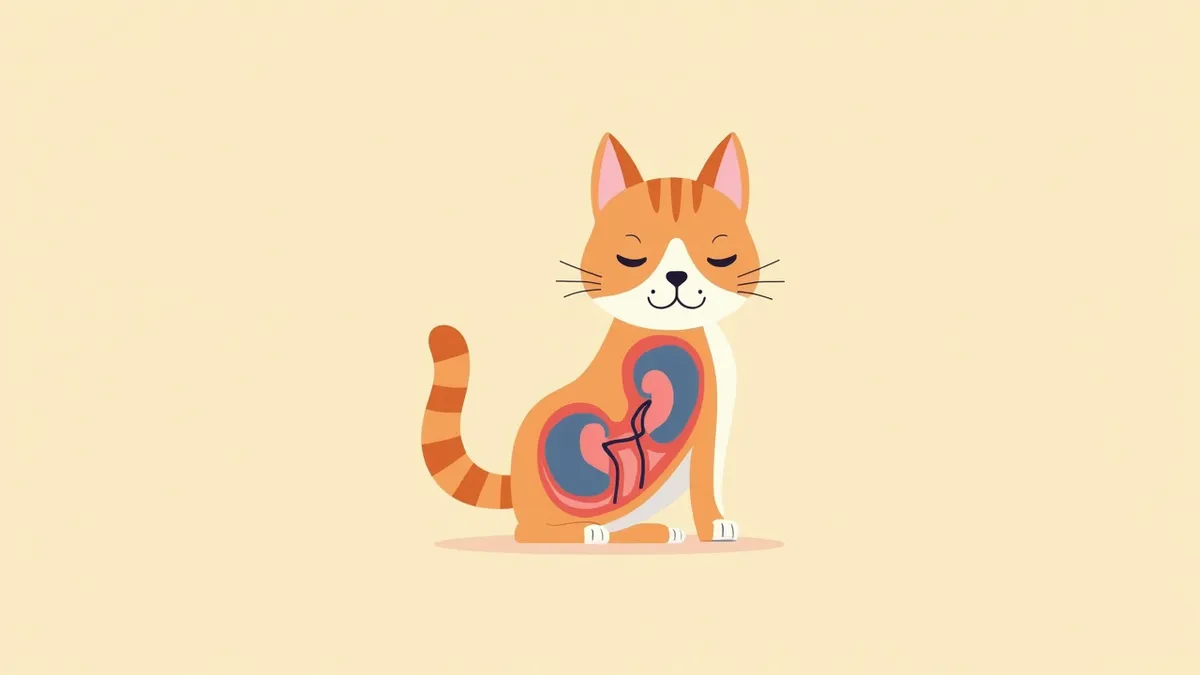
An anatomical diagram of a cat’s urinary system, showing the kidneys filled with urine.
Feline hydronephrosis is a condition in which urine accumulates and causes the kidneys to swell, occurring when urine cannot drain properly from the kidneys to the bladder. It serves as an early warning sign of declining kidney function, representing more than simple swelling, as it can lead to long-term damage. Causes vary widely, including urinary tract obstruction, stones, tumors, and trauma, making early detection key to successful treatment. Severe pain may cause your cat to become immobile or clutch at its abdomen. Because this condition can rapidly worsen kidney function, immediate diagnosis is essential.

What Are the Main Causes of Hydronephrosis?
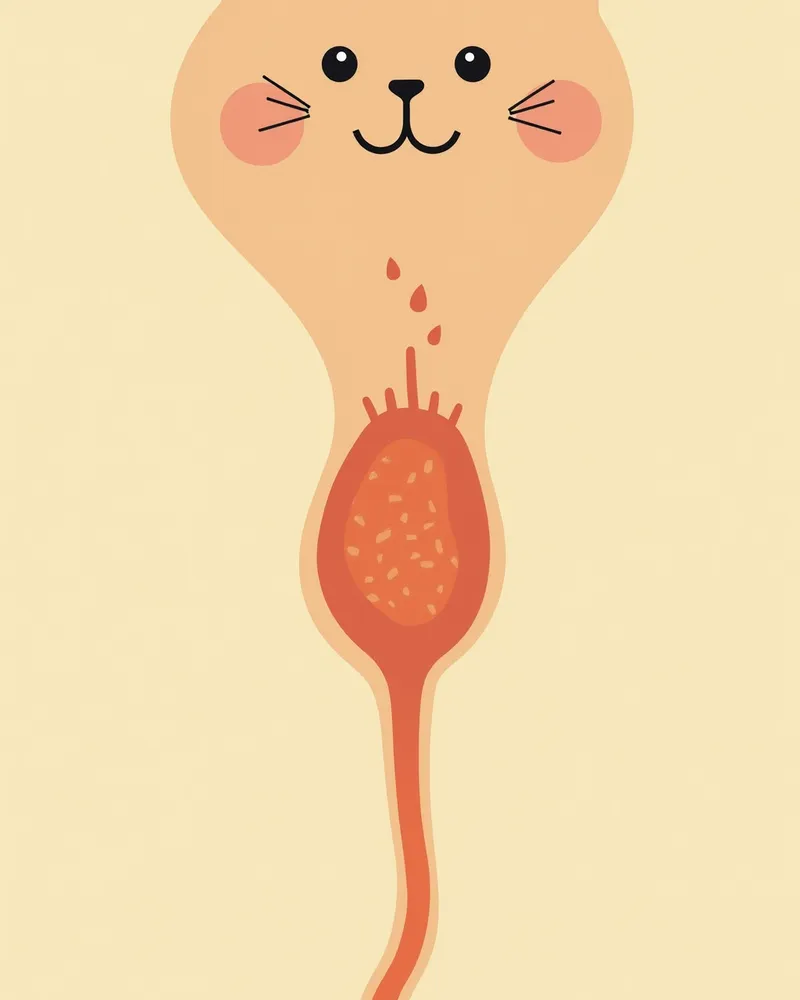
The most common underlying cause of feline hydronephrosis is an obstruction that blocks the outflow of urine. Male cats are especially prone to this because their urethra is narrow; if a stone or a mucous plug (urethral plug) gets stuck, urine flow can easily become blocked, leading to frequent urinary tract obstructions. Stones that form in the kidneys or ureters can block the upper urinary tract, causing urine to accumulate and swell the renal pelvis, which can result in hydronephrosis. Other potential causes include trauma, congenital abnormalities, ureteral strictures, and compression by tumors. Accurately identifying the underlying cause is crucial for determining the appropriate treatment plan. Early diagnosis and removal of the cause are key to restoring kidney function.
A cat with a ureteral stone causing blockage, with swelling above the obstruction.

What Are the Main Symptoms of Hydronephrosis?
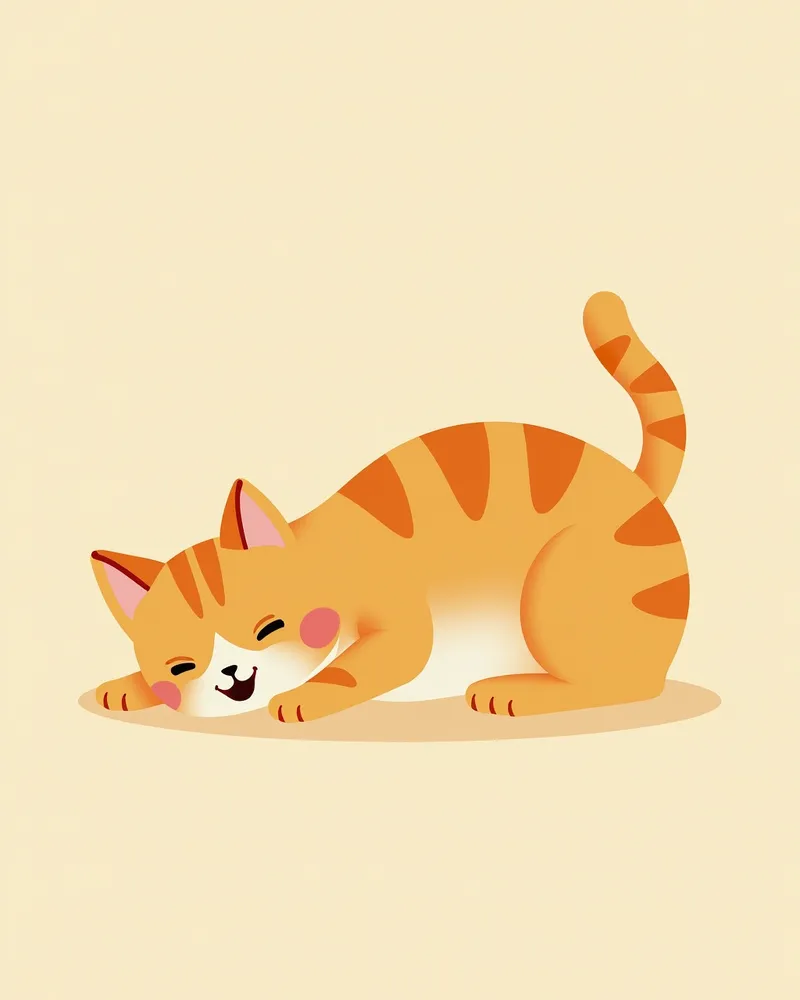
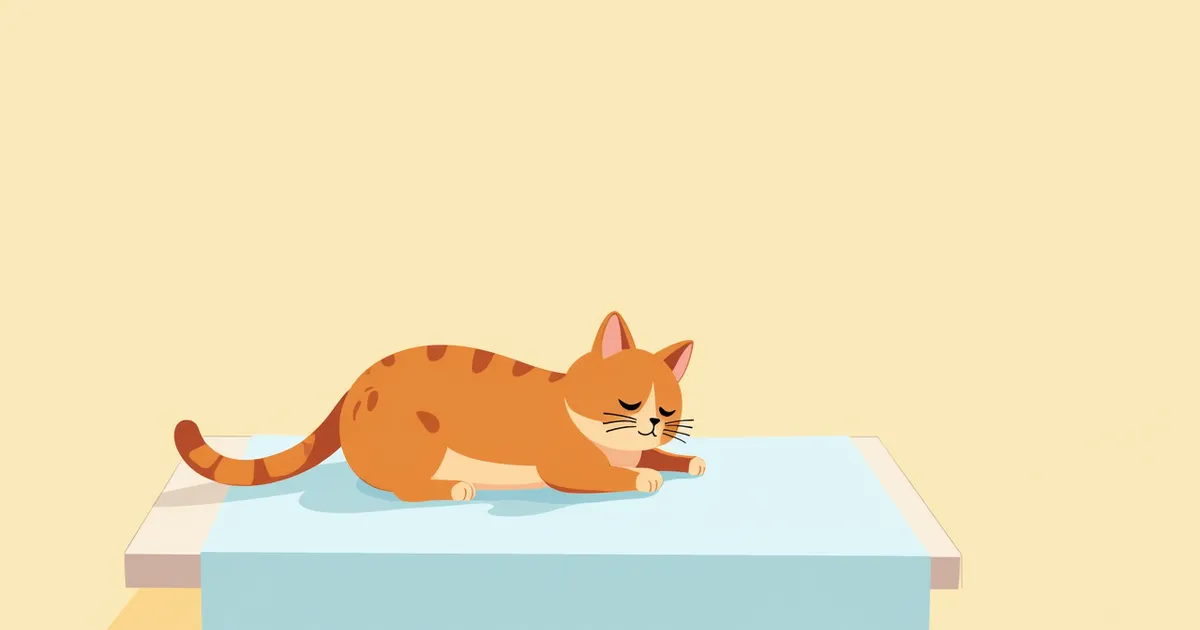
Early signs of feline hydronephrosis include decreased appetite, lethargy, and restlessness. As abdominal pain develops, your cat may frequently crouch or hunch, experience repeated vomiting, and show signs of dehydration. Swelling in the kidney area or hindlimb weakness can make walking difficult. Severe pain that prevents movement or an inability to urinate constitutes a medical emergency. Because kidney function is often significantly compromised by the time symptoms appear, early detection is crucial.
A cat crouching in a hunched position due to abdominal pain.

Signs That Require Immediate Veterinary Care

If your cat suddenly clutches its abdomen, vomits repeatedly, collapses, or is unable to urinate at all, immediate veterinary care is necessary. This could indicate a urinary tract obstruction, which is a medical emergency. Without treatment within 24 hours, kidney function may suffer permanent damage.

How Is Hydronephrosis Diagnosed?
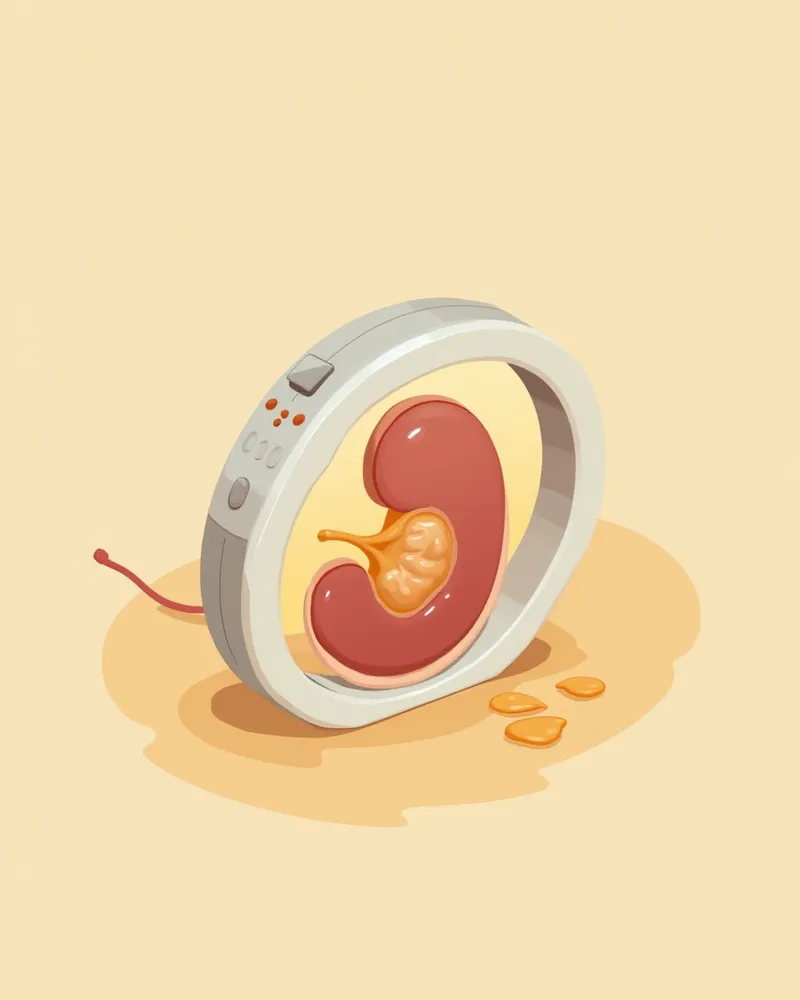
Hydronephrosis is most accurately diagnosed through ultrasound examination. Ultrasound allows for a quick assessment of kidney size, shape, and the presence of internal fluid accumulation. Blood and urine tests are also performed to evaluate kidney function and check for infections. If necessary, CT scans or X-rays can help identify the location of stones or tumors. Multiple tests are often conducted together to pinpoint the exact cause, as early diagnosis significantly improves treatment success rates. It’s helpful to bring a record of your pet’s symptoms when visiting the clinic.
A veterinarian examining a cat's abdomen with ultrasound, showing swollen kidneys.

What Are the Treatment Options for Hydronephrosis?
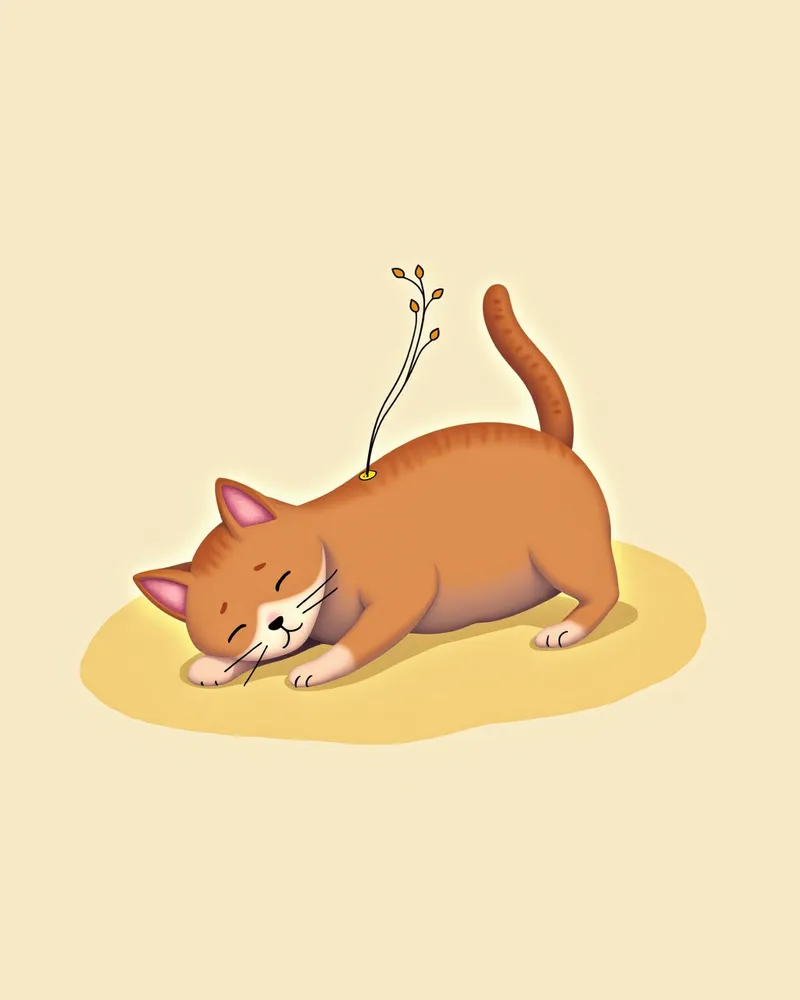
Treatment depends on the underlying cause. If the issue is a urinary tract obstruction, urethral catheterization or drainage is necessary. If stones are the cause, they may be removed through surgery or endoscopy. If an infection is present, antibiotics will be prescribed, along with pain management and fluid therapy. Long-term care is essential to restore kidney function, and you should follow your veterinarian’s instructions for medication and dietary adjustments. Regular check-ups are also important to prevent recurrence.
A veterinarian inserting a urethral stent into a cat

What Pet Owners Should Do to Manage Hydronephrosis
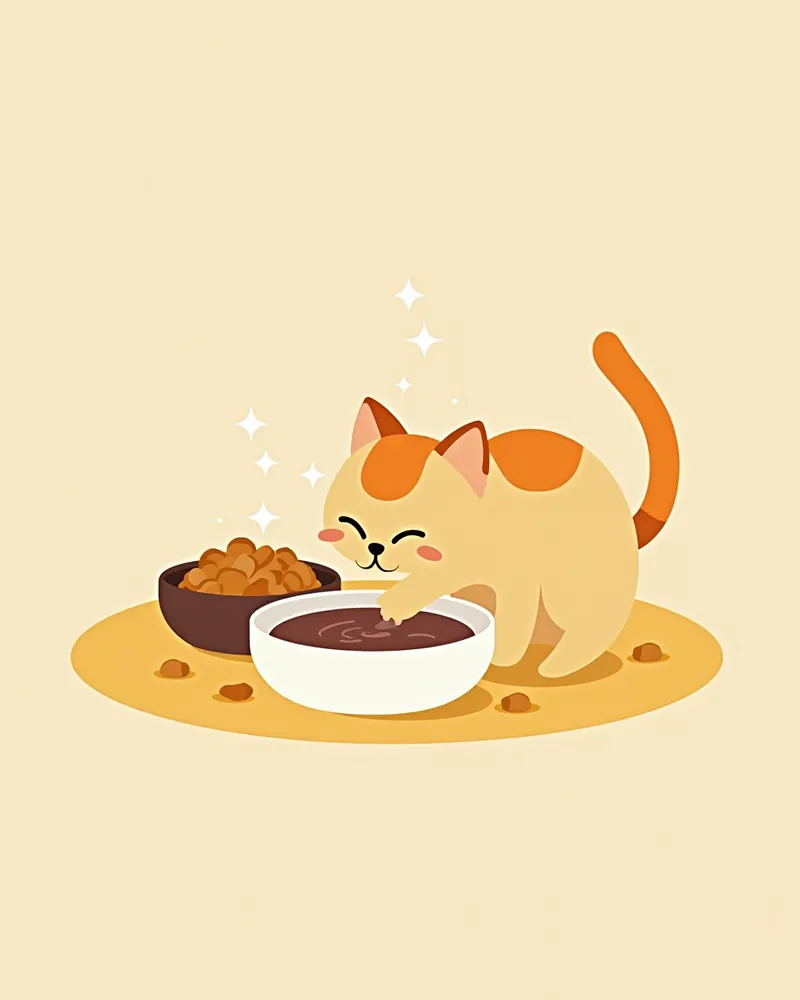
Because kidney disease carries a risk of recurrence, regular check-ups are essential. Be sure to administer any medications prescribed by your veterinarian, and help your cat stay well-hydrated by increasing its water intake. Rather than arbitrarily switching to a high-protein diet, it is safer to consult your vet and select a prescription diet tailored to your cat’s specific kidney condition. Monitor your cat’s behavior, appetite, and urine output daily, and contact your clinic immediately if you notice any changes. To reduce stress, maintain a calm environment and place multiple water bowls around the home. Early detection and consistent management are key to maintaining a healthy life.
A cat drinking water from a fountain, with dry food nearby.

Why Male Cats Require Extra Attention

Male cats are at higher risk than females because their urethra is narrower, making them more prone to urinary tract obstruction caused by mucus plugs (urethral plugs) or stones. In fact, urethral plugs are found almost exclusively in male cats with complete obstructions. Obstructions can occur suddenly, especially under stress or dehydration, so maintaining a stable environment and ensuring adequate water intake are crucial. If you suspect an obstruction, seek veterinary care immediately.

Reviewed by a veterinarian

Dr. Tony — Punnawat Phongkittirak

Dr. Tony — Punnawat Phongkittirak

Veterinarian

A veterinarian who majored in veterinary medicine at Khon Kaen University, Thailand, and completed the IVSA program at North Carolina State University in the United States. Drawing on clinical experience at animal hospitals, he works in the pet healthcare field and is dedicated to building a digital care environment that connects pet parents with veterinarians.

Frequently Asked Questions

Can feline hydronephrosis be cured?
If the underlying cause is removed and kidney function recovers, a full recovery is possible. However, because there is a risk of recurrence, long-term management is necessary.
Is polycystic kidney disease common in cats?
The risk is especially high in male cats, who are prone to urinary tract obstruction. Early detection and treatment can significantly improve the prognosis.
Can you prevent urinary tract infections?
Keeping your cat well-hydrated, managing stress, and scheduling regular health check-ups can help reduce the risk of urinary tract diseases. However, it’s best to consult with your veterinarian to choose a diet that suits your cat’s specific condition.
What tests does a veterinarian perform if hydrocephalus is suspected?
We perform ultrasounds, blood tests, and urinalysis, along with CT scans or X-rays if needed. Accurately identifying the underlying cause is key to effective treatment.
Can a cat regain its health after treatment for hyperthyroidism?
Once kidney function recovers after treatment, your pet can return to a normal daily routine. However, ongoing care is essential to prevent recurrence.

Share

Related Guides

References

[1] Schriefl S, Steinberg TA, Matiasek K, et al. Etiologic classification of seizures, signalment, clinical signs, and outcome in cats with seizure disorders: 91 cases. J Am Vet Med Assoc 2008;233(10):1591-7.

[2] Coates JR, Bergman RL. Seizures in young dogs and cats: pathophysiology and diagnosis. Compendium 2005:447-59.

[3] Barnes HL, Chri... Feline epilepsy. Vet Clin North Am Small Anim Pract 2018;48(1):31-43.

This information is based on veterinary literature and does not replace diagnosis or treatment. Please consult a veterinarian for specific health concerns.

Metapet Co., Ltd. | CEO: Park Sung-yong | Business Reg. No. 417-88-02562 | Seoul, South Korea | Customer Center

Feline Hydronephrosis: Causes, Symptoms, and When Surgery is Necessary | Meongsiljang