Like
Share
멍실장
고양이 고혈압과 신장 질환 자주 묻는 질문 Q&A — 보호자가 꼭 알아야 할 핵심

Is My Cat’s Blood Pressure Okay? — The Dangerous Link Between Hypertension and Kidney Disease

KidneyQ&AMeongsiljang Veterinary Advisory Board

High blood pressure in cats can be a major cause of kidney disease. Early detection and management improve survival rates. Here’s a summary of key information every pet owner should know.

Hypertension and Kidney Disease in Cats Are Closely Related
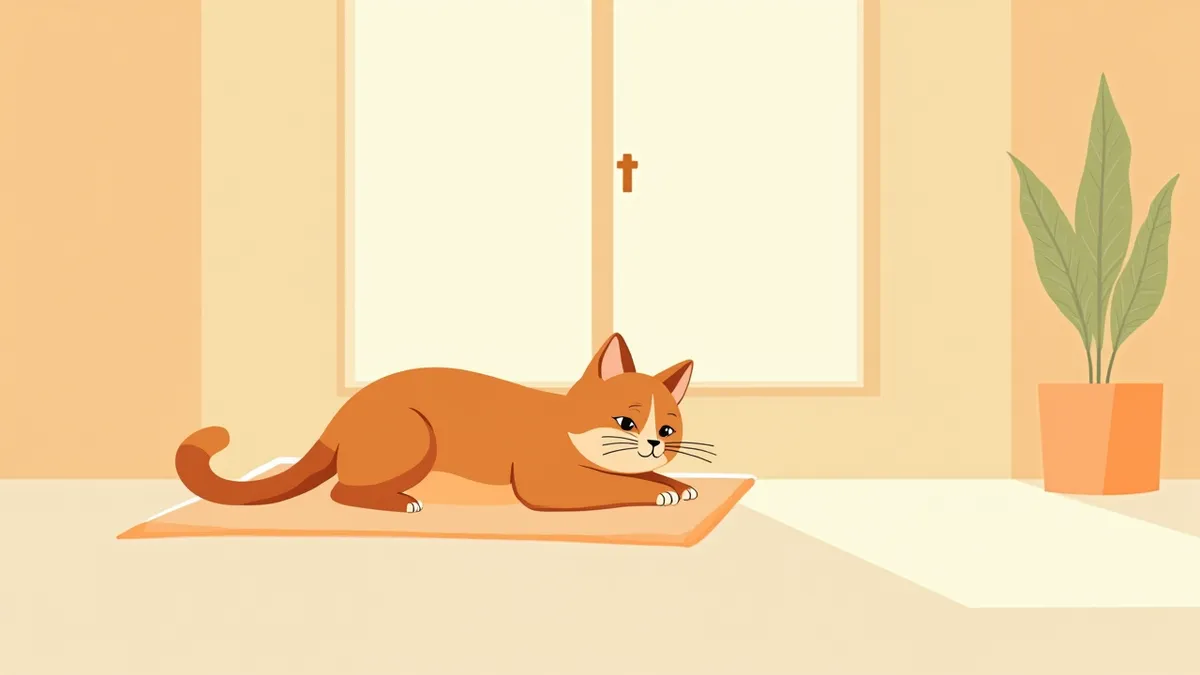
A cat aged seven or older resting quietly in the sunlight.
High blood pressure in cats can damage the blood vessels and tissues of the kidneys, leading to a decline in kidney function. Conversely, as chronic kidney disease progresses, the body’s regulation of fluids, electrolytes, and hormonal balance can become disrupted, sometimes resulting in high blood pressure. These two conditions are frequently diagnosed together in older cats and can influence each other, making early detection crucial. In particular, it is estimated that about one in eight cats aged nine years or older may have high blood pressure, so regular check-ups are recommended. - High blood pressure: Blood flow under high pressure can damage the blood vessels in the kidneys, impairing their ability to filter the blood. - Kidney disease: When kidney function declines, it becomes difficult to maintain stable blood pressure. - Vicious cycle: High blood pressure can lead to kidney damage, which in turn causes blood pressure to rise further, resulting in more severe damage. Studies have shown that cats whose blood pressure is well-managed tend to have longer lifespans, so it’s important to consistently monitor blood pressure and perform regular urine tests.

What Are the Main Causes of Hypertension and Kidney Disease?
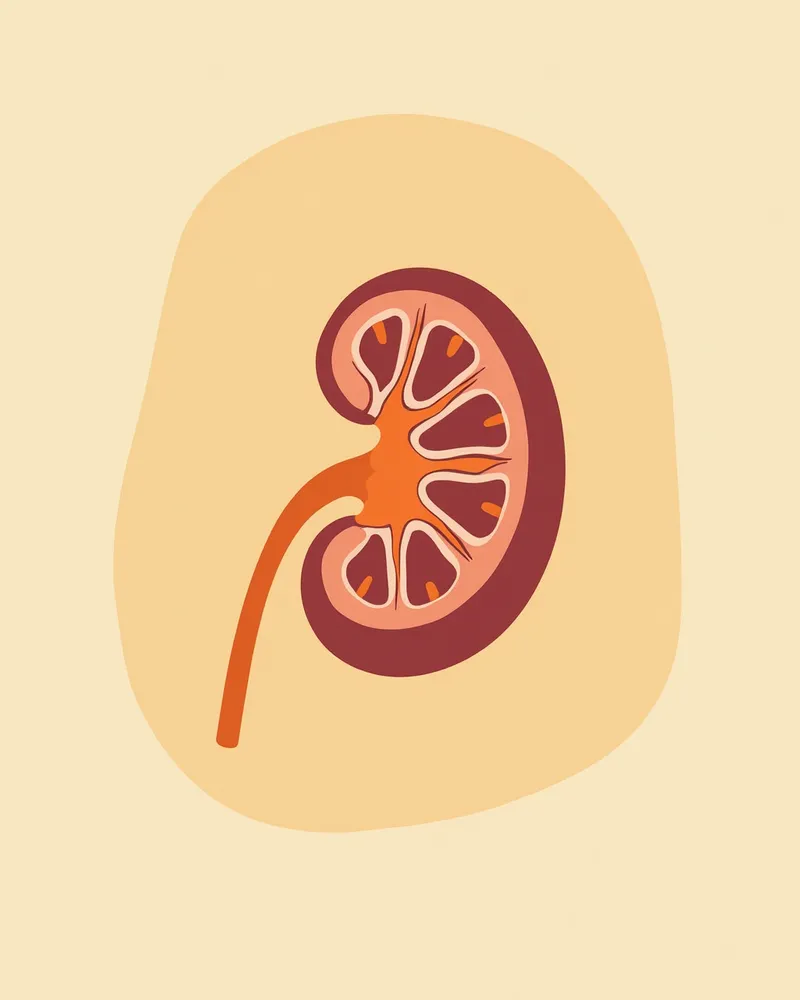
Hypertension and kidney disease in cats are often linked through a complex interplay of factors. The most common conditions associated with feline hypertension are chronic kidney disease and hyperthyroidism. As cats age, their kidney function naturally tends to decline, and underlying conditions such as diabetes can also contribute. High blood pressure can damage the blood vessels in the kidneys, impairing their ability to filter blood, which in turn worsens the hypertension, creating a vicious cycle. - Advanced Age: Kidney function decline becomes more common as cats get older. - Underlying Conditions: Hyperthyroidism and chronic kidney disease are closely linked to hypertension. - Genetic and Other Causes: Genetic conditions affecting the kidneys, such as polycystic kidney disease, as well as chronic tubulointerstitial nephritis and kidney tumors, can also lead to kidney disease. Early detection and management are key to slowing disease progression.
Blood vessel structure of a cat's kidney damaged by hypertension

What Are the Main Symptoms of Hypertension and Kidney Disease?
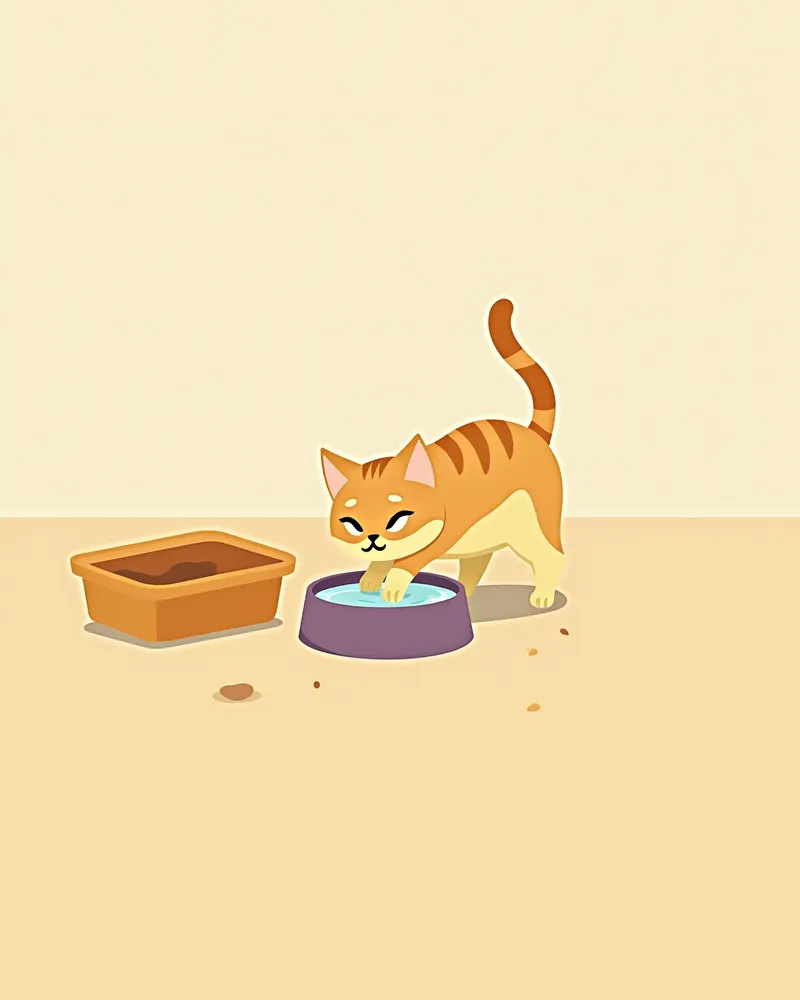
The early signs of feline hypertension and kidney disease are often so subtle that pet owners frequently miss them. However, you should pay close attention to the following signals. If you notice these changes, especially in senior cats, prompt veterinary care is essential.
Excessive thirst: Your cat may drink water more frequently or seek it out in unusual places.
Frequent urination: Your cat may use the litter box more often, and the increased urine volume may result in larger clumps.
Weight loss: Your cat may lose weight or muscle mass despite maintaining a normal food intake.
Decreased appetite: Your cat may show less interest in treats, eat less overall, or experience more frequent vomiting.
Lethargy: Your cat may remain in the same spot all day and show reduced activity.
A cat gazing at its water bowl, sitting beside the litter box

Signs Requiring Immediate Veterinary Care

If your cat suddenly loses vision or wanders around disoriented, seek veterinary care immediately. This may be due to retinal hemorrhage or detachment caused by high blood pressure. Additionally, severe vomiting, blood in the urine, or difficulty breathing can be life-threatening and require emergency treatment.

Stage-by-Stage Symptoms and Management of Hypertension and Kidney Disease

ItemMain symptomsDiagnostic methodMain management
MildIncreased water intake, increased urination frequencyBlood test, urine testDietary management, regular monitoring
ModerateWeight loss, decreased appetite, lethargyBlood pressure measurement, kidney function testStart medication, provide special diet
SevereVomiting, hematuria, reduced vision, respiratory distressUltrasound, detailed blood/urine tests, blood pressure monitoringInpatient care, hemodialysis, surgery consideration

Stage-specific management may vary depending on your veterinarian's judgment. Early detection increases the success rate of treatment.

Regular Checkups and Management Improve Survival Rates
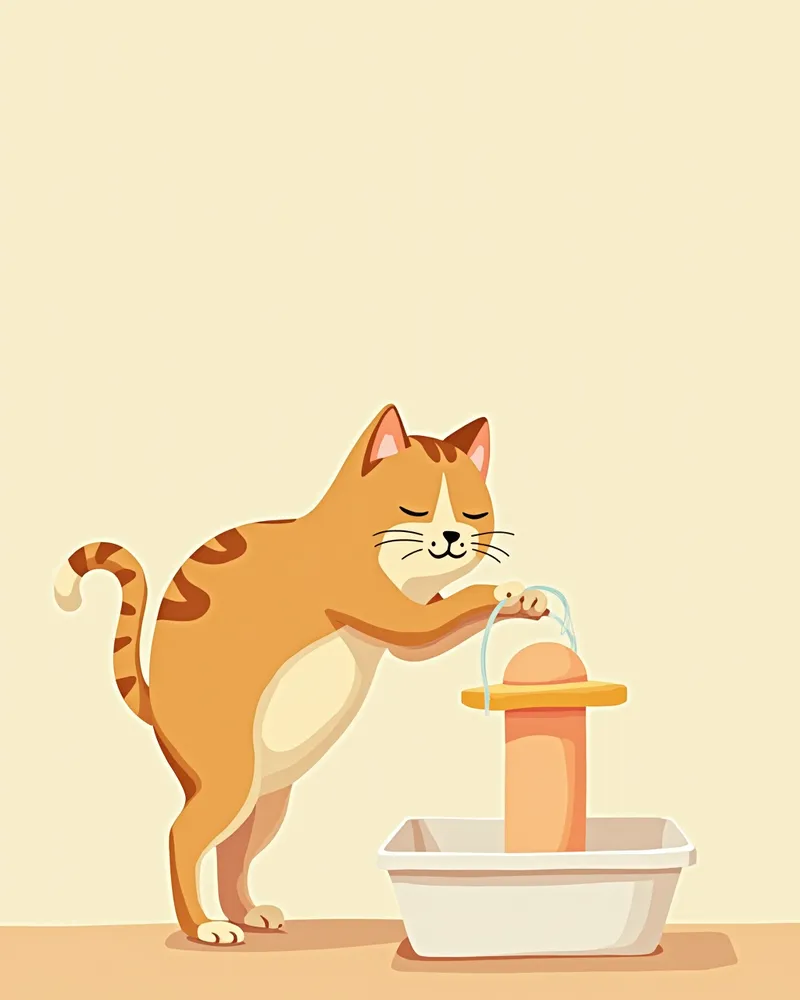
Feline hypertension and kidney disease can be effectively managed if detected early. It is recommended that senior cats undergo regular blood pressure monitoring and urinalysis. Consistently feeding a veterinarian-recommended prescription renal diet can help reduce the burden of phosphorus and protein on the kidneys, thereby lowering renal stress and slowing disease progression. At home, you can support your cat by frequently refreshing their water and placing multiple water bowls around the house to encourage increased fluid intake. - Regular Check-ups: Blood pressure monitoring and urinalysis are crucial for detecting early signs of abnormalities. - Dietary Management: Prescription renal diets help reduce the workload on the kidneys. - Hydration: Chronic kidney disease often leads to dehydration, making adequate fluid intake essential. The better your cat’s blood pressure is controlled, the longer their life expectancy can be, so consistent management is key.
A cat drinking from a water mister, sitting beside a clean litter box

Key Management Points for Pet Owners to Check
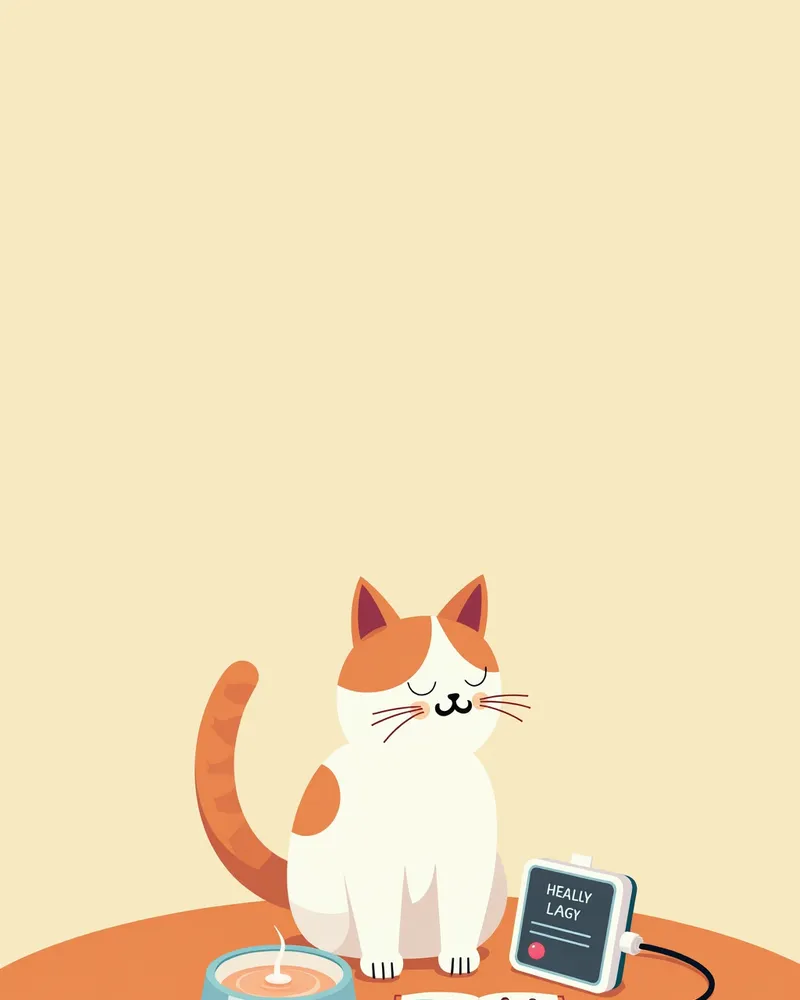
To keep your cat healthy, consistently follow these care guidelines:
Dietary Management: Continue feeding a special diet recommended by your veterinarian.
Water Supply: Always provide fresh water and change the water bowl frequently.
Blood Pressure Monitoring: Regularly check blood pressure at home using a suitable monitoring device.
Weight Management: Record your cat’s weight weekly and notify your veterinarian of any sudden changes.
Behavioral Observation: Closely monitor for sudden lethargy, decreased appetite, or disorientation.
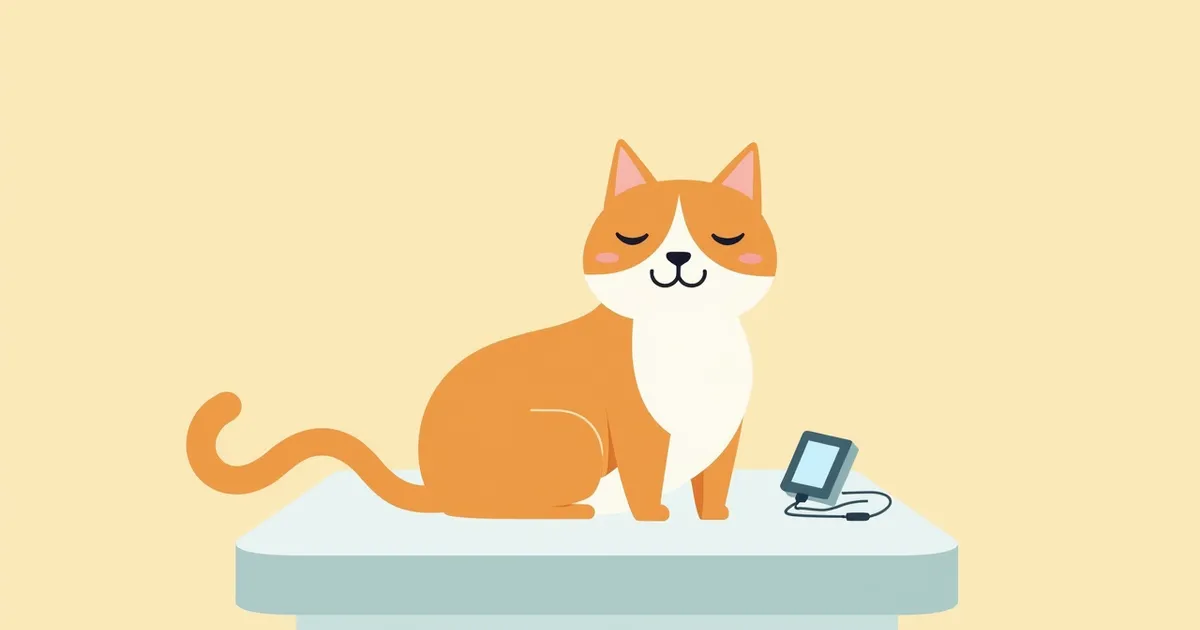
A desk with a cat health record book, a water bowl, and a blood pressure monitor placed beside it.

Note: Early Detection Is Key for Feline Hypertension

Feline hypertension typically progresses gradually and without obvious symptoms, making it difficult for pet owners to detect on their own. Regular blood pressure monitoring is especially essential for senior cats with chronic kidney disease or hyperthyroidism. Early detection and management before severe complications such as retinopathy develop can help preserve vision, improve treatment outcomes, and maintain your cat’s quality of life.

Reviewed by a veterinarian

Dr. Tony — Punnawat Phongkittirak

Dr. Tony — Punnawat Phongkittirak

Veterinarian

A veterinarian who majored in veterinary medicine at Khon Kaen University, Thailand, and completed the IVSA program at North Carolina State University in the United States. Drawing on clinical experience at animal hospitals, he works in the pet healthcare field and is dedicated to building a digital care environment that connects pet parents with veterinarians.

Frequently Asked Questions

What medication should be given to a cat with high blood pressure?
It is essential to administer the blood pressure medication prescribed by your veterinarian at the exact dosage and frequency specified. Self-prescribing is strictly prohibited. Since these medications can affect kidney function, regular monitoring through periodic tests is necessary.
Does high blood pressure always lead to kidney disease?
The reverse is also true: kidney disease can lead to high blood pressure, and high blood pressure can damage the kidneys. These two conditions influence each other, creating a vicious cycle.
Can I measure blood pressure at home?
Yes, you can measure your pet’s blood pressure at home using a dedicated monitor. However, it’s important to have a veterinarian guide you initially so you can learn the correct measurement technique.
Do cats with high blood pressure need a special diet?
Yes, feeding a veterinarian-recommended special diet that is low in protein, phosphorus, and sodium can help reduce the burden on the kidneys and slow the progression of the disease.
Can I stop the treatment for high blood pressure?
Never stop the treatment. Hypertension is not a temporary issue but a chronic condition that requires ongoing management. It’s important to continue treatment consistently as directed by your veterinarian.

Share

Related Guides

References

[1] Langston, C.E. et al. (2023) Small Animal Critical Care Medicine, 3rd Edition. Elsevier.

[2] The Cat, Clinical Medicine and Management, 2nd Edition (2022). Elsevier.

[3] The Veterinary Workbook of Small Animal Clinical Cases (2021). Wiley-Blackwell.

This information is based on veterinary literature and does not replace diagnosis or treatment. Please consult a veterinarian for specific health concerns.

Metapet Co., Ltd. | CEO: Park Sung-yong | Business Reg. No. 417-88-02562 | Seoul, South Korea | Customer Center

Is Your Cat's Blood Pressure OK? Hypertension & Kidney Disease | Meongsiljang