Like
Share
멍실장
캣휠 사용 가이드와 적응법

Cat Wheel Usage Guide and Acclimation Methods

WeightQ&AMeongsiljang Veterinary Advisory Board

Cat wheels are large, circular exercise devices designed to address indoor cats' lack of physical activity and help with weight management. Choosing the right size and gradually acclimating your cat through step-by-step training are key.

Is a Cat Wheel Really Necessary for Our Cat?
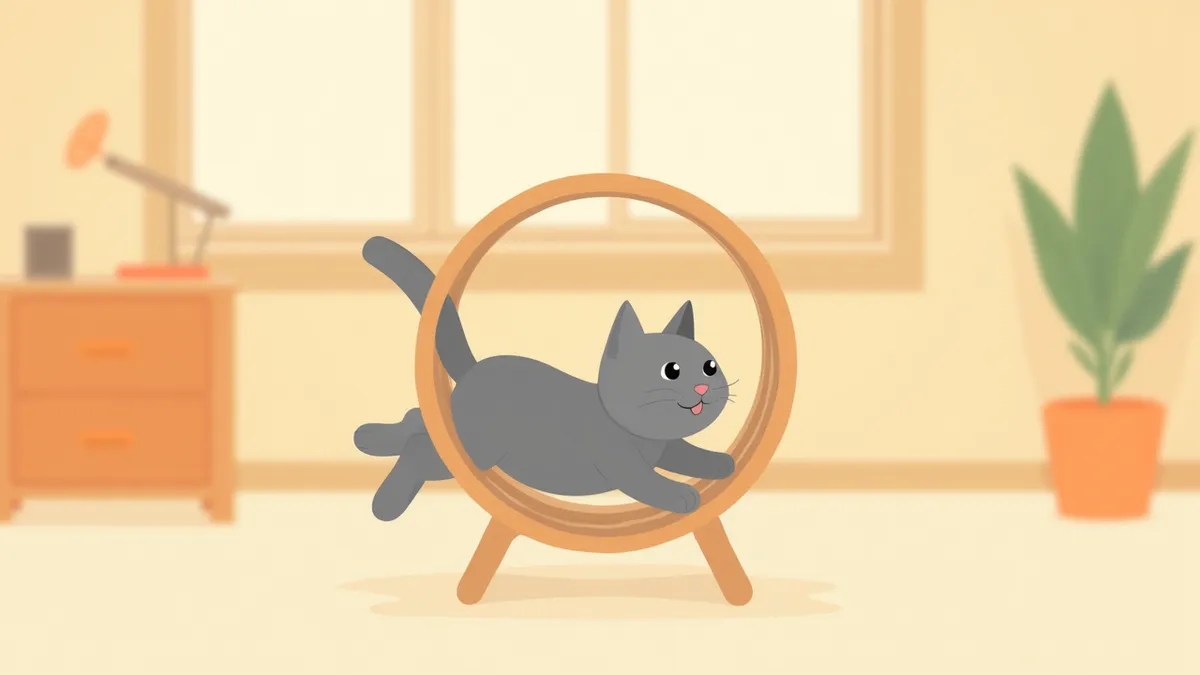
A cat running on a cat wheel
A cat wheel is a large, circular exercise device designed for cats to run on, much like a hamster wheel. It can help with weight management and stress relief. Indoor-only cats may not get enough physical activity if they don’t have adequate opportunities to move. Veterinary textbooks emphasize that providing appropriate environmental resources is essential for maintaining the mental, emotional, and physical health of indoor cats. These resources allow cats to express natural behaviors similar to those of their wild ancestors, helping to reduce various issues that can arise from insufficient activity. A cat wheel offers a way for cats to engage in running even in limited indoor spaces, making it especially beneficial for active breeds or cats needing weight management.

Which Cats Are Best Suited for a Cat Wheel?

Not all cats enjoy cat wheels. They generally suit active cats with strong hunting instincts. - Bengal, Savannah, Abyssinian: These high-energy breeds tend to use cat wheels the most. - Siamese, Oriental: They thrive on mental stimulation and adapt well to training. - Active Korean Shorthairs and Munchkins: Young cats around one year old typically adjust quickly. - Cats managing obesity or diabetes: Start with low-intensity sessions after consulting your veterinarian. On the other hand, senior cats, those with arthritis, or cats with heart conditions may find cat wheels stressful rather than beneficial.

Cat Wheel Size Comparison — What Size Is Right for Our Cat?

ItemSmall (100cm)Medium (120cm)Large (140cm+)
Recommended weight~3kg3–5kg5kg or more
Recommended breedKittensAverage adult catsLarge cats, Bengal
Spinal strainPresent (adult cats)ModerateLow
Space occupiedTrueTrueTrue
Price range$100 to $300$300 to $500$500 to $900

The wheel diameter should be at least 3 times the cat's back length so it doesn't strain the spine

Cat Wheel Acclimation Training — Slowly in 4 Steps
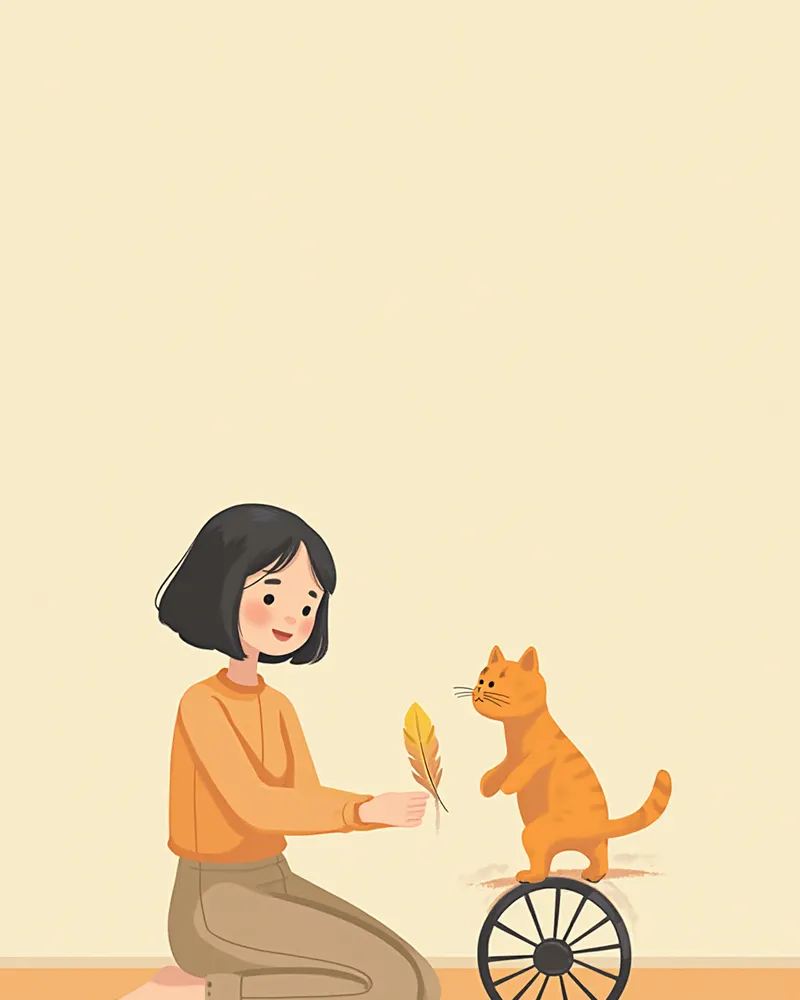
Cats are naturally wary of unfamiliar objects. Never force them onto the wheel. Instead, follow these four steps to help them adapt gradually over 2–4 weeks. - Step 1 (Days 1–3): Place the cat wheel in the living room and leave it there. Let your cat sniff and explore it on their own. - Step 2 (Days 4–7): Place treats on the base of the wheel to encourage your cat to climb up voluntarily. - Step 3 (Week 2): Once your cat starts eating treats on the wheel, gently move a toy to cause slight rotation. - Step 4 (Weeks 3–4): Gradually increase the speed by pulling the toy. Immediately reward your cat with praise and treats upon success.
A pet owner and their cat undergoing adaptation training for a cat wheel using toys.

Cats That Must Consult a Veterinarian Before Using a Cat Wheel

If any of the following apply, a health check-up and consultation with your veterinarian are essential before introducing a cat wheel: - Senior cats aged 7 years or older - Cats classified as severely obese due to significant weight gain (sudden high-intensity exercise can strain the heart) - Cats diagnosed with arthritis, hip dysplasia, or patellar luxation - Cats with heart conditions, such as hypertrophic cardiomyopathy (HCM) - Cats currently recovering from recent surgery or neutering Veterinary nutrition resources emphasize that effective weight management involves creating a weight-loss plan, consistently monitoring progress, and adjusting the plan as needed. While exercise can increase activity levels, its long-term impact on caloric balance remains unclear. Therefore, it is safer to approach exercise gradually under veterinary guidance rather than starting with sudden high-intensity workouts.

How Many Minutes a Day and How to Exercise?
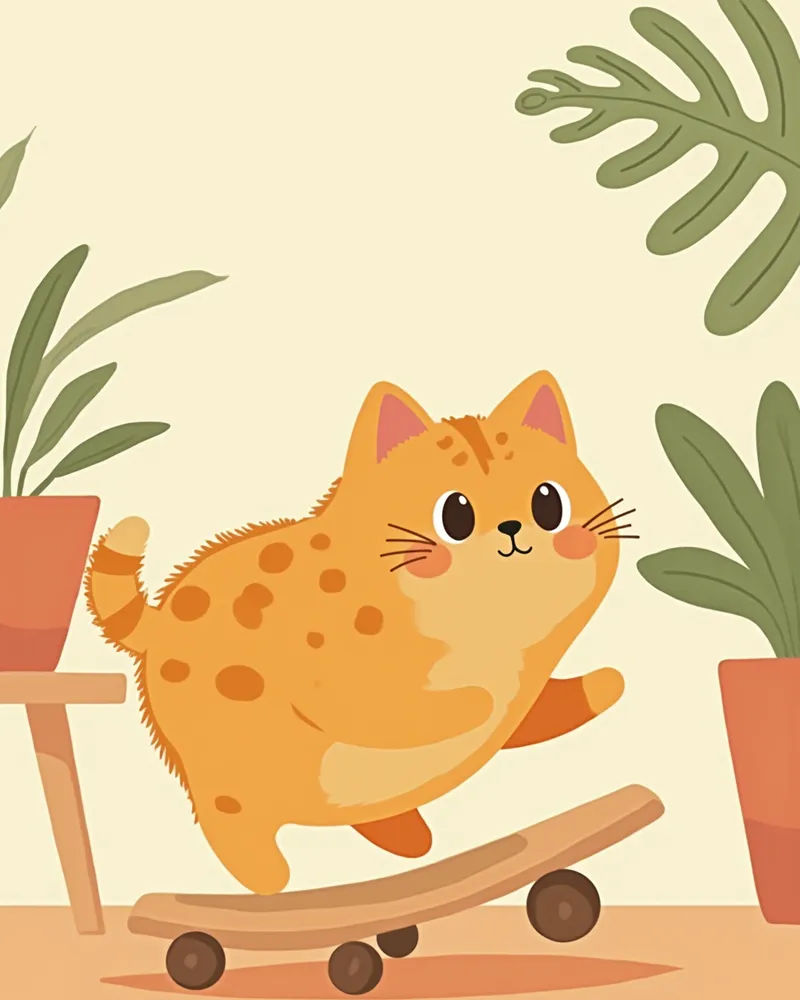
More isn’t always better when it comes to cat wheels. The key is respecting your cat’s willingness to participate. - Initial adaptation phase: Start with very short sessions and gently encourage your cat to climb on and stay on the wheel, allowing the duration to increase naturally over time. - After adaptation: Gradually extend exercise time while closely monitoring your cat’s response. Guiding them during their naturally active morning and evening hours tends to be more effective. - For weight management: Consult thoroughly with your veterinarian to set the appropriate exercise intensity and frequency based on your cat’s individual weight and health status. Cats naturally alternate between short bursts of activity and rest. Avoid forcing them to run for extended periods. Stop immediately if you notice panting, drooling, or stumbling.
An orange cat sprinting full speed on a cat wheel

5 Things to Check Before Buying a Cat Wheel

- Wheel diameter: At least three times your cat’s body length (generally 120 cm or more is recommended) - Running surface: Non-slip carpet or cork materials are gentle on joints - Noise level: Choose a model with low bearing noise so it can be used quietly in the early morning - Stability: The wheel should weigh at least 10 kg to prevent wobbling when your cat jumps off - Assembly design: Modular structures are easier to disassemble and clean, making maintenance more convenient Buying a used wheel is fine, but be sure to check the previous cat’s history for infectious diseases and thoroughly disinfect the wheel before use.

What a Cat Wheel Absolutely Cannot Solve

Cat wheels aren’t a one-size-fits-all solution. For the issues below, you’ll need to combine other strategies alongside using a cat wheel: - Lack of social interaction: Playtime and physical affection with you can’t be replaced by a cat wheel. - Satisfying hunting instincts: Be sure to provide “catch” experiences using feather toys or laser pointers. - Addressing the root cause of severe obesity: Dietary control plays the most critical role in weight management. Veterinary research indicates that the long-term effects of physical activity on weight loss are not yet fully understood; therefore, you should combine diet and exercise while establishing a weight-loss plan under the direct guidance of a veterinarian. Use a cat wheel only as a supplementary tool for exercise and as one element of environmental enrichment.

Reviewed by a veterinarian

Dr. Tony — Punnawat Phongkittirak

Dr. Tony — Punnawat Phongkittirak

Veterinarian

A veterinarian who majored in veterinary medicine at Khon Kaen University, Thailand, and completed the IVSA program at North Carolina State University in the United States. Drawing on clinical experience at animal hospitals, he works in the pet healthcare field and is dedicated to building a digital care environment that connects pet parents with veterinarians.

Frequently Asked Questions

What should I do if my cat shows no interest in the cat wheel at all?
If your cat shows no interest even after more than four weeks of training, the cat wheel likely isn’t a good fit for their personality. Don’t force it—instead, switch to other forms of exercise such as feather toys, cat trees, or puzzle feeders. Not all cats are drawn to cat wheels, so it’s more effective to try various environmental enrichment methods and find the activities that best suit your individual cat.
Can kittens use a cat wheel?
Because kittens are still physically developing, we do not recommend using a cat wheel during their early weeks of life. It’s best to start with low-intensity sessions after six months of age, keep playtime short until they reach one year old, and consult your veterinarian before introducing the wheel.
Is it okay if my cat suddenly stops running on the cat wheel?
Cats are naturally built for short bursts of running followed by rest, so it’s normal for them to sprint briefly, pause, and then go again. However, if your cat pants for more than five minutes, vomits, or stumbles, stop the activity immediately and take them to the vet.
Is one cat wheel enough for a multi-cat household?
Dogs may exhibit hierarchical behavior, with one dog monopolizing the item. If competition is intense, provide two items or alternate usage times. If repeated conflicts occur near the wheel, temporarily remove it to prevent further issues.
Will my cat get hurt if they fall off the cat wheel?
Products with stable designs rarely result in fall-related accidents. However, for added safety, keep breakable items at least one meter away and place cushion mats on the floor.

Share

Related Guides

References

[1] Little SE, The Cat: Clinical Medicine and Management, 2nd Edition, Chapter on Feline Obesity and Exercise

[2] Schaer M, Clinical Medicine of the Dog and Cat, 4th Edition, Chapter on Indoor Cat Welfare

This information is based on veterinary literature and does not replace diagnosis or treatment. Please consult a veterinarian for specific health concerns.

Metapet Co., Ltd. | CEO: Park Sung-yong | Business Reg. No. 417-88-02562 | Seoul, South Korea | Customer Center

Cat Wheel Guide: Do You Need One & How to Acclimate | Meongsiljang