
What Is GS-441524, the New Drug for Feline FIP? — Key Points to Know Before Treatment
We’ve compiled everything pet owners need to know about GS-441524, a treatment for feline infectious peritonitis (FIP), including its mechanism of action, administration methods, costs, and potential side effects.
What Is GS-441524?
What Kind of Disease Is FIP?
How Does GS-441524 Work?
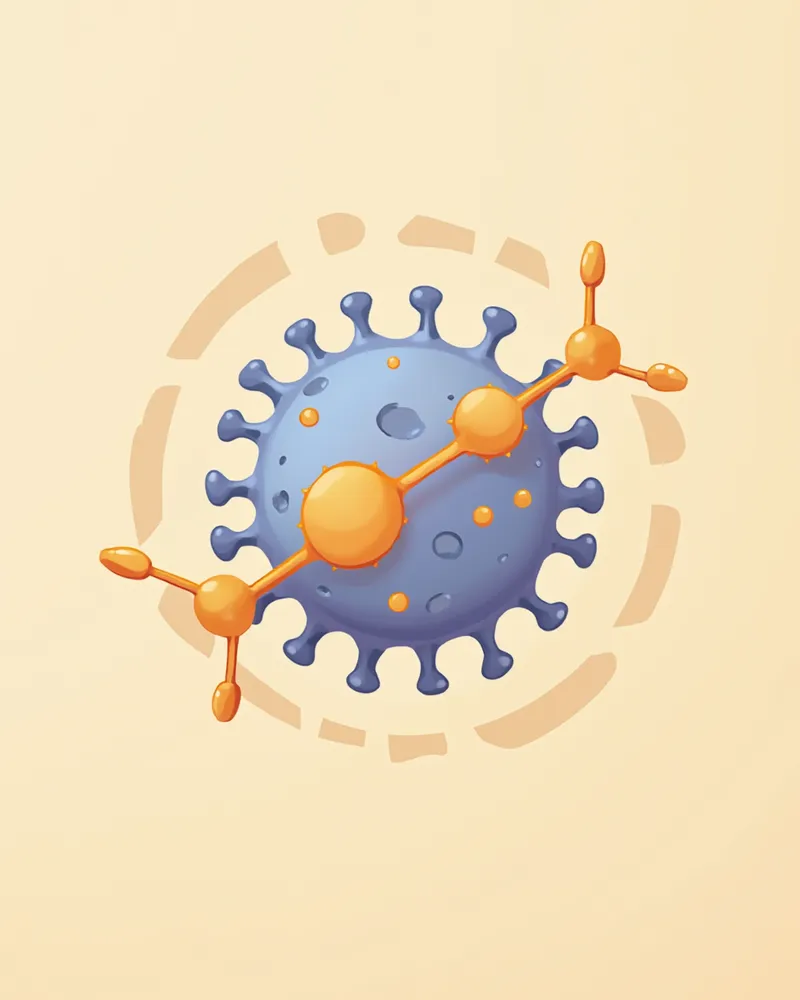
Recommended GS-441524 Dosage by FIP Type
| Item | Dose reported in studies | Treatment duration | Characteristics |
|---|---|---|---|
| Effusive form (ascites/pleural effusion) | 5–10 mg/kg, once daily (study-reported range) | Minimum 12 weeks (84 days) | A form in which effusion fluid accumulates in the abdominal·thoracic cavity |
| Non-effusive form (organ form) | 5–10 mg/kg, once daily (study-reported range) | Minimum 12 weeks (84 days) | A form in which granulomatous inflammation develops in organs |
| Ocular form | 5–10 mg/kg, once daily (study-reported range) | Minimum 12 weeks (84 days) | Ocular changes most commonly appear in the non-effusive form |
| Neurological form (brain) | 5–10 mg/kg, once daily (study-reported range) | Minimum 12 weeks or more | Accompanied by central nervous symptoms such as seizures·ataxia |
Per textbook evidence, the reported dose ranges are similar regardless of type, and the exact mg/kg dose and treatment duration are determined by the veterinarian based on body weight and symptoms. Adjusting on your own can leave viral suppression incomplete.
Essential Principles to Follow During Administration
Studies have shown that GS-441524 should be administered daily without missing any doses for at least 12 weeks (84 days), so it is important to strictly follow the prescribed dosing schedule. Interrupting or stopping treatment arbitrarily can lead to incomplete viral suppression and reduced therapeutic efficacy. Do not discontinue medication on your own, even if symptoms appear to have noticeably improved. Always consult your veterinarian before making any changes to the dosing method or duration.
Injectable vs. Oral Form: What’s the Difference?
Side Effects and Monitoring Points
Observation Period After Treatment Completion
Even after the 84-day course of medication is completed, a sufficient observation period is necessary to confirm whether the condition recurs. If symptoms reappear during this time, you should immediately consult your veterinarian to begin retreatment. If the observation period passes without any issues, the cat can be considered clinically cured. Improvements in clinical signs and behavioral indicators have been reported in cats that have achieved long-term survival, and a positive prognosis can be expected for those who successfully complete treatment.
How to Purchase in Korea and Costs

Reviewed by a veterinarian

Dr. Tony — Punnawat Phongkittirak
VeterinarianA veterinarian who majored in veterinary medicine at Khon Kaen University, Thailand, and completed the IVSA program at North Carolina State University in the United States. Drawing on clinical experience at animal hospitals, he works in the pet healthcare field and is dedicated to building a digital care environment that connects pet parents with veterinarians.
Reviewed 2026-04-26
Frequently Asked Questions
My cat has been diagnosed with FIP. Can we start GS-441524 treatment right away?
The symptoms improved midway through treatment, and giving the injections has become very difficult. Is it okay to stop them early?
Can it be transmitted to other cats?
What is the recurrence rate after treatment?
Is there a preventive vaccine available?
Share
Related Guides

Primary vs. Secondary Veterinary Hospitals: A Comparison
5 Easy-to-Raise Cat Breeds for First-Time Owners — Grooming Difficulty Comparison

Top 7 Short-Legged Dog Breeds

Why Do Diabetic Complications Occur in Dogs? — How to Recognize Signs of Neuropathy and Cataracts

Have questions about drug treatment for Cushing’s disease in dogs? — Efficacy and selection points for trilostane and mitotane
Complete Guide to Canine Cushing’s Disease Diagnostic Tests (LDDS & HDDS) — From Methods to Result Interpretation
What is the Feline Thyroid T4 Test? — What Do the Results Mean and When Should It Be Done?

If You Feel a Lump on Your Cat’s Thyroid — Differences Between Nodules and Cysts and How to Handle Them

What are hormonal imbalances in pregnant and lactating cats — what signs to watch for after delivery
What is Radioactive Iodine Therapy for Cats? — From Process to Cost and Care
References
[1] Pedersen NC et al., Efficacy and safety of the nucleoside analog GS-441524 for treatment of cats with naturally occurring feline infectious peritonitis, Journal of Feline Medicine and Surgery, 2019
[2] Clinical Medicine of the Dog and Cat, 4th Edition — Feline Infectious Peritonitis Chapter
[3] The Cat, Clinical Medicine and Management, 2nd Edition — FIP Diagnosis and Treatment
[4] Dickinson PJ et al., Antiviral treatment using the adenosine nucleoside analogue GS-441524 in cats with clinically diagnosed neurological FIP, Journal of Veterinary Internal Medicine, 2020