

Why Do Cats Love Sunbathing Spots? — How to Create a Safe Sunbathing Spot
Discover the importance of sunbathing spots for cats and learn how to create a safe one. We’ve covered everything you need to know, from window temperature and UV protection to preventing heatstroke.
What Is a Cat Sunbathing Spot?
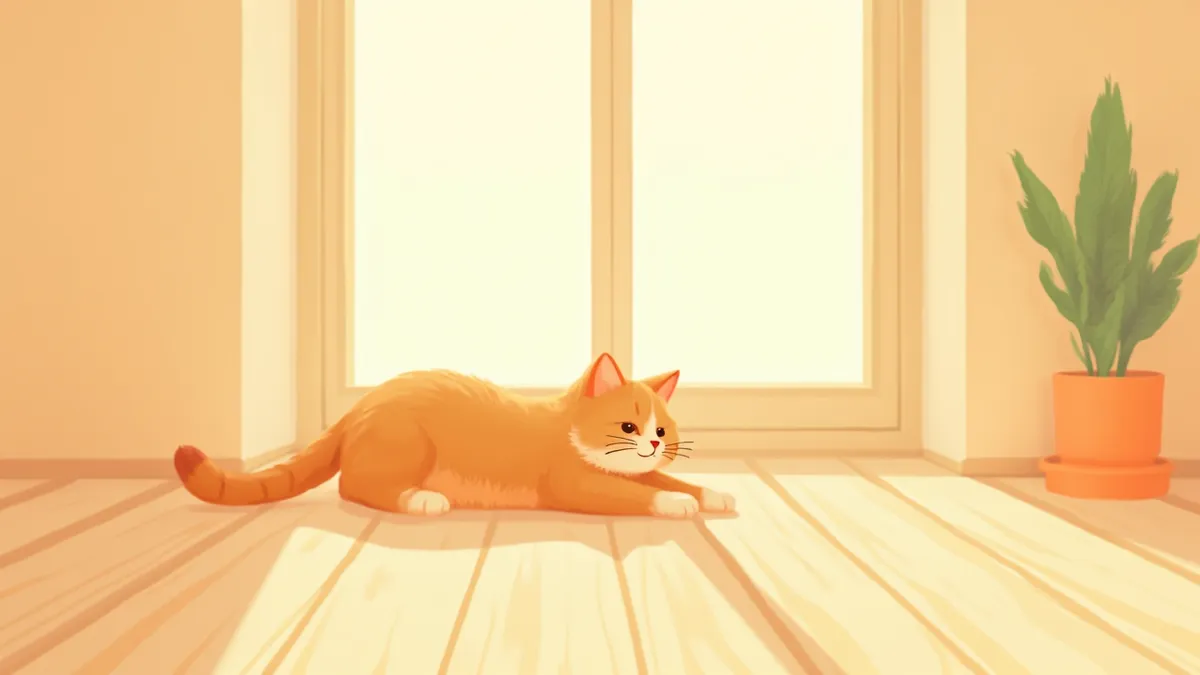
Why Cats Love Sunbathing Spots
Health Benefits of Sunbathing Spots
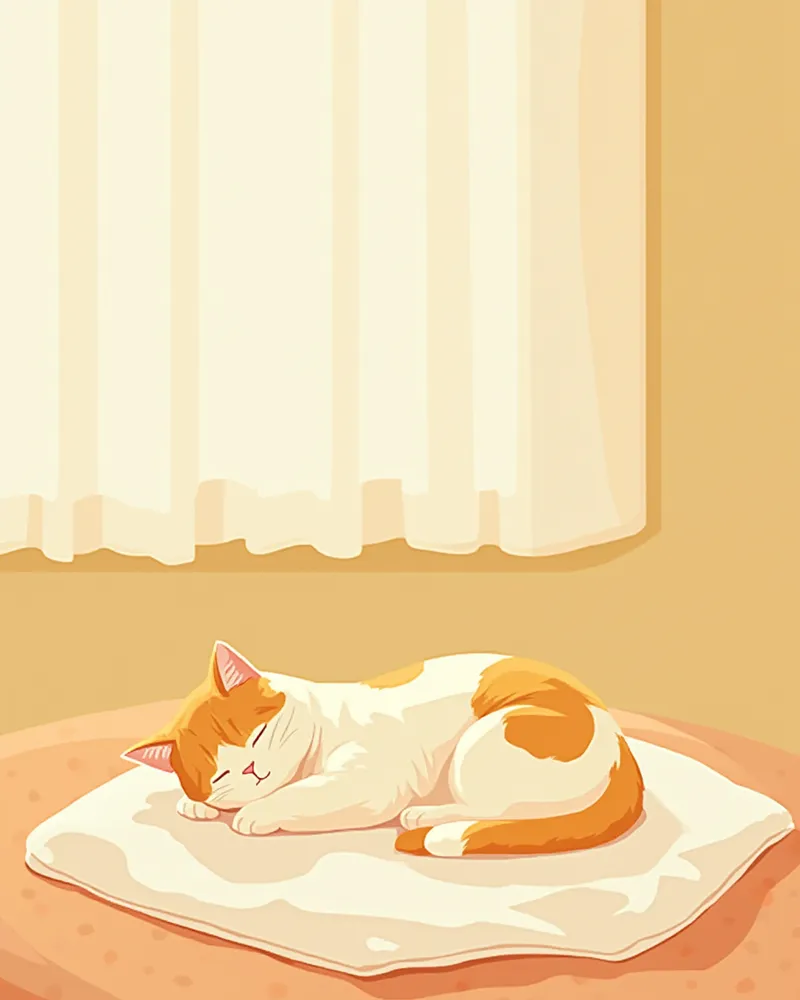
How to Create a Safe Sunbathing Spot
Critical Precautions in Summer
Temperatures in sunny window spots can rise rapidly during the midday summer heat, so careful monitoring is essential. Cats have limited ability to cool themselves in hot environments, making them particularly vulnerable to high temperatures. If your cat shows signs such as open-mouth breathing, panting, drooling, lethargy, or difficulty standing, move them to a cool area immediately and contact your veterinarian right away. Cats with light skin pigmentation or white fur are at higher risk for sun-induced skin conditions, including solar dermatitis and squamous cell carcinoma, so take extra care to avoid prolonged exposure to direct sunlight. During the summer, limit sun exposure to before 9 a.m., and use blackout curtains to block direct sunlight between 9 a.m. and 3 p.m.
Checklist for Window Placement
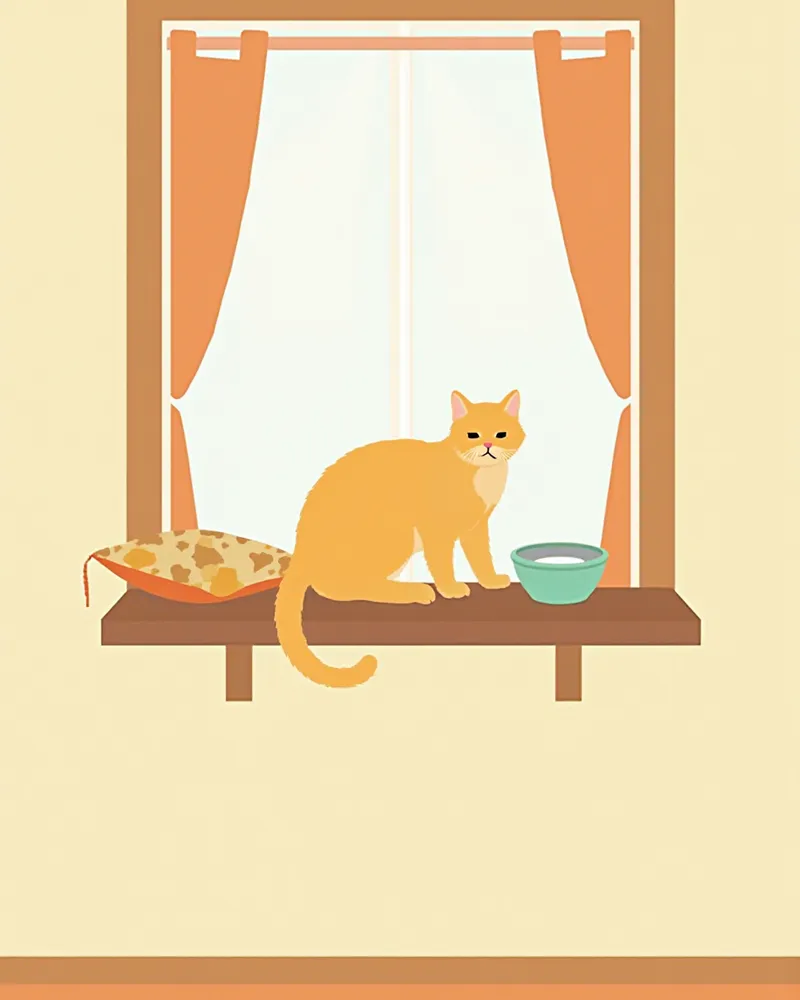
Seasonal Sunbathing Spot Management Tips
| Item | Spring/Autumn | Summer | Winter |
|---|---|---|---|
| Recommended time slot | Morning to early afternoon | Before 9 a.m. | Noon to 3 p.m. |
| Target floor temperature | 28–32°C | 30°C or below | 30–35°C |
| Essential care | Ventilation | Blackout curtains, water replenishment | Combine with a warming mat |
| Warning sign | Normal | Panting, hyperventilation | Curling up from the cold |
Please observe indoor temperature and your cat's behavior together
Signs of Insufficient Sunbathing
Cats That Need to Be Cautious With Sunbathing
Cats with white fur or light pigmentation on their noses and ears are at higher risk for sun-induced dermatitis and squamous cell carcinoma, so they should avoid prolonged exposure to direct sunlight. Cats with chronic conditions may experience added strain in hot environments, so it’s best to keep them away from high temperatures. Senior cats and kittens may have less efficient temperature regulation, so shorter sun exposure is recommended. If your cat has any underlying health conditions, consult your veterinarian to determine the appropriate duration for sunbathing.
Reviewed by a veterinarian

Dr. Tony — Punnawat Phongkittirak
VeterinarianA veterinarian who majored in veterinary medicine at Khon Kaen University, Thailand, and completed the IVSA program at North Carolina State University in the United States. Drawing on clinical experience at animal hospitals, he works in the pet healthcare field and is dedicated to building a digital care environment that connects pet parents with veterinarians.
Reviewed 2026-04-26
Frequently Asked Questions
How many hours of sunlight should a cat get each day?
Does sunlight through a window help with vitamin D synthesis?
Is it okay if my pet keeps looking out the window while lying in the sun?
Should I remove my pet’s sunny spot when turning on the air conditioner in summer?
What should I do if my pet doesn’t have access to a sunny spot during winter?
Share
Related Guides

Primary vs. Secondary Veterinary Hospitals: A Comparison
5 Easy-to-Raise Cat Breeds for First-Time Owners — Grooming Difficulty Comparison

Top 7 Short-Legged Dog Breeds
How Long Can a Dog Live with a Tumor? — Factors Determining Prognosis and Survival Time

What is Canine Squamous Cell Carcinoma? — Early Signs and Responses You Should Not Miss
Canine Radiation Therapy Indications FAQ — Key Information for Pet Owners

How to Care for Your Dog After a Splenectomy — A Complete Guide to Recovery Precautions

Late-Stage Dog Cancer — When to Start Hospice Care and Key Steps to Maintain Quality of Life
What Is Canine Hemangiosarcoma? — A Complete Q&A Guide for Pet Owners from Diagnosis to Prognosis

My Dog Keeps Having Seizures — Brain Tumor Signs and When to Visit the Vet
References
[1] Ettinger SJ, Feldman EC, Textbook of Veterinary Internal Medicine, 8th Edition, Chapter: Thermoregulation and Heat Stroke
[2] Little SE, The Cat: Clinical Medicine and Management, 2nd Edition, Chapter: Environmental Enrichment
[3] American Association of Feline Practitioners (AAFP), Environmental Needs Guidelines, 2013