

Are Lilies Truly Fatal to Cats? — Key Facts on Nephrotoxicity Symptoms and Emergency Treatment
If your cat ingests lilies, it can cause immediate kidney damage. Here’s the essential information every pet owner should know.
Lily Nephrotoxicity in Cats Is a Life-Threatening Emergency
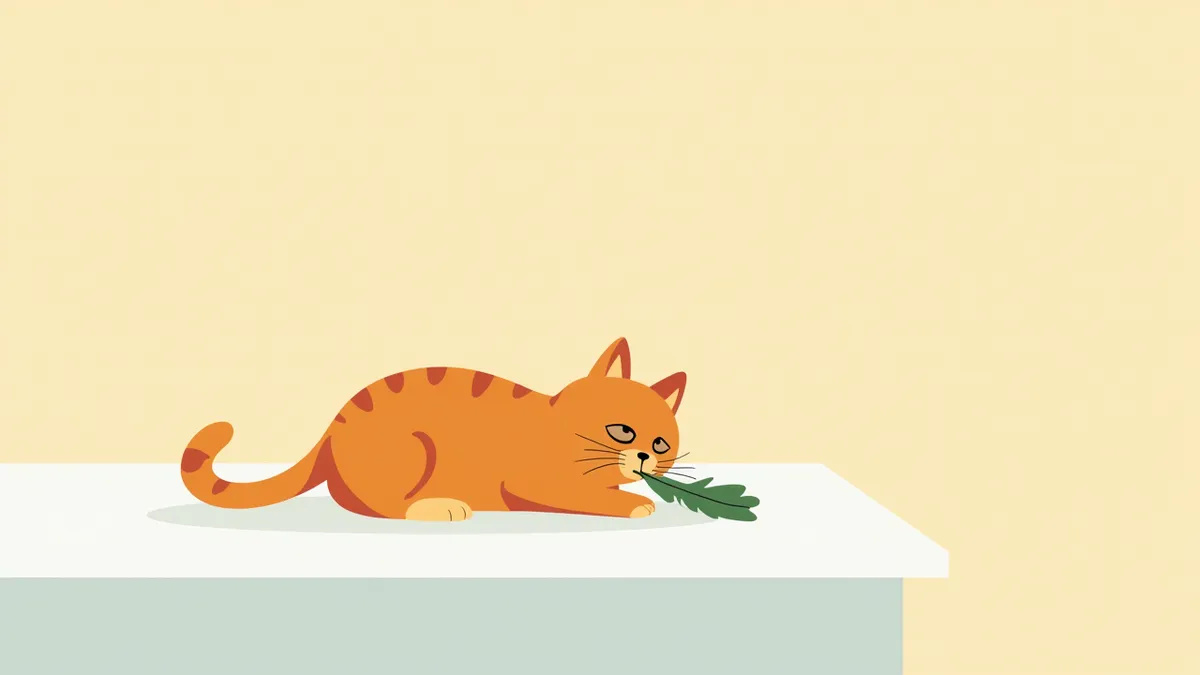
Causes and Mechanism of Lily Toxicity
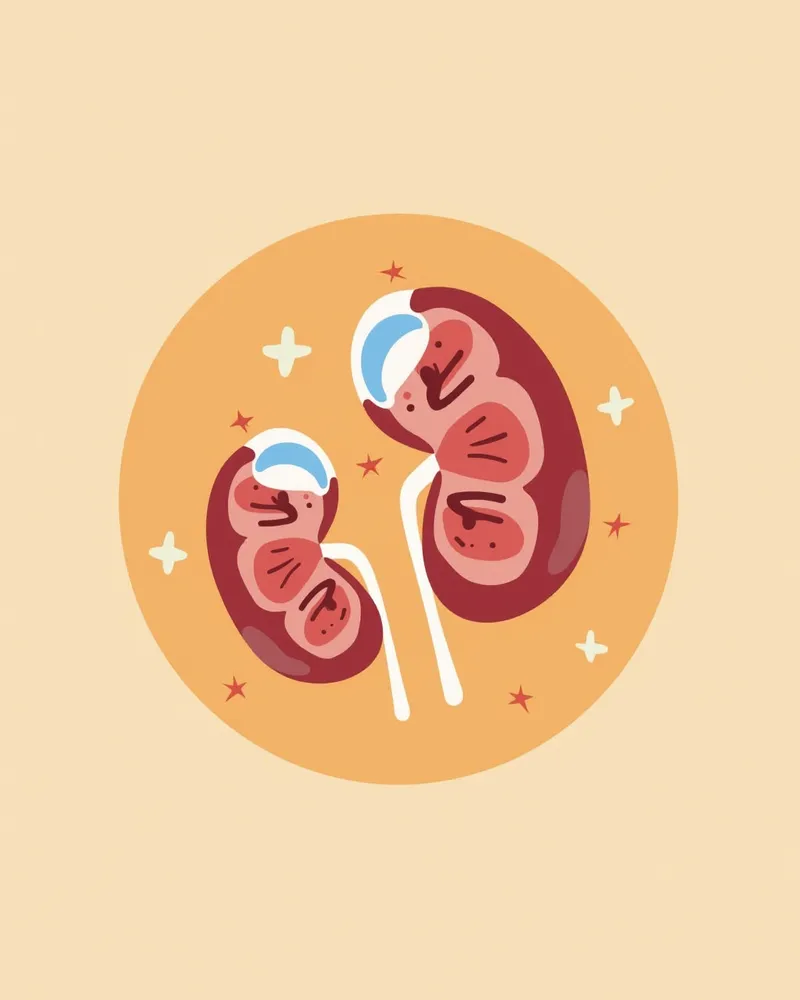
Checklist of Major Symptoms of Lily Toxicity
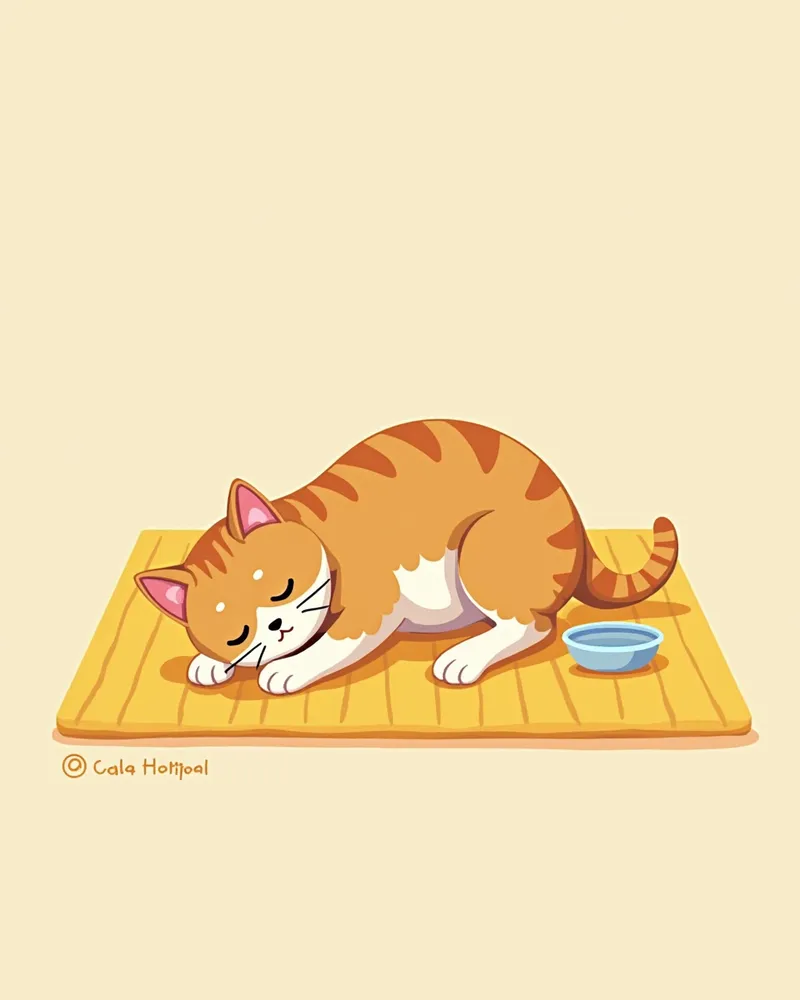
Emergency Situations Requiring Immediate Veterinary Visit
If your cat shows symptoms such as vomiting, loss of appetite, or changes in urine output after ingesting lilies, take them to a veterinary clinic immediately. Symptoms typically begin 6 to 12 hours after ingestion, and the prognosis is better with active treatment within 18 hours. Once kidney damage progresses to oliguria or anuria, recovery becomes difficult even with fluid therapy, so it is crucial to start treatment as soon as possible.
Diagnostic Methods and Treatment Procedures for Lily Toxicity
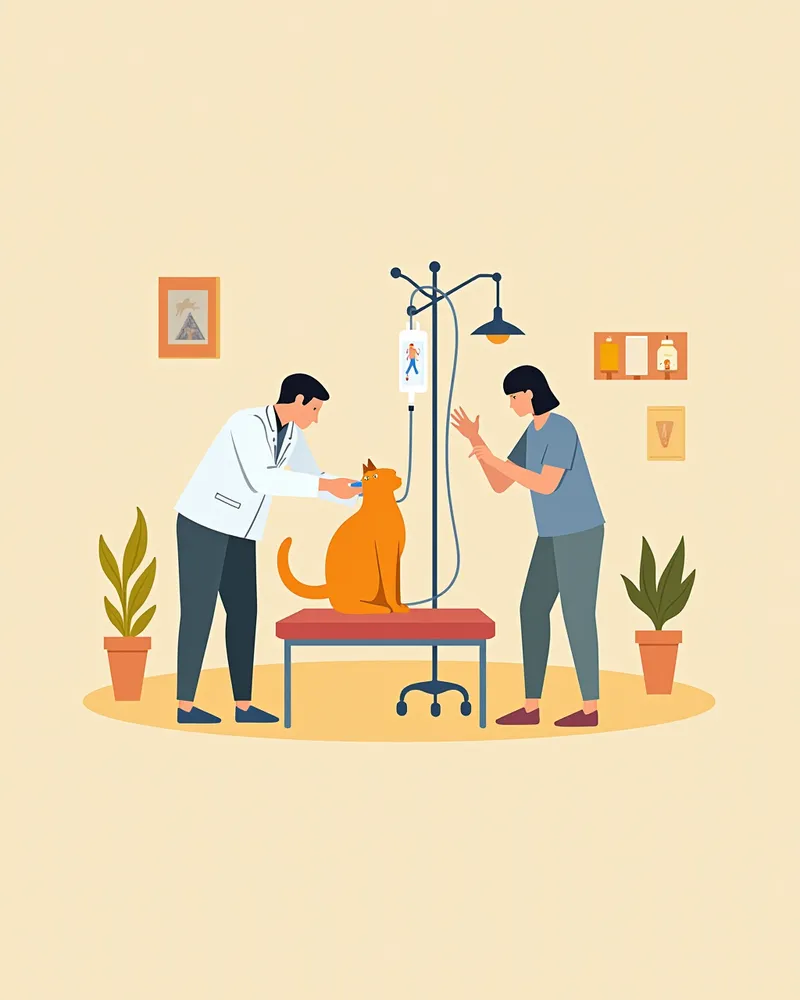
Home Care and Recovery Stages
Practical Tips for Preventing Lily Toxicity
Step-by-Step Comparison Chart for Managing Lily Toxicity
| Item | Time frame | Main symptoms | Management |
|---|---|---|---|
| Early stage | 6–12 hours after ingestion | Vomiting, loss of appetite, lethargy | Visit the hospital immediately and begin treatment |
| Middle stage | 12–18 hours | Polyuria or decreased urination, dehydration | Aggressive fluid therapy within 18 hours |
| Severe stage | More than 18 hours | Oliguria/anuria, dehydration, depression | Emergency fluid therapy and consideration of dialysis |
The later treatment begins, the more sharply the chance of recovery declines. Aggressive treatment within 18 hours of ingestion tends to have a good prognosis.
Reviewed by a veterinarian

Dr. Tony — Punnawat Phongkittirak
VeterinarianA veterinarian who majored in veterinary medicine at Khon Kaen University, Thailand, and completed the IVSA program at North Carolina State University in the United States. Drawing on clinical experience at animal hospitals, he works in the pet healthcare field and is dedicated to building a digital care environment that connects pet parents with veterinarians.
Reviewed 2026-06-05
Frequently Asked Questions
Is even a small amount of lily dangerous?
Is it okay if more than 24 hours have passed since my pet ate a lily?
Are other plants besides lilies dangerous too?
Should I perform gastric lavage at home after my pet has ingested lilies?
Is recovery possible after lily poisoning?
Share
Related Guides
Top 5 Prescription Diets for Cats with Chronic Kidney Disease — Stage-Specific Protein Adjustment
7 Emergency Signs and Causes of Acute Kidney Failure in Dogs You Must Not Miss

7 Best Prescription Kidney Diets for Dogs Recommended by Veterinarians — How to Choose Based on Phosphorus and Protein

What is CKD palliative care for dogs? — How to maintain quality of life in the end stages
Will My Dog’s Kidney Disease Get Worse? — CKD Progression Monitoring Indicators and Testing Timing
What is Pyelonephritis in Dogs? — Bacterial Kidney Infection and Its Symptoms
My Dog Suddenly Stopped Urinating — Acute Kidney Injury (AKI) Q&A

What Are ACE Inhibitors and ARBs for Dogs? — Kidney Protection: What You Need to Know
What is a cat kidney ultrasound? — When and why is it needed?

Should I definitely feed my cat prescription renal food? — A guide to its effects and proper feeding methods
References
[1] Langston CE. Acute renal failure caused by lily ingestion in six cats. Am Vet Med Assoc 2002;220(1):49-52.
[2] Hadley RM, Richardson JA, Gwaltney-Brant SM. A retrospective study of daylily toxicosis in cats. Vet Hum Toxicol 2003;45(1):38-9.
[3] Blackwell's Five-Minute Veterinary Consult Clinical Companion, Small Animal Toxicology, 3rd Edition. 2023.