Like
Share
멍실장
고양이 품종별 심장 질환 소인 자주 묻는 질문 Q&A — 보호자가 꼭 알아야 할 핵심

Why Are Certain Cat Breeds Prone to Heart Disease? Is Your Cat at Risk?

HeartQ&AMeongsiljang Veterinary Advisory Board

Genetic factors play a significant role in the breed-specific predisposition to heart disease in cats. By familiarizing themselves with the warning signs in high-risk breeds and scheduling regular check-ups, pet owners can help ensure early detection.

Genetic Risk Factors for Heart Disease in Cat Breeds
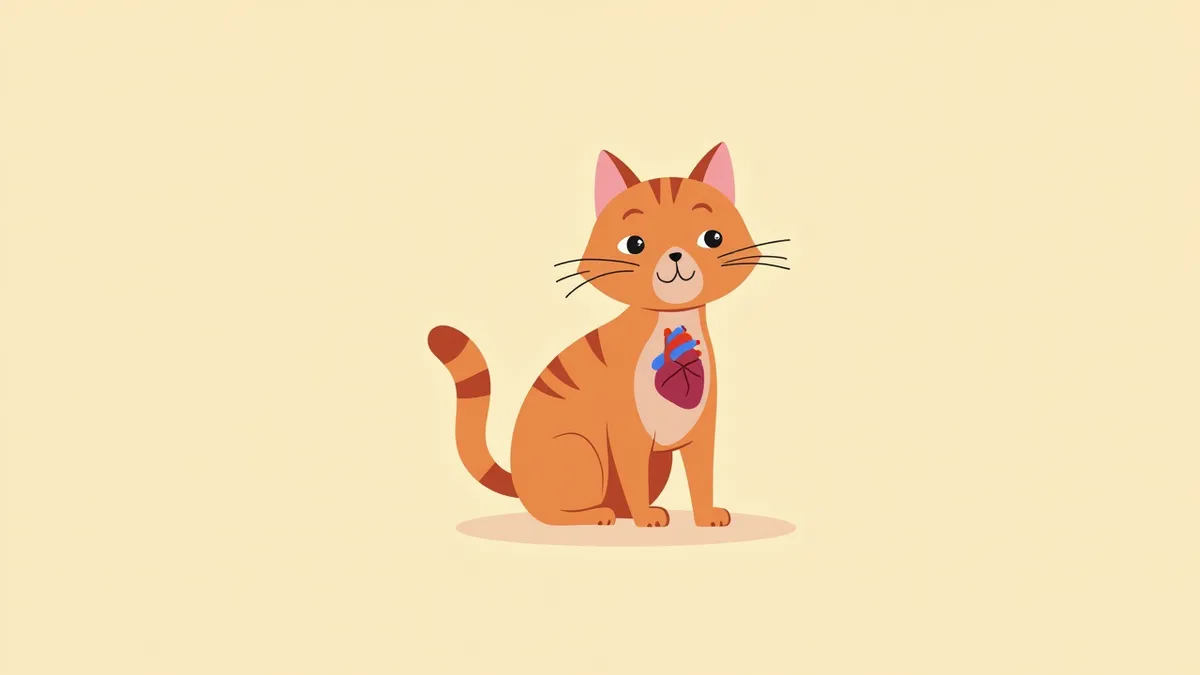
An anatomical illustration highlighting hypertrophic cardiomyopathy in the hearts of Maine Coon and Ragdoll cats
Genetic factors play a significant role in the predisposition to heart disease among different cat breeds. In particular, Maine Coon cats are at high risk for hypertrophic cardiomyopathy (HCM) due to the A31P mutation in the MYBPC3 gene. Hypertrophic cardiomyopathy is a condition in which the heart muscle (ventricular walls) thickens abnormally, impairing the heart’s diastolic function—its ability to relax and fill with blood. Ragdoll cats are also at high risk for hypertrophic cardiomyopathy, associated with the R820W mutation in the MYBPC3 gene. Because hypertrophic cardiomyopathy can lead to congestive heart failure, arterial thromboembolism, and sudden death, early detection is crucial. Regular cardiac ultrasound examinations and genetic testing can help assess risk proactively.

Why Are Maine Coon Cats Vulnerable to Heart Disease?
Maine Coon cats are at higher risk for hypertrophic cardiomyopathy (HCM) linked to the A31P mutation in the MYBPC3 gene. This mutation causes abnormal thickening of the heart muscle, particularly impairing diastolic function—the heart’s ability to relax and fill with blood. As a result, the heart cannot adequately receive blood, which can lead to congestive heart failure. Hypertrophic cardiomyopathy follows an autosomal dominant inheritance pattern, and veterinarians can determine whether a cat carries the mutation through genetic testing. Early detection allows for symptom management with medication and prevention of complications. Therefore, it is advisable for Maine Coon cats to undergo regular cardiac screenings from a young age.
A gene diagram showing the A31P mutation found in the MYBPC3 gene of Maine Coon cats

What Are the Major Heart Risk Factors in Ragdoll Cats?
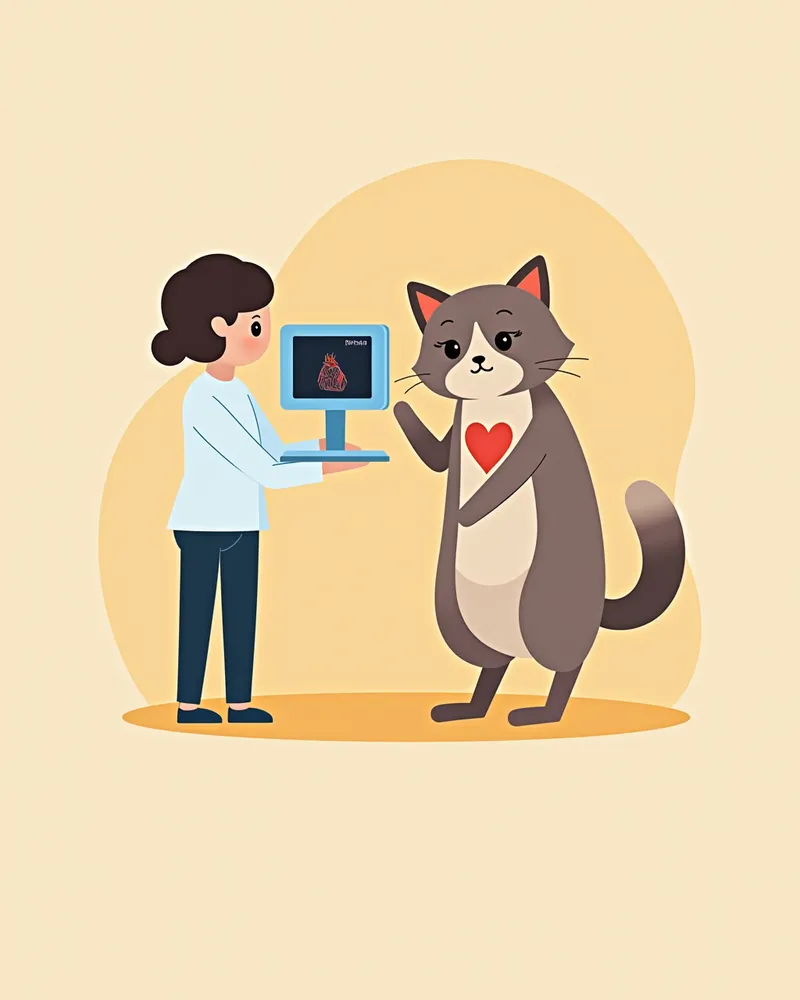
Ragdoll cats are at high risk for hypertrophic cardiomyopathy (HCM) due to the R820W mutation in the MYBPC3 gene. As HCM progresses, it can lead to congestive heart failure, arterial thromboembolism, and sudden death, making it a serious concern. If your cat suddenly collapses or shows difficulty breathing, seek veterinary care immediately. Regular cardiac ultrasound exams can help detect ventricular wall thickening early, and an electrocardiogram (ECG) is useful if an arrhythmia is suspected. Genetic testing can confirm whether the R820W mutation is present, aiding in risk assessment, and it’s important to work with your veterinarian to develop a management plan. Early detection and proactive care are key to saving lives.
A veterinarian performing an echocardiogram on a Ragdoll cat.

What Are the Main Symptoms of Feline Heart Disease?
Feline heart disease is often difficult to detect early because symptoms are subtle in the initial stages. However, if your cat shows signs such as difficulty breathing, rapid respiration, lethargy, sudden collapse, or hindlimb paralysis, immediate veterinary attention is required. Unlike dogs, cats with heart failure rarely cough, so it is crucial to closely monitor any changes in their breathing patterns. Cats of certain breeds are at higher risk and require particularly careful observation. As heart function declines, you may notice decreased activity levels or rapid breathing. Sudden hindlimb paralysis or collapse due to arterial thromboembolism can be life-threatening. Regular check-ups are essential for early diagnosis.
A cat experiencing difficulty breathing

Immediate Veterinary Visit Required in Case of Cardiac Crisis

If your cat suddenly collapses or experiences severe breathing difficulties, it could be a medical emergency such as acute heart failure or arterial thromboembolism. These conditions are life-threatening and require immediate veterinary care. Delaying emergency treatment can significantly reduce the chances of recovery.

Diagnostic Tests for Heart Disease
Diagnosing heart disease involves a combination of echocardiograms, electrocardiograms (ECGs), chest X-rays, and blood tests. Echocardiography is the most sensitive and critical test for diagnosing hypertrophic cardiomyopathy, as it provides an accurate assessment of cardiac structure and function. An ECG evaluates the heart’s rhythm to detect arrhythmias. While chest X-rays help assess heart size and lung condition, they may not clearly reveal early-stage cardiac enlargement. Blood tests aid in evaluating overall health and identifying any concurrent conditions. Genetic testing is also valuable for detecting the A31P mutation in Maine Coons and the R820W mutation in Ragdolls.
A veterinarian using an ultrasound device on a cat's chest

How Is Heart Disease Treated?

Treating heart disease often involves a combination of medications tailored to the specific symptoms. To reduce congestion, or fluid buildup, in the lungs and chest cavity, we use diuretics (such as furosemide) and ACE inhibitors. Pimobendan may also be prescribed to support heart function. Because cats are at high risk for thromboembolism, we frequently prescribe blood clot prevention medications like clopidogrel alongside other treatments. If arrhythmias are present, beta-blockers or calcium channel blockers (such as diltiazem) are used to regulate heart rate and rhythm. Dietary management should follow your veterinarian’s guidance, focusing on a balanced diet while avoiding excessive salt intake. Your veterinarian will customize the prescription based on your cat’s weight and condition, and regular follow-up checkups are essential to monitor treatment effectiveness and make necessary adjustments.
A veterinarian administering medication to a cat

Comparison of Heart Disease Risk by Cat Breed

ItemMain DiseaseGene MutationRisk Level
Maine CoonHypertrophic cardiomyopathyA31P (MYBPC3) mutationHigh
RagdollHypertrophic cardiomyopathyR820W (MYBPC3) mutationHigh
BirmanFew reports of a confirmed specific predispositionNo confirmed mutationLow
Russian BlueFew reports of a confirmed specific predispositionNo confirmed mutationLow

Hypertrophic cardiomyopathy can occur in all breeds, and risk is assessed by combining confirmed genetic mutations and clinical reports.

Reviewed by a veterinarian

Dr. Tony — Punnawat Phongkittirak

Dr. Tony — Punnawat Phongkittirak

Veterinarian

A veterinarian who majored in veterinary medicine at Khon Kaen University, Thailand, and completed the IVSA program at North Carolina State University in the United States. Drawing on clinical experience at animal hospitals, he works in the pet healthcare field and is dedicated to building a digital care environment that connects pet parents with veterinarians.

Frequently Asked Questions

Can feline heart disease be cured?
Heart disease is often difficult to cure completely. However, early detection and proper management can improve symptoms and enhance your pet's quality of life.
Is genetic testing essential for Maine Coon cats?
Yes, genetic testing can help identify potential risks in advance. It’s also recommended when adopting a healthy cat.
What should I do if my Ragdoll cat suddenly collapses?
You need to get to the vet immediately. Emergency treatment is crucial because there’s a risk of cardiac arrest.
What kind of diet is best for cats with heart disease?
Feed your pet a low-sodium diet or a special food that supports heart health, as recommended by your veterinarian. Avoid excessive salt intake.
How should I manage a cat with heart disease throughout its life?
Regular check-ups, medication, activity management, and stress reduction are key. Work with your vet to create a tailored care plan.

Share

Related Guides

References

[1] Chetboul, V. et al. (2006). Prospective echocardiographic screening of a population of Maine Coon cats tested for the A31P mutation. J Vet Intern Med, 20(1), 120-126.

[2] Kellum, H.G. and Stepien, R.L. (2006). Third-degree atrioventricular block in 21 cats (1997–2004). J Vet Intern Med, 20(4), 855-860.

[3] Payne, J.R. et al. (2015). Risk factors associated with sudden death vs. congestive heart failure or arterial thromboembolism in cats with hypertrophic cardiomyopathy. J Vet Cardiol, 17(Suppl 1), S318-S328.

This information is based on veterinary literature and does not replace diagnosis or treatment. Please consult a veterinarian for specific health concerns.

Metapet Co., Ltd. | CEO: Park Sung-yong | Business Reg. No. 417-88-02562 | Seoul, South Korea | Customer Center

Why Are Some Cat Breeds Prone to Heart Disease? Is Yours? | Meongsiljang