Like
Share
멍실장
고양이 갑상선암 자주 묻는 질문 Q&A — 보호자가 꼭 알아야 할 핵심

Frequently Asked Questions About Feline Thyroid Cancer — Key Information Every Pet Owner Should Know

EndocrineQ&AMeongsiljang Veterinary Advisory Board

Feline thyroid cancer is one of the common conditions seen in older cats, making early detection and appropriate treatment essential. Here’s a summary of the key information every pet owner should know.

What Is Feline Thyroid Cancer?

A medical illustration showing an enlarged thyroid gland in a cat's neck.
Feline thyroid disease is a condition in which the thyroid gland enlarges due to an increase in thyroid cells. Most cases are benign, such as adenomatous hyperplasia or adenomas, while malignant tumors, known as thyroid carcinoma, are rare. In fact, thyroid cancer accounts for only 1–3% of cases in cats with hyperthyroidism. Hyperthyroidism is the most common endocrine disorder in older cats, and the thyroid gland often enlarges even before cancer develops, leading to systemic symptoms caused by hormone excess. Early diagnosis and management are crucial, with thyroid cancer typically reported in senior cats around 15 years of age. Since hyperthyroidism is particularly prevalent in cats over 10 years old, regular check-ups are essential. - Hyperthyroidism: A condition in which excessive secretion of thyroid hormones leads to systemic symptoms such as increased heart rate and weight loss. - Benign and malignant tumors: Most feline thyroid tumors are benign. Although malignant thyroid cancer is rare, it can grow progressively. - Early detection: Achievable through regular blood tests and ultrasound examinations, which significantly influence the direction of management.

Why Does Feline Thyroid Cancer Occur?
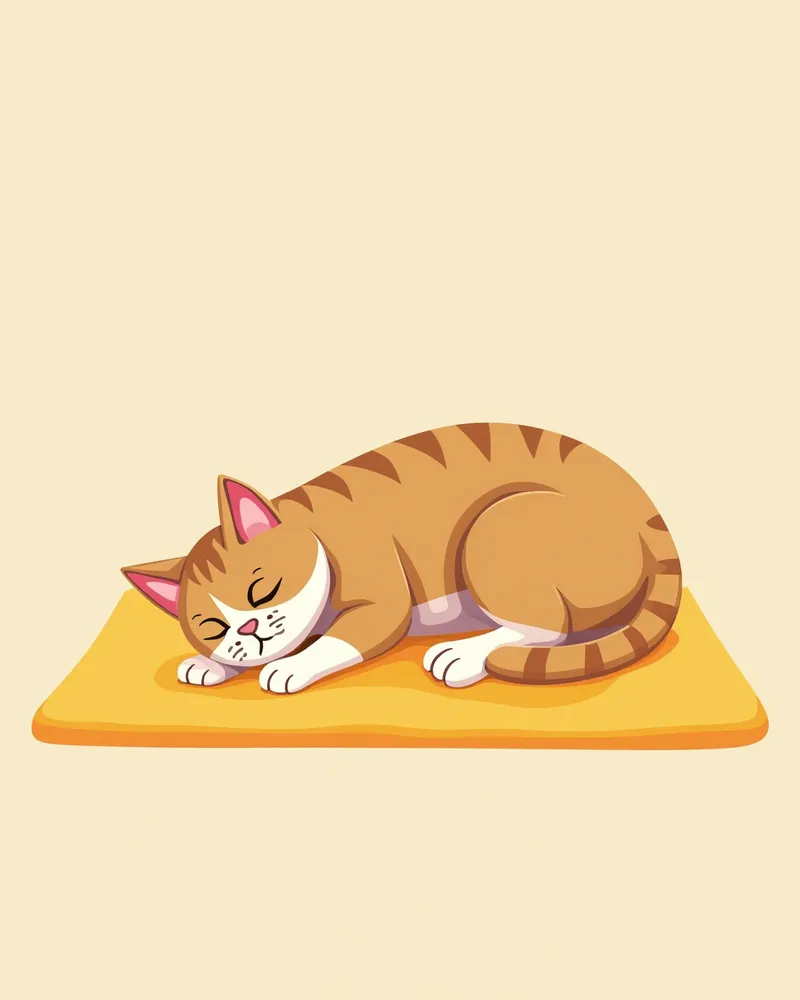
While the exact cause of feline thyroid disease remains unclear, aging and environmental factors are believed to play a role. Epidemiological studies have identified indoor living and the consumption of canned (wet) food, particularly fish-flavored varieties, as risk factors for hyperthyroidism. Most cases involve benign thyroid growths; however, reports indicate an increased incidence of thyroid cancer in cats that have taken methimazole long-term for more than four years. The risk of developing the condition rises with age, with the average age of onset for hyperthyroidism being around 13 years old. Diagnosis in cats under 10 years old is rare, occurring in only about 6% of cases, so extra vigilance is needed for senior cats. - Association with aging: The risk of thyroid growths and dysfunction increases with age. - Environmental factors: Indoor living, canned food, and fish-flavored diets are reported as risk factors. - Drug effects: Reports indicate an increased incidence of thyroid cancer in cases where methimazole has been taken long-term for over four years.
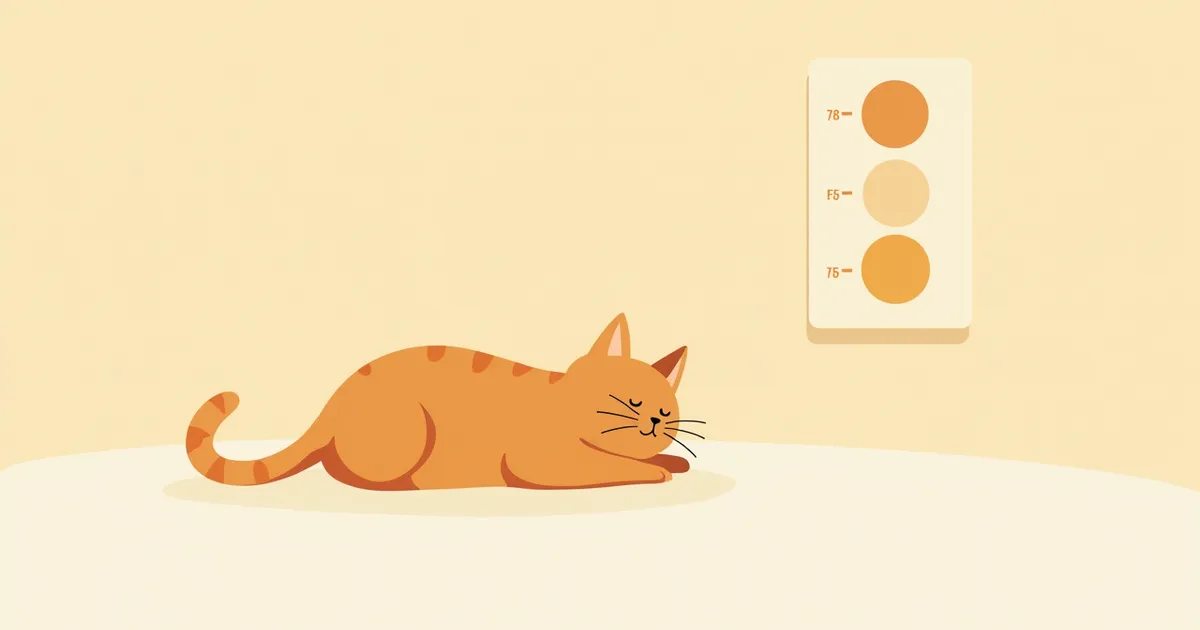
An elderly cat resting on a soft blanket, alongside a clock graph illustrating age-related health changes.

What Are the Main Symptoms of Feline Thyroid Cancer?

Feline hyperthyroidism presents with a variety of symptoms that require careful observation by pet owners. These signs reflect systemic changes caused by excess thyroid hormone. Common clinical signs include increased appetite accompanied by weight loss, heightened activity, restlessness, tachycardia, vomiting, and diarrhea. In some cases, the enlarged thyroid gland may be palpable or visible as a mass in the neck region. If you notice any of these symptoms, please consult your veterinarian promptly. - Weight loss: Despite a strong appetite, cats lose weight and may experience muscle wasting and weakness. - Cardiac issues: An elevated heart rate and arrhythmias are common; in severe cases, this can progress to congestive heart failure. - Behavioral changes: Cats may exhibit hyperactivity, agitation, and restlessness. - Neck abnormalities: The thyroid area may appear noticeably swollen or feel like a firm mass.
An image of a cat showing symptoms of excitement and weight loss, surrounded by symptom icons.

How Is Feline Thyroid Cancer Diagnosed?
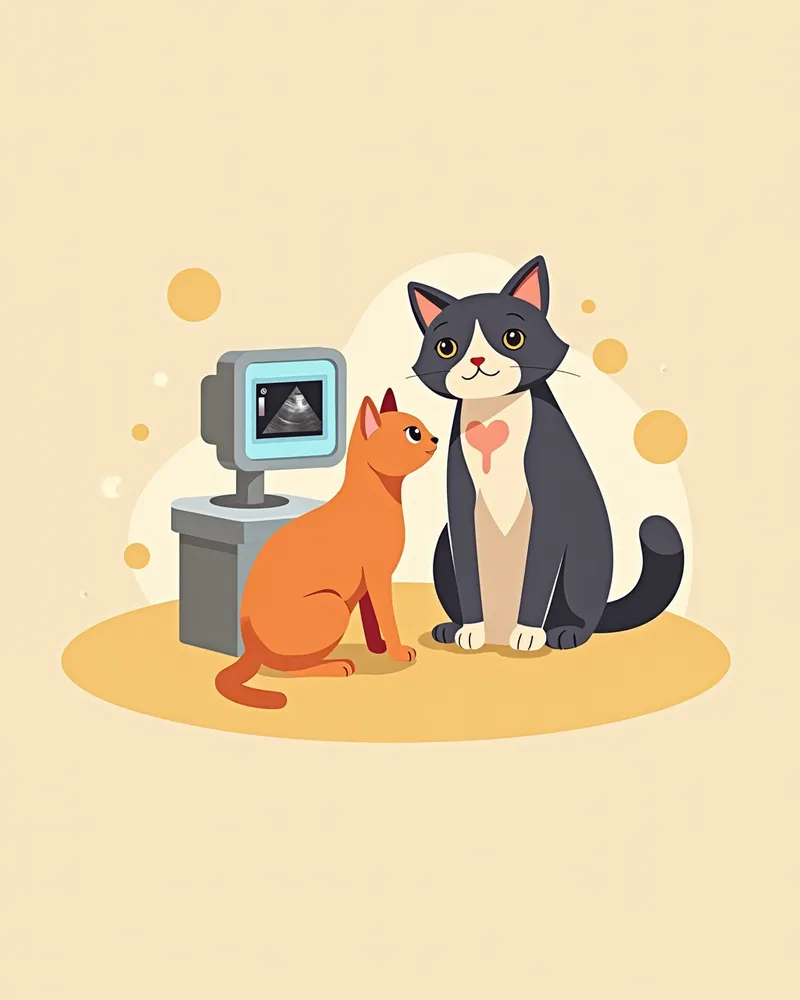
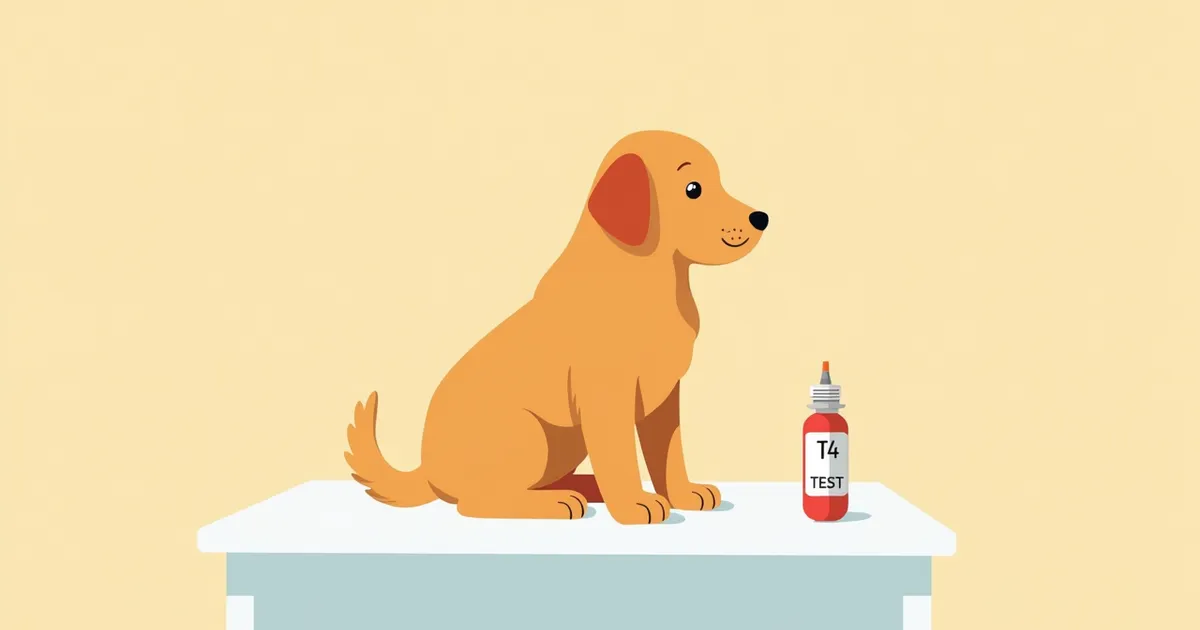
We evaluate feline hyperthyroidism and thyroid cancer using blood tests, thyroid hormone level measurements, and ultrasound examinations. The basic tests required for a definitive diagnosis include a complete blood count (CBC), serum chemistry panel, and total T4 measurement. Elevated total T4 levels raise suspicion for hyperthyroidism, while ultrasound allows us to assess the size and structure of the thyroid gland. However, fine-needle aspiration (FNA) or tissue biopsy is necessary to definitively determine whether a tumor is benign or malignant. Early diagnosis is key to appropriate management. - Blood tests: Along with total T4 levels, CBC and serum chemistry panels help assess hormone excess and overall systemic health. - Ultrasound examination: Provides a detailed evaluation of the thyroid gland’s size, shape, and blood flow. - Tissue biopsy: Tissue biopsy is preferred over cytology for definitive diagnosis and aids in determining malignancy. - Regular check-ups: Annual or more frequent veterinary examinations are recommended for cats aged 10 years and older.
A veterinarian performing an ultrasound on a cat's neck, with the thyroid gland visible on the screen.

Comparison of Feline Thyroid Cancer Treatment Options

ItemEfficacyAdvantagesDisadvantages
Methimazole administrationCan regulate hormonesNon-invasive, for initial managementInexpensive, can start immediately
Radioactive iodine therapyCan cureNon-invasive, low recurrence rateRequires specialized facilities, high cost
Surgical removalAllows precise removalImmediate hormone reductionRequires general anesthesia, long recovery time
Iodine-restricted foodSuppresses hormone productionNon-invasive, for long-term managementSlow effect, difficult to achieve complete cure

The choice of treatment depends on the cat's overall health condition and the owner's circumstances.

Post-Treatment Care Points for Feline Thyroid Cancer

After treatment, regular check-ups and careful monitoring of medication are essential. When administering methimazole, blood tests are necessary to monitor liver function and blood cell counts for potential side effects. Following radioactive iodine therapy, temporary radiation emission may require a period of isolation. Dietary management, stress reduction, and appropriate activity levels are also important. Please work with your veterinarian to establish a specific schedule for follow-up tests and the duration of isolation. - Blood tests: Regularly monitor liver function and white blood cell counts. - Medication administration: Methimazole must be given at the correct dosage and time. - Isolation precautions: After radioactive iodine therapy, follow your veterinarian’s guidance to isolate your pet for a specified period and limit contact with family members. - Environmental management: Provide a quiet, stable environment to minimize stress.
An image of a cat with a medication schedule and a checkmark.

Signs That Require an Immediate Veterinary Visit

If your pet experiences severe heart palpitations, difficulty breathing, lethargy, or a complete loss of appetite, please visit the clinic immediately. These symptoms may indicate serious complications caused by hormone excess. Additionally, if your pet develops a fever, skin rash, or blood abnormalities while taking methimazole, stop the medication right away and consult your veterinarian.

Prevention and Daily Management of Feline Thyroid Cancer
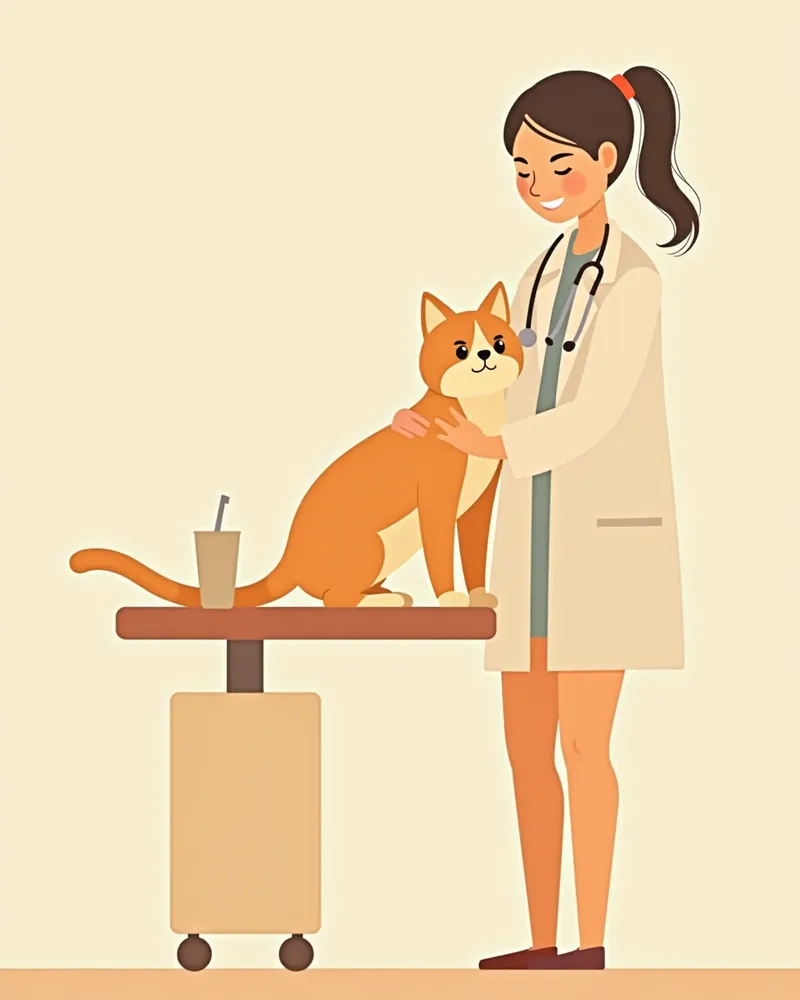
While it’s difficult to completely prevent feline thyroid disease, early detection is possible through regular health checkups. We recommend annual thyroid screening for cats aged 10 and older. Epidemiological studies have identified indoor living, canned food, and especially fish-flavored diets as risk factors, so please monitor your cat’s diet and provide a low-stress environment. A balanced diet and a stable lifestyle are also beneficial. - Regular Checkups: Annual thyroid screening is recommended for cats aged 10 and older. - Dietary Management: Diets heavy in canned or fish-flavored food have been identified as risk factors, so consider a balanced diet. - Stress Management: Maintain a stable environment to minimize changes in your cat’s daily routine. - Dietary Habits: Choose balanced food and avoid excessive treats.
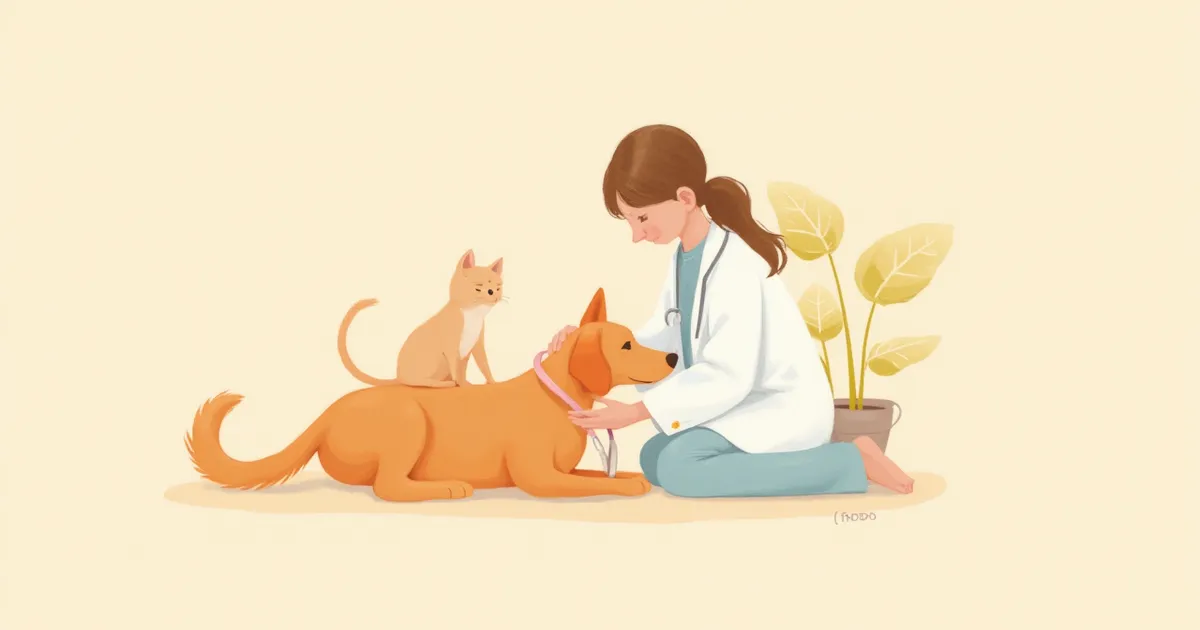
An elderly cat quietly undergoing a check-up by a veterinarian, with a clean examination room in the background.

Reviewed by a veterinarian

Dr. Tony — Punnawat Phongkittirak

Dr. Tony — Punnawat Phongkittirak

Veterinarian

A veterinarian who majored in veterinary medicine at Khon Kaen University, Thailand, and completed the IVSA program at North Carolina State University in the United States. Drawing on clinical experience at animal hospitals, he works in the pet healthcare field and is dedicated to building a digital care environment that connects pet parents with veterinarians.

Frequently Asked Questions

Is feline thyroid cancer treatable?
Yes, radioactive iodine therapy and surgery have high cure rates (over 95% for radioactive iodine and over 90% for bilateral thyroidectomy). Medication is used to manage symptoms by regulating hormones, and with proper treatment, your pet can live comfortably.
Can cancer develop while taking methimazole?
Long-term use for more than four years may slightly increase the risk of thyroid cancer. However, the benefits of treatment far outweigh this risk, and your veterinarian will monitor your pet regularly.
Why isn’t iodine-restricted food effective?
Iodine-restricted diets can help suppress hormone production, but they rarely lead to a complete cure and only work if your cat eats them consistently (with a response rate of over 82%). These diets should always be used alongside the treatment plan recommended by your veterinarian.
My cat has thyroid cancer. Is it okay for them to go for walks?
It is more important to reduce stress by keeping your pet in a calm, stable environment than to take them for walks. Your veterinarian will determine the appropriate level of activity, as excessive exercise can place undue strain on the heart.
Is feline thyroid cancer contagious to other cats?
No, feline thyroid disease is not contagious. In fact, purebred cats such as Siamese and Himalayans are reported to have a lower risk of developing the condition, and it is not directly transmitted from one cat to another.

Share

Related Guides

References

[1] Peterson ME, Kintzer PP, Hurvitz AI. Methimazole treatment of 262 cats with hyperthyroidism. J Vet Intern Med. 1988;2:150.

[2] Fox P, Peterson M, Broussard J. Electrocardiographic and radiographic changes in cats with hyperthyroidism. J Am Anim Hosp Assoc. 1998;35:27.

[3] Mosca A, Bresciani L. Life-threatening haematological complication occurring in a cat after chronic carbimazole administration. JFMS Open Reports. 2016;2(2):2055116916668198.

This information is based on veterinary literature and does not replace diagnosis or treatment. Please consult a veterinarian for specific health concerns.

Metapet Co., Ltd. | CEO: Park Sung-yong | Business Reg. No. 417-88-02562 | Seoul, South Korea | Customer Center

5 Common Questions About Feline Thyroid Cancer | Meongsiljang