Like
Share
멍실장
고양이 성호르몬 관련 피부 질환 자주 묻는 질문 Q&A — 보호자가 꼭 알아야 할 핵심

Feline Sex Hormone-Related Skin Conditions FAQ — Key Information for Pet Owners

EndocrineQ&AMeongsiljang Veterinary Advisory Board

Feline skin conditions linked to sex hormones arise from hormonal imbalances that trigger skin reactions, and they typically manifest according to a cat’s specific reproductive cycle or sex. Here’s a summary of the key information pet owners should know.

What Are Feline Sex Hormone-Related Skin Conditions?

A cat showing mild skin rash and hair loss.
Itching, inflammation, and hair loss are common skin issues in cats that can stem from a variety of causes. While these symptoms are often grouped under “hormone-related skin diseases,” veterinary textbooks do not provide clear evidence that hormonal imbalance alone is the sole cause in cats. In reality, the most common skin conditions in cats include bite wounds and abscesses, external parasite infestations, fungal (dermatophyte) infections, and allergies such as those triggered by fleas, food, or atopy. - Multiple Causes: Itching and hair loss may result from overlapping factors rather than a single hormonal issue. - Skin Reactions: The location of itching, rashes, redness, or scabs varies depending on the cause, commonly affecting areas around the eyes, head, neck, ears, body, and abdomen. - Self-Trauma: Repeated licking or scratching can lead to wounds and increase the risk of secondary bacterial or fungal infections. - Importance of Systemic Evaluation: Early diagnosis and management are crucial to identify any underlying conditions.

What Are the Main Causes of This Condition?
The most common mechanism behind itching and hair loss in cats is self-inflicted damage caused by pruritus (itching). Textbooks cite allergies and external parasites as the leading causes. - Allergies and parasites: Flea allergy, food allergy, atopic dermatitis, and external parasites such as mites are typical culprits. - Infectious causes: Dermatophyte (fungal) infections, superficial bacterial pyoderma, and Malassezia dermatitis can also trigger itching and hair loss. - Endocrine causes: Endocrine disorders causing hair loss in cats are rare and are primarily associated with spontaneous or iatrogenic hyperadrenocorticism (excessive steroid exposure). - The vicious cycle of self-trauma: Once itching begins, the resulting licking and scratching can intensify the itch, creating a vicious cycle that worsens skin disease. Multiple factors can interact in this way.
A diagram illustrating hormonal imbalances in cats

What Are the Main Symptoms?

The main symptoms of feline skin disease include itching (pruritus), hair loss, redness, and, if the condition becomes chronic, thickening of the skin (lichenification) and hyperpigmentation. Cats often repeatedly lick or scratch the itchy areas. - Itching: Severe itching can cause anxiety and disrupt rest or sleep. - Hair loss: Hair loss is mostly due to self-trauma from licking or scratching, and the affected areas vary depending on the underlying cause. - Skin changes: The condition may start with redness and abrasions, then progress to rashes (papules and pustules), crusts, and lichenification. - Distribution: Flea allergy tends to cause itching on the back and tail area, while Notoedres cati (feline scabies) mite infestations typically cause itching on the face. - Risk of infection: Once wounds develop, secondary bacterial or fungal infections can occur easily. Early detection and management are important.
A cat scratching its back with its hind leg

Signs Requiring Immediate Veterinary Visit

If your cat develops severe skin rashes, wounds, or signs of infection such as pus or a foul odor, please visit a veterinary clinic immediately. If your cat loses its appetite or shows a sudden drop in activity level, there may be an underlying medical condition, so don’t delay—seek a veterinary examination right away.

How Is an Accurate Diagnosis Made?
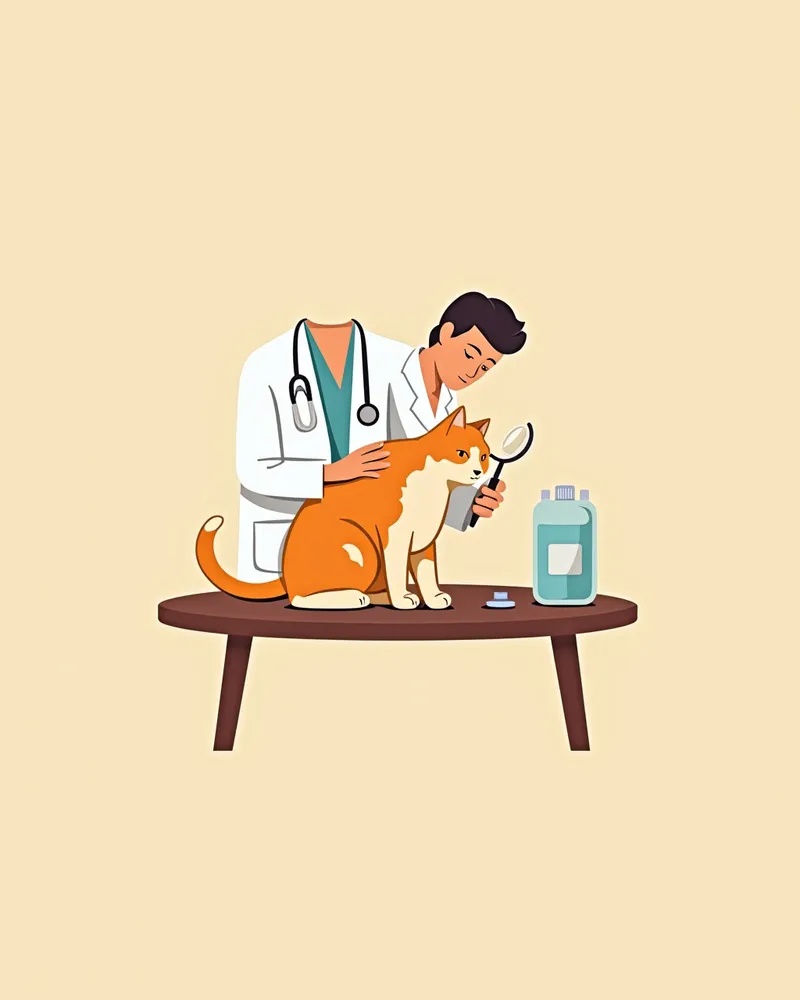
An accurate diagnosis is reached by combining a detailed dermatological history and clinical evaluation with several basic tests. - Clinical symptom assessment: We carefully observe the skin condition, the severity of itching, and the distribution of lesions. - Basic skin tests: We differentiate between parasites, bacteria, fungi, and allergies through flea combing, skin and ear cytology, skin scraping, and fungal culture. - Blood tests: A complete blood count and serum biochemistry screen for underlying systemic diseases, and if necessary, we perform hormone tests to check for Cushing’s disease. - Skin biopsy: Hair loss with unclear causes or rare conditions require confirmation through histopathological examination. - Differential diagnosis: Clearly distinguishing the condition from similar issues such as allergies, parasitic infections, and bacterial or fungal infections forms the foundation for effective treatment.
A veterinarian examining a cat's skin under magnification.

What Are the Treatment Methods?

Treatment aims to relieve itching and inflammation while identifying and addressing the underlying cause. - Addressing the root cause: It is most important to first treat any confirmed underlying causes, such as allergies, parasites, or infections. - Medication: If itching is severe, symptoms are managed with anti-inflammatory medications like glucocorticoids (steroids), which are gradually tapered off once the condition stabilizes. - Infection management: If secondary bacterial or fungal infections are present, appropriate treatment is administered concurrently. - Topical care: Medicated shampoos or topical agents that soothe dermatitis are used according to the pet’s condition. - Minimizing skin irritation: Harsh chemicals are avoided to protect the skin barrier. - Regular monitoring: Skin condition and response to treatment are closely observed throughout the course of therapy.
A veterinarian administering an injection to a cat

Home Care Tips

Proper care at home can enhance treatment outcomes and help prevent recurrence. - Skin protection: Avoid harsh detergents or perfumes, and gently wipe the skin with a soft cloth. - Environmental management: Keep the living space comfortable by avoiding excessive dryness or irritants. - Balanced nutrition: Consult your veterinarian to provide a balanced diet that supports skin health. - Regular check-ups: Even if symptoms improve, schedule regular veterinary visits to monitor for recurrence or underlying conditions. - Skin monitoring: Gently stroke your cat’s coat daily to check for hair loss, rashes, or wounds. - Stress management: Provide a quiet environment and maintain a consistent routine. All of these care practices contribute to your cat’s overall well-being.
A cat grooming itself on a clean mat

Neutering vs. Medication Treatment Comparison

ItemCorrecting the underlying causeSymptomatic (medication) treatment
Durability of effectLong-term once the cause is removedShort-term depending on symptoms
Treatment goalEliminate the underlying cause (allergies, parasites, infections, etc.)Relieve symptoms such as itching and inflammation
Possibility of side effectsVaries by cause-specific treatmentPossible side effects with long-term steroid use
Timing of applicationPrioritized when the cause is identifiedProvides immediate relief alongside cause identification/treatment

Finding and correcting the underlying cause is key, and medication is used as a supplementary means to control symptoms.

Reviewed by a veterinarian

Dr. Tony — Punnawat Phongkittirak

Dr. Tony — Punnawat Phongkittirak

Veterinarian

A veterinarian who majored in veterinary medicine at Khon Kaen University, Thailand, and completed the IVSA program at North Carolina State University in the United States. Drawing on clinical experience at animal hospitals, he works in the pet healthcare field and is dedicated to building a digital care environment that connects pet parents with veterinarians.

Frequently Asked Questions

Can skin conditions improve even without neutering?
Most feline skin conditions stem from allergies, parasites, or fungal and bacterial infections, so identifying and treating the underlying cause can lead to improvement regardless of whether the cat is neutered. Since there is no clear evidence in veterinary textbooks that hormonal imbalance alone causes these issues, an accurate diagnosis should always come first.
Are skin conditions related to sex hormones exclusive to cats?
Skin conditions linked to sex hormones are better recognized in dogs, whereas their role in cats remains unclear. Since allergies, parasites, and infections are far more common causes of itching and hair loss in cats, it’s best to rule out these factors first.
What should I do if my pet’s skin issues persist even after treatment?
If the symptoms persist, it’s important to reevaluate for other potential causes such as allergies, parasites, immune-mediated diseases, or infections. Consult your veterinarian about additional diagnostic tests, including skin scrapings, cytology, and fungal cultures.
How long should the medication treatment continue?
Medications like steroids should be tapered off gradually once symptoms stabilize. Abruptly stopping them can cause symptoms to flare up, so adjust the dosage under your veterinarian’s guidance.
Is there a way to prevent it?
Preventing external parasites like fleas, maintaining a balanced diet, regularly checking your pet’s skin, and keeping a healthy living environment can all help. If you notice any unusual symptoms, consulting with a veterinarian early is the best form of prevention.

Share

Related Guides

References

[1] Olivry T and Linder KE (2009) Dermatoses affecting desmoglein-1 and desmoglein-3 in cats: a review. Veterinary Dermatology, 20(3), 156-165.

[2] Hobi S, Linek M and Marignac G (2011) Clinical characteristics and causes of pruritus in cats: a multicentre study on feline hypersensitivity-associated dermatoses. Veterinary Dermatology, 22(5), 406-413.

[3] Malik R, Jacobs GJ and Love DN (2001) Cryptococcosis: new perspectives on etiology, pathogenesis, diagnosis, and clinical management. Veterinary Dermatology, 12(1), 1-12.

This information is based on veterinary literature and does not replace diagnosis or treatment. Please consult a veterinarian for specific health concerns.

Metapet Co., Ltd. | CEO: Park Sung-yong | Business Reg. No. 417-88-02562 | Seoul, South Korea | Customer Center

Feline Sex Hormone Skin Disease: 5 Frequently Asked Questions | Meongsiljang