Like
Share
멍실장
고양이 갑상선 결절·낭종 자주 묻는 질문 Q&A — 보호자가 꼭 알아야 할 핵심

If You Feel a Lump on Your Cat’s Thyroid — Differences Between Nodules and Cysts and How to Handle Them

EndocrineQ&AMeongsiljang Veterinary Advisory Board

Thyroid nodules and cysts in cats are common endocrine disorders, making early detection and management crucial. Here’s a summary of the key information every pet owner should know.

What Are Feline Thyroid Nodules and Cysts?
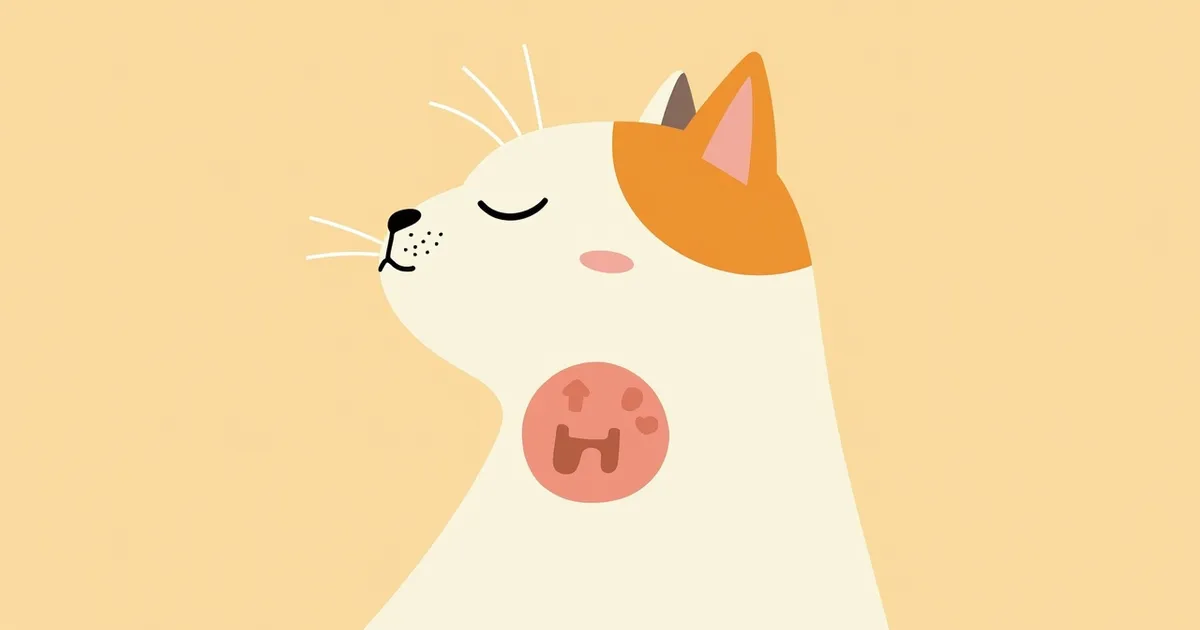
An anatomical illustration of a cat’s thyroid gland with nodules and cysts
Feline thyroid nodules are abnormal tissue masses that develop in the thyroid gland, and they are mostly benign. The most common cause of thyroid enlargement in cats is benign adenomatous hyperplasia, while malignant thyroid tumors are rare, accounting for only 1–3% of cases. - Nodules: These appear as firm masses caused by abnormal proliferation of thyroid tissue. It is more common for both thyroid lobes to enlarge simultaneously than just one. - Ectopic location: In some cats, functional thyroid tissue may be located in atypical sites, such as within the thoracic cavity. The risk increases with age, affecting approximately 10% of cats over 10 years old. Most cases show no obvious symptoms in the early stages, but increased hormone secretion can lead to a rapid heart rate or weight loss despite an increased appetite. Early detection is crucial, so regular check-ups are recommended.

Why Do Cats Develop Thyroid Nodules?

The main causes of thyroid nodules in cats are a combination of age, genetic predisposition, and environmental factors. They are especially common in cats over 10 years old. Excessive iodine intake or certain ingredients in cat food can affect hormone production. Most nodules are benign adenomatous changes, with malignant tumors accounting for only 1–3% of cases. However, prolonged hormone excess can strain the heart and lead to heart disease. Early diagnosis and management are key to improving survival rates.
An illustration symbolizing the effects of pet food and iodine on the thyroid gland.

5 Signs That May Suggest a Thyroid Nodule

The main signs that may suggest a thyroid nodule (hyperthyroidism) are as follows:
Weight loss: Weight loss is common, even if appetite increases (polyphagia).
Gastrointestinal symptoms: Vomiting or diarrhea may occur.
Excessive thirst and urination: Frequent drinking (polydipsia) and increased urine output (polyuria) can lead to changes in litter box habits.
Increased activity and restlessness: Signs may include excitement, hyperactivity, or nighttime vocalization.
Changes in coat condition: Reduced grooming can result in a rough-looking coat.
If these symptoms persist, please consult your veterinarian.
A cat showing signs suggestive of a thyroid nodule

When to Seek Immediate Veterinary Care

If your cat exhibits severe heart palpitations, difficulty breathing, or signs of shock, seek immediate veterinary care. These symptoms indicate that hyperthyroidism has progressed to a serious stage. Senior cats are especially at risk for complications. Early diagnosis and treatment significantly improve survival rates.

How Is It Diagnosed?
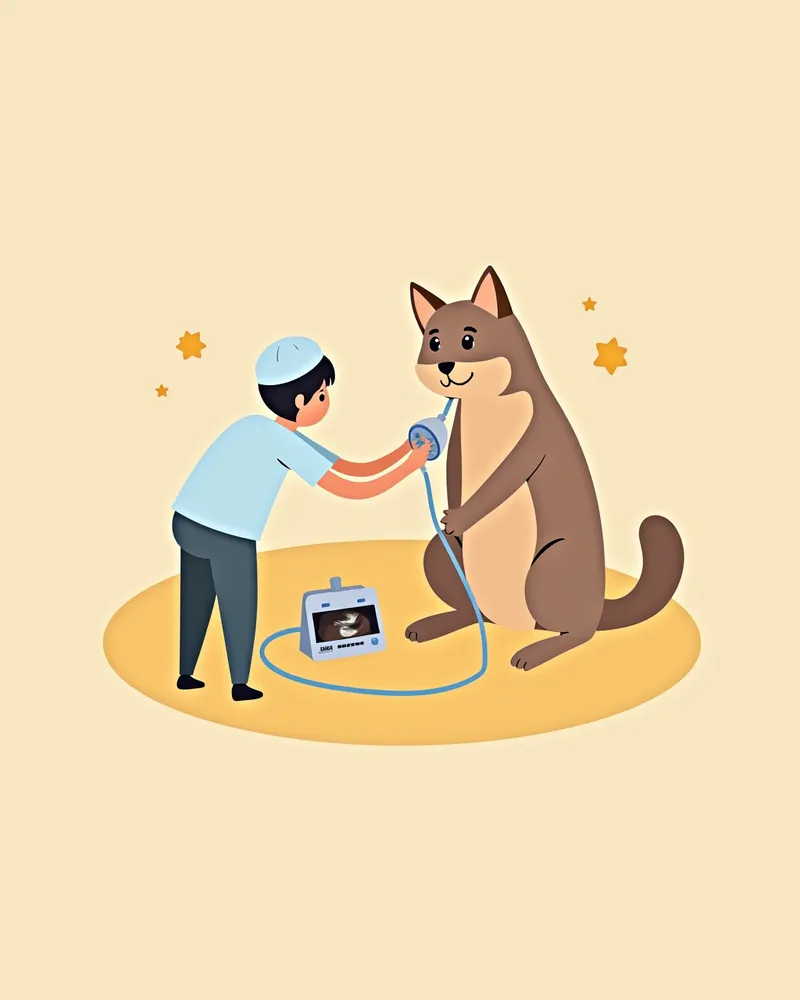
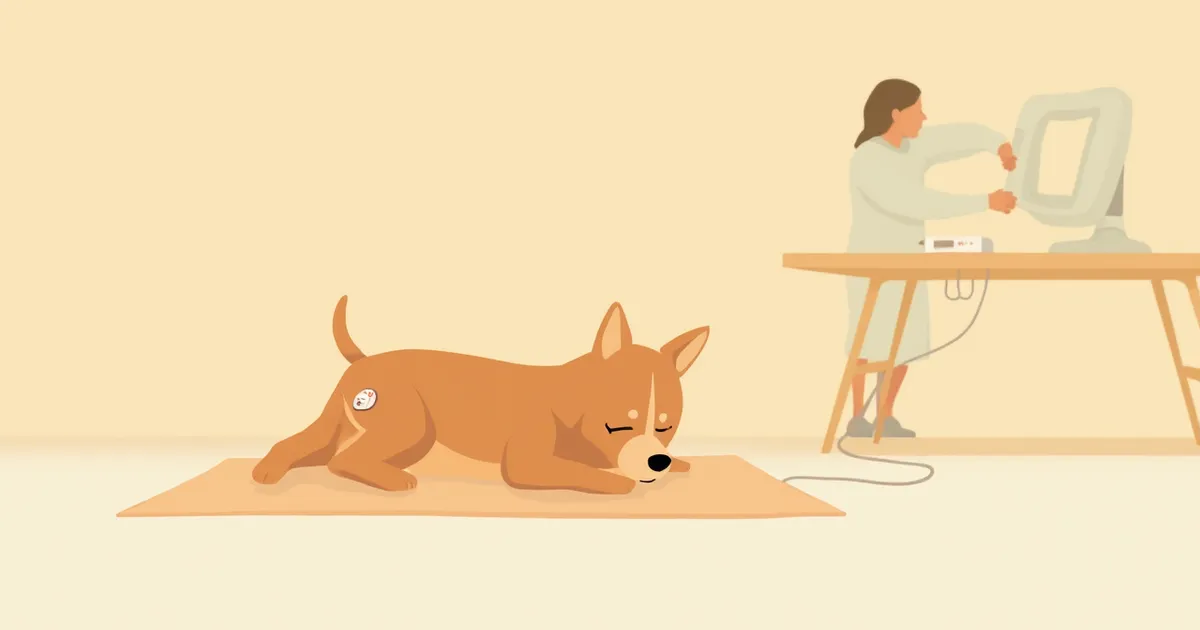
Thyroid nodules are primarily diagnosed through blood tests. - Blood tests: Total T4 (TT4) levels are measured to assess thyroid function. In approximately 90% of cats with hyperthyroidism, TT4 levels are elevated above the normal range. - Additional tests: If symptoms are suspected despite normal TT4 levels, retesting is recommended after about four weeks, or free T4 and thyroid-stimulating hormone (TSH) are evaluated together. If necessary, a thyroid scan (scintigraphy) is performed to confirm the location and function of the gland. - Physical examination: The veterinarian also checks for palpable thyroid nodules in the neck area. If confirmation of benign or malignant status is required, a tissue biopsy can be helpful. Veterinarians often combine multiple tests to ensure an accurate diagnosis, as early detection facilitates more effective management.
A veterinarian using an ultrasound on a cat's neck

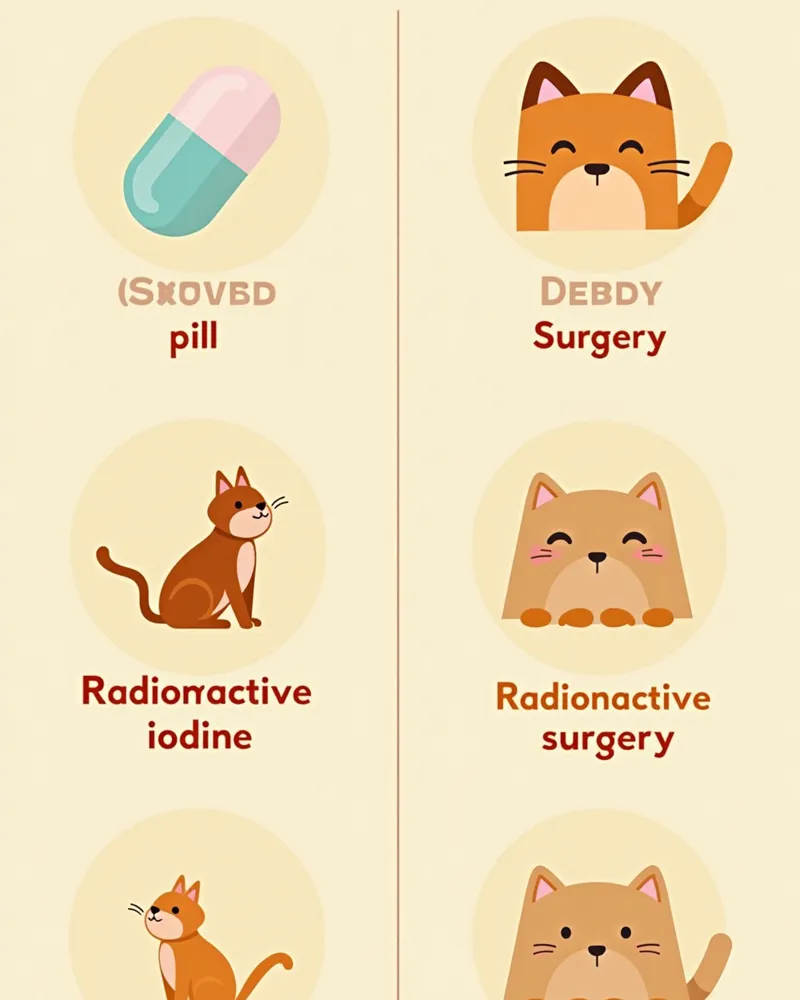
Comparison of 4 Treatment Options

Treatment for thyroid nodules varies depending on the patient’s condition.
Medication: Methimazole (Felimazole) is administered to suppress hormone production. Although the response rate exceeds 95%, long-term use may cause side effects, so regular blood tests are necessary for monitoring.
Radioactive Iodine Therapy: A single injection or capsule administration leads to a cure in approximately 95% of cases, with a low recurrence rate of about 5%, and is non-invasive.
Surgical Treatment (Thyroidectomy): This method involves removing the nodule and requires general anesthesia, followed by a recovery period.
Low-Iodine Diet: This therapeutic diet suppresses hormone production and should be fed consistently without mixing with other foods.
Each method has its own advantages and disadvantages, so please consult your veterinarian to decide on the best approach.
Comparison of Treatment Options for Feline Thyroid Nodules: An Illustrated Guide

Treatment Comparison Chart: Pros and Cons

ItemEfficacySide effectsCost
Methimazole administrationModerate–highBlood problems, vomiting, fatigueInexpensive
Radioactive iodine therapyHighVery lowModerate–high
Surgical treatmentHighGeneral anesthesia risk, recovery periodModerate
Low-iodine foodModerateDietary restriction requiredInexpensive

The choice of treatment depends on the cat's age, health condition, and home environment.

Tips for Home Care
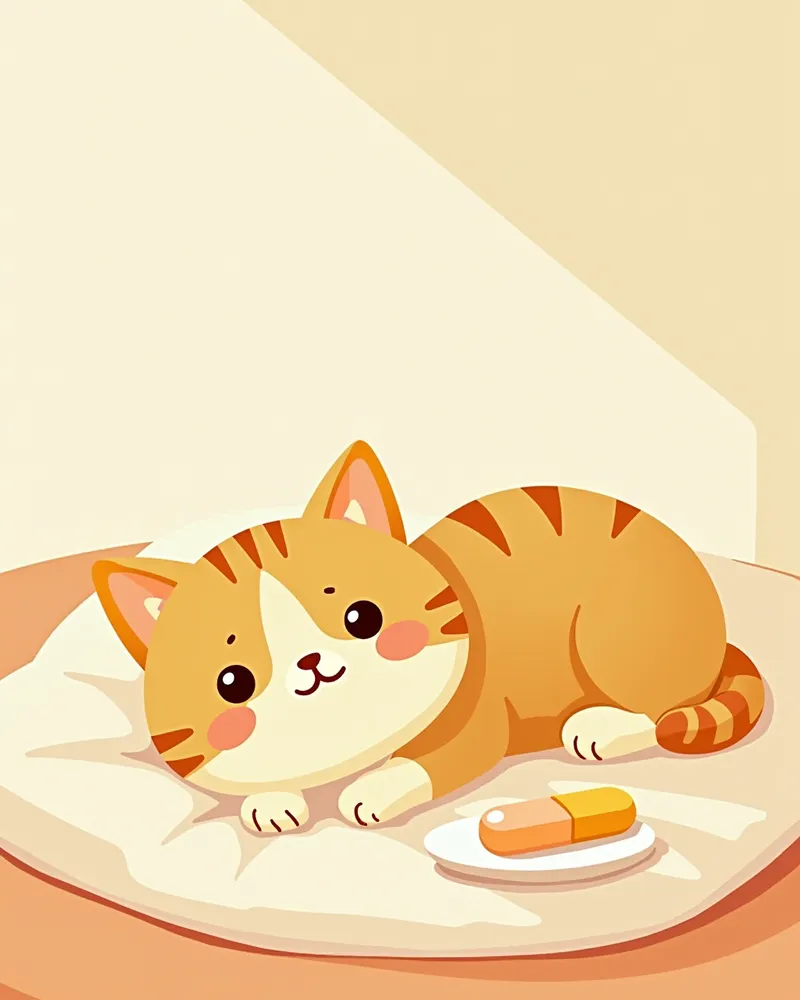
Here are some tips to help you care for your cat during treatment: Set a consistent medication schedule: Administer medication at the same time every day. Missing doses can reduce its effectiveness. Manage diet carefully: If your cat is on a low-iodine diet, do not mix it with other types of food. Schedule regular check-ups: Perform routine blood tests and weigh your cat regularly. Minimize stress: Maintain a quiet environment and avoid sudden changes. Monitor heart health: Closely observe for signs of a rapid heartbeat or difficulty breathing. These care practices significantly impact your cat’s recovery and prognosis.
A calm cat taking its medicine

Precautions to Keep in Mind

If your cat shows signs of fatigue, loss of appetite, or vomiting while taking methimazole, contact your veterinarian immediately, as these may be side effects of the medication. Also, be sure to inform your vet about any other medications your cat is taking, since drug interactions can occur. Since a cat’s condition can change rapidly, please monitor them closely.

Reviewed by a veterinarian

Dr. Tony — Punnawat Phongkittirak

Dr. Tony — Punnawat Phongkittirak

Veterinarian

A veterinarian who majored in veterinary medicine at Khon Kaen University, Thailand, and completed the IVSA program at North Carolina State University in the United States. Drawing on clinical experience at animal hospitals, he works in the pet healthcare field and is dedicated to building a digital care environment that connects pet parents with veterinarians.

Frequently Asked Questions

Can feline thyroid nodules be malignant?
Most are benign, but 1 to 3 percent may be malignant tumors. They can be differentiated through ultrasound and biopsy.
Does a small nodule still require treatment?
Even a small nodule can strain the heart if it becomes hormonally active, so regular check-ups are essential for proper management.
Is radioactive iodine therapy safe?
It is a non-invasive treatment with a high chance of complete recovery. Although there may be temporary radiation release after treatment, it is safe as long as you follow the isolation period.
How long should I feed my pet a low-iodine diet?
This medication needs to be given continuously throughout your pet’s life. If you stop it, hormone levels may rise again.
Does a growing nodule require surgery?
If the nodule is large or hormone secretion is severe, surgery may be considered. However, most cases are managed with medication or radioactive iodine therapy.

Share

Related Guides

References

[1] Peterson ME, Kintzer PP, Hurvitz AI. Methimazole treatment of 262 cats with hyperthyroidism. J Vet Intern Med. 1988;2:150.

[2] Fox P, Peterson M, Broussard J. Electrocardiographic and radiographic changes in cats with hyperthyroidism. J Am Anim Hosp Assoc. 1998;35:27.

[3] Textbook of Cardiovascular Medicine in Dogs and Cats. Feline Hyperthyroidism section. 2020.

This information is based on veterinary literature and does not replace diagnosis or treatment. Please consult a veterinarian for specific health concerns.

Metapet Co., Ltd. | CEO: Park Sung-yong | Business Reg. No. 417-88-02562 | Seoul, South Korea | Customer Center

Lump on Your Cat's Thyroid? Nodule vs. Cyst and What to Do | Meongsiljang