Like
Share
멍실장
강아지 눈물 과다·눈물 얼룩 자주 묻는 질문 Q&A — 보호자가 꼭 알아야 할 핵심

Why Is My Dog Producing So Much Tear? — Causes of Tear Stains and Management Methods

Eye HealthQ&AMeongsiljang Veterinary Advisory Board

Excessive tearing and tear stains in dogs can be more than just a cosmetic issue—they may signal an underlying health concern. Here’s a summary of the key causes and management strategies that every pet owner should know.

Excessive Tearing and Tear Stains in Dogs Are Eye Health Signals That Vary Depending on the Owner and Environment.
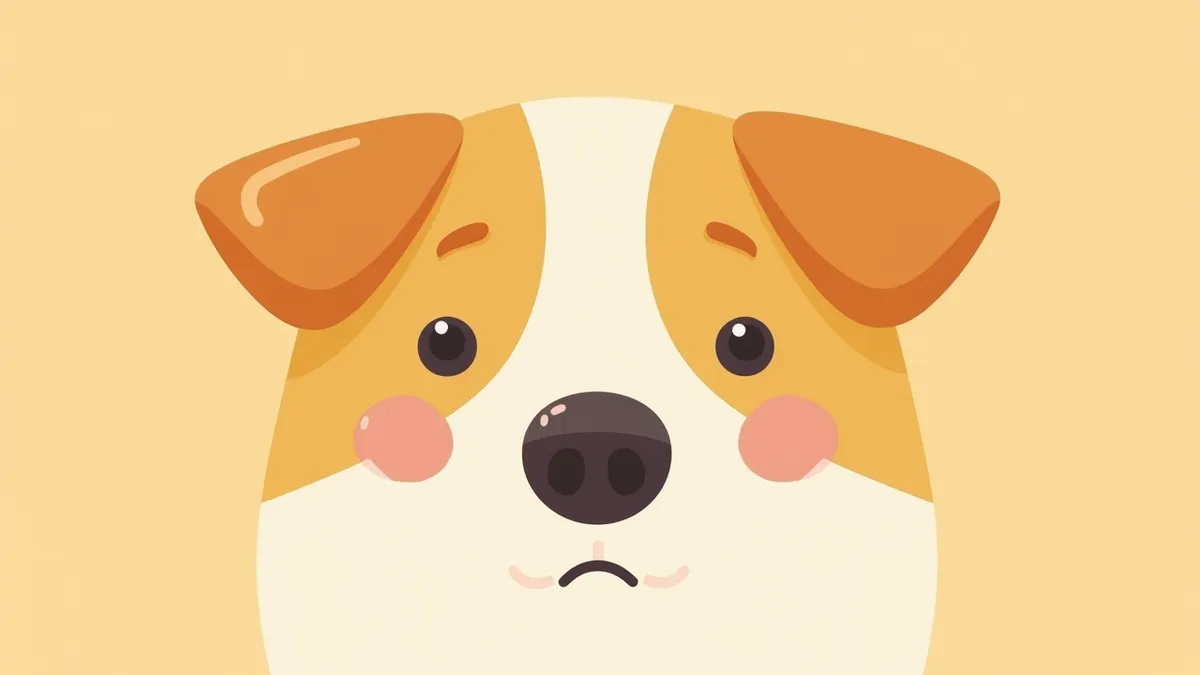
A close-up shot of a dog’s face with tear stains.
Excessive tearing and tear stains in dogs are more than just cosmetic concerns—they can be important indicators of eye health. Dogs with long coats or unique facial structures around the eyes are especially prone to tear accumulation and staining. While this issue may sometimes result from temporary irritation, chronic cases require veterinary evaluation. It’s helpful for pet owners to keep track of the frequency, color, and amount of tearing, as this information can greatly assist in diagnosis.

The Main Causes of Excessive Tearing Include Eye Structure, Infection, Allergies, and Dietary Factors.
There are many possible causes of excessive tearing in dogs. Abnormalities in the structures around the eye can irritate the surface and increase tear production. For example, entropion, where the eyelid rolls inward, or conditions like trichiasis, distichiasis, and ectopic cilia, where eyelashes or extra hairs touch the eye, can all cause irritation and lead to excessive tearing. Infections and inflammation, such as conjunctivitis or eyelid inflammation, can also result in excessive tearing, and allergic conjunctivitis associated with atopy is a common cause. Additionally, if the nasolacrymal ducts (the tear drainage system) become blocked or narrowed, tears cannot drain properly into the nose. This causes tears to overflow, pool around the eyes, and leave stains. Because there are so many potential causes, a veterinarian must examine your dog to determine the exact underlying issue.
A medical illustration showing the structure of a dog's eye

You Must Accurately Identify the Main Signs of Excessive Tearing and Staining.
It’s important to accurately identify the signs of excessive tearing in your dog. Check whether the tears are clear or if they contain mucus or blood. Also look for wetness or staining on the fur around the eyes. Pay close attention to whether your dog frequently rubs its eyes or keeps them closed. If tearing persists, the skin around the eyes may develop rashes or inflammation, so early intervention is necessary. Keeping a record of these signs will be very helpful during consultations with your veterinarian.
Close-up of a dog’s eyes with tear stains and a surrounding rash

If Tears Are Constant or the Eyes Are Red and Swollen, Immediate Veterinary Visit Is Necessary.

If your pet’s eyes are constantly tearing, appear red and swollen, or if they frequently squint and blink (eyelid spasms), seek veterinary care immediately. These signs may indicate ocular conditions such as corneal injury, corneal ulcers, conjunctivitis, or eyelid inflammation. If the discharge turns yellow or green or becomes mucopurulent, an infection is likely, requiring prompt treatment. Without timely intervention, these issues can progress to chronic conjunctivitis or corneal ulcers, potentially impairing vision. Therefore, it is crucial to avoid delay and seek early diagnosis if any of these symptoms appear.

Diagnosis of Excessive Tearing Involves Eye Exams, Tear Flow Tests, and Blood Tests.
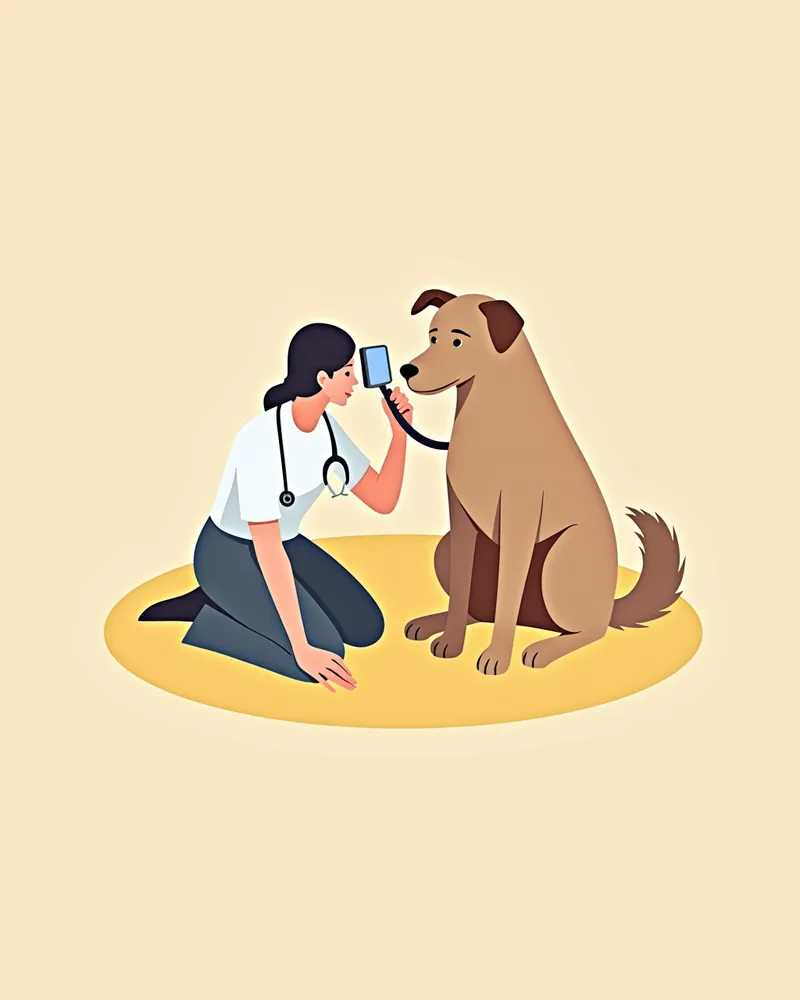
Diagnosing excessive tearing in dogs involves a series of tests. First, the veterinarian uses a focused light source to directly examine the anterior structures of the eye, including the eyelids, conjunctiva, cornea, and lens, while checking for eyelash abnormalities or eyelid rolling. The Schirmer tear test (STT), which measures tear production (normal range: approximately 15–20 mm/min), and the nasolacrimal duct patency test, which checks whether tears drain properly into the nasal cavity, may be performed together. Intraocular pressure measurement (normal range: approximately 15–25 mmHg) is also used to rule out other conditions such as glaucoma. The veterinarian then synthesizes these test results to determine the underlying cause of the tear accumulation.
A veterinarian examining a puppy's eyes

Treatment Methods Vary Depending on the Cause and Include Medication, Surgery, and Dietary Management.
Treatment for excessive tearing depends on the underlying cause. Structural abnormalities of the eyelids, such as entropion, trichiasis, or distichiasis, can be corrected surgically or by removing the problematic hairs through methods like cryo-epilation. If infection or inflammation is the cause, antibiotics or anti-inflammatory medications are prescribed, and artificial tears or lubricants may be used to protect the cornea. If allergic conjunctivitis is suspected, antihistamines or immunomodulatory therapy may be considered. Your veterinarian will accurately identify the cause and develop a tailored treatment plan.
A veterinarian administering eye drops to a puppy.

The Key to Home Management Is Maintaining Cleanliness Around the Eyes and Reducing Stress.
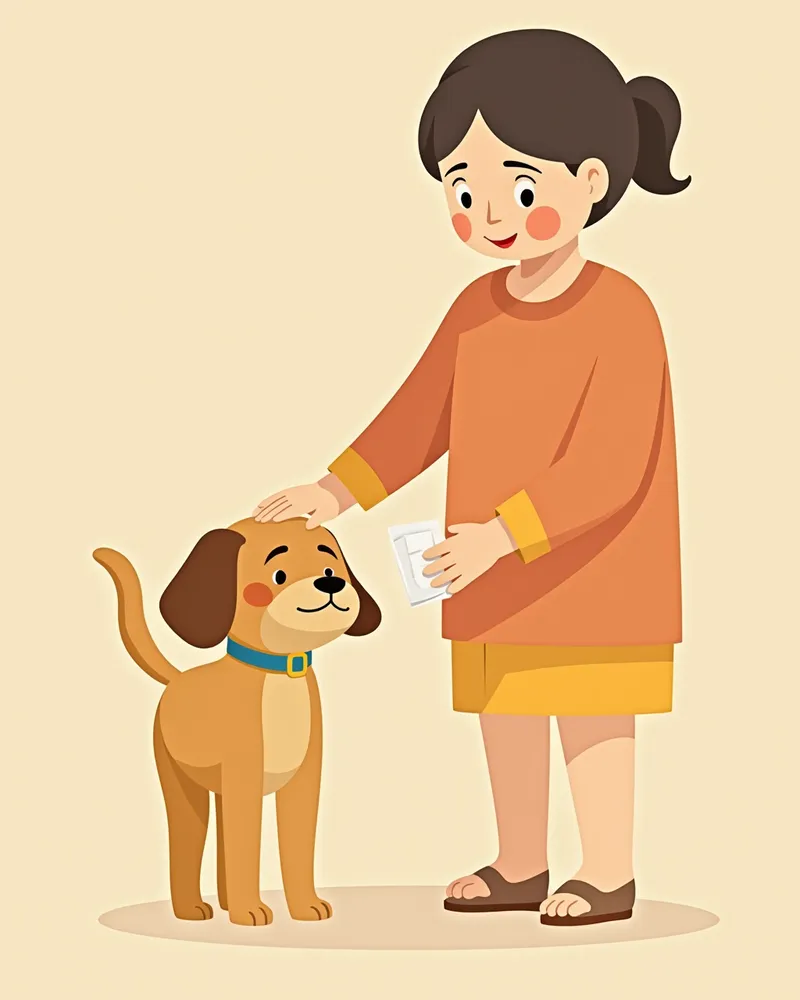
At home, the key to managing your dog’s eye health is keeping the area around their eyes clean and minimizing stress. Gently wipe around their eyes daily with a soft cloth or moistened gauze. It’s best to use a specialized tear stain remover rather than plain water. For long-haired breeds, regularly trimming the hair around the eyes is also important. Additionally, since stressful environments can worsen excessive tearing, provide a quiet space and maintain a consistent daily routine.
A caregiver gently wiping around their puppy’s eyes.

Comparison Table of Countermeasures for Causes of Excessive Tearing

ItemMain SymptomsManagementTreatment Prognosis
Structural Abnormality of Eyelid/EyelashesPersistent tearing, squinting/eyelid spasmsSurgical correction or cryoepilationHigh
Infection or InflammationRedness of the eye, purulent discharge, increased tearingAntibiotics/anti-inflammatory agents combined with lubricantsHigh
Allergic ConjunctivitisEye redness, itching, tearing, mucous dischargeAntihistamines, immunomodulatory therapyModerate
Nasolacrimal Duct Drainage ProblemTear overflow, staining around the eyesTreatment by cause after nasolacrimal duct patency testingVaries by cause

The treatment prognosis varies depending on the cause and whether it is diagnosed early. Consultation with a veterinarian is essential.

Reviewed by a veterinarian

Dr. Tony — Punnawat Phongkittirak

Dr. Tony — Punnawat Phongkittirak

Veterinarian

A veterinarian who majored in veterinary medicine at Khon Kaen University, Thailand, and completed the IVSA program at North Carolina State University in the United States. Drawing on clinical experience at animal hospitals, he works in the pet healthcare field and is dedicated to building a digital care environment that connects pet parents with veterinarians.

Frequently Asked Questions

Are tear stains just dirty fur?
No. Tear stains form when tears accumulate and spread along the fur, and they can be a sign of eye health issues beyond just cleanliness. They are especially noticeable in dogs with white or light-colored coats. If there's an underlying cause, a veterinary examination is necessary.
What kind of food is good for dogs with excessive tearing?
There is no clear evidence that specific pet foods cause excessive tearing or tear stains. Excessive tearing is usually related to structural abnormalities of the eyelids or eyelashes, infections, inflammation, allergies, or issues with tear drainage. Therefore, it is important to consult a veterinarian to identify the underlying cause before changing your pet’s diet. If an allergy is suspected, dietary adjustments can be made under veterinary guidance.
Is it safe to use tear stain remover every day?
It’s safe to use a dedicated tear stain cleaner daily. However, frequent use can irritate the skin, so it’s best to follow your veterinarian’s recommendations for safe usage.
Should I take my tearful dog for more frequent walks?
While walks can help reduce stress, they are not a direct cause of excessive tearing. In fact, overexertion can actually trigger stress, so it’s important to balance exercise with adequate rest.
Is it safe for a puppy with excessive tearing to play with other dogs?
Playing with other dogs can be stressful, so it’s best to proceed with caution when your dog is experiencing excessive tearing. It’s especially advisable to avoid situations that may cause tension or anxiety.

Share

Related Guides

References

[1] Gelatt KN et al. (2013). Veterinary Ophthalmology, 2nd ed. Wiley-Blackwell, Oxford, UK.

[2] Esson DW and Calvarese S (2022). Clinical Atlas of Canine and Feline Ophthalmic Disease, 2nd ed. John Wiley & Sons, Inc.

[3] Ny Y et al. (2006). Medial canthoplasty for epiphora in dogs: a retrospective study of 23 cases. Journal of the American Animal Hospital Association, 42(5), 435–439.

This information is based on veterinary literature and does not replace diagnosis or treatment. Please consult a veterinarian for specific health concerns.

Metapet Co., Ltd. | CEO: Park Sung-yong | Business Reg. No. 417-88-02562 | Seoul, South Korea | Customer Center

Why Dogs Tear So Much: Tear Stain Causes & Care Tips | Meongsiljang