
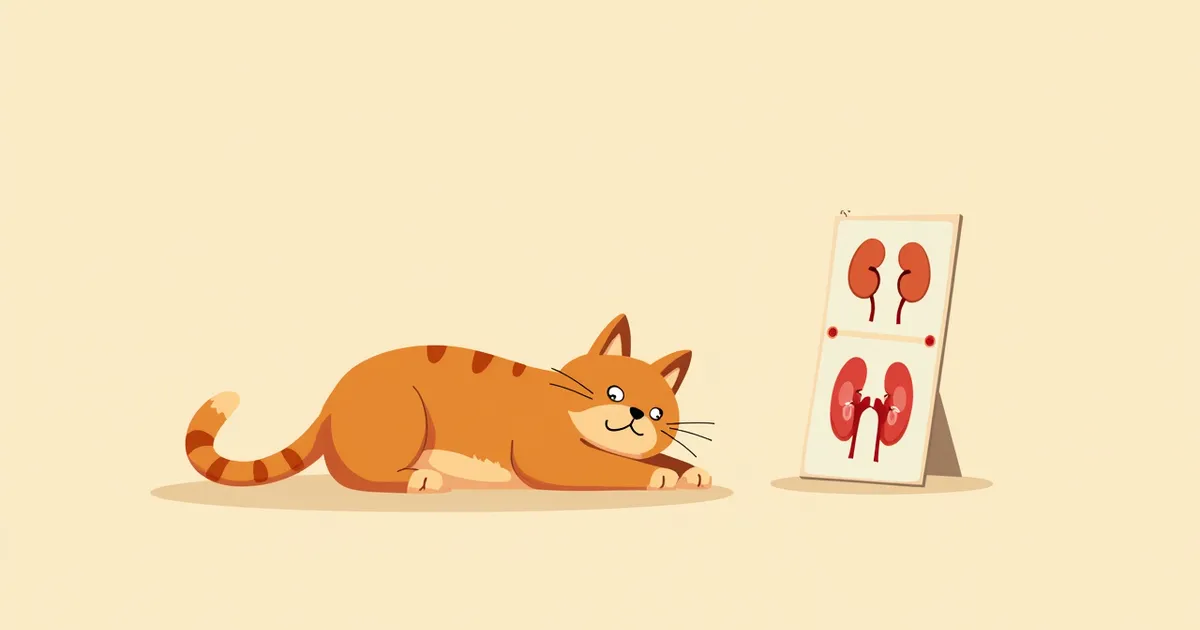
What is feline ureteral obstruction? — Why is it an emergency?
Feline ureteral obstruction is a life-threatening emergency in which stones block the ureter, making urination difficult. Early detection is crucial to saving your cat’s life. Here’s the essential information every pet owner should know.
What are feline ureteral stones and ureteral obstruction?
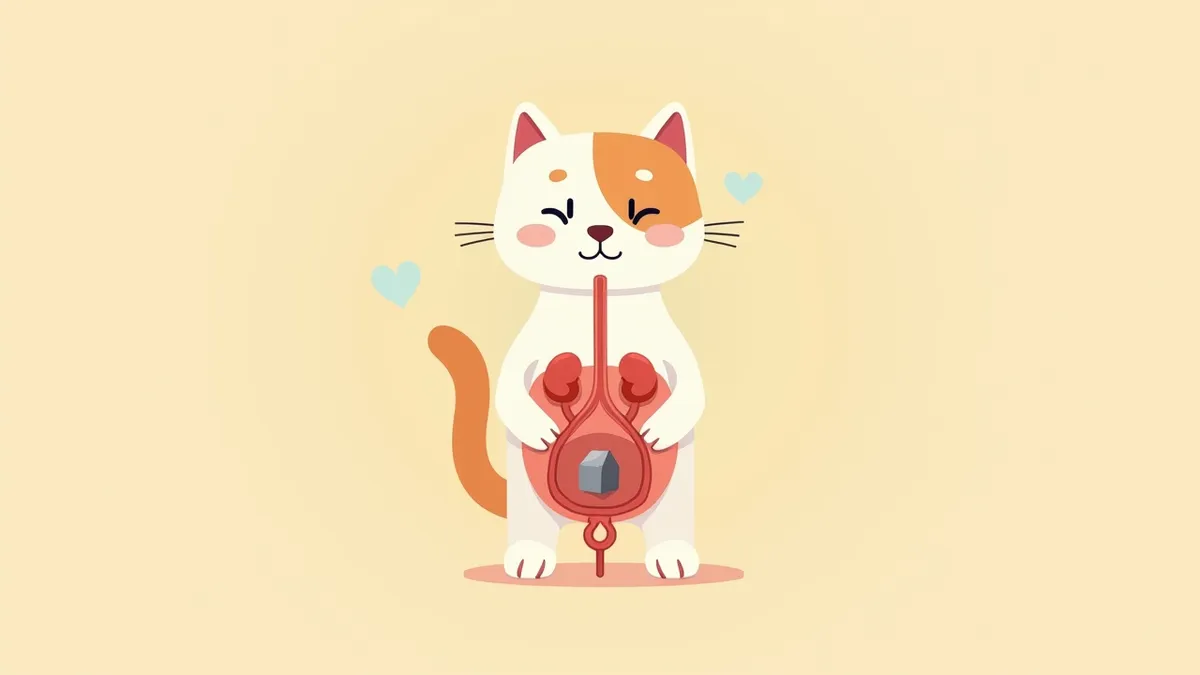
Why do feline ureteral stones form?

What are the main symptoms of ureteral obstruction?
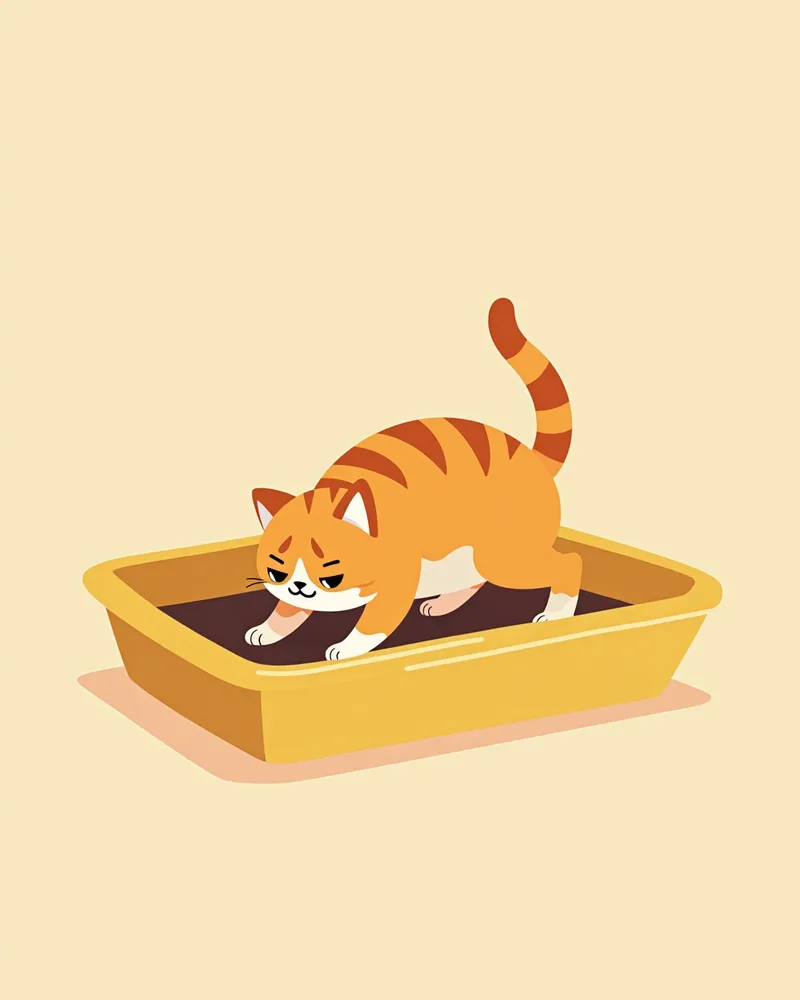
Emergency signs requiring immediate veterinary visit
If your cat is straining to urinate but no urine comes out, or if they show severe pain while trying to urinate, you should take them to the vet immediately. Prolonged urinary obstruction can lead to rapid progression of electrolyte imbalances, such as hyperkalemia, and kidney dysfunction, which can be life-threatening. Do not delay; seek emergency veterinary care as soon as possible.
How is diagnosis performed?

What are the treatment methods?

Home care management tips

Differences between male and female cats
Male cats are at a significantly higher risk of urethral obstruction caused by stones or urethral plugs because their urethra is narrower. It’s a common misconception that the ureter is narrow; in fact, it’s the urethra—the tube connecting the bladder to the outside of the body—that is narrow, not the ureter, which connects the kidneys to the bladder. While female cats can also develop stones, male cats are more prone to rapid progression to a life-threatening emergency due to urethral obstruction, so extra vigilance is essential.
Reviewed by a veterinarian

Dr. Tony — Punnawat Phongkittirak
VeterinarianA veterinarian who majored in veterinary medicine at Khon Kaen University, Thailand, and completed the IVSA program at North Carolina State University in the United States. Drawing on clinical experience at animal hospitals, he works in the pet healthcare field and is dedicated to building a digital care environment that connects pet parents with veterinarians.
Reviewed 2026-06-05
Frequently Asked Questions
Can ureteral obstruction be completely cured?
How can I tell if my pet isn’t urinating at home?
What kind of diet should I feed my pet to help prevent this condition?
How long does the recovery period last after surgery for ureteral obstruction?
Does a pet with bladder stones always need surgery?
Share
Related Guides

Top 5 Prescription Diets for Cats with Chronic Kidney Disease — Stage-Specific Protein Adjustment

7 Emergency Signs and Causes of Acute Kidney Failure in Dogs You Must Not Miss
Top 5 Cat Kidney Supplements Recommended for 2026

How Old Is Your Cat in Human Years? — A Complete Guide to Age Conversion by Life Stage

Calculating Your Dog’s Age (Conversion to Human Years)

Causes and Management of Feline Aggression — Why the Sudden Biting and Scratching?

My Cat Keeps Licking — Is This Normal? Causes and Solutions for Excessive Grooming

Causes of Nighttime Vocalization in Cats and How to Address Them
Dog Resource Guarding: Causes and Correction Methods
How to Manage Thunderstorm Phobia in Dogs?
References
[1] The Cat, Clinical Medicine and Management, 2nd Edition, 2020
[2] Specht AJ, Kruger JM, Fitzgerlad SD, et al. Light microscopic features of chronic feline idiopathic cystitis. J Vet Intern Med. 2003;17(3):436.
[3] Adams LG, Williams Jr. JC, McAteer JA, et al. In vitro evaluation of canine and feline calcium oxalate urolith fragility via shock wave lithotripsy. Am J Vet Res. 2005;66(9):1651–1654.