
Like
Share
멍실장
강아지 호흡수 모니터링 방법 자주 묻는 질문 Q&A — 보호자가 꼭 알아야 할 핵심

Dog Respiratory Rate Monitoring Methods FAQ — Key Essentials for Pet Owners

RespiratoryQ&AMeongsiljang Veterinary Advisory Board

Your dog’s respiratory rate is a key indicator of their overall health. Knowing the normal range and how to measure it can help you spot early warning signs of potential issues.

Why is monitoring your dog’s respiratory rate important?

The sight of your puppy sleeping peacefully on the bed, with its chest gently rising and falling.
Your dog’s respiratory rate is one of the most reliable indicators of their overall health. Deviations from the normal range can signal early signs of lung or heart disease, making early detection crucial. The key is to measure the rate accurately over one minute while your dog is at rest. Observing this daily at a consistent time allows you to quickly spot any changes. If you notice a sudden increase in breathing rate or signs of labored breathing, seek veterinary care immediately. Your consistent monitoring is the first step in safeguarding your dog’s health.

What is a dog’s normal respiratory rate?

A dog’s normal respiratory rate at rest is generally considered to be 10 to 30 breaths per minute, a range also cited in veterinary references. However, this figure can vary depending on factors such as breed, age, weight, and activity level. The true normal range should be determined based on each individual dog’s baseline health status, and it is more important to monitor long-term trends than to diagnose illness based solely on a single reading. For accurate measurement, ensure your dog is calm and relaxed in a quiet, stress-free environment before counting. Knowing the normal range helps you detect subtle changes in your dog’s breathing during daily life.
A close-up shot of a puppy with a 60-second timer on its chest.

What is the accurate method for measuring respiratory rate?

To accurately measure your dog’s respiratory rate, observe them for one full minute while they are at rest. It’s important to avoid measuring right after exercise or immediately following a meal, as these activities can temporarily increase breathing rate. Count each breath by noting the moment air is exhaled, watching for the rise and fall of the chest or abdomen. Record the total number of breaths in that minute to help determine whether the rate is within normal limits. For the most reliable results, ensure the environment is quiet and comfortable. Measuring under consistent conditions each time allows you to more accurately track any changes over time.
A hand gently placed on a puppy’s side, feeling the rise and fall of its chest.

If the respiratory rate is fast, what should the owner do first?

If your dog’s respiratory rate exceeds 30 breaths per minute, it’s advisable to proceed with caution. Veterinary references define the normal respiratory rate for dogs as 10 to 30 breaths per minute; therefore, rates above this range warrant close observation. However, this is not an absolute threshold—the key factor is any change compared to your dog’s baseline condition. First, check whether your dog is anxious or stressed. Place them in a quiet environment in a comfortable position, and recheck their breathing after five minutes. If the rate remains elevated, consider visiting the clinic. If you observe difficulty breathing, bluish discoloration of the mouth, or coughing, seek emergency veterinary care immediately. Delaying treatment can worsen the condition, so prompt assessment is crucial.
A puppy panting slightly with its mouth open.

Status Comparison Chart by Respiratory Rate Criteria

ItemNormalBorderlineSevere
Respiratory rate (per minute)10–30 breaths31–40 breaths41 breaths or more
StatusNormalCaution neededVisit hospital immediately
Additional signsNormal chest movementPanting, anxietyMouth turning blue, coughing, collapse

Respiratory rate must be measured during rest to be accurate. Veterinary references present the normal respiratory rate for dogs as 10–30 breaths per minute, and the specific figures for the borderline and severe ranges are a reference guide, not absolute standards. Even if a value falls outside the normal range, it may be a change due to temporary factors, so repeated measurement and recording, and comparison with the individual's baseline values, are important.

Signs requiring immediate veterinary visit

If your dog’s respiratory rate exceeds 40 breaths per minute, or if you notice blue-tinged mouth, severe coughing, or collapse, seek veterinary care immediately. These signs may indicate serious emergencies such as pulmonary edema, heart disease, or airway obstruction. In dogs, dyspnea (difficulty breathing) is considered a true emergency that can deteriorate rapidly and become life-threatening. Prompt intervention is crucial, especially when hypoxia or respiratory failure is suspected, as it can be lifesaving. The longer you wait, the greater the risk, so quick assessment and action are essential.

Practical tips for respiratory rate monitoring
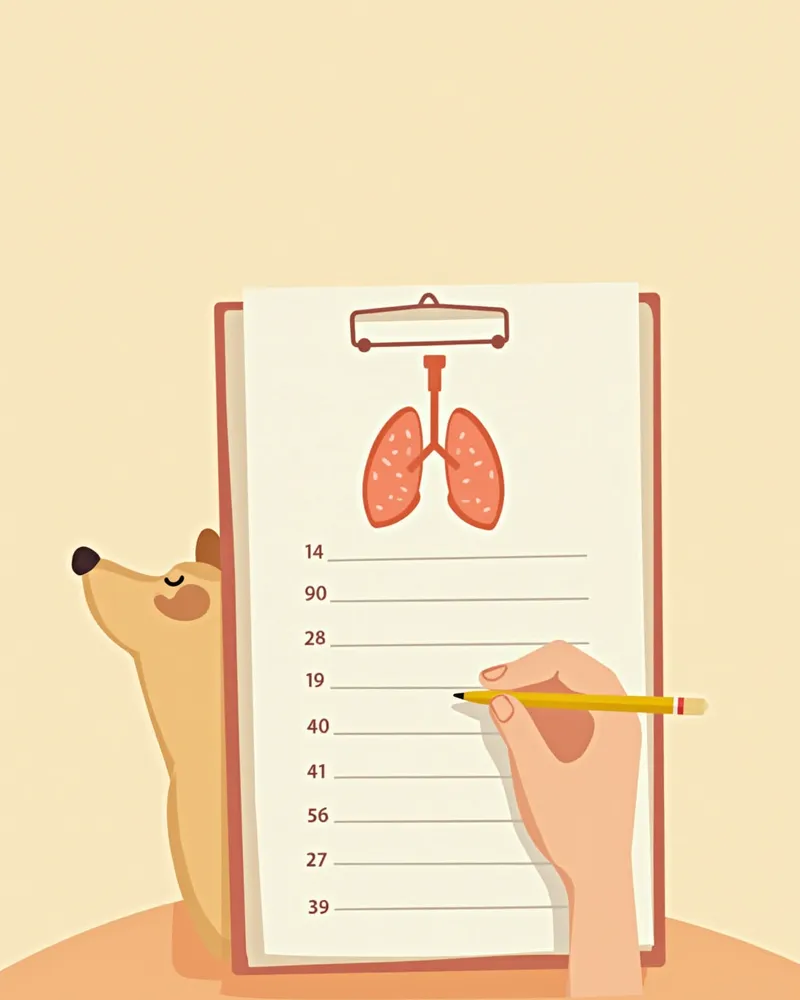
Make it a habit to regularly record your dog’s respiratory rate. Keeping a daily log makes it easy to spot changes. This is especially important for senior dogs or those with underlying health conditions, so daily checks are recommended. To minimize stress, take measurements in a quiet environment. Avoid exercise and feeding before measuring, and allow your dog to rest for at least 10 minutes beforehand. Analyzing long-term trends in your records can be invaluable for early disease detection. However, rather than relying solely on the normal range (10–30 breaths per minute), the key is comparing readings to your dog’s individual baseline.
A notebook and pen for recording your puppy’s daily respiratory rate

Key benefits of respiratory rate monitoring
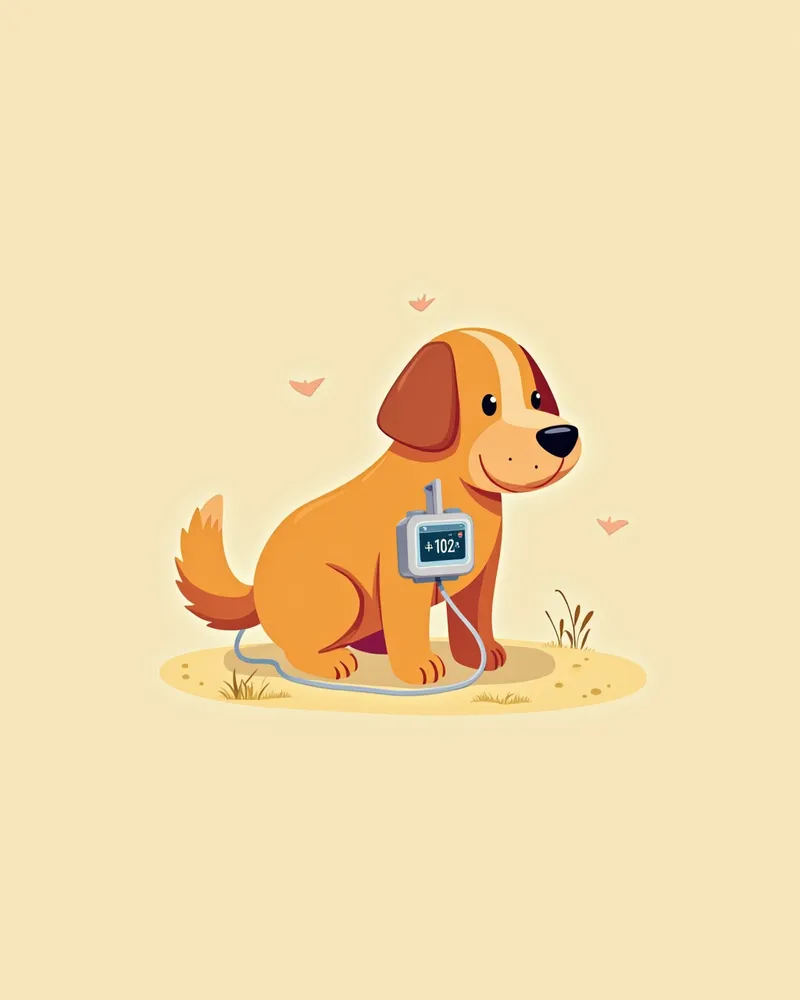
Regular monitoring of your dog’s respiratory rate is key to early disease detection. Conditions such as pneumonia, heart disease, and airway disorders often first manifest as changes in breathing rate, allowing for timely intervention. During treatment, tracking respiratory rate helps assess therapeutic effectiveness. Your attentive observation is the first step in proactive health care. Knowing the normal range enables you to quickly recognize abnormal signs, and consistent record-keeping greatly facilitates communication with your veterinarian. This is one of the most fundamental practices for maintaining your dog’s health.
A digital monitor displaying a stable respiratory rate next to the puppy

Reviewed by a veterinarian

Dr. Tony — Punnawat Phongkittirak

Dr. Tony — Punnawat Phongkittirak

Veterinarian

A veterinarian who majored in veterinary medicine at Khon Kaen University, Thailand, and completed the IVSA program at North Carolina State University in the United States. Drawing on clinical experience at animal hospitals, he works in the pet healthcare field and is dedicated to building a digital care environment that connects pet parents with veterinarians.

Frequently Asked Questions

When measuring a puppy’s respiratory rate, should panting be included?
No, panting is different from normal breathing. Since panting is primarily a behavior used to regulate body temperature, it should be excluded when measuring the normal respiratory rate; instead, count only the rise and fall of the chest for an accurate reading.
Is it okay to measure my dog’s respiratory rate while they’re sleeping?
While it is possible to take measurements while your pet is asleep, we recommend doing so during a period of rest—when they are calm and stable, even if awake—to ensure consistent results. Breathing patterns can become irregular during sleep, so multiple measurements may be necessary to get an accurate reading.
My pet’s respiratory rate is 35 breaths per minute, and I’m worried. Should I take them to the vet?
In veterinary medicine, a dog’s normal respiratory rate is considered to be 10–30 breaths per minute, so 35 breaths per minute is slightly above the normal range. Please recheck the rate after a short while, and if it remains elevated or is accompanied by other signs such as restlessness or panting, it’s best to have your dog examined at a veterinary clinic. It’s important to compare the current reading with your dog’s usual baseline.
Do small dogs and large dogs have different respiratory rates?
While heart rate can vary depending on a dog's size, the normal respiratory rate for dogs is generally consistent across breeds, ranging from 10 to 30 breaths per minute. However, if you notice any persistent changes, it's important to consult with a veterinarian.
Do I need any special tools to monitor my pet’s respiratory rate?
No, you don’t need any special tools. A clock or a smartphone timer is sufficient. Simply count the chest or abdominal movements for one minute, and accurate recording is important. The key is to identify trends in changes through repeated measurements.

Share

Related Guides

References

[1] Advanced Monitoring for Small Animal Emergency and Critical Care, 2nd Ed, 2023

[2] Lumb, A.B. (2017). Oxygen. In: Nunn’s Applied Respiratory Physiology, 8e, Elsevier, pp. 169–202.

[3] Pierce, L.N.B. (2007). Practical physiology of the pulmonary system. In: Management of the Mechanically Ventilated Patient, 2e, St. Louis: Elsevier, pp. 26–60.

This information is based on veterinary literature and does not replace diagnosis or treatment. Please consult a veterinarian for specific health concerns.

Metapet Co., Ltd. | CEO: Park Sung-yong | Business Reg. No. 417-88-02562 | Seoul, South Korea | Customer Center

Dog Respiratory Rate Monitoring FAQ: What Owners Must Know | Meongsiljang