
Like
Share
멍실장
강아지 신장 식이 처방 사료 자주 묻는 질문 Q&A — 보호자가 꼭 알아야 할 핵심

Should You Feed Prescription Renal Diets to Dogs? — Effects and Feeding Guidelines

KidneyQ&AMeongsiljang Veterinary Advisory Board

We’ve compiled key questions and answers about prescription diets essential for managing kidney disease in dogs, so pet owners can make informed choices. The right selection paves the way for a healthier life.

What Are Prescription Renal Diets for Dogs?

Prescription renal diets for dogs are specially formulated to provide precise nutritional support for dogs with compromised kidney function. - Reduced kidney workload: By carefully controlling both the quantity and quality of protein, these diets minimize the production of waste products that the kidneys must filter. - Controlled phosphorus levels: Since excessive phosphorus intake can accelerate kidney damage, these diets maintain phosphorus at appropriately reduced levels. - Enhanced hydration: These formulas either contain higher moisture content than standard dry food or are designed to encourage increased water consumption, helping to keep your dog well-hydrated. - Sodium management: Carefully regulated sodium levels help prevent high blood pressure and support the preservation of remaining kidney function. Please note that these diets are strictly prescription-only and must be purchased and administered under veterinary guidance.
A veterinarian handing a prescription renal diet food to a pet owner.

Why Are Prescription Renal Diets Necessary?
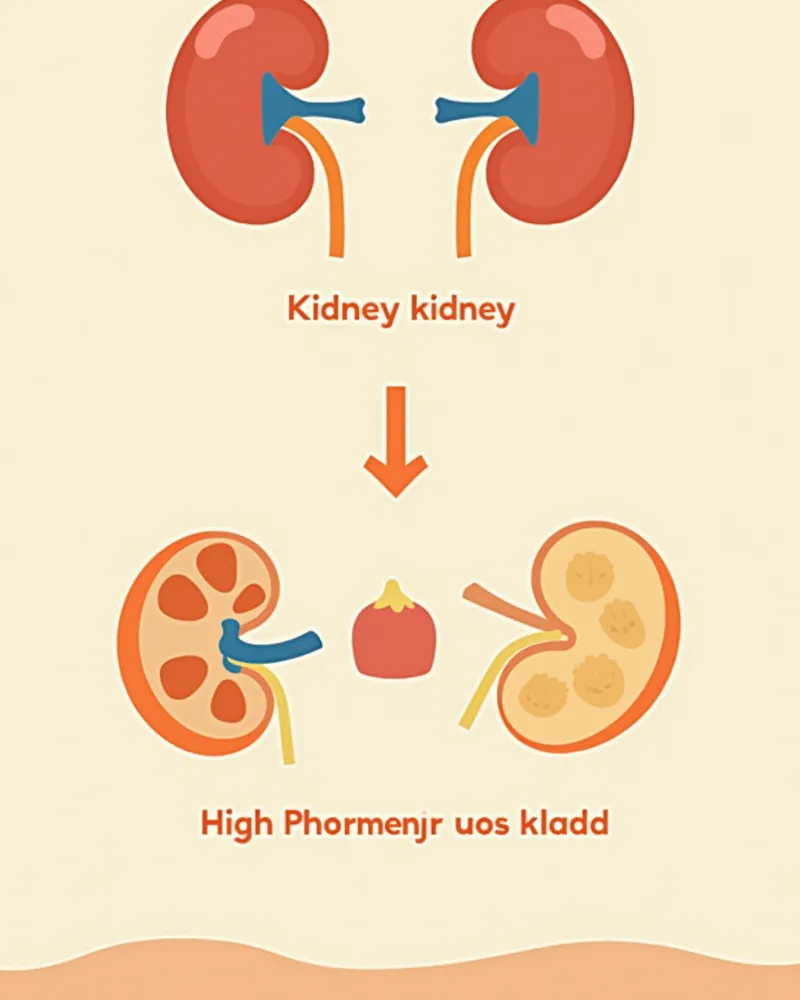
When kidney function declines, waste products cannot be properly eliminated from the body. - Problems with regular pet food: High levels of protein and phosphorus can place additional stress on the kidneys and worsen existing damage. - Benefits of prescription diets: These diets improve protein quality while appropriately reducing phosphorus and sodium content to lessen the burden on the kidneys. - Maintaining nutritional balance: They provide adequate essential nutrients while minimizing harmful components. - Slowing disease progression: Proper dietary management helps slow the rate of kidney function decline. - Veterinary recommendation is essential: Since each pet’s condition varies, professional guidance is necessary to select the most appropriate diet.
An infographic explaining the relationship between kidney function and phosphorus levels

What to Watch for When Transitioning to Prescription Diets

When switching to a prescription diet, it’s important to make the transition gradually over several days rather than all at once. - Step-by-step transition: Start by mixing mostly the old food with a small amount of the new food. - Gradual increase: If your dog adapts well, slowly increase the proportion of the new food over several days until you reach 100% new food. - Close observation: During the transition, carefully monitor changes in appetite, stool quality, and activity level. - Stop immediately if adverse reactions occur: If diarrhea, vomiting, or loss of appetite appears, stop the transition and consult your veterinarian. - Consider individual differences: Each dog may react differently, and some may refuse the new food, so avoid rushing the process and check whether it suits their taste.
The owner gradually transitioning to the prescribed diet

Comparison of Prescription Renal Diets by Type

ItemProteinPhosphorusCharacteristics
Royal Canin Renal SupportModerate restriction (high biological value)Low (restricted)Low sodium, high moisture (wet food recommended), omega-3 enriched
Purina Renal-OnlyModerate restriction (high biological value)Low (restricted)Primarily low phosphorus, omega-3 supplemented
Compared to Regular (Maintenance) FoodRelatively highHighPlaces a large burden on the kidneys, unsuitable for managing kidney disease

Since exact nutritional values vary by product, manufacturer, and stage of kidney disease, the veterinarian recommends a product suited to the dog's condition and IRIS stage. (High-protein recovery diets like a/d are not renal diets.)

Sudden Diet Changes Are Risky

Sudden changes in diet can cause digestive upset, such as loss of appetite or vomiting, in dogs with compromised kidney function. For safety, gradually transition to the new food by slowly mixing it with the old food over several days rather than switching all at once.

Signs to Watch for While on a Prescription Diet

If your pet experiences a loss of appetite, vomiting, or diarrhea while on a prescription diet, consult your veterinarian immediately. - Weight loss: Noticeable weight loss over a short period is a warning sign, so regularly monitor your pet’s weight, body condition, and muscle mass. - Changes in urination: Frequent urination, decreased urine volume, or darker urine color may indicate worsening kidney function. - Decreased activity: Lethargy or reduced movement may signal a decline in health. - Ingestion of foreign objects: If you see vomited objects or blood in the stool, seek veterinary care immediately. - Regular check-ups are essential: Even while on the prescription diet, regularly monitor your pet’s condition through blood and urine tests.
A puppy showing a decreased appetite

Frequently Asked Questions About Prescription Renal Diets for Dogs

There are several key points pet owners should know about prescription renal diets for dogs. Below are the most frequently asked questions and answers. A clear understanding is the first step toward proper care. How many days does it take to transition to the new food? It is safer to transition gradually over several days rather than switching all at once. How long should my dog stay on the prescription diet? Since diet is central to managing kidney disease, it should be fed long-term under your veterinarian’s guidance. Can I switch back to regular dog food? If your dog’s kidney function has not stabilized, do not change the diet on your own; always consult your veterinarian first. How should I adjust the portion size? Your veterinarian will recommend the appropriate amount based on your dog’s weight and condition. If my dog is overweight, can I just reduce the food? Weight management should be planned together with your veterinarian.
A pet owner learning more about prescription diets.

Choose Food Together with Your Veterinarian

The right diet for your dog depends on their kidney condition, weight, and medical history. Choosing a food on your own can lead to an unsuitable choice, so it’s essential to follow your veterinarian’s prescription.

Reviewed by a veterinarian

Dr. Tony — Punnawat Phongkittirak

Dr. Tony — Punnawat Phongkittirak

Veterinarian

A veterinarian who majored in veterinary medicine at Khon Kaen University, Thailand, and completed the IVSA program at North Carolina State University in the United States. Drawing on clinical experience at animal hospitals, he works in the pet healthcare field and is dedicated to building a digital care environment that connects pet parents with veterinarians.

Frequently Asked Questions

Why are prescription diets more expensive than regular pet food?
Prescription renal diets are formulated with specialized nutritional adjustments and premium ingredients, and require a veterinarian’s prescription. As a result, they tend to be more expensive.
Can I give treats while my pet is on a prescription diet?
Only allow treats that are veterinarian-recommended and kidney-friendly. Regular treats often contain high levels of phosphorus, which can put additional strain on the kidneys.
How should I ensure my pet gets enough water while on a prescription diet?
Dogs with kidney disease are prone to dehydration, so it’s important to keep their water bowls fresh and topped up frequently. Offering moisture-rich foods, such as wet canned food, can also help boost their fluid intake.
How often should my pet be checked while on a prescription diet?
Your veterinarian will schedule regular blood and urine tests to monitor kidney function. The frequency of these tests depends on the stage and severity of the kidney disease.
Can I give my pet other medications while they’re eating prescription food?
When taking this medication alongside other drugs, there may be interactions. Be sure to inform your veterinarian and confirm whether it’s safe to use.

Share

Related Guides

References

[1] Plumb's Veterinary Drug Handbook, 9th Ed. Wiley-Blackwell, 2022.

[2] Applied Veterinary Clinical Nutrition, 2nd Ed. Elsevier, 2021.

[3] Clinical Medicine of the Dog and Cat, 4th Ed. Elsevier, 2020.

This information is based on veterinary literature and does not replace diagnosis or treatment. Please consult a veterinarian for specific health concerns.

Metapet Co., Ltd. | CEO: Park Sung-yong | Business Reg. No. 417-88-02562 | Seoul, South Korea | Customer Center

Should You Feed Dogs Renal Diets? Effects & Feeding Guide | Meongsiljang