
Drugs and substances that damage your dog’s kidneys? — What is dangerous and how to avoid it
We’ve compiled frequently asked questions about medications and substances that can damage your dog’s kidneys. It’s important to understand these risks in advance so you can take appropriate precautions.
What are nephrotoxic drugs and substances in dogs?
Why are dogs more vulnerable to nephrotoxic substances?

5 frequently ingested nephrotoxic substances
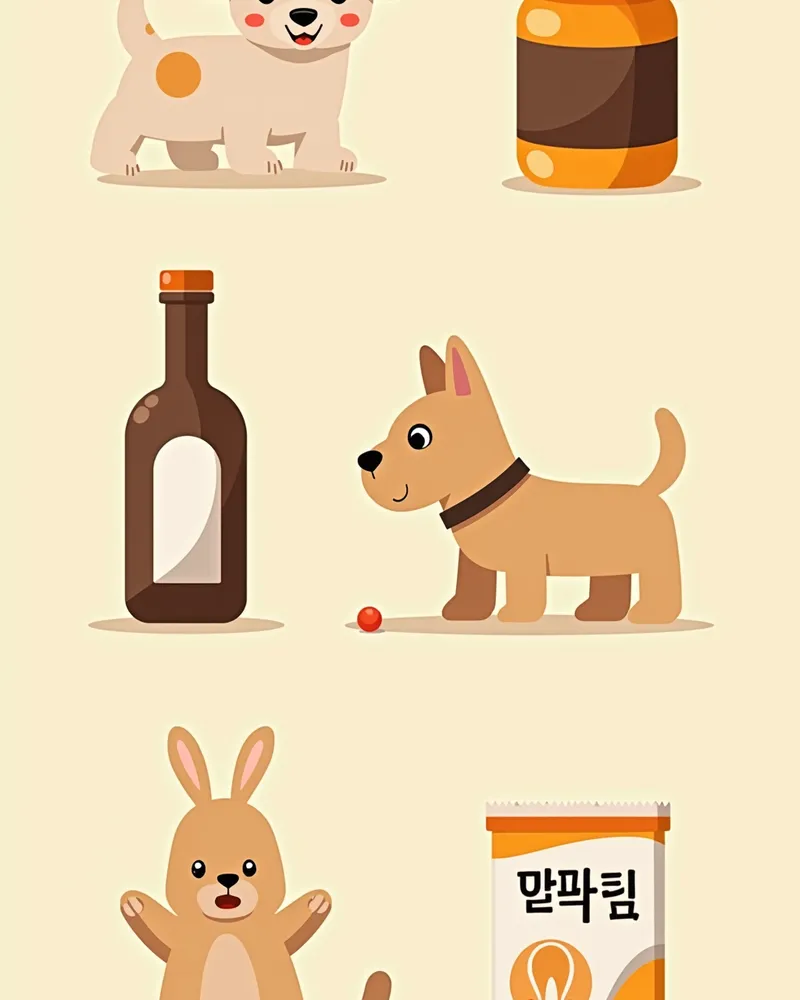
Comparison of risk levels and symptoms by nephrotoxic substance
| Item | Risk level | Main symptoms | Emergency |
|---|---|---|---|
| Ibuprofen (NSAID) | Very high | Vomiting (± blood), loss of appetite, lethargy, oliguric/anuric kidney injury | Yes |
| Aspirin | High | Vomiting, diarrhea, gastrointestinal bleeding, lethargy | Yes |
| Grapes/raisins | Very high | Vomiting, loss of appetite, lethargy, acute renal tubular necrosis | Yes |
| Vitamin D rodenticide (rat poison) | Very high | Bradycardia, arrhythmia, lethargy, ataxia, renal tubular damage | Yes |
| Ethylene glycol (antifreeze) | Very high | Vomiting, ataxia, anuric renal failure | Yes |
The risk level can vary depending on the amount ingested and the puppy's body weight. If ingestion is suspected, an immediate hospital visit is needed.
What to do immediately after ingestion of a nephrotoxic substance
Signs requiring immediate veterinary visit
If your dog has ingested a nephrotoxic substance and shows symptoms such as vomiting, diarrhea, lethargy, loss of appetite, excessive thirst or changes in urine output, blood in the urine, pale gums, rapid heart rate, or neurological signs like ataxia or seizures, seek veterinary care immediately. Getting to the clinic as quickly as possible is crucial. Kidney damage may not present obvious symptoms in the early stages, but as it progresses, recovery becomes difficult, and severe cases can be fatal. In fact, reported mortality rates for acute kidney injury are not low. If you notice any of these signs, consult your veterinarian without delay.
5 practical tips for prevention
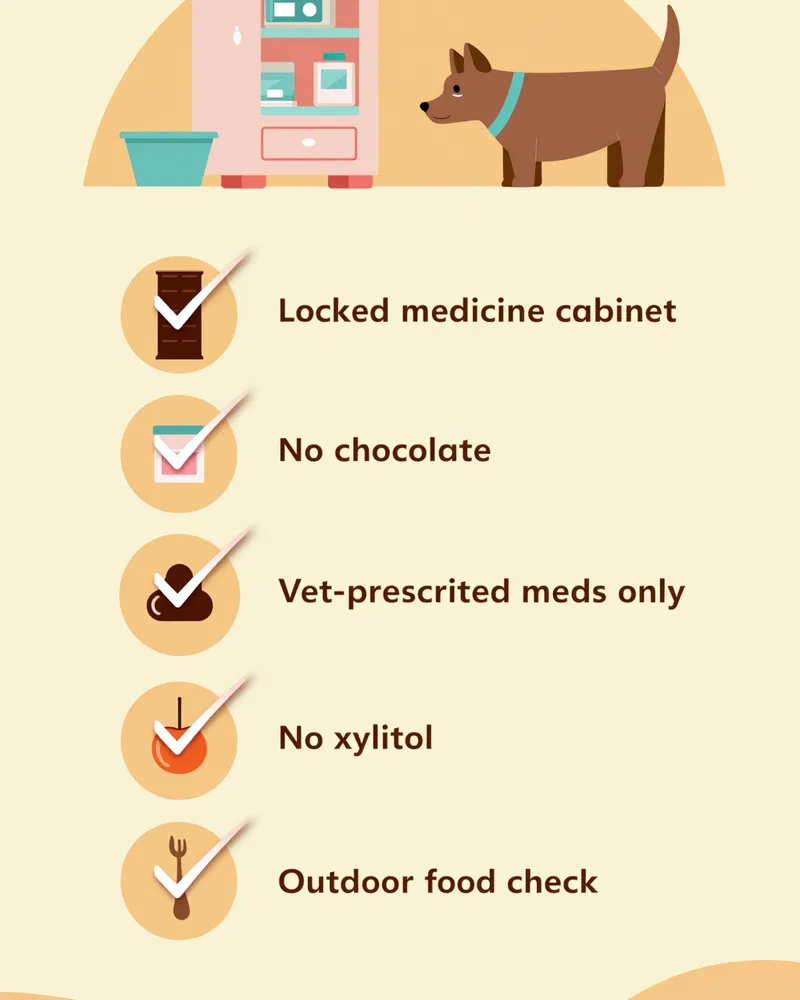
Breeds and age groups to watch out for
Puppies under six months of age are at higher risk because their liver and kidney functions are not yet fully developed, which can cause them to react differently to the same substances compared to adult dogs. Additionally, certain breeds are known to have a genetic sensitivity to specific medications. However, since sensitivity varies significantly among individual dogs depending on breed and age, it is dangerous for owners to self-medicate. For these puppies, it is essential to consult with a veterinarian before administering any medication and to receive prescriptions based on necessary test results, such as blood and urine analyses. Above all, prevention is key, so owners should familiarize themselves in advance with care methods appropriate for their dog’s breed and age.
Reviewed by a veterinarian

Dr. Tony — Punnawat Phongkittirak
VeterinarianA veterinarian who majored in veterinary medicine at Khon Kaen University, Thailand, and completed the IVSA program at North Carolina State University in the United States. Drawing on clinical experience at animal hospitals, he works in the pet healthcare field and is dedicated to building a digital care environment that connects pet parents with veterinarians.
Reviewed 2026-06-05
Frequently asked questions
My dog took some medication—should I take him to the vet?
How much chocolate is dangerous for pets?
My pet ate a candy containing xylitol. Is that okay?
It’s been two hours since my pet took the medication. Is it still okay to go to the vet?
What should you keep in mind to prevent it?
Share
Related Guides

Top 5 Prescription Diets for Cats with Chronic Kidney Disease — Stage-Specific Protein Adjustment
7 Emergency Signs and Causes of Acute Kidney Failure in Dogs You Must Not Miss

Top 5 Cat Kidney Supplements Recommended for 2026
What Is Prescription Dog Food? — Differences From Regular Food and Feeding Principles

The Complete Guide to the Causes of Feline Stereotypic Behavior and Behavioral Correction and Treatment Methods
A Complete Guide to the Causes, Behavioral Modifications, and Treatment of Canine Cognitive Dysfunction

How to Use Medication for Canine Noise Phobia — From Types to Timing

Cat Excessive Grooming and Self-Harm — Medical Guide to Stress-Induced Dermatitis

Where Do Cat Tapeworms Come From? — The Flea Infection Cycle and Deworming Timing

Can Dogs Eat Macadamia Nuts? — Toxicity Symptoms and Emergency Response
References
[1] Cohn LA, Cote E (eds.). Cote’s Clinical Veterinary Advisor: Dogs and Cats, 4th ed. Elsevier, 2020.
[2] Blackwell's Five-Minute Veterinary Consult Clinical Companion, Small Animal Toxicology, 3rd Edition. Wiley-Blackwell, 2022.
[3] Plumb's Veterinary Drug Handbook, 9th ed. Wiley-Blackwell, 2021.