
What Is Hypocalcemia in Dogs? — Warning Signs You Can’t Miss and Emergency Response
Hypocalcemia in dogs is a dangerous condition in which low calcium levels can cause muscle spasms, restlessness, and even shock. Here’s the key information every pet owner should know.
What Is Hypocalcemia in Dogs?

What Are the Main Causes of Hypocalcemia?

What Are the Main Symptoms of Hypocalcemia?

Symptoms Requiring Immediate Veterinary Visit
If your dog suddenly has a seizure or loses consciousness, you should go to the vet immediately. Additionally, if severe muscle spasms or tremors occur, or if the dog rubs its face against surfaces, it could be dangerous, and emergency veterinary care is necessary. In cases of severe hypocalcemia, heart rhythm abnormalities such as bradycardia (a slow heart rate) may develop, so it’s important for pet owners to know how to respond in advance.
How Is Hypocalcemia Diagnosed?

What Are the Treatment Methods?
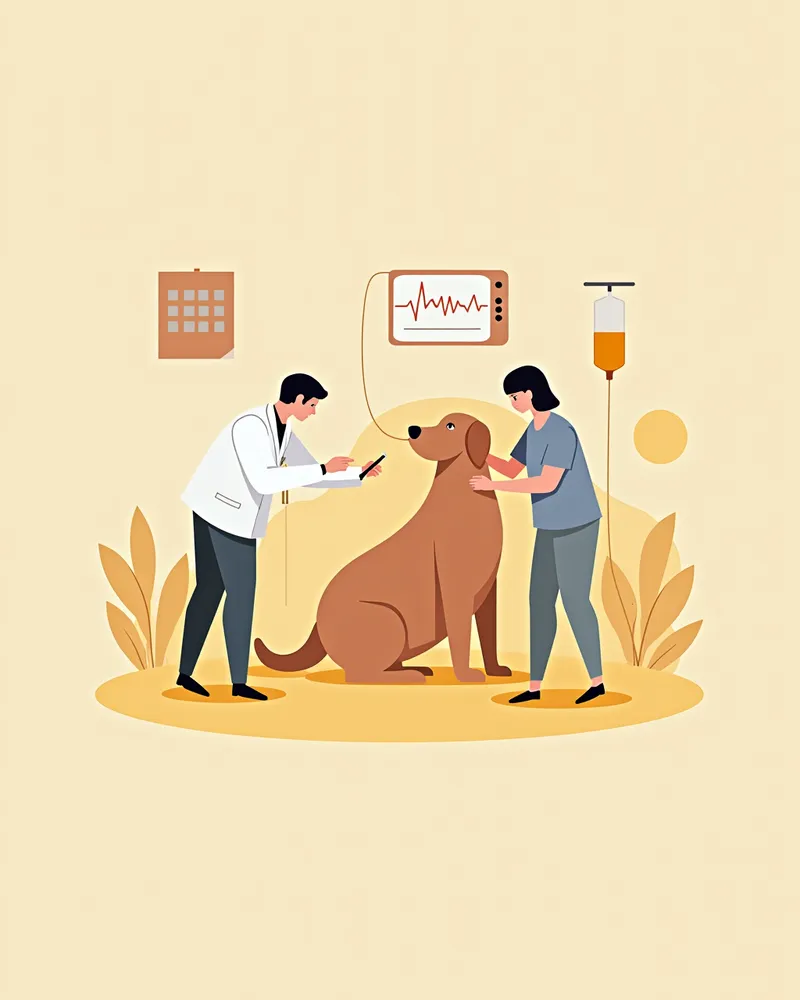
Stage-by-Stage Symptoms of Hypocalcemia and How to Respond
| Item | Main Symptoms | Response |
|---|---|---|
| Mild | Slight tremors, anxiety | Take oral calcium supplements |
| Moderate | Muscle cramps, unstable gait | Intravenous calcium injection, hospital observation |
| Severe | Seizures, loss of consciousness, respiratory distress | Emergency treatment, cardiac monitoring essential |
If symptoms worsen, an immediate hospital visit is necessary.
Precautions for Prevention
Avoid giving excessive calcium supplements before and after whelping, as overconsumption can actually interfere with the body's natural calcium regulation. After giving birth, it's best to feed a balanced diet and use supplements recommended by your veterinarian. Small-breed dogs are at higher risk, so they require close monitoring. Prevention is far more important than treatment.
Reviewed by a veterinarian

Dr. Tony — Punnawat Phongkittirak
VeterinarianA veterinarian who majored in veterinary medicine at Khon Kaen University, Thailand, and completed the IVSA program at North Carolina State University in the United States. Drawing on clinical experience at animal hospitals, he works in the pet healthcare field and is dedicated to building a digital care environment that connects pet parents with veterinarians.
Reviewed 2026-06-01
Frequently Asked Questions
Can hypocalcemia recur after treatment?
When should I give my pet oral calcium supplements?
Which breeds are more prone to hypocalcemia?
Should I avoid giving calcium supplements?
What should I do if I suspect hypocalcemia?
Share
Related Guides

Top 5 Prescription Dog Foods for Diabetes Recommended by Veterinarians — Blood Sugar-Stabilizing Food Comparison
7 Key Products for Managing Feline Hypercalcemia Recommended by Veterinarians and Selection Criteria

7 Key Points for Canine Thyroid T4 Testing by Veterinarians — From Timing to Result Interpretation

BAER Hearing Test (Congenital Deafness)
What Is GS-441524, the New Drug for Feline FIP? — Key Points to Know Before Treatment

Signs and Care for Cats in Their Final Days

How much playtime is recommended for cats?
Trilostane (Vetoryl) for Cushing’s Treatment: What You Must Know

What is Selamectin (Revolution)? — A Complete Guide to the Parasites It Prevents All at Once

Understanding Trazodone: The Medication for Canine Anxiety and Calming
References
[1] Textbook of Cardiovascular Medicine in Dogs and Cats, 2023, Chapter on Calcium Disorders
[2] Small Animal Critical Care Medicine, 3rd Ed, 2022, Hypocalcemia Diagnosis and Management
[3] Applied Veterinary Clinical Nutrition, 2nd Ed, 2021, Calcium and Mineral Metabolism in Dogs