Like
Share
멍실장
반려동물 해외 이주·검역 가이드 — 출국 전 준비 총정리

Relocating Abroad with Your Pet: Where to Start? — A Complete Guide to Quarantine and Departure Preparation

ImmunityQ&AMeongsiljang Veterinary Advisory Board

We’ve outlined the quarantine procedures, preparation timeline, and country-specific requirements for relocating your pet abroad, step by step. We also explain why you need to start preparing six months before departure.

What Is Pet Quarantine?

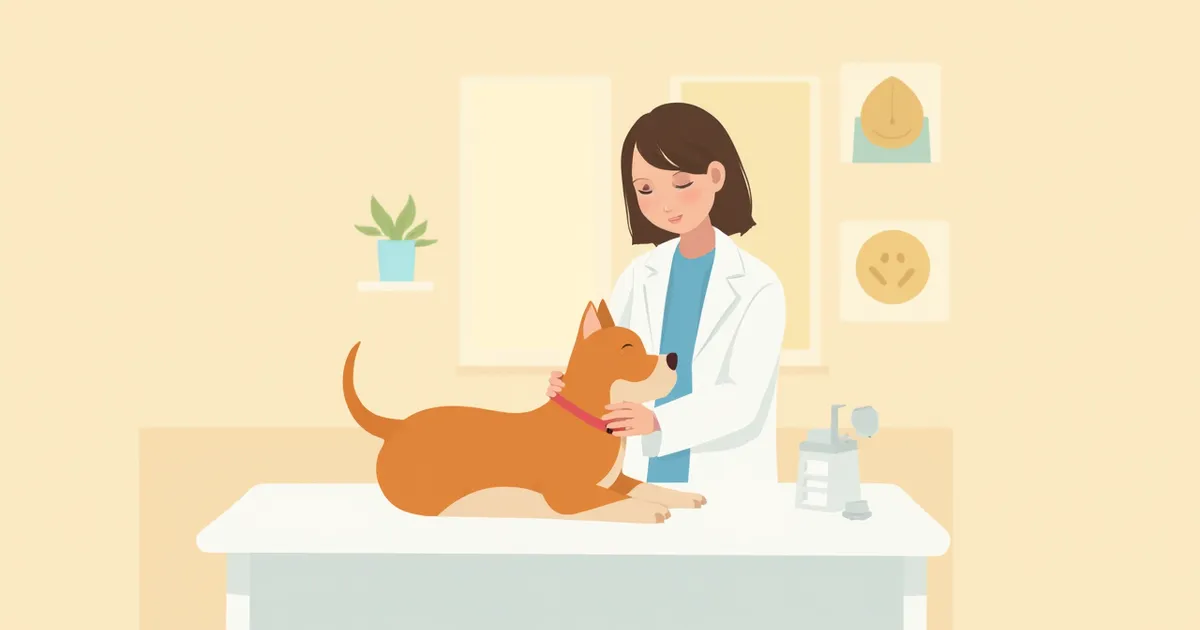
A pet owner consulting with a veterinarian about quarantine documents for international relocation, accompanied by their pet.
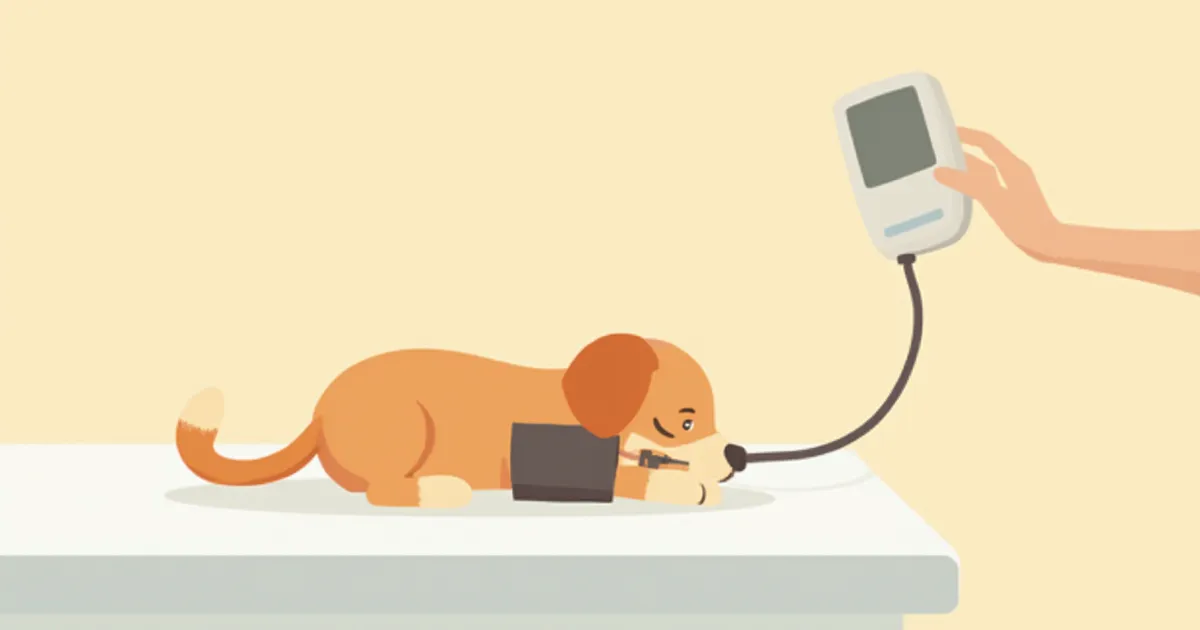
Pet quarantine is a mandatory health check and document review process required by governments to prevent the introduction of infectious diseases when traveling abroad. The most important thing is to prepare well in advance. Most countries require a specific sequence: microchip implantation, rabies vaccination, (if necessary) an antibody titer test, and then a waiting period. Rabies vaccines are typically administered to pets aged 12 weeks or older and must be given at least 21 days before departure to be recognized. If the sequence or dates are off by even one day, departure may become impossible. Therefore, as soon as your relocation plans are set, schedule a consultation with a veterinary clinic right away.

Requirements Vary Significantly by Country

Quarantine requirements vary significantly by country. The EU, the United States, and Canada have relatively straightforward procedures, primarily requiring rabies vaccination and a health certificate. In contrast, Australia, New Zealand, Japan, and Hawaii are known for stricter requirements, including a rabies antibody titer test and a mandatory waiting period. For the United Kingdom, treatment for Echinococcus multilocularis (tapeworm) is required in addition to rabies vaccination, with procedures otherwise similar to those of the EU and the US. However, specific requirements can change depending on the country of departure and the timing of travel. Once your destination is confirmed, always check the latest guidelines on the official website of that country’s Ministry of Agriculture first.

Comparing Quarantine Difficulty Across Major Countries

ItemEU, US, CanadaJapanAustralia, New Zealand
MicrochipTrueTrueTrue
Rabies VaccinationRequiredRequiredRequired
Antibody Titer TestSome countriesRequiredRequired
Post-Vaccination WaitAt least 21 daysLong waitLong wait
Total Preparation PeriodWithin a few monthsSeveral months or moreSeveral months or more

Based on general routes. The UK requires rabies vaccination plus echinococcus (tapeworm) treatment as its main requirements, at a level similar to the EU/US, but separate confirmation may be needed depending on the country of departure. The rabies vaccine is only recognized if administered at 12 weeks of age or older and at least 21 days before departure, and the quarantine certificate is issued within 10 days of departure. Detailed figures such as antibody titer thresholds and waiting periods differ by country, so be sure to re-confirm with each country's Ministry of Agriculture before departure.

Five Essential Steps Before Departure

While specific procedures vary by country, the overall process is quite similar. - Step 1: Microchip Implantation: First, a 15-digit microchip compliant with ISO 11784/11785 standards must be implanted. - Step 2: Rabies Vaccination: The vaccine is only recognized if administered after microchip implantation and when the pet is at least 12 weeks old. - Step 3: Antibody Titer Test: An accredited laboratory verifies that antibody levels meet or exceed the threshold set by the destination country. - Step 4: Waiting Period: A mandatory waiting period, determined by the destination country, begins from the date of vaccination or blood draw. - Step 5: Health Certificate Issuance: Obtain the official health certificate from an authorized veterinary clinic or the Animal and Plant Quarantine Agency within 10 days of departure.
Essential items for international relocation, such as a microchip scanner, vaccination record, blood samples, and a health certificate

If the Order Is Wrong, Everything Is Invalid

Rabies vaccinations must be administered after microchip implantation. Vaccinations given before the microchip is implanted are not recognized by most countries, requiring you to start the process over from the beginning. Additionally, antibody titer tests can only be performed after a certain period has passed since vaccination, and the date of the blood draw marks the start of the mandatory waiting period. The rabies vaccine itself must be administered at least 21 days before departure and when the pet is at least 12 weeks old to be recognized. Even a single date discrepancy can delay departure by several months. Be sure to obtain a written schedule from your veterinary clinic.

Don’t Forget Carrier and Airline Regulations

Just as important as quarantine documents are the specifications for pet carriers and airline regulations. Most airlines require an IATA-approved hard-sided carrier, and whether your pet can travel in the cabin or must go in the cargo hold depends on their weight and breed. For brachycephalic breeds (such as Bulldogs, Pugs, and Persians), some airlines restrict cargo travel due to respiratory concerns. Before booking, contact the airline’s customer service to provide your pet’s breed, weight, and carrier dimensions, and obtain written confirmation regarding in-cabin eligibility.
A puppy looking inside an IATA-compliant pet carrier placed at the airport

Key Points for Managing Local Adaptation After Relocation

The first two weeks after arrival are the most stressful period for your pet. The stress from unfamiliar surroundings, new smells, temperature changes, and long-distance travel can lead to decreased appetite, digestive issues, and reduced activity levels. Visit a local veterinarian as soon as possible for a health check-up and to confirm if any booster vaccinations or additional registrations are required by local regulations. Since the indoor environment, including smells, temperature, and water taste, may differ from what your pet is used to, bringing familiar items like blankets or toys can greatly help with adjustment.

Consider a Professional Relocation Service in These Cases

When you’re on a tight schedule or traveling to regions with complex procedures like Australia, New Zealand, or Hawaii, it’s safer to use a pet relocation specialist. A single missing document can lead to delays of several months and even quarantine. However, when choosing a company, make sure to verify whether they are a member of IPATA (International Pet and Animal Transportation Association) and if they have compensation policies in case of accidents.

Reviewed by a veterinarian

Dr. Tony — Punnawat Phongkittirak

Dr. Tony — Punnawat Phongkittirak

Veterinarian

A veterinarian who majored in veterinary medicine at Khon Kaen University, Thailand, and completed the IVSA program at North Carolina State University in the United States. Drawing on clinical experience at animal hospitals, he works in the pet healthcare field and is dedicated to building a digital care environment that connects pet parents with veterinarians.

Frequently Asked Questions

Can senior dogs and cats also travel abroad?
While it is possible, the stress of long-distance travel can be significant, so it's a good idea to have your pet undergo blood tests and a cardiac exam before departure. If the veterinarian determines that your pet is not fit to travel, consider alternative options such as ground or sea transport.
Can pregnant pets travel abroad?
Most airlines refuse to allow pets in their later stages of pregnancy. Since traveling with newborns right after birth is also restricted, it's safest to wait until nursing has ended and the young have successfully transitioned to solid food before making any moves.
Do I need to go through quarantine again when bringing my pet back into Korea?
Yes, Korea also requires rabies vaccination, antibody testing, microchipping, and a health certificate for quarantine. If you have a return date, start managing both sets of documents before departure.
What should I do if the antibody levels are below the recommended threshold?
Your pet needs to be retested after receiving a rabies vaccination booster and waiting for a specified period. The date of passing the retest becomes the new reference date, so the waiting period starts over.
Is it safe to administer a sedative before cremation?
Most airlines and veterinarians do not recommend the use of sedatives, as unexpected side effects can occur during travel, requiring special caution. For a calmer journey, consistent pre-travel acclimation training starting well before departure is more effective.

Share

Related Guides

References

[1] 농림축산검역본부, 반려동물 수출입 검역 안내서, 2024

[2] Sykes JE et al., 2017 ACVIM Consensus Statement on Leptospirosis, J Vet Intern Med 31(2):279-294, 2017

[3] WSAVA Vaccination Guidelines Group, Guidelines for the Vaccination of Dogs and Cats, 2024

This information is based on veterinary literature and does not replace diagnosis or treatment. Please consult a veterinarian for specific health concerns.

Metapet Co., Ltd. | CEO: Park Sung-yong | Business Reg. No. 417-88-02562 | Seoul, South Korea | Customer Center

Moving Abroad with Your Pet: Quarantine & Departure Guide | Meongsiljang