Like
Share
멍실장
강아지 저혈당증 자주 묻는 질문 Q&A — 보호자가 꼭 알아야 할 핵심

Frequently Asked Questions About Hypoglycemia in Puppies — Key Information Pet Owners Must Know

EndocrineQ&AMeongsiljang Veterinary Advisory Board

Hypoglycemia in puppies is a dangerous condition that can lead to shock due to a rapid drop in blood sugar levels. Here’s a summary of the key information pet owners should know.

What Is Hypoglycemia in Puppies?
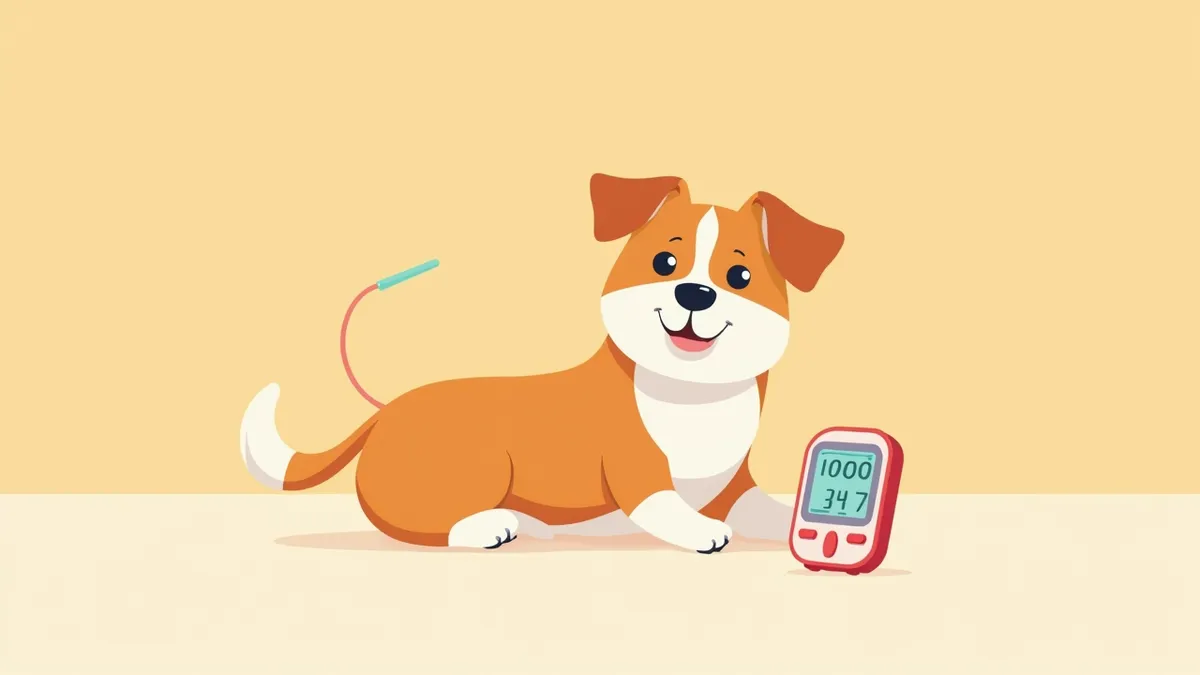
A blood glucose meter screen showing hypoglycemia
Hypoglycemia in dogs is a dangerous condition in which blood glucose levels drop too low to provide the brain with sufficient energy. It commonly occurs in small-breed dogs that skip meals or in dogs undergoing diabetes treatment when insulin activity is excessive. Because this condition can lead to lethargy, tremors, seizures, and decreased consciousness, immediate action is required. - Decreased blood glucose: Hypoglycemia is diagnosed when blood glucose levels fall below approximately 54 mg/dL (3 mmol/L) at the time clinical signs appear. - Impact on the brain: Since the brain relies primarily on glucose for energy, a shortage impairs brain function. Severe or prolonged hypoglycemia can result in permanent neurological damage. - Urgency: If not recognized and treated early, hypoglycemia can lead to serious complications. Therefore, immediate intervention and consultation with a veterinarian are essential if symptoms are observed.

Why Do Puppies Experience Hypoglycemia?
Canine hypoglycemia can be caused by several factors, including insulin overdose, skipped meals, excessive exercise, and impaired liver function. It is especially dangerous if a dog does not eat after an insulin injection, as blood sugar levels can drop rapidly. Small-breed dogs are particularly sensitive to blood sugar fluctuations due to their low body weight. - Medication Imbalance: Exceeding the prescribed dosage or inconsistent timing of administration can be dangerous. - Dietary Management: Insufficient food intake or irregular meal times increase the risk of hypoglycemia. - Impact of Exercise: Excessive exercise increases energy expenditure, which can lower blood sugar levels. Consistent care and a regular daily routine are essential.
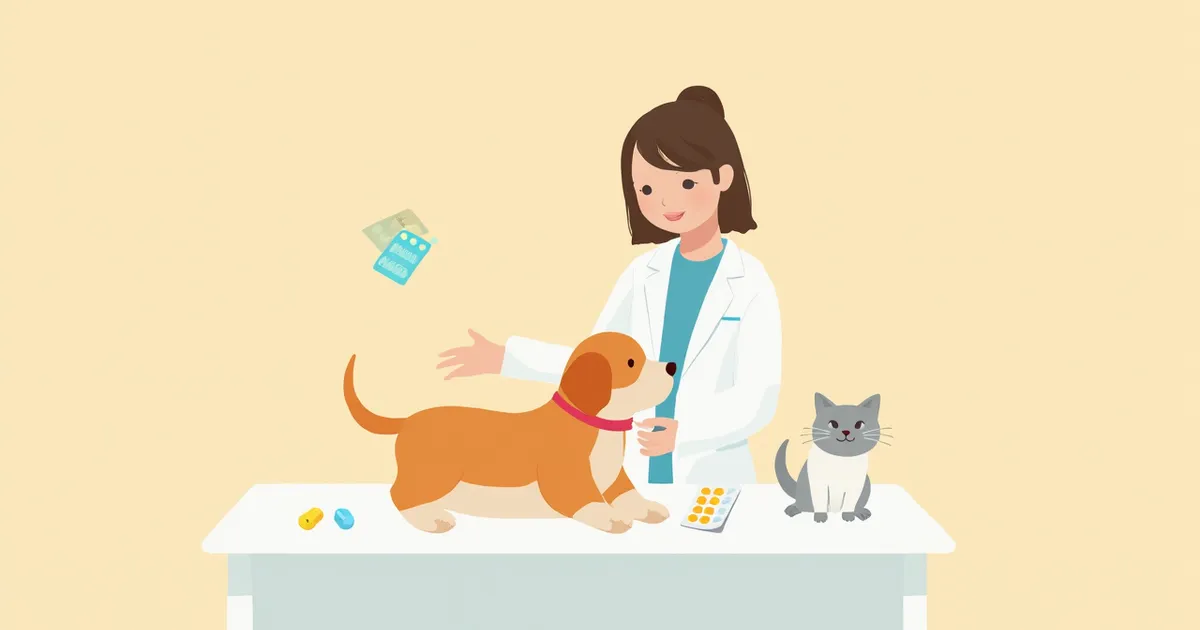
A dog showing signs of hypoglycemia, with its caregiver preparing medications and glucose supplements.

What Are the Main Symptoms of Hypoglycemia?
The early signs of hypoglycemia in dogs often include restlessness, trembling, muscle spasms, fainting, and decreased consciousness. Sudden lethargy, an unsteady gait, and glazed eyes are also warning signs. In severe cases, seizures or shock may occur, which can lead to brain damage. - Early recognition: If symptoms appear, blood glucose levels should be measured immediately. - Behavioral changes: Be alert to any unusual behavior or slowed responses compared to normal. - Immediate response: Check for consciousness and take emergency measures if necessary. Early detection is key to preventing life-threatening complications.
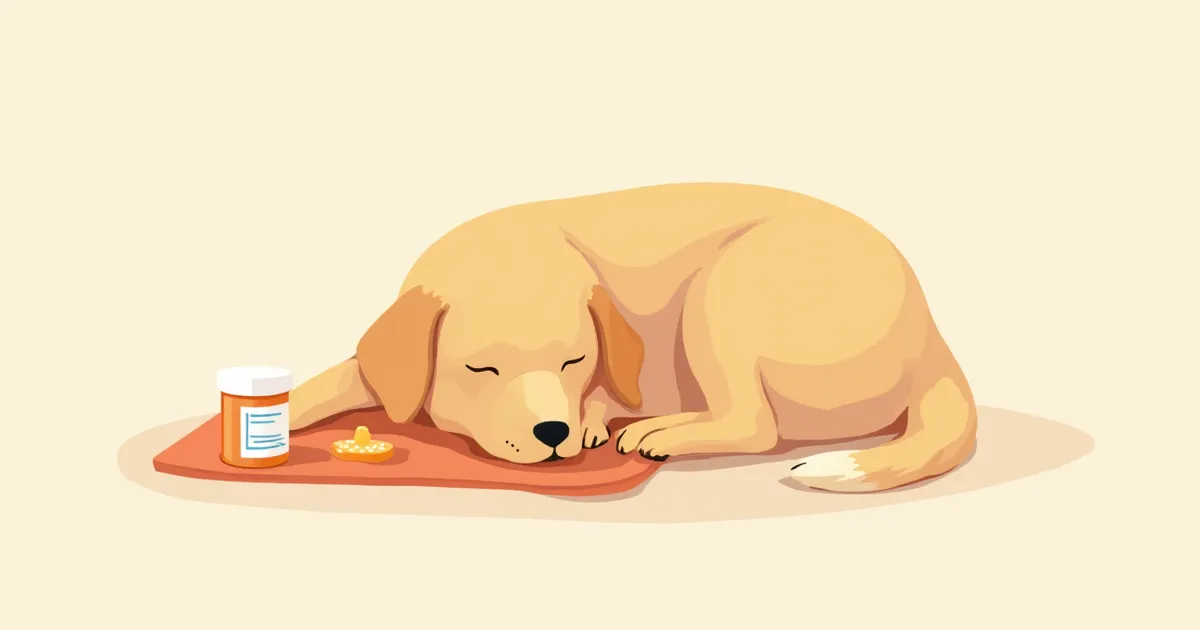
A puppy experiencing seizures and fainting due to hypoglycemia

Situations Requiring Immediate Veterinary Visit

If your dog loses consciousness, has a seizure lasting more than one minute, or if blood glucose cannot be measured, you must go to the hospital immediately. This condition can lead to brain damage, so emergency treatment should be sought without delay.

How to Diagnose Hypoglycemia

Hypoglycemia can be quickly confirmed by a veterinarian using a blood glucose meter to analyze a blood sample. The most accurate readings are obtained at the moment symptoms appear; a blood glucose level below approximately 54 mg/dL (3 mmol/L) at that time is indicative of hypoglycemia. - Accurate Diagnosis: A combination of blood tests and symptom analysis is essential. - Additional Testing: Further examinations may be necessary to check for hormonal imbalances, such as insulinoma, liver dysfunction, or hypoadrenocorticism. - Timeliness: Immediate measurement when symptoms occur enables early diagnosis, which improves treatment success rates. - Ongoing Monitoring: If recurrent hypoglycemia is suspected, consistently recording blood glucose levels is helpful. Close collaboration with your veterinarian is crucial for an accurate diagnosis.
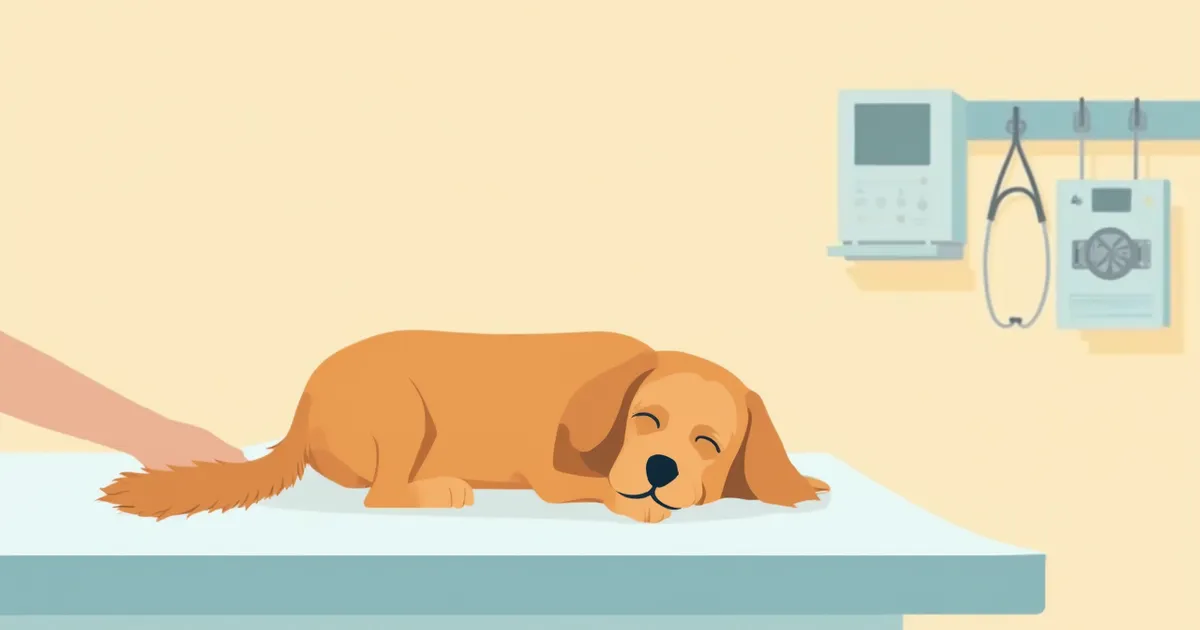
A veterinarian measuring a puppy’s blood sugar using its ear.

What Are the Emergency Response Measures for Hypoglycemia?
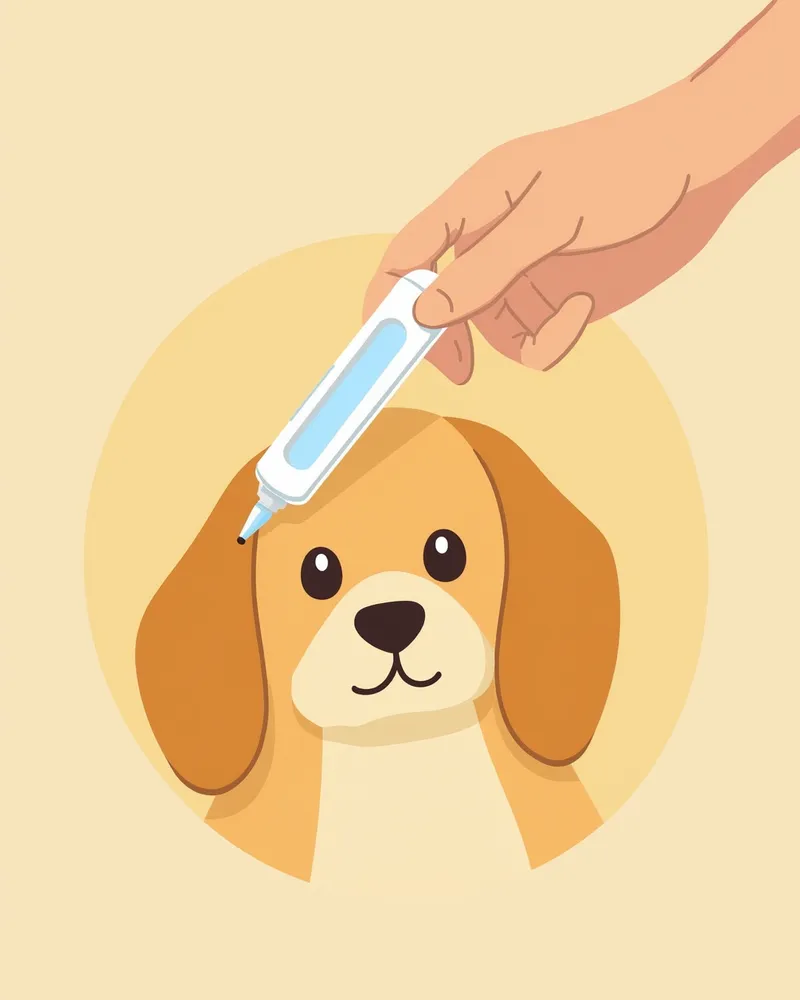
If the pet is conscious, apply small amounts of oral glucose preparations, such as glucose gel or syrup, to the gums or inside the mouth, and offer food as soon as possible. If the pet is unconscious, do not force food or water into the mouth due to the risk of aspiration; instead, slightly elevate the head to maintain a clear airway. - Immediate transport: If the pet is unconscious or slow to recover, intravenous glucose administration is the most effective treatment, so transport to a veterinary clinic without delay. - Veterinary consultation: Even after providing first aid, consult a veterinarian immediately for further treatment at the clinic. - Record keeping: Documenting the time and details of the interventions provided will greatly assist in subsequent treatment. Early response is key to saving a life.
Applying glucose gel to a puppy's mouth

Management Methods to Prevent Hypoglycemia

To prevent hypoglycemia in dogs, it is most important to maintain a consistent schedule for meals and medication administration. If your dog is undergoing insulin therapy, manage both feeding and insulin injections according to the schedule set by your veterinarian. Instead of giving large meals at once, offering smaller, more frequent meals helps minimize blood sugar fluctuations. This is especially important for small and toy breeds, as two meals a day may not be sufficient; dividing their food into more frequent meals is recommended. - Exercise Management: Excessive exercise or excitement can lower blood sugar levels, so it is important to regulate the amount of activity appropriately. - Stress Management: Sudden changes in environment or stress can impact blood sugar control. - Regular Check-ups: It is essential to monitor blood sugar levels and undergo health examinations at the intervals prescribed by your veterinarian. - Do Not Alter Medication: Never change the dosage or injection timing without consulting your veterinarian. Consistent care is the most effective preventive measure.
A dog that eats according to a meal schedule

Comparison of Hypoglycemia Response: Emergency vs. Daily Management

ItemEmergency ResponseDaily Prevention
Conscious Dog1–2 teaspoons of oral glucose gel, repeated at 10-minute intervalsRegular meals, adherence to medication times
Unconscious DogDo not put food in the mouth; transport to the hospital immediatelySet up a blood glucose monitoring schedule
Key Prevention PointsKeep glucose preparations on hand for emergenciesRegulate exercise level, minimize stress

Emergency response requires immediate action, while daily management is the foundation for long-term prevention.

Reviewed by a veterinarian

Dr. Tony — Punnawat Phongkittirak

Dr. Tony — Punnawat Phongkittirak

Veterinarian

A veterinarian who majored in veterinary medicine at Khon Kaen University, Thailand, and completed the IVSA program at North Carolina State University in the United States. Drawing on clinical experience at animal hospitals, he works in the pet healthcare field and is dedicated to building a digital care environment that connects pet parents with veterinarians.

Frequently Asked Questions

Why is hypoglycemia dangerous?
The brain relies on glucose as its primary energy source, so a drop in blood sugar can impair brain function and, over time, lead to permanent brain damage.
Where can I get glucose gel?
It is readily available at veterinary clinics and pharmacies, so it’s a good idea to keep some on hand for emergencies.
What should I do if my pet frequently experiences hypoglycemia?
You should work with your veterinarian to review and adjust your pet’s medication dosage, food intake, and exercise level. Keeping a record of blood sugar levels and sharing it with your vet can be very helpful.
Are small-breed dogs at a higher risk of hypoglycemia?
Yes, because of their small body weight, they are more sensitive to blood sugar fluctuations and burn energy quickly, which increases the risk.
What should you do if your pet develops hypoglycemia?
After emergency treatment, consult with your veterinarian and organize your pet’s blood sugar records to develop a follow-up treatment plan together.

Share

Related Guides

References

[1] Plumb's Veterinary Drug Handbook, 9th Edition, 2022

[2] Small Animal Critical Care Medicine, 3rd Edition, 2021

[3] AAHA Diabetes Management Guidelines for Dogs and Cats, 2018

This information is based on veterinary literature and does not replace diagnosis or treatment. Please consult a veterinarian for specific health concerns.

Metapet Co., Ltd. | CEO: Park Sung-yong | Business Reg. No. 417-88-02562 | Seoul, South Korea | Customer Center

Hypoglycemia in Dogs: 5 Frequently Asked Questions | Meongsiljang