Like
Share
멍실장
강아지 구개 파열 자주 묻는 질문 Q&A — 보호자가 꼭 알아야 할 핵심

Puppy Cleft Palate FAQ — Key Information Every Owner Should Know

Oral HealthQ&AMeongsiljang Veterinary Advisory Board

Cleft palate in puppies is a congenital deformity present at birth that significantly impacts feeding and vocalization. Here’s a summary of the key information pet owners should know.

Cleft Palate in Puppies Is a Congenital Deformity Present at Birth

Side view of a cleft palate in a puppy
Cleft palate in puppies is a congenital defect where the roof of the mouth fails to close completely, creating an abnormal passage between the oral and nasal cavities. Due to this opening, milk or food may leak into the nose during feeding, which inexperienced owners might describe as milk running out of the puppy’s nose while nursing. Cleft palate can be diagnosed by directly examining the mouth of a newborn puppy. Although the gap may partially close naturally over time in some cases, it can affect breathing and nutrition, so it is important to consult a veterinarian for an accurate assessment and treatment plan.

The Main Causes of Cleft Palate Are Genetics and Developmental Abnormalities

Cleft palate is a congenital defect that occurs when the palatal shelves, which form the roof of the mouth, fail to fuse completely around days 25 to 28 of gestation. The primary cause is genetic, with research indicating that multiple genes, acting in recessive or incompletely dominant patterns, are involved. Additionally, exposure to teratogens such as certain medications or supplements during pregnancy, as well as nutritional deficiencies, can contribute to the condition. Given the potential genetic component, it is crucial to exercise caution when making breeding decisions. To help ensure the birth of healthy puppies, early detection and management through direct examination of the newborns' mouths are recommended.
Illustration of the palatal development process in puppies

The Main Symptoms of Cleft Palate Are Food Leakage and Breathing Difficulties
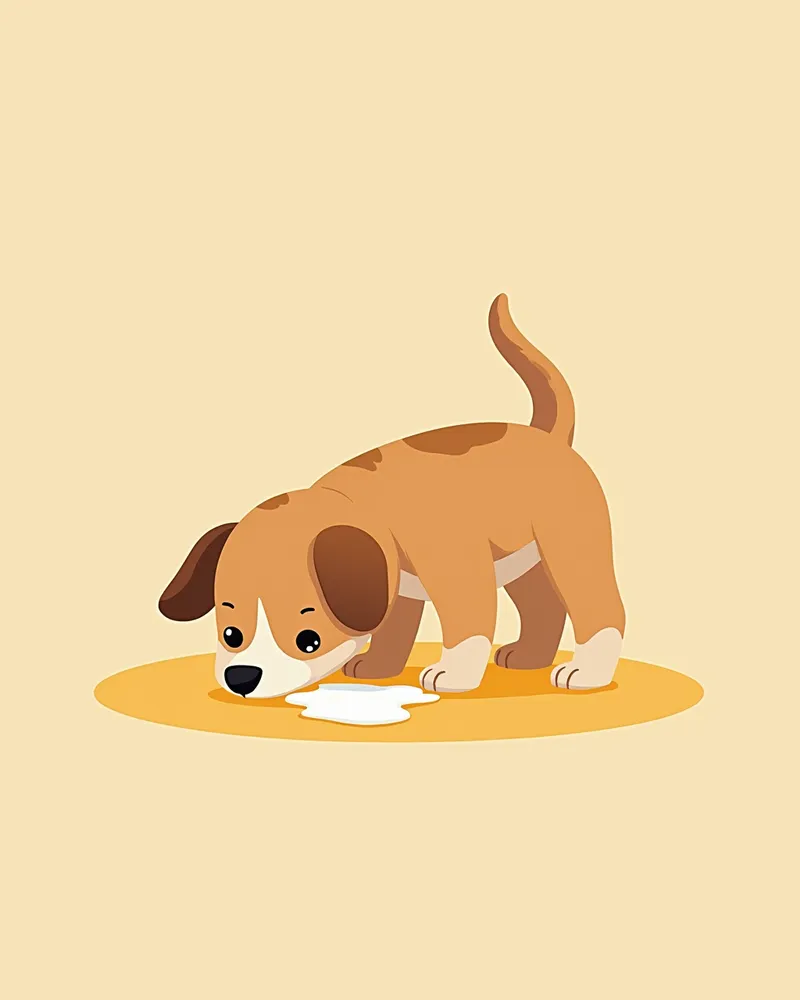
The most common sign of a cleft palate in puppies is milk or food leaking out of the nose during feeding. You might also notice discharge that looks like a runny nose, and if food enters the airway, it can cause respiratory irritation or aspiration pneumonia. Puppies may also struggle to gain weight or appear lethargic due to poor feeding. These signs can be confirmed by directly examining the puppy’s mouth, so if you notice similar symptoms, it’s important to consult a veterinarian. Early detection and management can greatly benefit your puppy’s long-term health.
A puppy with a cleft palate may sneeze milk out of its nose while nursing.

Signs That Require Immediate Veterinary Visit

If your dog leaks food from its nose while eating, loses weight, or has difficulty breathing, consult your veterinarian. Aspiration pneumonia can occur if food enters the airway, and your dog may also become malnourished, so it’s important to seek veterinary care as soon as possible.

Endoscopy and X-ray Examinations Are Needed for Accurate Diagnosis
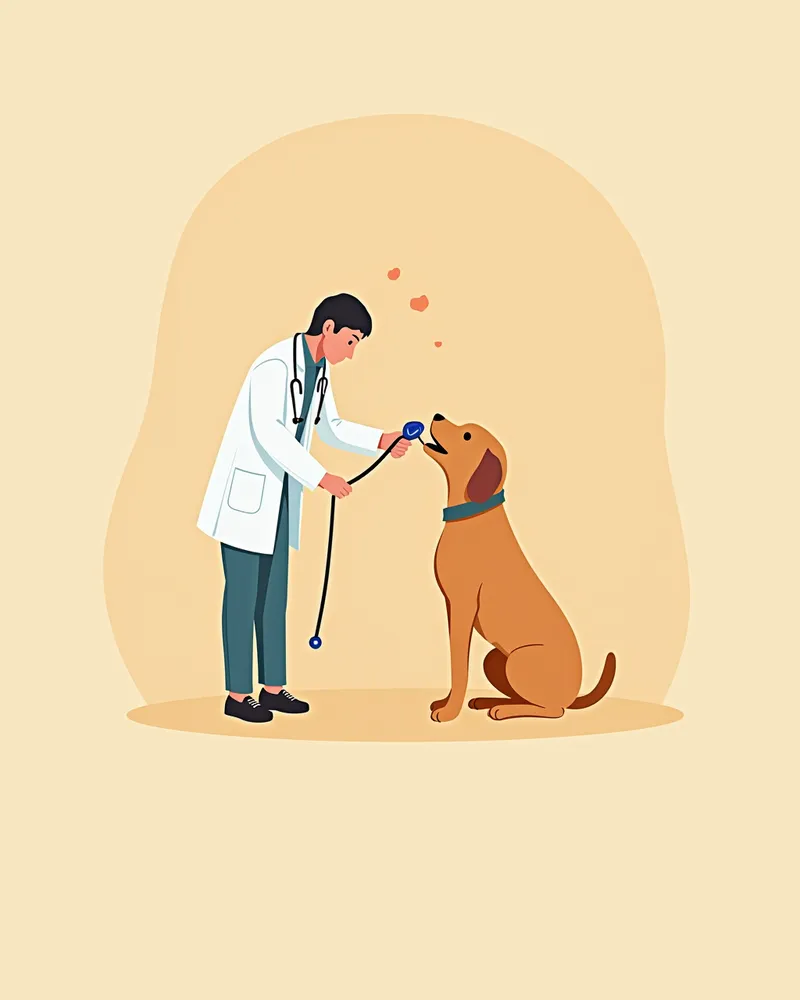
Cleft palate in newborn puppies is often detectable simply by examining the inside of the mouth. The basic diagnosis involves visually assessing the size and location of the gap in the roof of the mouth and checking whether there is a connection between the oral and nasal cavities. If the affected area is extensive or other congenital abnormalities are suspected, additional imaging studies may be performed for a more detailed evaluation. When surgery is being considered, the puppy’s overall health and body condition are also assessed to develop an appropriate treatment plan. - Oral examination: Directly inspect the roof of the mouth to determine the size and location of the cleft. - Additional imaging: If necessary, use imaging to more precisely evaluate the extent of the lesion. - Pre-surgical assessment: Evaluate overall health and body condition to determine surgical suitability. - Comprehensive evaluation: Integrate all available information to establish a safer treatment approach.
A veterinarian examining a dog's mouth with an endoscope

Surgery Is Most Appropriate Between 8 and 16 Weeks of Age

The timing of cleft palate surgery is carefully determined based on the puppy’s growth status. Because puppies are small and their faces and palates continue to grow after surgery, a single procedure is often insufficient, and multiple surgeries may be required. Therefore, surgery is sometimes delayed until the puppy has grown to a certain size, and in some cases, the gap may close naturally over time, eliminating the need for surgery. - Timing of surgery: The decision may be made after waiting for the puppy to grow sufficiently. - Multiple surgeries: More than one surgery may be necessary as the puppy grows. - Possibility of natural closure: In some cases, the gap may partially close on its own over time. - Pre-surgical preparation: Overall health and body condition are assessed to ensure safety. - Post-surgical care: Recovery is supported with soft food and a quiet environment.
A puppy recovering from cleft palate surgery

Post-Surgery Care Centers on Feeding Methods and Rest

After surgery, it’s best to offer soft foods instead of hard kibble or treats to avoid irritating the surgical site. If your pet has difficulty eating on their own, nutrition may be provided through a feeding tube, such as an esophageal or gastric tube. However, this method carries a risk of aspiration—where food enters the airway—so it should only be done under veterinary guidance. Additionally, please limit strenuous activity and keep your pet in a quiet environment until the surgical site has fully healed. - Food consistency: Soft foods help minimize irritation to the surgical area. - Feeding method: If necessary, use a feeding tube to safely deliver nutrition. - Aspiration precautions: Carefully monitor to ensure food does not enter the airway. - Activity restrictions: Avoid running or vigorous play until the surgical site has healed. - Regular check-ups: Your veterinarian will regularly assess your pet’s recovery progress.
Feeding a dog food in juice form

Comparison Table Before and After Cleft Palate Surgery

ItemBefore SurgeryAfter Surgery
Eating methodFood leaks out through the noseSwallows normally
Food spillageLeaks out through the noseReduced
Weight gain rateDoes not gain wellIncreases to a normal level
Respiratory conditionRisk of aspiration, respiratory irritationStable

Recovery patterns vary from dog to dog, and multiple surgeries may be needed as the dog grows.

Reviewed by a veterinarian

Dr. Tony — Punnawat Phongkittirak

Dr. Tony — Punnawat Phongkittirak

Veterinarian

A veterinarian who majored in veterinary medicine at Khon Kaen University, Thailand, and completed the IVSA program at North Carolina State University in the United States. Drawing on clinical experience at animal hospitals, he works in the pet healthcare field and is dedicated to building a digital care environment that connects pet parents with veterinarians.

Frequently Asked Questions

Can cleft palate be treated?
Yes, cleft palate can be corrected with surgery. However, depending on your puppy’s growth, multiple surgeries may be necessary, and in some cases, the gap may close naturally to some extent over time.
How much will the surgery cost?
The cost typically ranges from $1,000 to $2,000, depending on the clinic and the complexity of the surgery.
Can it rupture again?
As puppies grow, they may require additional surgeries. Therefore, it is important to regularly monitor their condition through routine check-ups even after surgery.
How should I feed my pet after surgery?
Dietary adjustments depend on the extent of recovery. Initially, offer soft food, and gradually transition back to a regular diet as the surgical site heals. Please follow your veterinarian's guidance for feeding instructions.
Can cleft palate be passed on to the next generation?
Yes, it is known that genetic factors are involved. Therefore, it is recommended to avoid breeding.

Share

Related Guides

References

[1] Hartmann, K. et al. (2020) Veterinary Oral Medicine: Diagnosis and Management of Congenital and Acquired Oral Disorders. 2nd ed., Wiley-Blackwell.

[2] Plumb's Veterinary Drug Handbook, 9th ed. (2022). Wiley-Blackwell.

[3] American Veterinary Medical Association. (2021) Guidelines for the Management of Congenital Cleft Palate in Dogs. AVMA Position Statement.

This information is based on veterinary literature and does not replace diagnosis or treatment. Please consult a veterinarian for specific health concerns.

Metapet Co., Ltd. | CEO: Park Sung-yong | Business Reg. No. 417-88-02562 | Seoul, South Korea | Customer Center

5 Common Questions About Cleft Palate in Dogs | Meongsiljang